
I’d like to think that, like many landscape and nature photographers, my journey began with a deep admiration for the grand masters of the genre. I was first drawn in by their sweeping vistas and dramatic compositions, and I wanted nothing more than to create images that created that same sense of awe and wonder. It was all so romantic, stumbling upon a majestic mountain range bathed in the first light of dawn, watching a blazing sunrise emerge over the horizon from a windswept coastal bluff, or standing beside a rushing stream as it cut its pathway through a dense forest of towering pines.
In my mind, I saw myself hiking with a camera slung over my shoulder, a wide‑angle lens and a sturdy tripod in my pack, ready to capture whatever magic unfolded before me. I imagined those wide‑open scenes filled with powerful subjects, perfect light, and endless views that seemed to stretch beyond the edges of the frame, images that would invite the viewer to stand right next to me at that very moment.
Over the years, I have indeed chased and captured many of those moments, and that kind of photography still holds a special place in my heart. I still find myself drawn to those expansive landscapes and dramatic conditions, and I continue to seek out those scenes whenever I can.
But, as Jeffrey Tadlock writes,
As time passes, I believe as a landscape photographer spending more time outdoors, your senses change. In some ways, you become “desensitized” to the grander scenes. They are still impressive, but your eyes have more capacity now to see the details within those scenes.
Your eye starts to pick out the smaller nuances of what you see. Maybe how one section of a waterfall cascades over one particular rock. Or possibly how the light accents a distant ridge among the mountains. Or even the swirling water at the edge of a pond. When this sense of being more in tune with nature and becoming more observant starts to take hold with more time outdoors and experience, that’s when I believe the small aspect of landscape photography becomes more prominent.
I’ve written a lot in this space about the importance I place on photographing from within the moment, allowing whatever I’m feeling, noticing, and experiencing to shape the images I make. As my understanding of that idea has deepened, and as I’ve become more willing to be vulnerable enough to truly respond to what’s in front of me, I’ve noticed a new opening in my landscape work: being drawn to smaller scenes.
Where I once felt almost obligated to prioritize the sweeping vistas and dramatic skies, I now find myself increasingly captivated by the subtler, more intimate details. As my ability, and perhaps more importantly, my willingness, to notice these quieter moments has grown, so has my comfort with seeking something more understated and personal.
This evolution toward including more intimate landscapes in my work feels completely natural, and I suspect many experienced landscape photographers eventually find themselves following a similar path. The longer we spend in wild places, the more we begin to recognize that the soul of a landscape isn’t only in its most grand views, but also in its smallest, easily overlooked corners.
With that in mind, I want to share three specific ways that incorporating smaller, more intimate scenes into my landscape photography has made the process not only more meaningful, but also far more enjoyable. In exploring and embracing these quieter scenes, I’ve found that my experience of the landscape, and my experience of photography itself, has become richer, more deliberate, and ultimately more fulfilling.
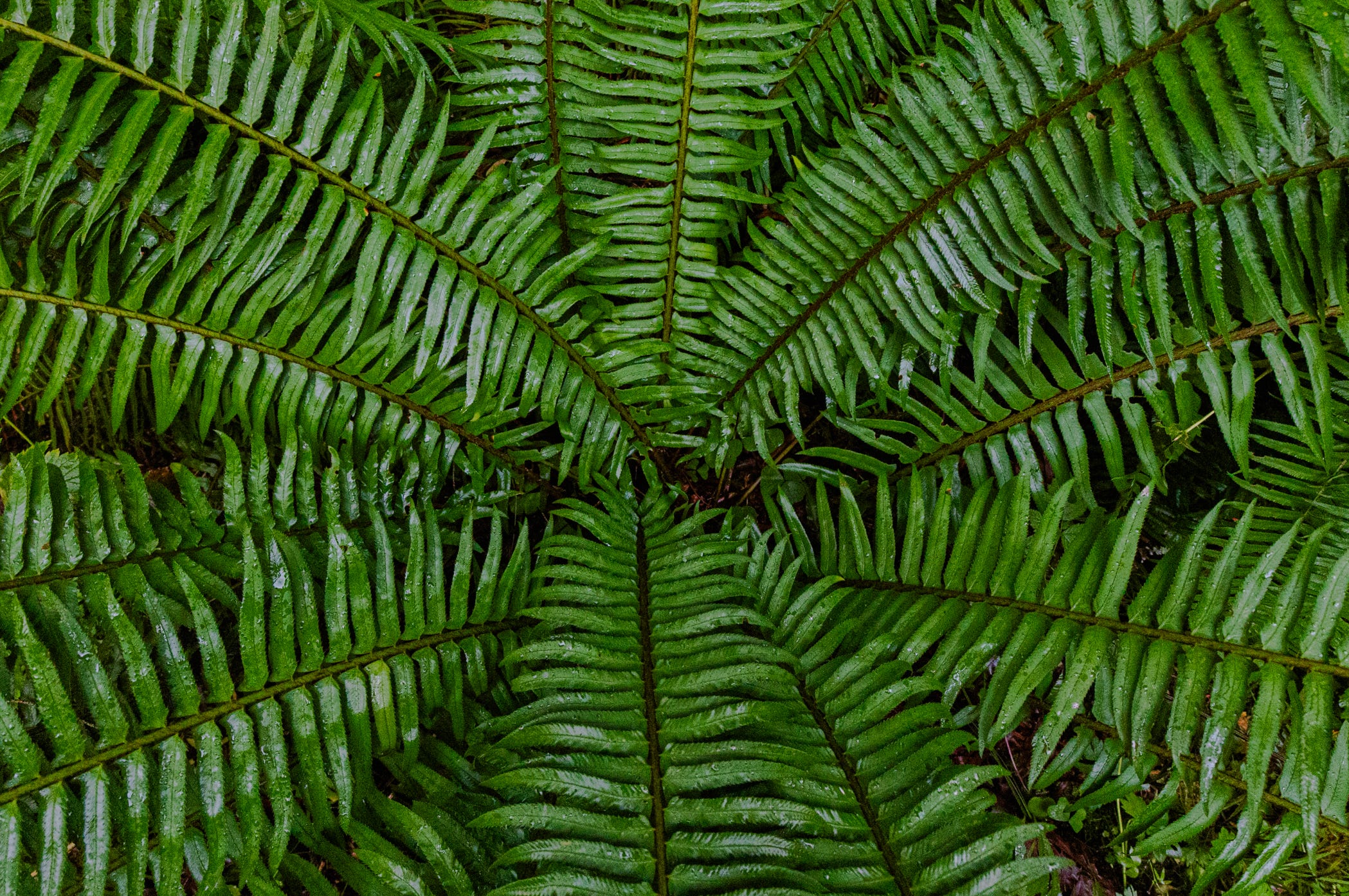
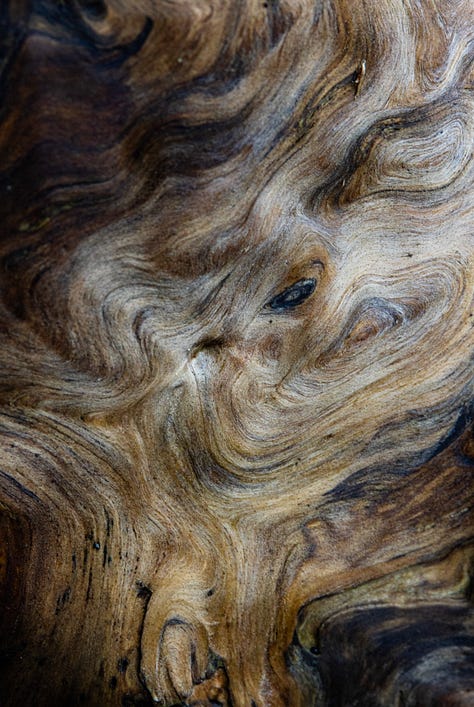
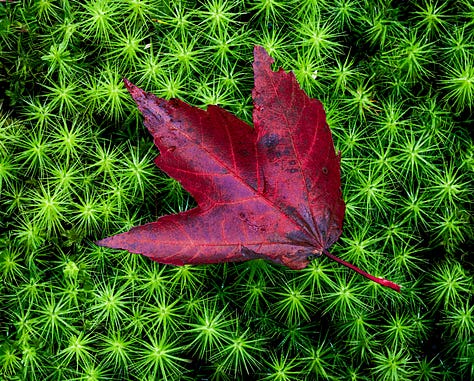
The typical definition of small (or intimate) landscape photography excludes skies and horizons from the frame and instead concentrates on the smaller, often overlooked scenes. Rather than trying to capture an entire valley, coastline, or mountain range under a dramatic sky, you narrow your attention to more contained subjects: a collection of wave‑worn rocks scattered across wet sand, a tangle of seagrass and driftwood left behind by the tide, delicate patterns in cracked mud or wind‑shaped sand, the richly textured bark and mushrooms on a rotting fallen tree, low ground cover weaving a tapestry of shapes and colors, or a handful of trees whose trunks and branches form a pleasing rhythm. Each of these subjects might occupy only a tiny fraction of the wider landscape, yet when carefully framed, they stand on their own as complete compositions, self‑contained “worlds” with their own structure, balance, and mood.
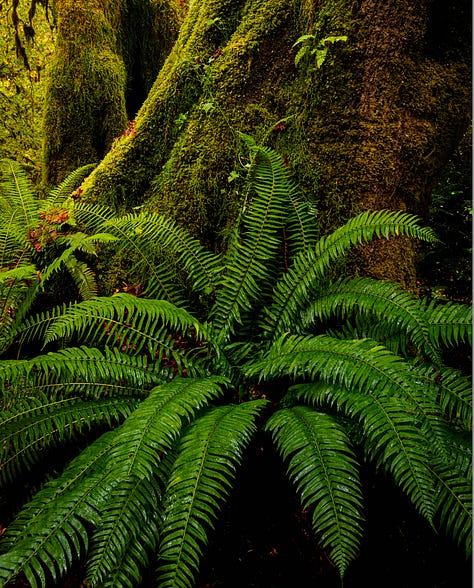
Some photographers insist that these scenes must be physically close. In that strict sense, intimacy is tied to proximity: you’re working with subjects that are practically at your feet or within arm’s reach. You might be kneeling in the sand arranging your frame around a swirl of shells and pebbles, or crouching low to isolate a single fern among fallen leaves.
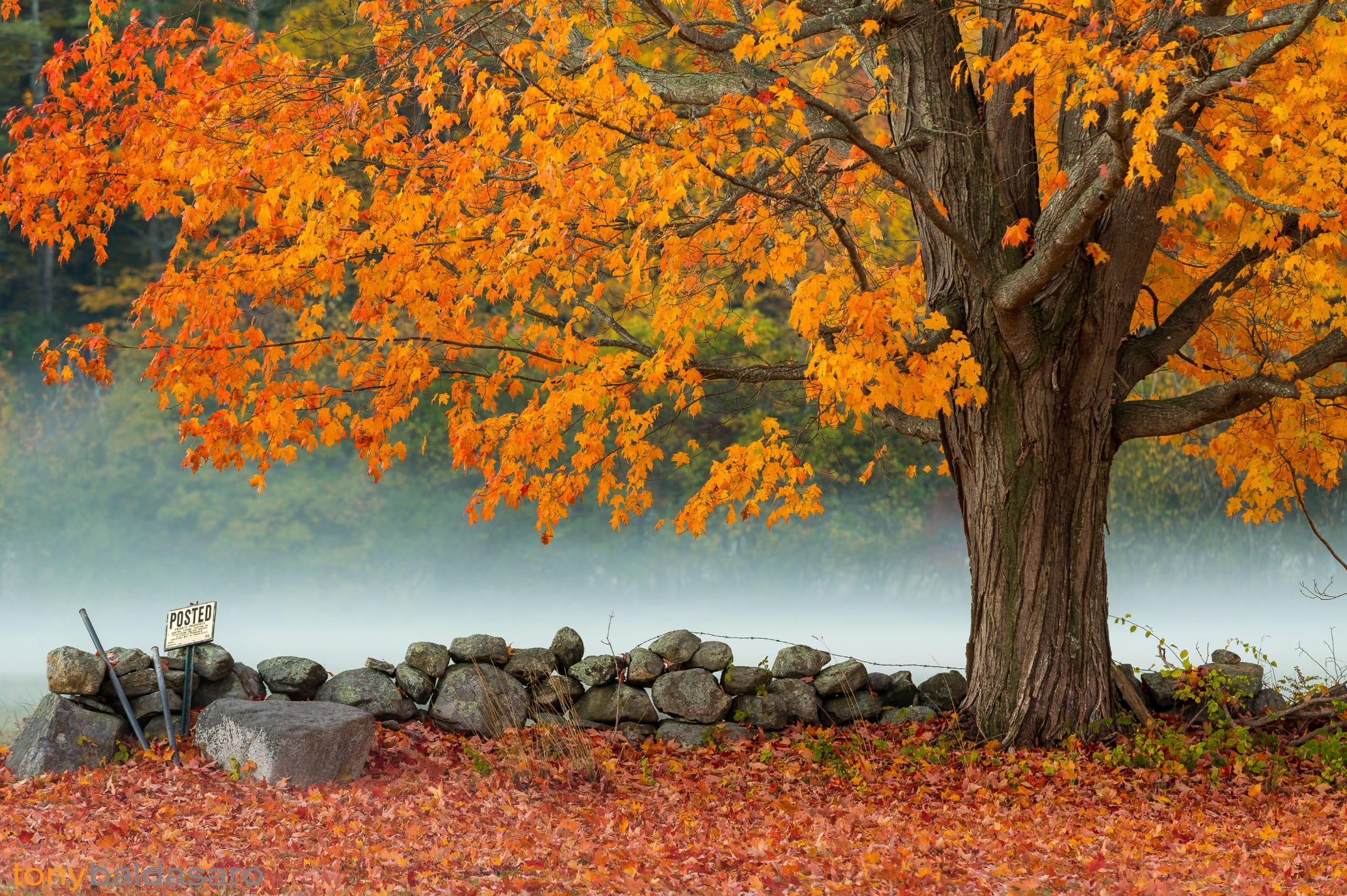
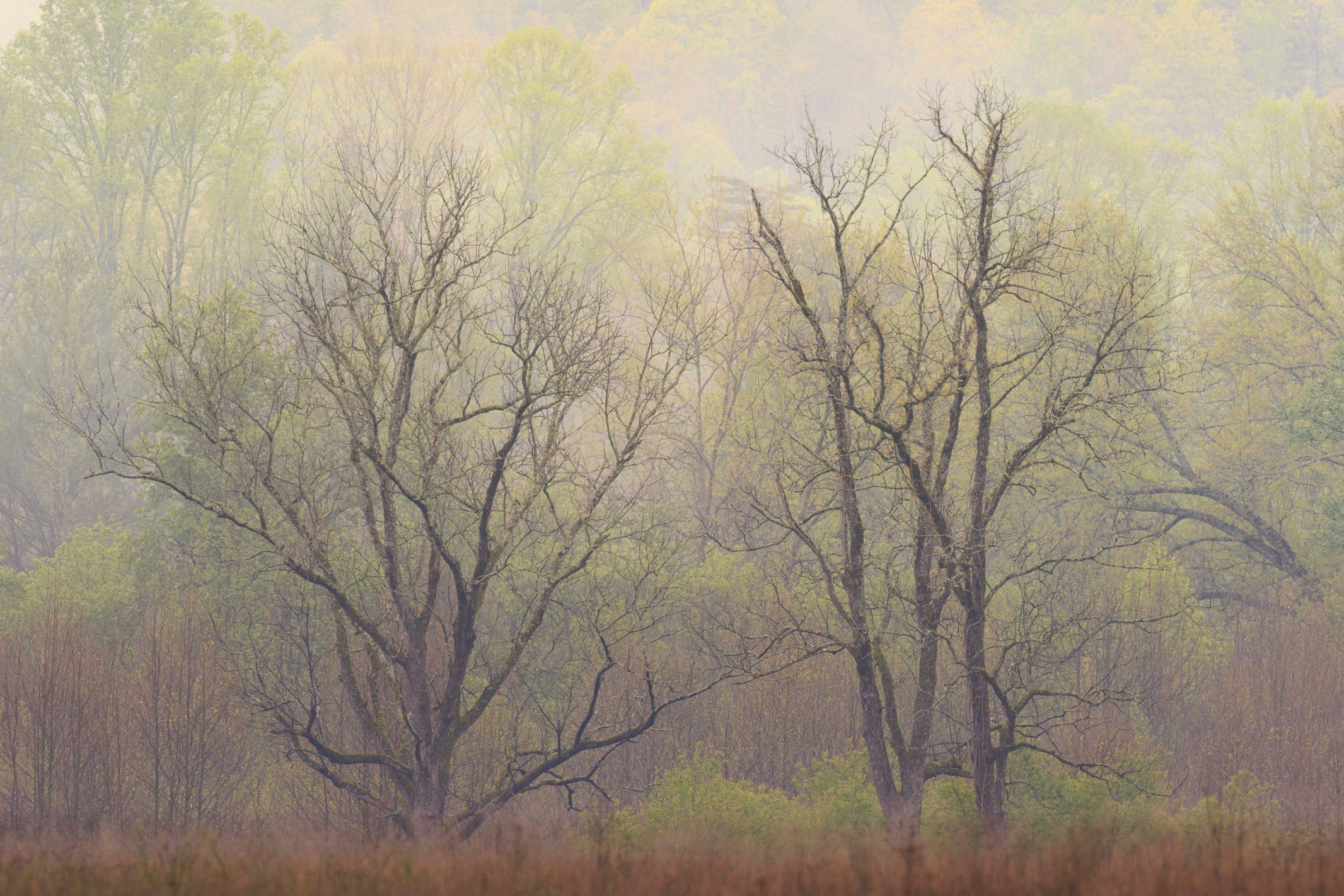
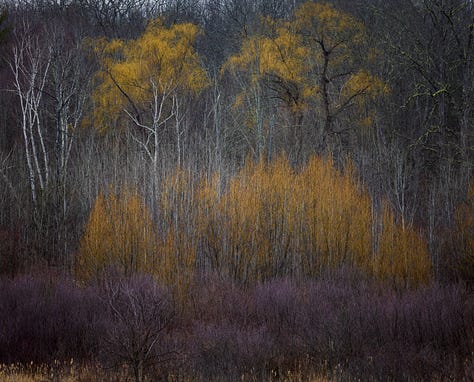
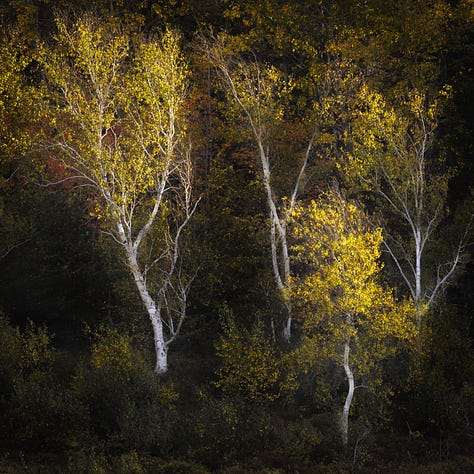
My own interpretation is broader. I include scenes that may be physically distant but can still be made to feel intimate through careful framing and lens choice. Imagine a bright patch of autumn foliage on the far side of a river, a staggered line of aspens on a distant hillside, or a cluster of trees half a mile away standing out against a darker forest. With a telephoto or longer focal length, you can “reach into” that distant landscape, compress the space, and carve out a small, visually coherent slice from the larger view. By excluding the surrounding clutter and sky, you transform what was once just a minor detail in a grand vista into the entire subject of the photograph. The resulting image can feel just as intimate and focused as one shot from a few feet away. In this way, intimacy becomes less about how close you are and more about how selectively you see, isolate, and present the scene.
Regardless of whether your chosen subject is near or far, a defining feature of intimate landscapes is that they do not depend on the sky. The sky is either completely excluded from the frame or reduced to a minor, non‑critical presence. The success of the image does not hinge on dramatic clouds, explosive color at sunrise or sunset, or a striking horizon line. Instead, the composition is built primarily from what lies below eye level: textures on the ground, patterns in vegetation, the interplay of shapes and tones in rock, water, bark, or foliage, and the visual relationships between elements arranged across the frame.
This is not to say that atmospheric conditions are unimportant. On the contrary, they can exert a powerful influence on how your intimate scenes look and feel. The quality and direction of light, atmospheric conditions like fog and mist, and precipitation can significantly shape an image, but they do so through their effect on light and very localized conditions. Unlike traditional grand landscapes, where much of the visual drama often comes from what’s happening overhead, intimate scenes remain grounded in the immediate subject.
This distinction has profound practical consequences for you as a photographer. Because your compositions do not depend on the appearance of the sky, you are no longer at the mercy of the most uncontrollable aspect of the landscape: cloud formations, sunset color, storm breaks, and so on. Clear, empty blue sky? It may ruin a sweeping vista, but it doesn’t matter at all if you’re pointing your camera toward a shaded forest floor or a rock face. A solid blanket of featureless grey clouds? While that often makes wide, horizon‑based images feel flat and lifeless, it can provide nearly perfect soft light for photographing subtle textures and patterns. Dreary, drizzly weather that might send many photographers back to their cars can actually be ideal for intimate work, as the rain enriches colors and the subdued light reduces glare and contrast.
Because intimate scenes are most often photographed with the camera pointed level or downward, the sky simply doesn’t enter the frame unless you deliberately choose to include it. Your attention is directed to what is immediately in front of you and beneath you: the arrangement of shapes, lines, and colors; the interplay of light and shadow across surfaces; the relationships between foreground and background elements within that small frame. This focus allows you to spend more time refining composition, exploring variations, and truly seeing the details of your environment rather than waiting passively for the sky to “do something interesting.”
There is also a significant benefit in terms of time and opportunity. By removing the sky—and its fickle moods—as a deciding factor, you extend your usable shooting hours, increase the number viable shooting days, and gain a sense of independence from being so bound to needing an “ideal” sky.
In essence, small or intimate scene landscape photography is about redirecting your attention from the dramatic and distant to the subtle and immediate. By deliberately excluding the sky and horizon, you free yourself from relying on grand spectacle and instead embrace the quieter narratives written in texture, pattern, color, and form at your feet. The reward is not only a different kind of photograph, but a more flexible, resilient way of working, one that thrives under a much wider range of conditions and invites you to see richness and possibility in even the most ordinary corner of the natural world.
Thanks for reading Chasing Moments: A Guide to Better Nature Photography! This post is public so feel free to share it.
From time to time, I like to golf. I used to play a lot. Then I had children, and like many hobbies, golf shifted down the priority list. These days I’m lucky if I manage to get out on the course one to three times a summer, and usually that’s when my son invites me along. He’s already much better than I ever was, which is simultaneously humbling and a lot of fun to watch.
One of my ongoing pet peeves, though, is how some courses design their par 3 holes. For those who may not be familiar with golf, a “par 3” is one of the shortest types of holes on a course. The “3” refers to the number of strokes a golfer is expected to take to get the ball from the tee into the hole. Par 3s typically range from 125 yards to 200 yards in length.
A 200-yard par 3 is no joke for the average amateur golfer. Most recreational players simply don’t have the precision from that distance to reliably hit the green, let alone get close enough for an easy putt.
What I really appreciate is when a course gives each of its four par 3s a distinct character, especially in terms of yardage. Ideally, I love to see a spread: maybe one hole around 125 yards, another closer to 150, one around 170, and one pushing 200 yards. With that kind of variety, I’m forced to reach for different clubs and think about different types of shots.
Unfortunately, some courses design their par 3s to all sit in the same general range, all four holes between 150 and 170 yards. In practice, it feels like I’m hitting the same shot over and over again. Same club, same type of swing, same basic decision-making. It removes a layer of creativity and challenge. I’ve invested in a full set of clubs, I want to use the whole bag, not just the same two clubs on every short hole.
That desire to use all the tools at my disposal in golf is very similar to how I feel about landscape photography.
When I first started photographing landscapes, my approach was almost completely formulaic. My kit was simple and predictable: one camera, one wide-angle lens, tripod, ISO 100, aperture f/16, and whatever shutter speed the conditions required. That combination is a classic for a reason: wide-angle lenses and small apertures are great for capturing sweeping vistas with everything in focus from the foreground to the horizon.
And to be clear, I still work this way when I want that grand, expansive view. There is a reason this method has stood the test of time. When it works, it creates powerful, immersive images that really draw the viewer into the scene.
But just as playing four nearly identical 160-yard par 3s can start to feel monotonous, shooting wide-angle landscapes all the time began to feel repetitive. The images were often technically solid and visually pleasing, yet I felt like I was repeating the same “shot” in a different location. I wasn’t always stretching myself creatively. I knew my “wide-angle formula” so well that it became a comfortable habit, reliable, but not always exciting.
As my landscape work evolved, I began asking, “What smaller stories are hiding inside this view?” Rocks, tree branches, distant ridgelines, patterns of light on a hillside, reflections in a stream. These details started catching my eye. I realized that the broader landscape is really a collection of countless small scenes layered together.
That’s when it dawned on me that my wide-angle lens, while perfect for sweeping views, was often the wrong tool when my interest shifted to those more intimate elements. If I tried to capture a small portion of the scene with a wide lens, I ended up including too much unnecessary background. The main subject would get lost in the clutter of everything else in the frame.
So I began reaching more often for my medium and telephoto lenses. These lenses do two very important things for landscape work, they isolate subjects and they compress distance.
Telephoto lenses visually “flatten” a scene, making objects that are far apart appear closer together. This compression can create powerful relationships between elements: a mountain that looks small and distant with a wide angle suddenly looms large behind a foreground tree when seen through a longer lens. Layers of hills or waves stack up more densely, creating a sense of rhythm and repetition that feels very different from the wide-angle look.
This shift, from always shooting wide to embracing medium and long focal lengths, completely changed how I approached landscapes. Instead of only chasing the big, postcard-like vistas, I started hunting for smaller, more intimate compositions buried within them. A patch of light breaking through clouds and illuminating just one section of a valley. A single line of color cutting across a hillside. The interplay of shapes and textures that only becomes obvious when you zoom in.
The resulting images often felt more personal and nuanced. They were still rooted in the larger landscape, but each frame told a more focused story. The compositions became simpler in terms of what they included, yet more intricate in their detail and structure. That complexity was far more satisfying creatively.
In the same way a well-designed golf course encourages you to use every club in your bag, a thoughtful approach to landscape photography invites you to use every tool in your camera bag. Wide angles, mid-range zooms, telephotos, different apertures, varied shutter speeds, and ISO choices, each brings its own strengths and its own way of interpreting a scene
.
In 2017 I joined a group of photographers on a trip to Bass Harbor Head Lighthouse, just outside Acadia National Park in Maine. If you’ve never been, it’s one of those places that feels like it was designed specifically for postcards and calendars. The lighthouse itself sits high its white walls standing in stark contrast to the dark, jagged shoreline below. Dense evergreens frame the structure from behind, and the whole scene looks out over the open waters of the Gulf of Maine, where swells roll in and smash dramatically against the rocks.
It’s a quintessential New England lighthouse scene, iconic enough that it appears on countless tourism brochures and “must-see” lists. For landscape photographers, it’s about as classic a subject as you can find on the East Coast. Everyone wants that shot: the lighthouse perched above the surf, rocks leading your eye into the frame, glowing sunset sky behind. It’s one of those places people talk about as a “bucket list” location, somewhere you go specifically to come home with that one image already formed in your mind.
There’s a catch, though: Bass Harbor has essentially one primary composition that almost everyone ends up shooting. From a limited patch of rock, the angle to the lighthouse is more or less fixed. Move too far left and the lighthouse disappears behind trees; too far right and you lose the dramatic layering of rocks in the foreground. As a result, most photographers compress into this narrow, crowded area and point their cameras in exactly the same direction.
That’s where we found ourselves jostling politely for space on that tiny slice of shoreline. We arrived well before sunset to claim our spots, and then we waited. Tripods were carefully planted, legs spread at cautious angles to maintain balance on the sloping rock.
Looking around, the scene was almost comical in its uniformity. Nearly everyone had a wide-angle lens mounted because that’s what the “Bass Harbor shot” demands: a wide field of view to include the rocks, the lighthouse, and the sky all in one frame. I’m sure most of us were shooting similar as similar ISOs, shutter speeds, and apertures.
We were all, quite literally, lined up to make identical photographs. Different camera brands, slightly different focal lengths, minor differences in framing or timing, but fundamentally, it was one composition, repeated over and over.
Almost no one reached into their bag for a longer lens. I don’t recall seeing many 70–200mm or 100–400mm lenses appear. No one seemed to be stepping back from their tripod and asking, “What if I ignore the classic composition and look for something else?” We were collectively locked into the wide-angle mindset: lighthouse plus rocks plus sunset equals success.
When the sun finally dipped toward the horizon and the sky bloomed with color, shutters chattered in near unison. Within a few minutes, the best light faded, people began folding tripods, and the small crowd slowly picked its way back up the rocks toward the parking lot. There was the usual buzz of satisfaction, you could almost hear the mental checkmarks being made: “Bass Harbor Lighthouse: photographed.”
But, while each of us technically “got the shot,” none of us really got our own shot. We didn’t interpret the scene; we simply reproduced the well-known version of it. We placed our tripod feet more or less where yesterday’s photographer had placed theirs, used nearly the same gear setup, and made nearly the same photograph.
That experience has stuck with me because it so clearly illustrates a paradox in landscape photography: by narrowing what you see through the lens, you actually expand your creative possibilities.
On the surface, a longer lens feels like it should be more limiting. After all, a telephoto field of view shows you less of the world at once. But that limitation is precisely what forces you to look more carefully, to make conscious choices about what to include and what to exclude.
At Bass Harbor, we had fallen into the mental trap of thinking “famous scene = wide angle.” We never seriously considered tightening our perspective and searching for alternative stories within that landscape. A telephoto lens there could have turned a crowded, one-dimensional shooting experience into a personal exploration of form, light, and motion.
So while the classic wide-angle shot has its place it’s worth remembering that some of your best, most original work may come from resisting the urge to copy the standard composition. The next time you find yourself at a well-known location, pull out your zoom or telephoto lens and deliberately start searching for smaller scenes: details in the rocks, slices of shoreline, fragments of architecture, or subtle interactions of light and shadow.
By narrowing your field of view, you open up your creativity. Instead of being boxed into the one “everyone’s seen it” photograph, you suddenly have an entire menu of compositions to explore. Your images become less about repeating what the location is supposed to look like, and more about what you notice and choose to emphasize.
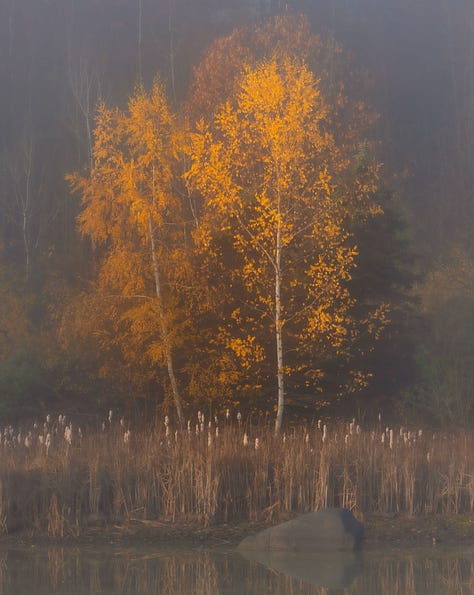
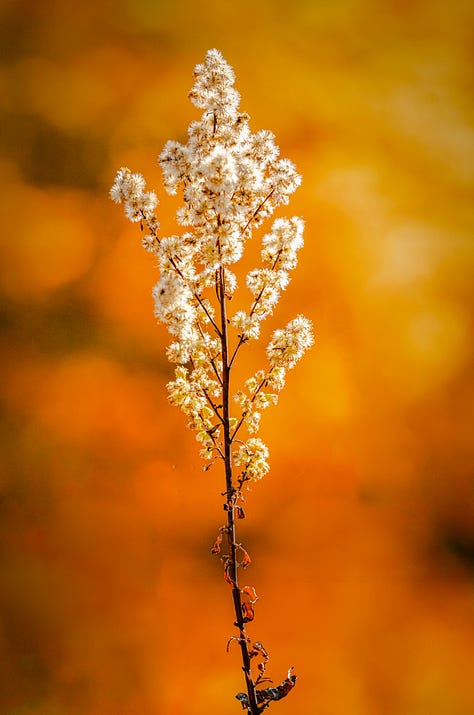
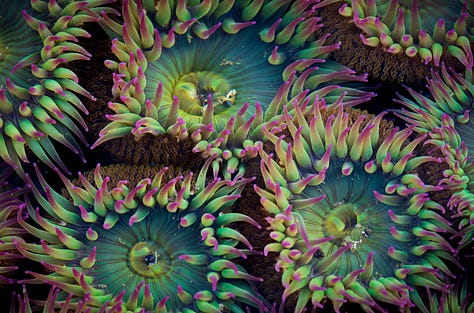
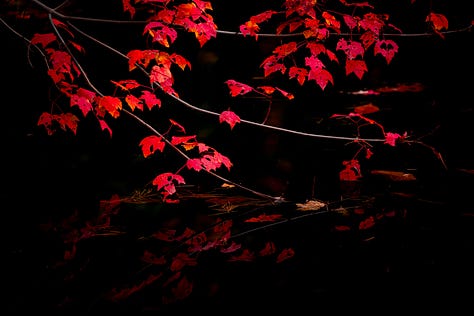
Some of my favorite “Small Scene” images
From the Archive
Chasing Moments: Lessons from Fatherhood
Chasing Moments: The Near Miss
Chasing Moments: An Abundance Mindset
Comments
Nothing yet. Say the first thing.
Sign in to join the conversation.