
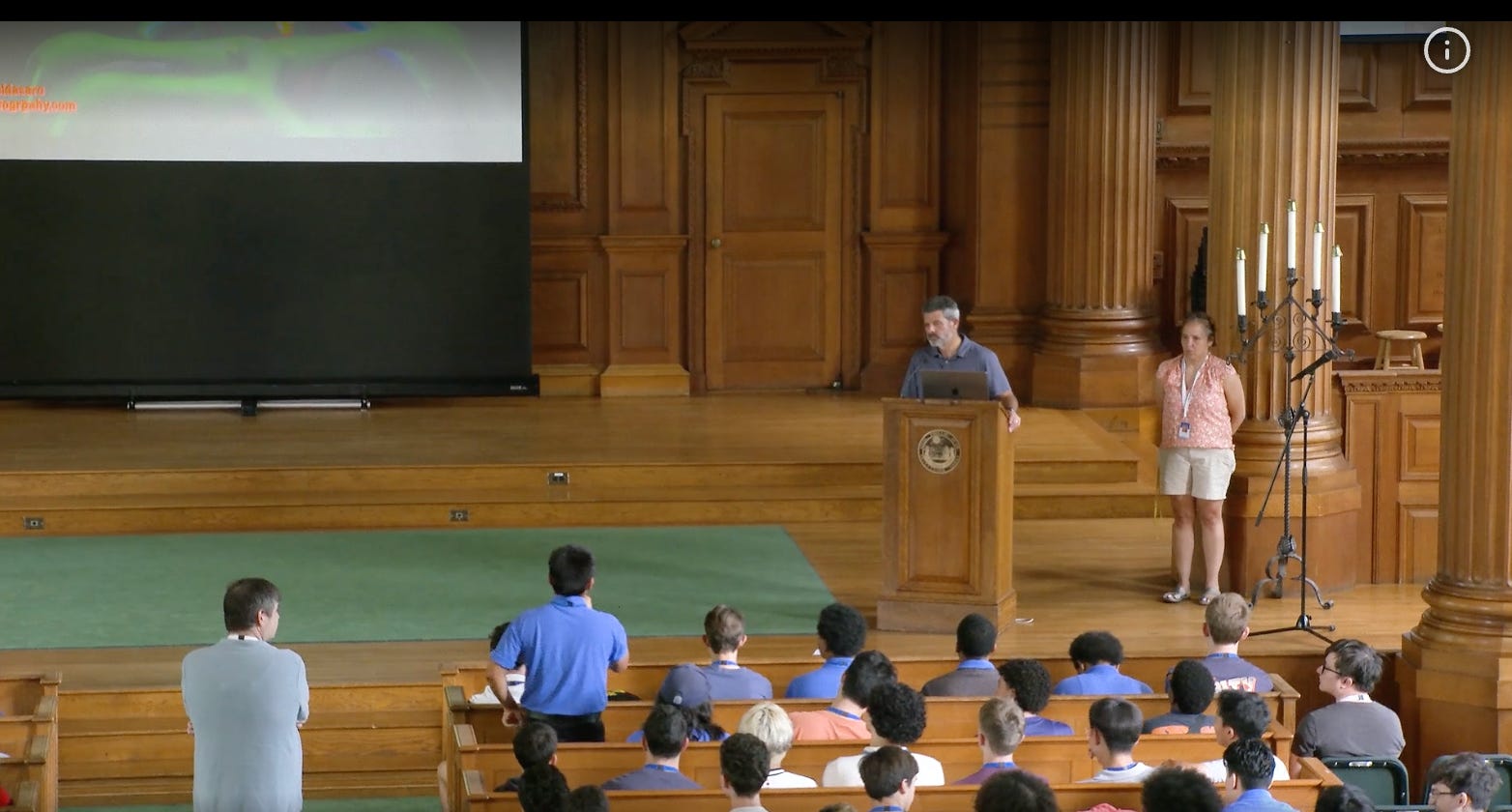
Earlier this month, I had the opportunity to speak to several hundred summer students at Phillips Academy Andover in Andover, MA. These students came from around the world and reflected a wide range of ethnic and economic backgrounds. They were just beginning their first week of the summer program, and I was honored to be their first speaker of the season.
The central theme of my talk was the practice of being present, how I embrace that mindset with my photography, and how they might apply the same approach to their summer at Andover. The talk expanded on my TEDx talk I gave the previous summer. Whereas my TEDx talk was limited to 10 minutes, this time I had about 45 minutes to share my stories and reflections.
Using my photographs and the stories behind them, I focused on the idea of cultivating an Abundance Mindset. (I’ve written about Abundance Mindset here, here and here.) I highlighted two key phrases, two mantras if you will, for the students to carry with them throughout the summer in trying to embrace an Abundance Mindset. Both grow out of the concept of a “Growth Mindset,” developed by Stanford psychologist Carol Dweck.
Below, I’d like to share a bit about what it means to be growth-minded in photography, and the two mantras that emerged from that mindset: “not yet” and “yes/and.”
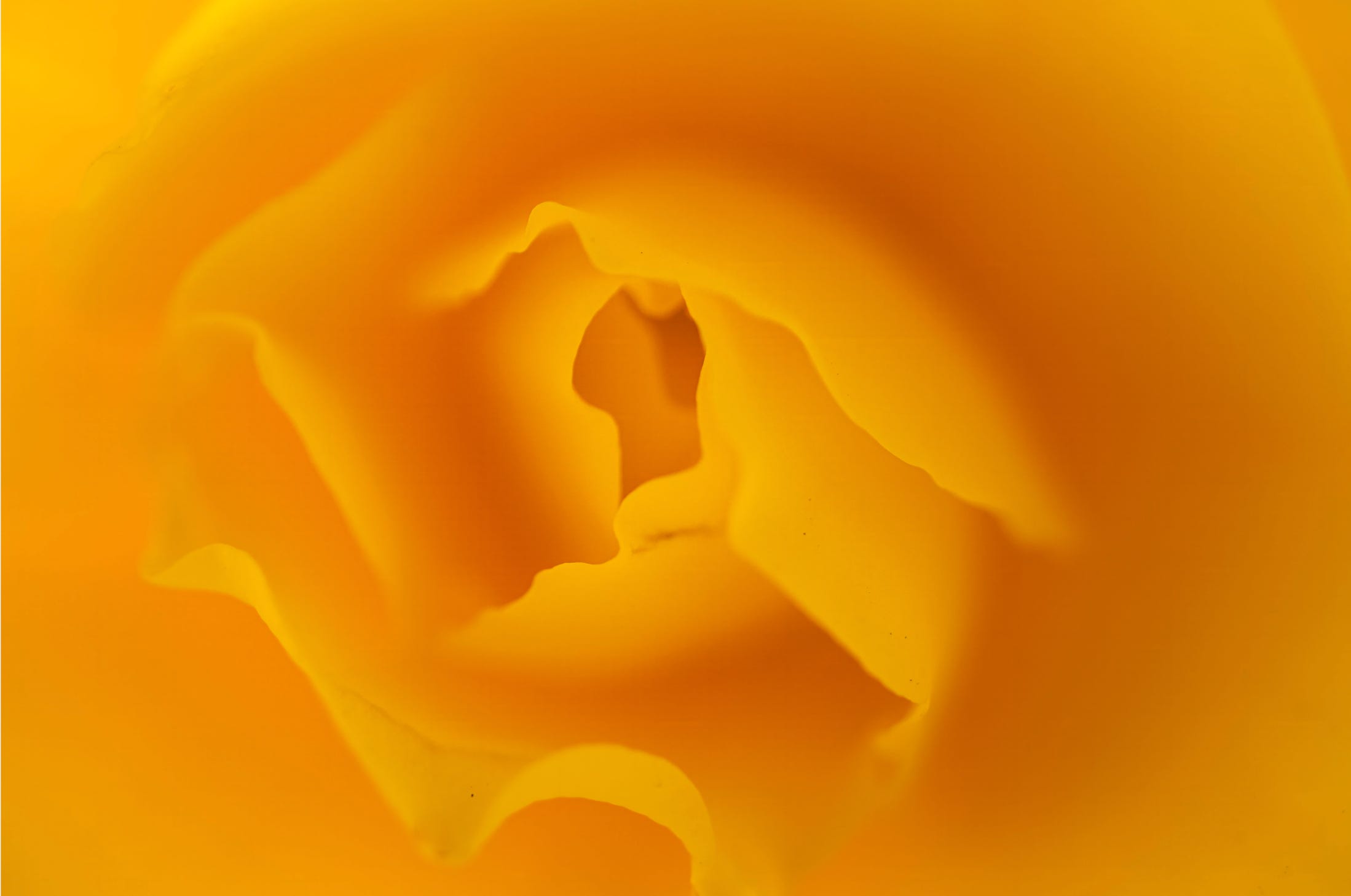
During my 30 years in public education, no idea proved more powerful than Carol Dweck’s work on cultivating a Growth Mindset. Growth mindset is the belief that your basic abilities and intelligence can be developed through dedication, hard work, and effective strategies, and that what looks like “failure” is actually an opportunity to learn and improve.
Put more simply, growth mindset is grounded in the belief that everyone can learn. For educators, that may be the single most important conviction we hold. From the moment we walk into a school, we must believe that every child in that building can improve a skill, strategy, or practice. Period. Full stop.
How we support each student in that growth is what makes teaching both demanding and extraordinary. To step into a classroom of 25 students convinced that every one of them can learn, and then to discover the 25 different “recipes” needed to help them do so is daunting work, and also what makes the profession so rewarding.
I can’t claim that my practice always lived up to the ideal of growth mindedness; I can think of decisions early in my career that fell short. But over time, the belief that everyone can improve became the foundation of everything I did.
Today, as a professional photographer, I carry that belief with me. It shapes how I speak to audiences, deliver TEDx talks, work with private clients, and lead workshops and conferences. Most importantly, I apply it to myself. I believe that the more I write, the better a writer I become. The more I study photography, by reading, watching, and practicing, the stronger my images will be. The more I present to groups, the more skillful a speaker I will become.
Being growth minded is fundamental to being human. Whether in math class, sales, marketing, parenting, being a better partner, or practicing photography, we all have the capacity to keep learning and to continually improve our craft.
Thanks for reading Chasing Moments: A Guide to Better Nature Photography! This post is public so feel free to share it.
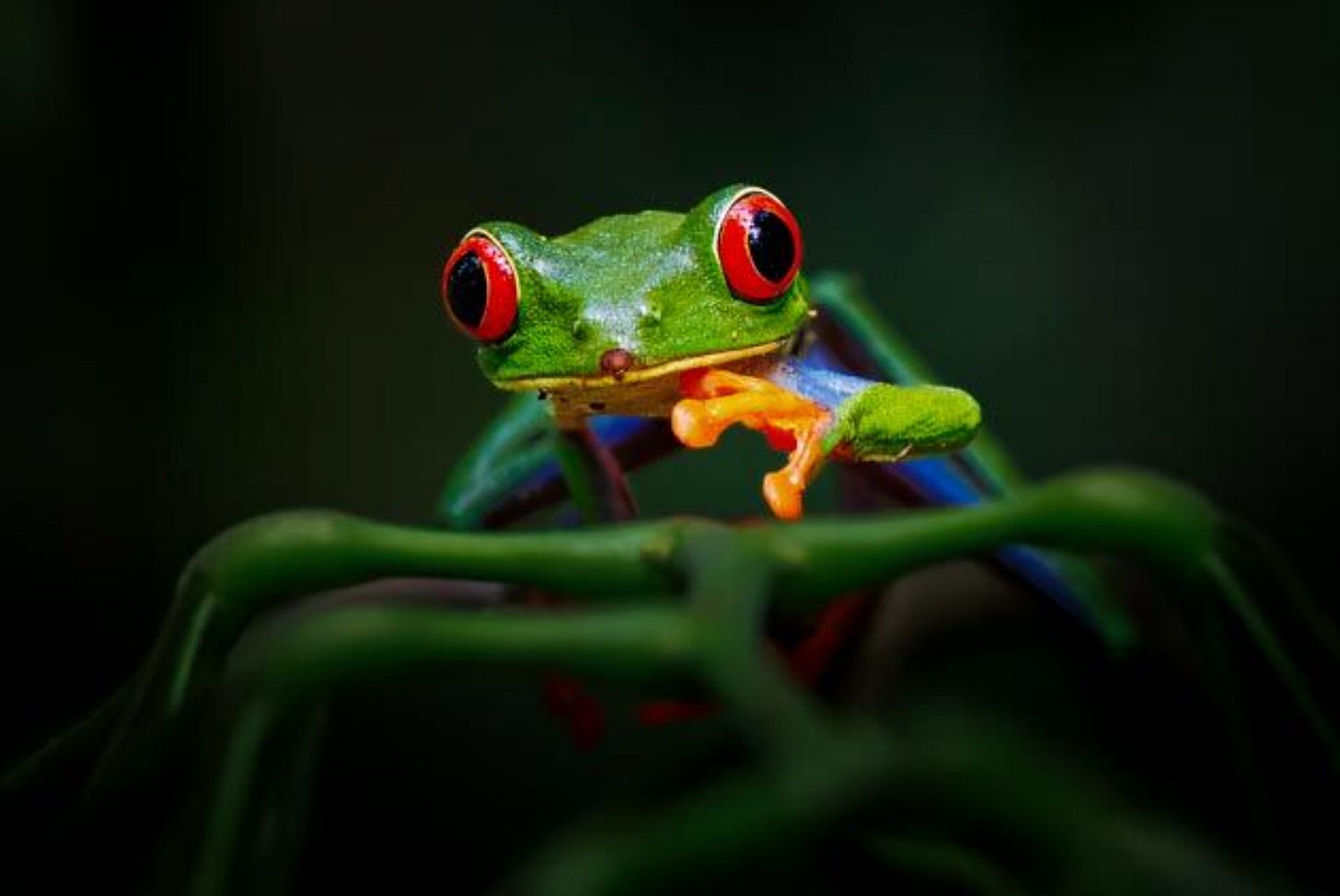
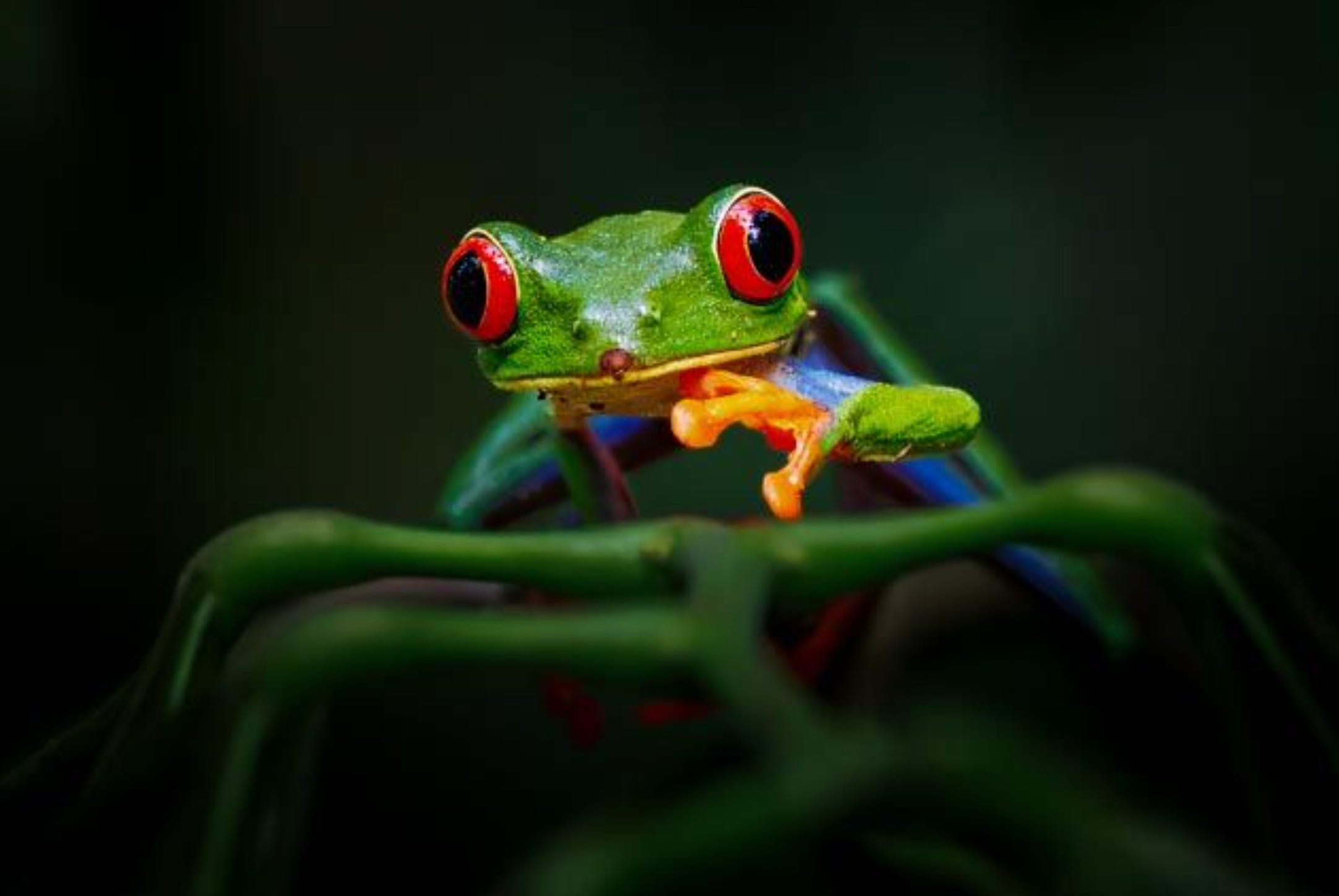
Five years ago, if someone asked me if I had been to Costa Rica to photograph the Red-tree Frogs, my answer would have been, “No… Not yet”. Two of the most powerful words to emerge from Dweck’s work are incredibly short and simple on their own, but together they reveal a great deal about a person’s mindset: “not yet.”
On the surface, it’s an almost throwaway phrase. But “not yet” quietly signals that learning is a process, that growth is something in motion rather than fixed in place. It suggests that where you are right now is only a snapshot, not the final image.
Take a question many photographers hear:
“Have you ever photographed [insert location / wildlife / event / subject here]?”
There are countless ways to respond, but for this discussion, let’s focus on two:
“No.”
“No, not yet.”
The difference between those answers is subtle in sound and massive in meaning.
“No” is a period at the end of a sentence. It’s definitive and closed. It simply describes the present moment and, intentionally or not, can imply that the situation is unlikely to change: I haven’t done that, and that’s the end of the story.
“No, not yet,” on the other hand, is more like a comma. It acknowledges the present reality, you haven’t photographed that subject or been to that location, but it leaves the door wide open for the future. There’s motion and potential built into those two extra words. “Not yet” carries a quiet confidence that growth is possible and that circumstances can change.
When a photographer says, “No, not yet,” a few important things are implied:
There’s openness to learning. Maybe they don’t yet have the technical skills required, low-light work, fast action, underwater housing, extreme weather gear, but they believe those skills can be developed.
Resources are seen as temporary limitations, not permanent barriers. Perhaps they can’t afford the trip right now or don’t own the right lens, but “not yet” suggests they see those as challenges to navigate, not walls they’ll never get past.
The future is part of the conversation. “Not yet” hints at intention, at curiosity. It suggests they can imagine themselves, at some point, standing in that place or working with that subject, camera in hand.
Identity is not fixed. They’re not labeling themselves as “the kind of photographer who doesn’t do that.” Instead, they’re leaving room for their creative identity to expand.
In other words, “no” is static; “no, not yet” is dynamic.
That tiny phrase reflects the heart of a growth mindset. It reframes absence of experience or skill as a moment in time rather than a permanent condition. “Not yet” says: I’m on my way. I’m still building. I’m capable of getting there, even if I’m not there today.
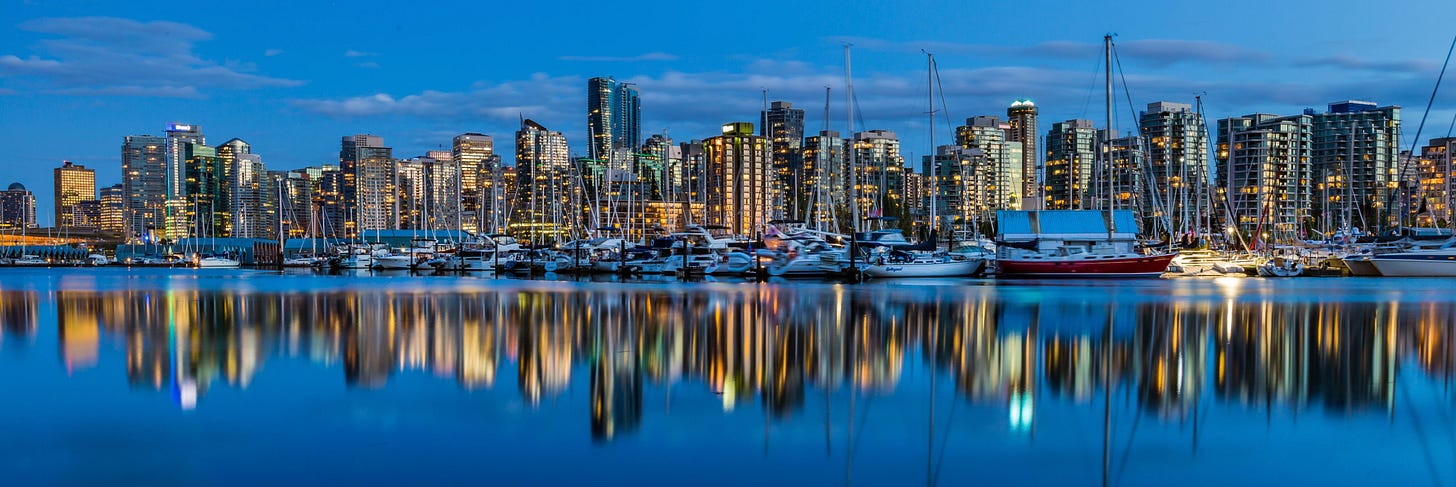
“Not yet” naturally leads to a companion idea that has become just as important in my own life: the power of “yes/and.” This phrase doesn’t come from Dweck’s research, it’s my own extension of growth mindset, but it grows from the same roots.
When I was considering a transition from public education to full‑time nature photography, I kept hearing the same piece of advice: you have to pick a lane.
I was told I needed to define my genre very clearly if I wanted to “build a following” and offer consistent value to an audience. The message was direct: Are you a landscape photographer? A wildlife photographer? A bird photographer? or a macro photographer?
The implication was that people wouldn’t connect with someone who photographed “too many” different subjects. To be taken seriously, I’d need a specialty, a narrow label.
At first, I tried to follow that script. I thought, maybe I’ll commit myself exclusively to landscape photography. Wide vistas. Open plains. Seaside sunrises and sunsets. It sounded wonderful, until I realized what that choice would cost me. The idea of leaving birds behind, of walking past a warbler in perfect light because I had decided I was “no longer a bird photographer,” felt genuinely depressing.
So I flipped it. Maybe I would brand myself solely as a bird photographer. I imagined the joy of tracking migrations, studying behavior, learning calls and songs. But again, something felt off. There are too many extraordinary scenes that have nothing to do with birds, misty forests, windswept dunes, intimate macro details, quiet reflections on a still pond. The thought of ignoring those opportunities simply because they didn’t fit a narrow label felt equally wrong.
This is where “not yet” and “yes/and” start to intersect.
Embedded in “not yet” is the belief that identities are not fixed. You don’t have to lock yourself into one permanent category: “I’m this kind of photographer, and not that.” Instead, you leave room for who you are, and what you do, to expand over time.
“Yes/and” takes that flexibility and turns it into an active stance.
Instead of:
“Are you a landscape photographer?”
“No, I’m a bird photographer.”
You get:
“Are you a landscape photographer?”
“Yes—and I photograph birds, wildlife, flowers, insects, and other natural scenes as well.”“Yes/and” refuses the tyranny of either/or. It honors the primary identity, yes, I’m a landscape photographer, and simultaneously makes space for the rest of what I love and do. With that mindset, I began to describe myself as a nature photographer, a term that comfortably includes all aspects of the natural world: grand landscapes, intimate wildlife moments, detailed macro work, and everything in between.
And the truth is, my photographic life has always been broader than any single label.
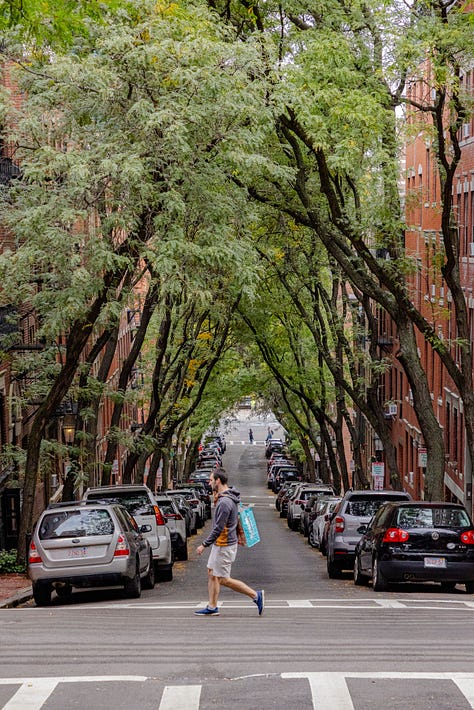
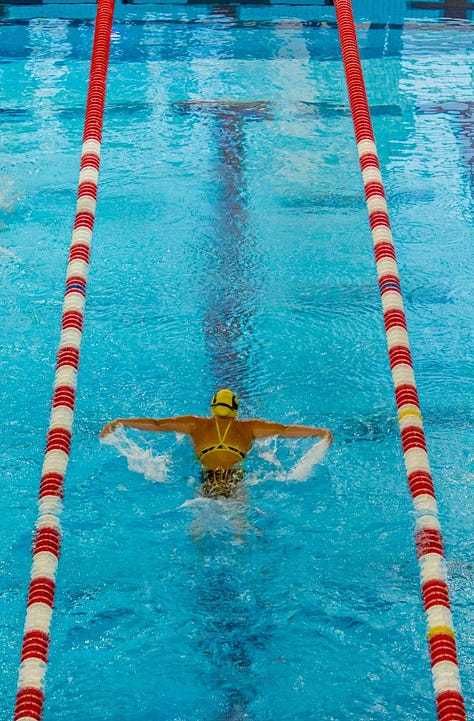
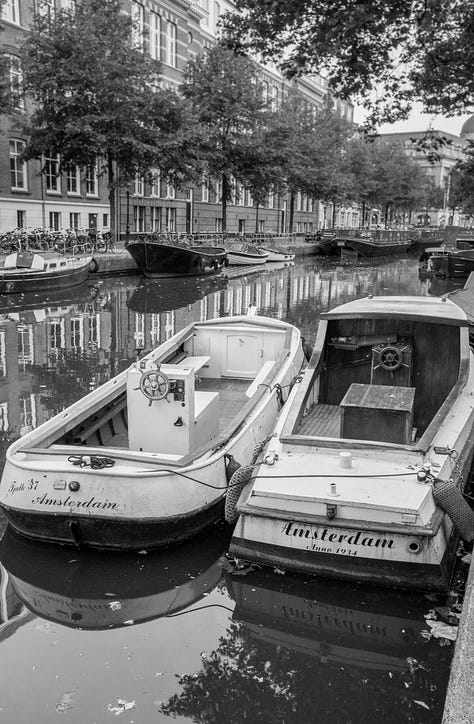
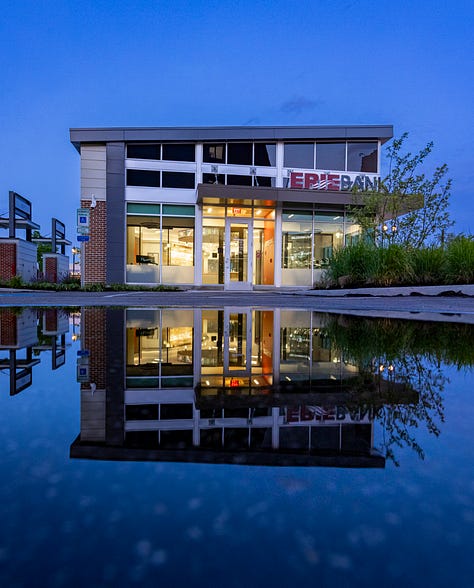
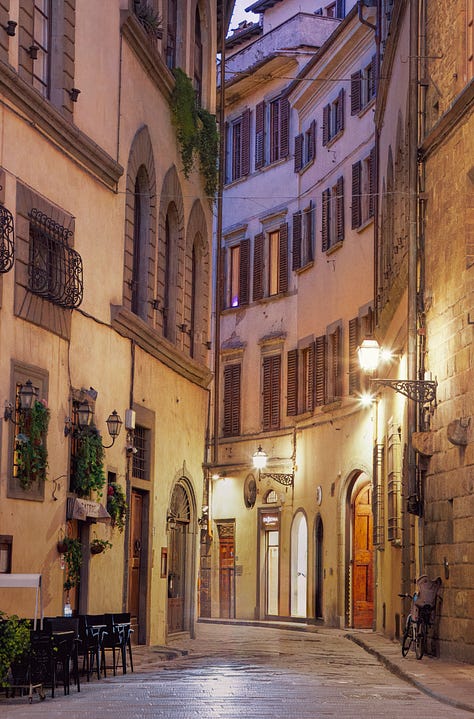
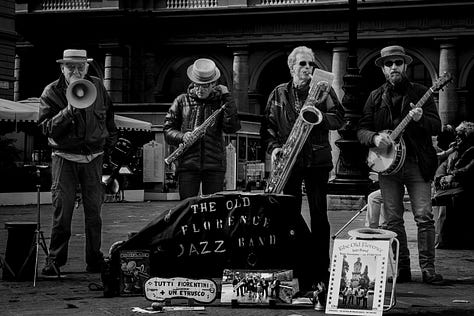
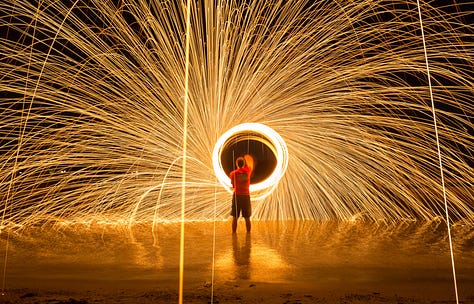
Over the years, I have photographed real estate, senior portraits, food, events and sports. Even now, while nature photography is my primary focus, I still: photograph architecture for a local design/build firm, create headshots for community members, take on occasional product and lifestyle assignments. Each genre brings its own technical demands, visual language, and creative challenges.
Much like a teacher standing in front of 25 students, each with a different “recipe” for learning, working across varied photographic genres keeps me from getting too comfortable. It pushes me to adapt, experiment, and stretch my skills beyond what I already know how to do well.
That is exactly what a growth mindset looks like in practice: choosing not to shrink yourself down to a simple label, but to keep expanding into new challenges.
A “yes/and” mindset lets me say:
Yes, I am a nature photographer—and I also draw on everything I’ve learned from portraits, architecture, and commercial work.
Yes, I have areas of expertise—and I’m still exploring, still adding new tools, still evolving.
Ultimately, “yes/and” helps me grow. It keeps my curiosity alive, prevents my identity from becoming a box, and continually stretches my photographic repertoire just beyond what feels easy. And in doing so, it makes me a stronger, more versatile, and more fully engaged photographer.
Thanks for reading Chasing Moments: A Guide to Better Nature Photography! This post is public so feel free to share it.

Some non-nature images from my collection


I had an incredible time photographing birds in Costa Rica. In case you missed those articles.
Chasing Moments: Costa Rica! - Part 1 of (what will be 4 articles) on photographing Costa Rica. There are two more coming this week!
Costa Rica Part 2 - A bit about the logistics of traveling to Costa Rica
Costa Rica Part 3: The Excursions - Where did I go?
Costa Rica Part 4: The Photography - Sharing more about my gear, techniques and strategies for photographing birds in Costa Rica
The Solo Pursuit of an Image - An article about photography, introversion, and loneliness.
Have a great week. See you next Monday.
Comments
Nothing yet. Say the first thing.
Sign in to join the conversation.