
When I was a kid, I was obsessed with a tv show called The Future is Wild.
In case you haven’t heard of it, this show was a Planet Earth-style nature series set 5 million, 100 million, and 200 million years in the future. With the aid of questionable CGI, it imagined the sorts of creatures that might evolve on our planet long after we are gone. There were fish that developed powered flight, octopi that swung through the trees, elephant-sized tortoises, and gannets that evolved to swim like whales. It sent my imagination into overdrive. For a ten-year-old who longed to learn about every animal past and present, it might as well have been cocaine.
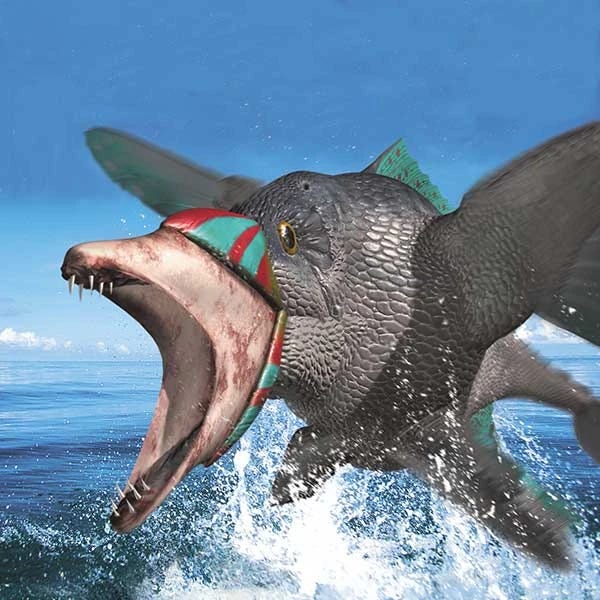
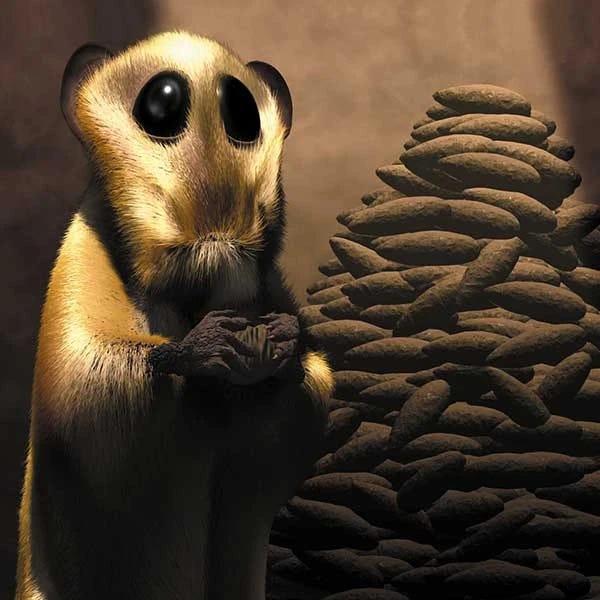
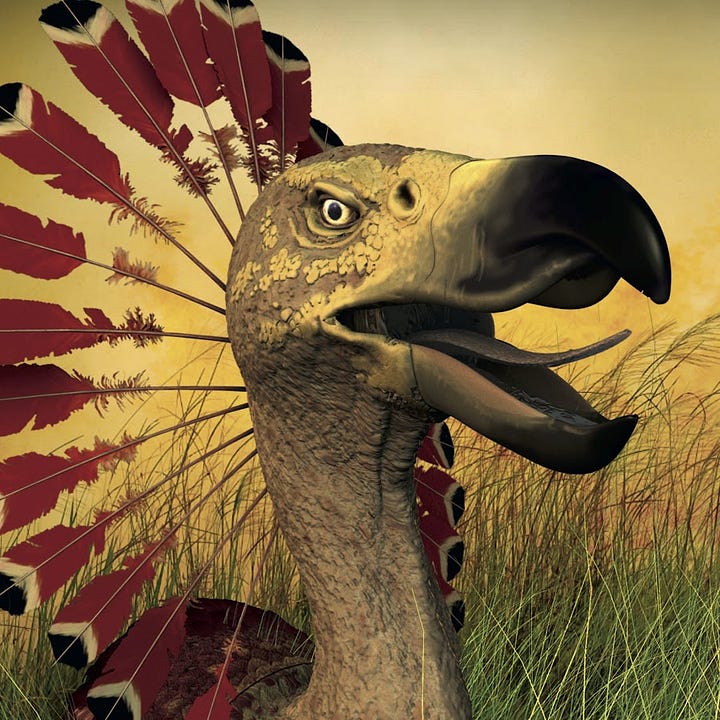
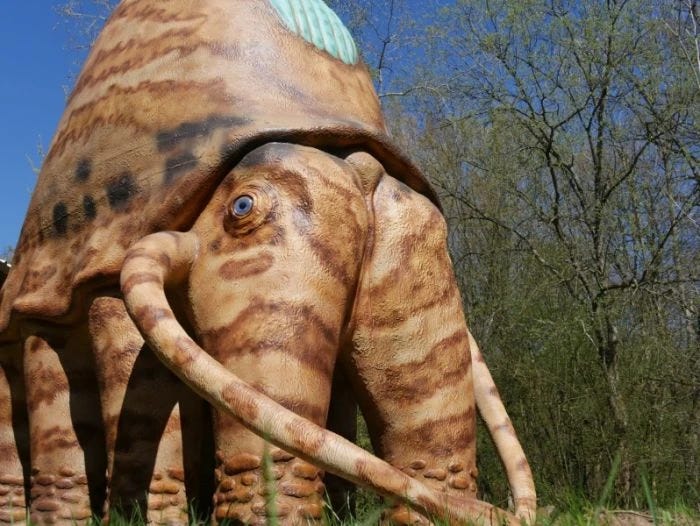
The Future is Wild, like other speculative evolution projects like After Man and All Yesterdays, are predicated on the idea that evolution is predictable. By looking at established evolutionary patterns, the show suggests, we can divine what might evolve in the future — maybe squid will end up on the evolutionary path that primates went on, for instance, or some crustaceans will evolve to be fish-like. It made for very fun television and was an effective way to teach viewers about evolution, but it was all just silly fun at the end of the day.
But perhaps such an approach may be more realistic than we might think. Because one time, a prominent entomologist predicted the existence of an animal that no one on earth thought existed.
And then scientists discovered it.
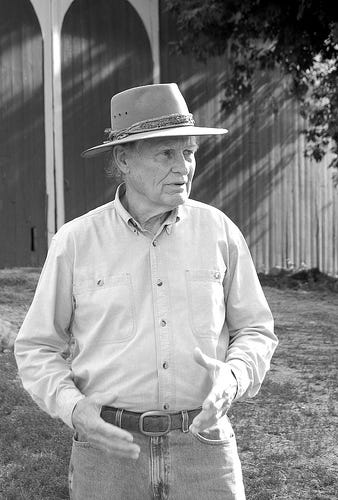
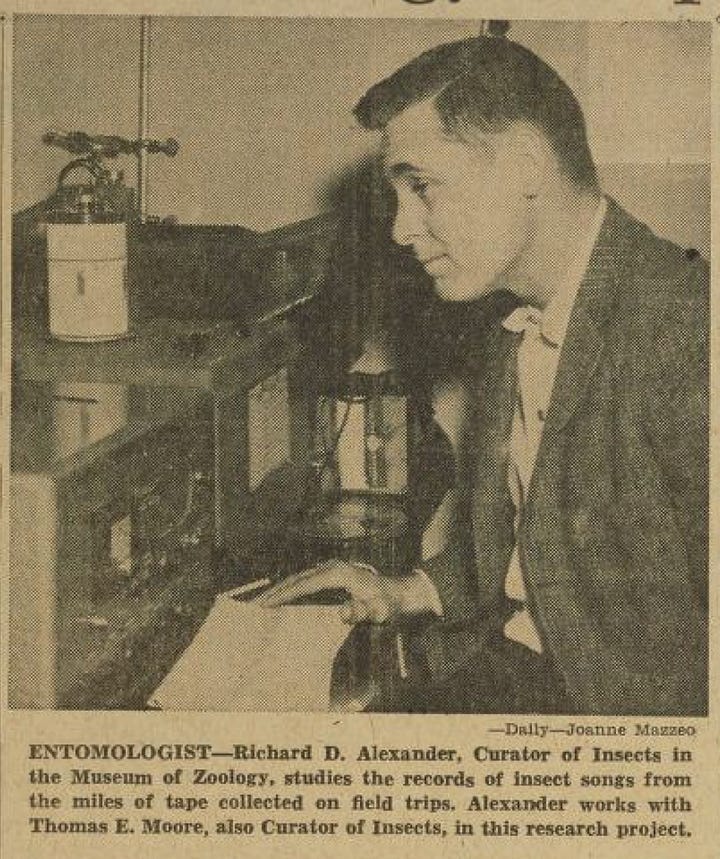
Richard D. Alexander was an evolutionary biologist who taught at the University of Michigan from 1957 until his retirement in 2000. Throughout his career he studied the ecology and evolution of everything from crickets to horses to humans. Few biologists have been so prolific or covered such a wide range of species and subjects.
One of his most notable contributions concerned a deceptively simple question: if evolution prioritizes survival of the fittest, why did some animals evolve to be social? His 1974 treatise aptly titled “The Evolution of Social Behavior” tried to answer this question, providing a general theory of social behavior that is still relevant today.
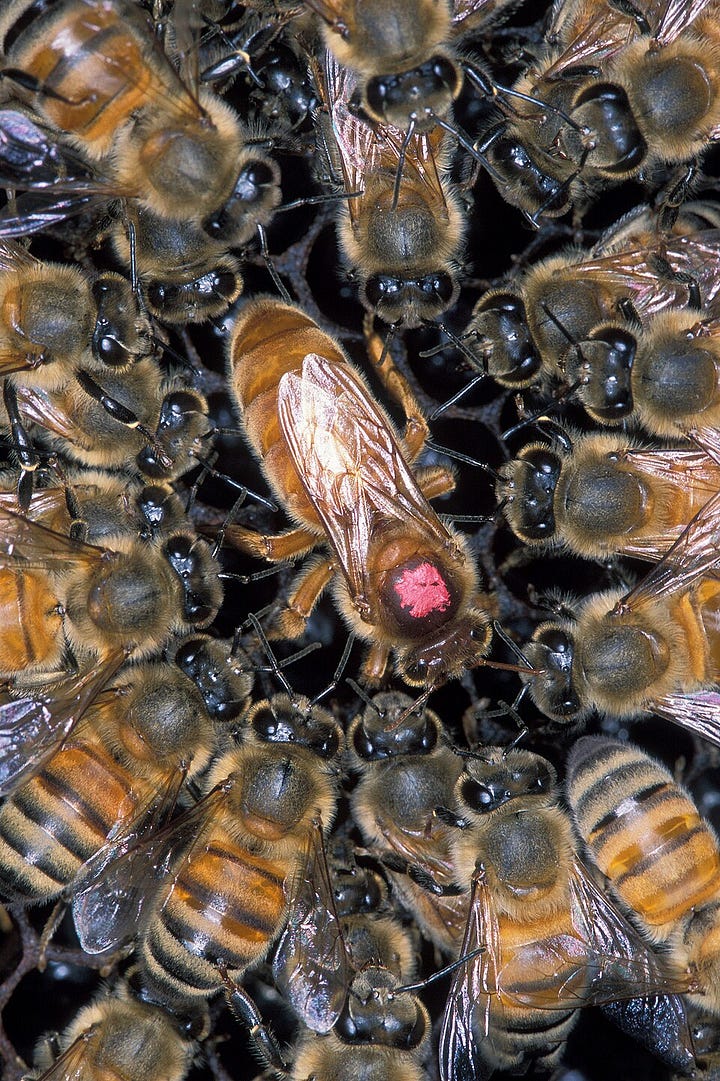
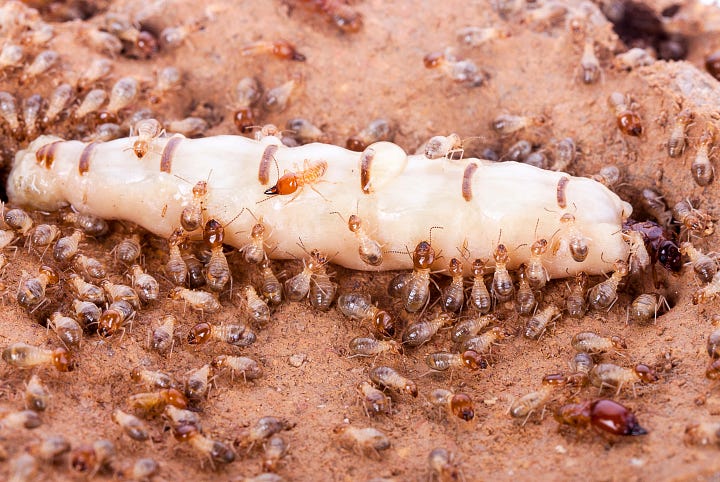
That whole paper is worth reading, but the most important section for our purposes is his discussion of eusocial organisms. Eusocial animals are those that live in complex social arrangements made up of a queen and a small group of drones that can reproduce alongside many sterile workers, like bees and ants. It is an unusual evolutionary strategy as it robs the vast majority of individuals of their ability to reproduce while ensuring a select few reproduce wildly, essentially turning the entire colony into one superorganism.
Previous researchers argued that this queen-worker arrangement evolved due to a strange quirk of some insects’ genetics.1 Alexander’s argument was much simpler — eusociality is just a more advanced version of social behavior, where parents choose which of their offspring get to reproduce, as bees do when they only feed certain offspring the “royal jelly” required to turn a larva into a queen. He believed it required no inherent genetic quirk to be possible.
Other researchers, however, challenged this view with a simple question: if eusociality is just advanced parenting, why aren’t there any eusocial vertebrates? After all, far more mammals and birds take on active parental roles than insects. If Alexander is right, why don’t we have queen dogs or worker parrots?
Shortly after publishing his 1974 paper, Alexander embarked on a lecture series across the country to discuss his research. In it, he took his critics’ feedback of his eusociality theory, and instead of refuting it, asked himself a simple question:
What would a eusocial vertebrate look like?
As the National Center for Science Education described, Alexander outlined a 12-part model of what this hypothetical eusocial vertebrate would look like. It would need to have a nest with many of the same characteristics of a termite or bee nest. Its nest needed to be safe, so that predators couldn’t destroy it. It would need to be expandable, so that it could improve as a colony grew. It would need to be near an abundance of food, too, and that food needed to be obtained with little risk to the workers — otherwise competition would arise between workers for food.
He concluded that no tree is large enough to host such a nest of vertebrates, so it would have to be underground, specifically in hard clay where predators could not easily dig up the nest. He then concluded that this animal would likely be a mammal, and more specifically a rodent, which are already evolved for burrowing underground. He supposed it would have to eat roots and tubers, as those are nutrient-rich and replenish quickly enough to be eaten perpetually by a large colony of rodents.
These eusocial rodents would also likely be eaten by snakes or other snake-like predators, but these predators could be deterred through the heroic sacrifice of a non-reproductive individual. The rodents would likely live in tropical areas with wet and dry seasons, because plants there regularly store nutrients in large roots to get through the dry season. Between the requirements for seasonality and the hard clay, he then concluded that this animal would have to live in open woodland or scrub in Africa.
An African rodent that lives in large underground colonies and survives on roots and tubers. Maybe you see where this is going.
After one of Alexander’s lectures at Northern Arizona University at Flagstaff, a young mammalogist named Terry Vaughn approached him and told him that there already is an animal that perfectly fits this description: the naked mole rat.
This nearly hairless rodent, perhaps best known to my generation as Kim Possible’s sidekick, is a colonial breeder that lives in large underground colonies in the Horn of Africa and subsists on tubers. When Terry Vaughn told Alexander about this animal, he encouraged him to get in touch with Jennifer Jarvis, a South African biologist who studied mole-rats. Jarvis confirmed that they matches Alexander’s description, but told him that nothing was known about their social behavior.
You have to wonder if this conversation had an effect on Jarvis, because just five years later, she published the results of her laboratory experiments on a colony of naked mole rats. These results confirmed that, among a colony of mole rats forty-strong, only one female was responsible for all reproduction. Naked mole rats had a queen. They were eusocial. Richard Alexander had successfully predicted the existence of an animal that no one on the planet knew existed.
I would have given anything to see his reaction.
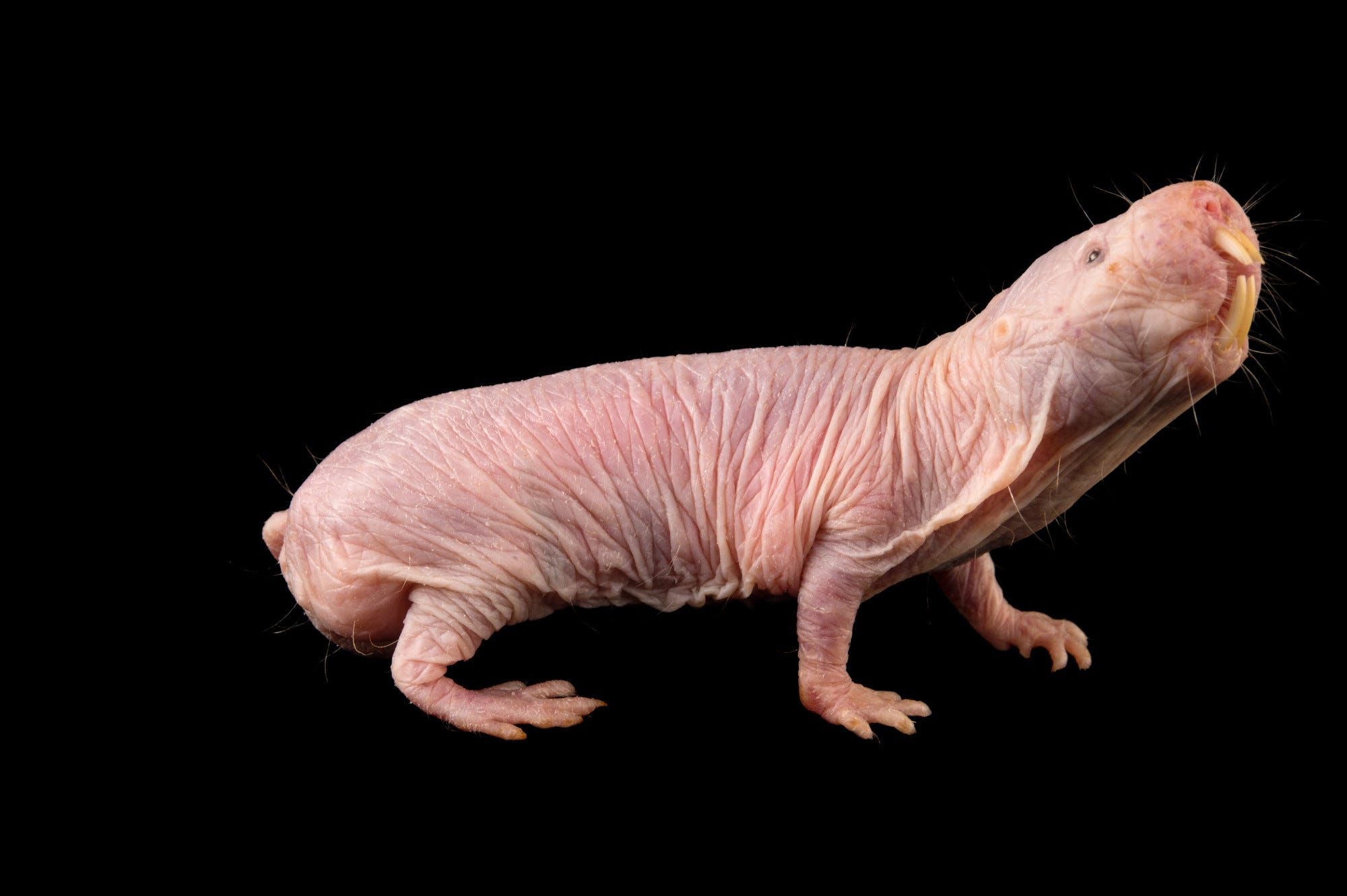
What makes his prediction particularly interesting is that naked mole-rats eusociality is very different from that of insects. In insects, castes are typically permanent. Naked mole-rats, meanwhile, are flexible. If a queen dies, there is an immediate power struggle between the colony’s other non-reproductive females to become the next queen, sometimes even resulting in a colony briefly having multiple queens at the same time. This struggle can get violent, and pup survival tends to drop immediately after a queen’s death. None of this messiness happens in insects — in bees, sterile workers simply choose a new larva to become their queen and feed it royal jelly. In other words, naked mole-rats invented a brand-new form of eusociality entirely unique to mammals.
Naked mole-rats became one of Alexander’s favorite study species almost immediately. Jarvis and Alexander became frequent collaborators and published several papers about naked mole-rats before co-authoring the 1991 book The Biology of the Naked Mole-Rat. Jarvis also discovered that the Damaraland mole-rat, a much furrier and cuter cousin of the naked mole-rat, is also eusocial. Alexander had predicted not one, but two animals’ existences.
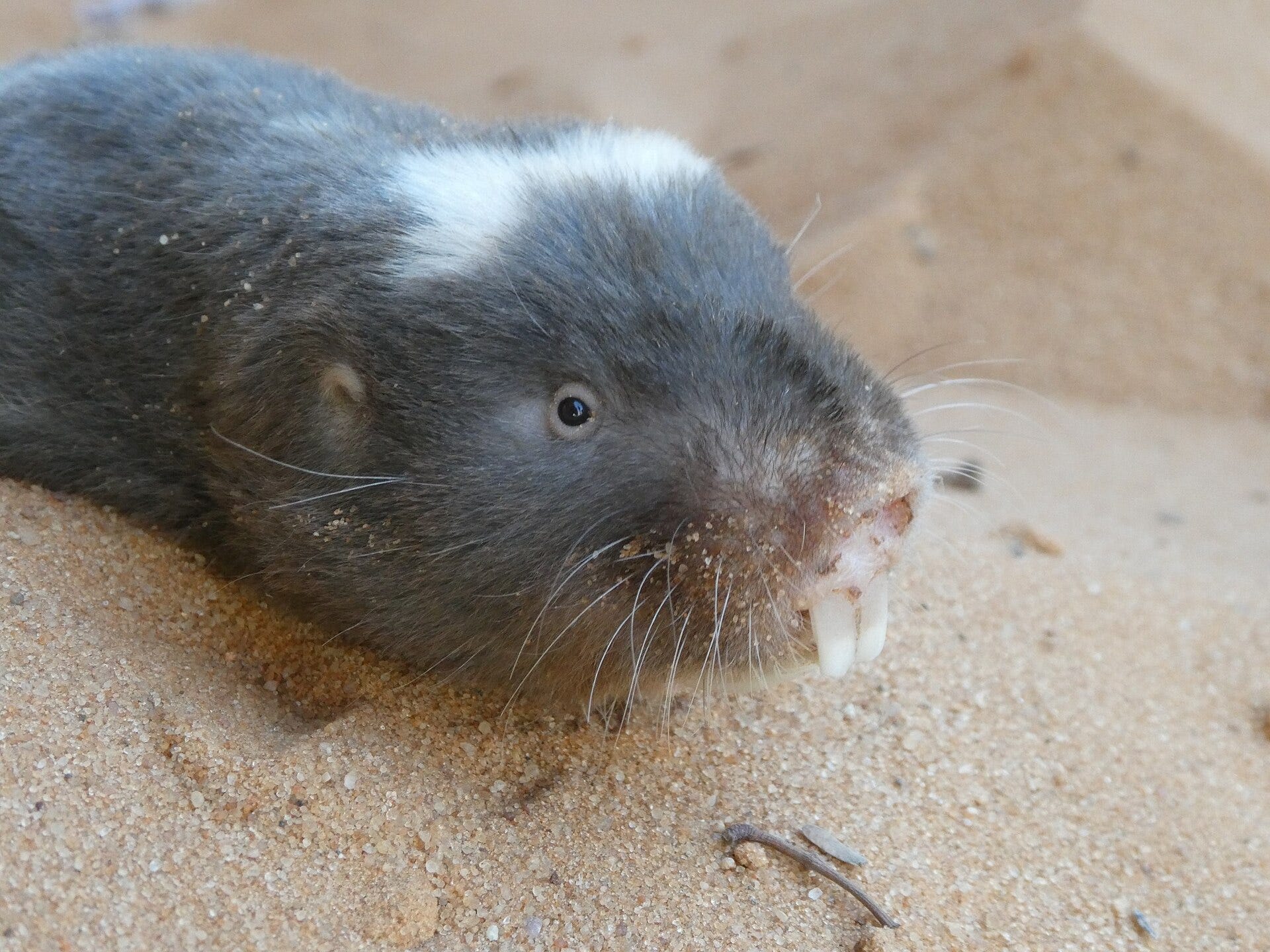
On one level, perhaps it’s dumb luck that Alexander was right. Had an especially virulent disease or changing climate wiped out naked mole rats a few thousand years ago, we would never have known his prediction was accurate. But Alexander’s prediction demonstrates two things: one, that Richard Alexander had a profound understanding of the way evolution works, and two, that evolutionary forces are consistent enough that it is sometimes possible to predict what they will do. It’s a remarkable illustration of how consistent and powerful evolution can be.
It’s also a reminder that evolution can head in directions that most people don’t expect. Most scientists thought that eusociality was not just absent in mammals, but impossible. Then, naked mole-rats proved that evolution is not so limited.
Perhaps the wacky animals of The Future is Wild will come into existence one day. But evolution could just as easily head in even more surprising directions — if we could peer millions of years into the future and see what today’s animals will become, I would bet that they would be far more original and incredible than what our imaginations are capable of creating.
The full explanation is interesting, but complicated and not necessary for understanding the impressiveness of Alexander’s prediction. It also ultimately did not explain eusociality, so it’s a somewhat moot point. Feel free to skip this.
These insects have something called “haplodiploidy,” where males have one copy of their DNA and females have two copies. When a male and a female reproduce and create a female, one copy of the mother’s DNA gets passed on and the other copy gets mixed-and-matched with the father’s DNA. Therefore, each female ant has 3/4 of the same DNA as its sister. Their sons, meanwhile, will only have half their same DNA, since the one male copy will be 50% from the mother and 50% from the father. Therefore, their own offspring will have less than 3/4 identical DNA on average. The logic goes, then, that a female insect will better ensure the survival of her own genetic code if she devotes her energy to rearing her sisters, who are more closely to her, than if she were to have offspring. Therefore, by shifting the burden of reproduction onto one “queen,” female ants have as few generations as possible, ensuring the ants around them are as closely related to them as possible.
No posts
Comments
Nothing yet. Say the first thing.
Sign in to join the conversation.