
Last week my team and I spent two separate three-day spurts with a total of fourteen rising seniors. Students in our first group arrived Sunday afternoon and left by midday Tuesday. The next group checked in Wednesday afternoon and left midday on Friday. Inside those very narrow windows of time, we packed in roughly twelve to fourteen hours of structured work with each group. It was intense, but it was energizing and productive, and hands down one of my favorite weeks of my year. It reminded me of something I’ve been relearning at home lately, with one kid, in a car, with much lower stakes.
I love greeting a group of seniors who don’t know one another, meeting them exactly where they are, and giving them the information and support they need. As they get into the work of applying, we step back and give them space and time while staying available for them.
Although we do this throughout our work weeks, meeting students and families online and having individualized work sessions with them, there’s something special and powerful about doing this in community and in a condensed period of time. Over these days and nights we spend together, our rising seniors write, ask questions, get stuck, or reread something from the night before. Sometimes they decide they hate it and ask someone for a second look. Then they sit with feedback; sometimes even pushing back on it before returning to the work. They walk away when they need to and come back when they’re ready. The magic happens somewhere mid-program: without anyone noticing it happen they start to actually own their pieces. And when they do, I can’t even begin to tell you how proud we feel as facilitators.
I love that this is what the process teaches, even in the microcosm of a retreat weekend, because so much of the college process can slip out of a student’s hands and into everyone else’s before anyone even realizes it’s happening.
Parents are understandably anxious with deadlines looming, essays to write, recommendations to request, activities to describe, colleges to research, visits to schedule, and decisions to make. Who can blame us? We want to help our kids, to make sure things get done and ensure they put their best feet forward.
But there’s a fine line between supporting and managing. Managing looks like reminding, correcting, directing, suggesting, insisting, and eventually doing it for them. That’s the line where red flags go up and we need to “check ourselves before we wreck ourselves.”
Ownership isn’t something students acquire because we talk about it; it develops when we give them the chance to actually step into it. That’s what I watched happen last week. My team didn’t sit beside each student and tell them what to write; we met them where they were. We read what they brought us and reflected on it with them. We asked questions, made comments, spoke to them as “their reader.” We shared with them what we wanted more of, pushed them when something didn’t quite land, and named the places where we thought they should dig deeper and uncover more. We helped them think out loud before they got it onto their docs.
Then they worked, taking the time and space they needed to revise, edit, and rework their pieces. That’s what made the time we had with them special and empowering and it’s what we do with every student we work with, all year. We support a process of introspection, reflection, and articulation. We help them process their thoughts, their experiences and their identities by asking them questions.
⸻
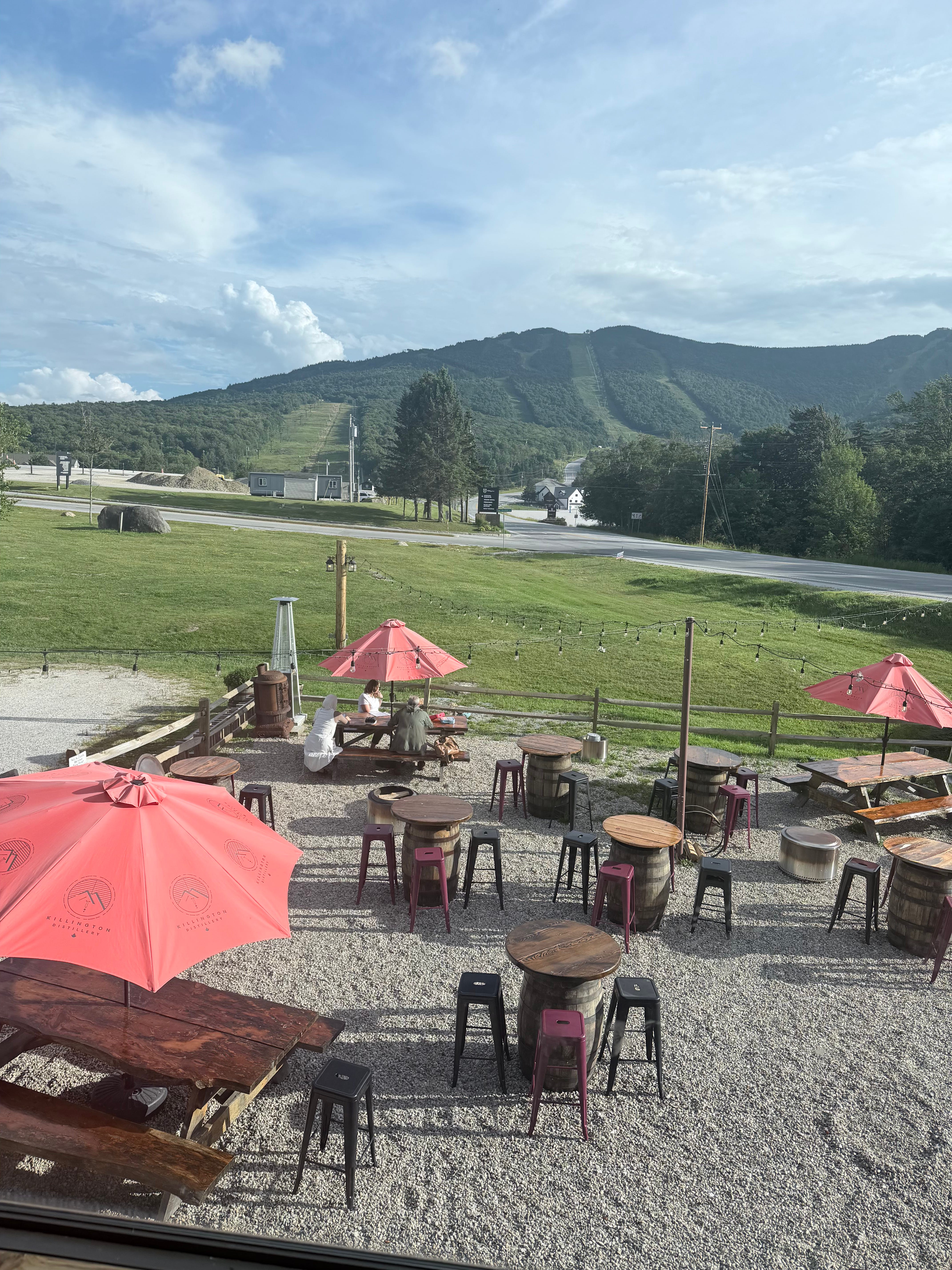
The magic we experienced in Vermont last week happened because our students knew we were available to help, support and challenge them while being respectful and mindful that the decisions, words, and insights were theirs to work through and express. What we loved seeing was how they willingly rose to the occasion. They were enthusiastic, locked in and eventually, they became confident because each of them found their voices.
Confidence doesn’t arrive before a student begins; it builds as the work gets done, just like resilience builds. You try, you do it, maybe clumsily at first and then you go back and try again, and each time you return to the work, you do a little better.
I think about my son who just turned sixteen and the driving practice we’ve been doing lately. We’ve been practicing in parking lots and recently I mentioned that I thought he was ready to graduate from parking lot practice to driving a route he’d ridden as a passenger for years; this time as the driver. Initially he was hesitant so we took baby steps. One afternoon he asked to be driven to the gym and I challenged him to get into the driver’s seat before we got to his school parking lot. He started by pulling out of the driveway and down our street to the stop sign at the bottom of our street. Then onto a busy main road and then onto Main Street. Every step he took, the confidence he was building felt palpable. By the time I picked him up from the gym last night, only two days after he’d been hesitant but willing to try, he was ready to drive home, on two major roadways. It took time, space, and his own readiness, but he earned his confidence, and it didn't take much time at all.
That’s exactly how it felt watching our students grow into their confidence in Vermont. One student might be stuck on an opening paragraph while another was attempting to rank their activities on their common application. Someone found herself reconsidering her entire essay while another was finalizing an essay about what brings him joy. What we witnessed as instructors and counselors was independence, agency and confidence filling our work space. We had seniors sitting at tables, in big bean bag chairs, on sofas in our work den at a hotel in Killington Vermont, with laptops open, asking questions out loud, with snacks and chatter filling the work space that became our haven for three days.
In that room, students asked for help when they needed it and stepped away when they had to do that instead. They talked something through with one of us or with each other, then returned to work. By the end of each day, they didn’t just feel good about finishing tasks, they felt good because they were completing them on their own. I underestimated the significance of that until I went through the process myself, as a mother.
As adults, we feel the need to ensure our kids’ don’t experience too much discomfort. If something feels hard for them, we want to make it easier. If they’re feeling overwhelmed, we want to help them in getting themselves organized and developing a plan. If they’re procrastinating, we want to remind them and tell them what to do. If they’re uncertain, we want to help them arrive at the right decision or answer.
What I keep coming back to is this: the most useful thing we can offer our kids often isn’t an answer; it’s structure, information and support. It’s building enough trust with them that a student feels safe asking questions and gaining clarity before they sit down to figure things out for themselves.
A little over a week since we said goodbye to our last group of retreaters, we’re already thinking about and planning next year’s retreat. Instead of two separate sessions, we’ve decided to build one longer experience: adding a day and expanding supported work time to roughly 16 to 18 hours. But beyond the work sessions, we’re also building more opportunities for connection, movement and fun. So we’re planning for time outdoors, team building, and opportunities for actual fun. Productivity and connection strengthen each other in the kind of work space we’ve created; it was a gift to be reminded of that again last week.
I love watching my students’ confidence grow as their essays evolve and take shape, or being there as an idea clicks for a student and I can see that imaginary lightbulb turn on in their heads. I love that during our retreat week, students walked into our space with scattered thoughts and less than 48 hours later left us with pieces they’re genuinely proud they wrote.
But the most powerful and meaningful moment for me as a retreat leader and college counselor is witnessing the shift that happens when each and every one of my students realizes they can do this by themselves, without being micromanaged or having their pieces revised until a piece stops sounding like them.
That’s the magic of the work we did the first week of August, that as counselors we shared space with our students, offered them structure, provided them with support, feedback, and guidance without taking over the wheel.
And by the end of the process, they left us knowing that this rite of passage belongs to them.
What does ownership look like in your house right now — are you in the driver’s seat, or are they?
No posts
Comments
Nothing yet. Say the first thing.
Sign in to join the conversation.