
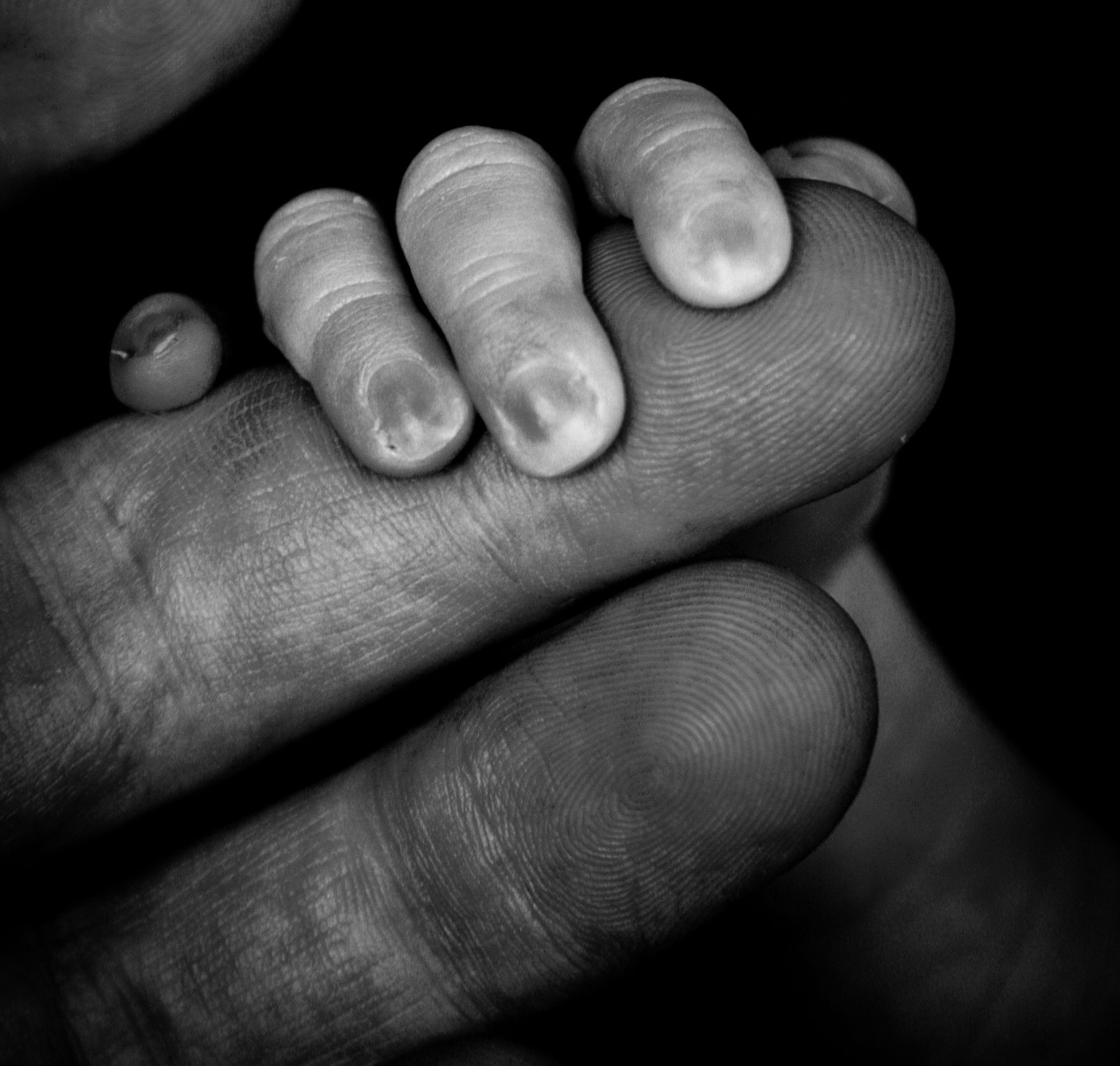
Image credit: Leo Lachnit from Pixabay
In a moment when many men seem increasingly uncertain about masculinity, fatherhood, and their place in society, I wasn’t sure I knew how to answer. Partly because my own experience refuses to fit neatly into any story I know how to tell.
So I asked my audience:
What is something a father or father figure gave you that would have been difficult to receive elsewhere?
More than fifty responses arrived from around the world.
Some people answered immediately. Others took days. A surprising number struggled to answer at all, and that, too, felt significant.
One person responded:
“A longing for a father… If I had my father, I wouldn’t long for one in others.”
Another wrote:
“There is something uniquely painful about being hurt the most by the person who was supposed to love you the most.”
Some named values:
“Integrity. Work ethic.” — Sujatha
“Humility.” — Jeff
“Patience.” — Rick
“Counsel.” — Jim
“Compassion.” — Alex
“High standards as a man, father, leader.” — H.G.
Others described confidence:
“Belief — my Dad always believed in me, sometimes when I didn’t.” — Davina
“Confidence in life.” — Mukt
“Confidence in my abilities.” — Andrea
One respondent described learning to build and repair almost anything alongside her father before concluding:
“That confidence in turn birthed resilience.”
Others spoke about safety:
“A safe place. Acceptance. Reassurance. Rescue.” — Sara
“The space to make my own decisions (and mistakes) without fear of judgement... the room to grow.” — Anthony
“Security.” — Nick, Jennifer
“A grounding presence.” — Paul
“Unconditional support and always a safe place to land.” — Lynn
“Unconditional love and support in all my decisions, even the ones he disagreed with.” — Eric
One surprising answer stayed with me:
“To know what it feels like to be delighted in.” — Tiffany
Interestingly, this question is attracting attention far beyond my inbox. Dr. Sanjay Gupta (CNN’s Chief Medical Correspondent) has just interviewed the author of the new book Dad Brain, exploring the growing body of research on how fatherhood changes men’s brains and behavior.
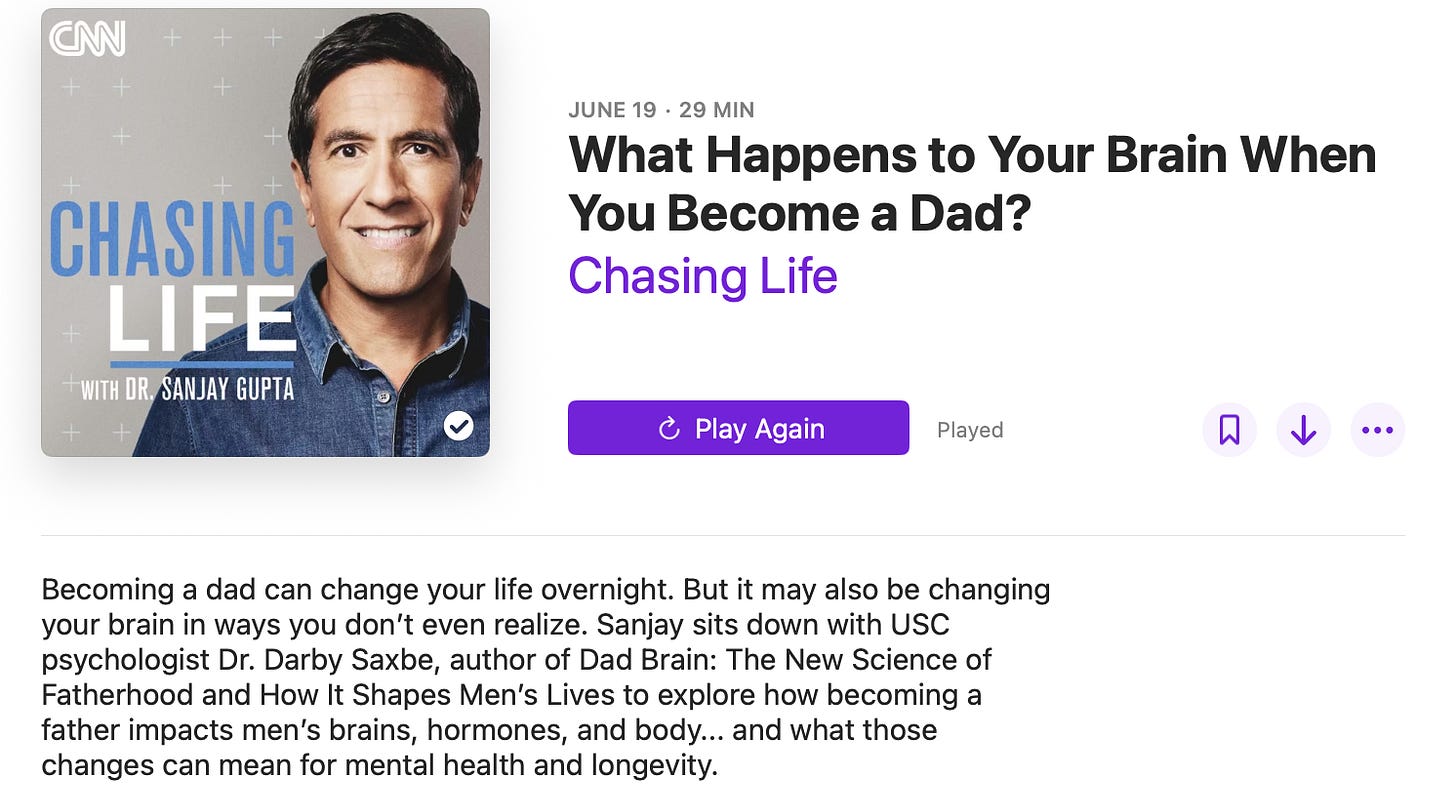
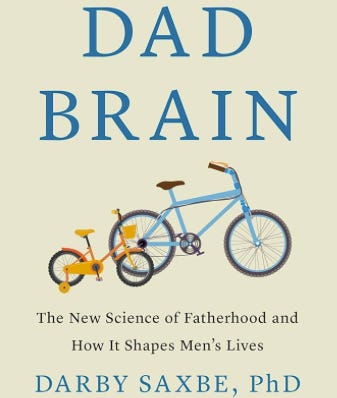
What struck me was not just the variety of answers, but who people were talking about. Fathers, certainly. But also grandfathers. Professors. Mentors. Advisors. Stepfathers. Coaches. People who were not necessarily related to them at all.
One responded opened with,
“I don’t think these things are inherently masculine.”
He then proceeded to describe a grandfather who taught him generosity, courage, emotional openness, humor, advocacy, and how to love with his whole heart. That response helped clarify something for me. Perhaps fathering is less about who performs it than what is contributed.
Nature itself seems remarkably unconcerned with our assumptions. Male seahorses carry pregnancies. Emu fathers incubate eggs and raise chicks. Across the animal kingdom, parenting responsibilities are distributed in countless ways.
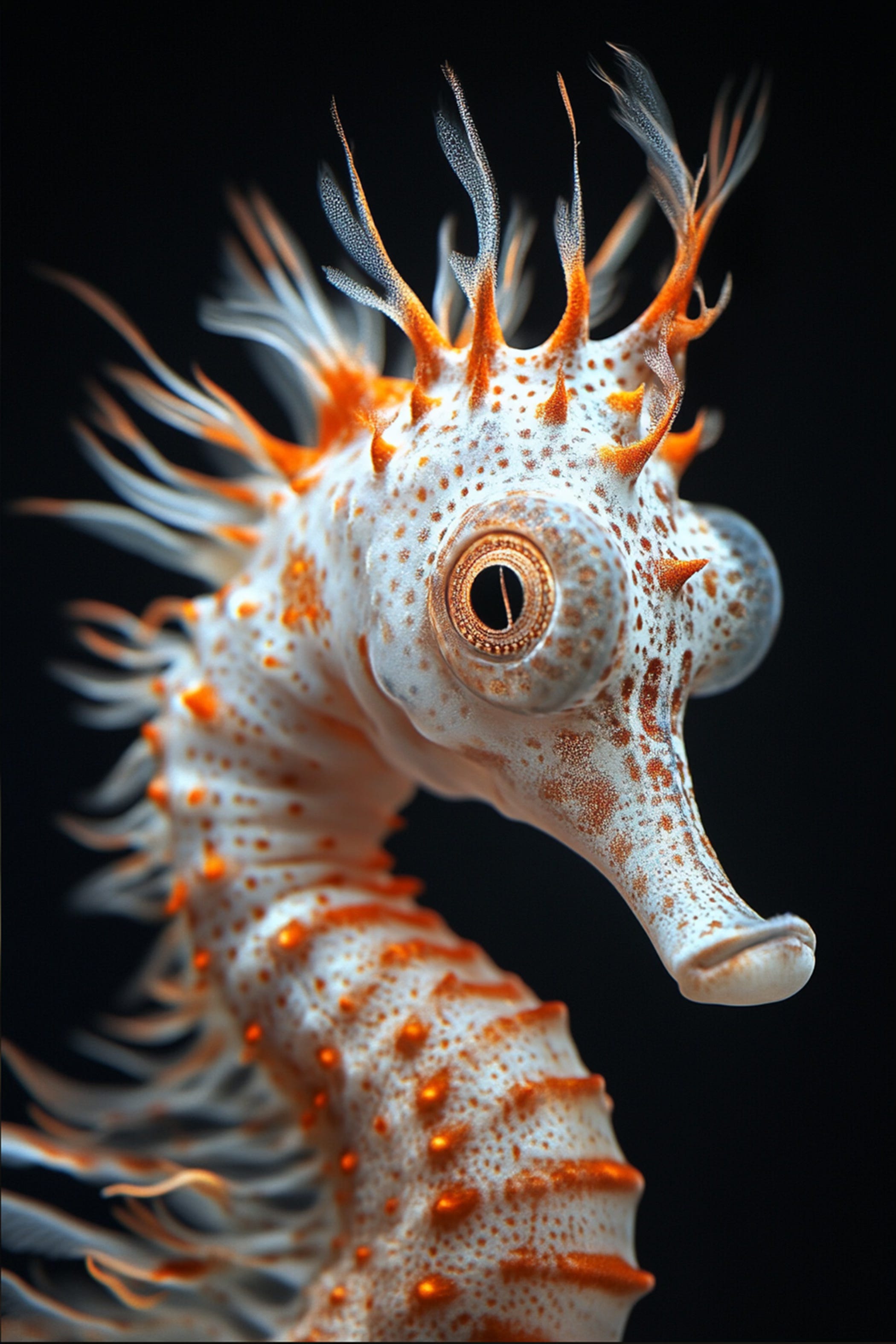
Image credit: Lisa Yount from Pixabay
Perhaps humans are not so different.
And perhaps the strongest evidence that it matters is that people notice when it is there — and when it is not.
Question for you, to help us thread this needle:
Comments
Nothing yet. Say the first thing.
Sign in to join the conversation.