
This may sound obvious, odd, or both. We tend to think of changemakers as individuals with causes, ideas, wounds, gifts, convictions, and projects. We ask what drives them, what problems they are solving, and how we can help.
All useful questions.
But if changemakers are real — more than a corporate buzzword or aspirational LinkedIn identity, but as people predisposed toward transformation — then another question becomes unavoidable.
Across countries, sectors, professions, ideologies, and generations, some people seem persistently drawn to changemaking. They notice problems others normalize. They imagine alternatives others dismiss. They struggle to disengage from harms they did not create. They continue engaging long after exhaustion, cynicism, self-interest, or social pressure would have persuaded many others to stop.
Not all changemakers agree. Not all succeed. Not all are even pursuing the same future. Still, they are everywhere.
What if human communities need people who are unusually sensitive to unrealized possibility? People who repeatedly question inevitability. People who become uncomfortable when preventable harm is normalized. People willing to move toward uncertainty in pursuit of a future that does not yet exist.
Goodness knows we need them now.
Perhaps we always have — whether anybody, changemakers included — recognized the function clearly or not.
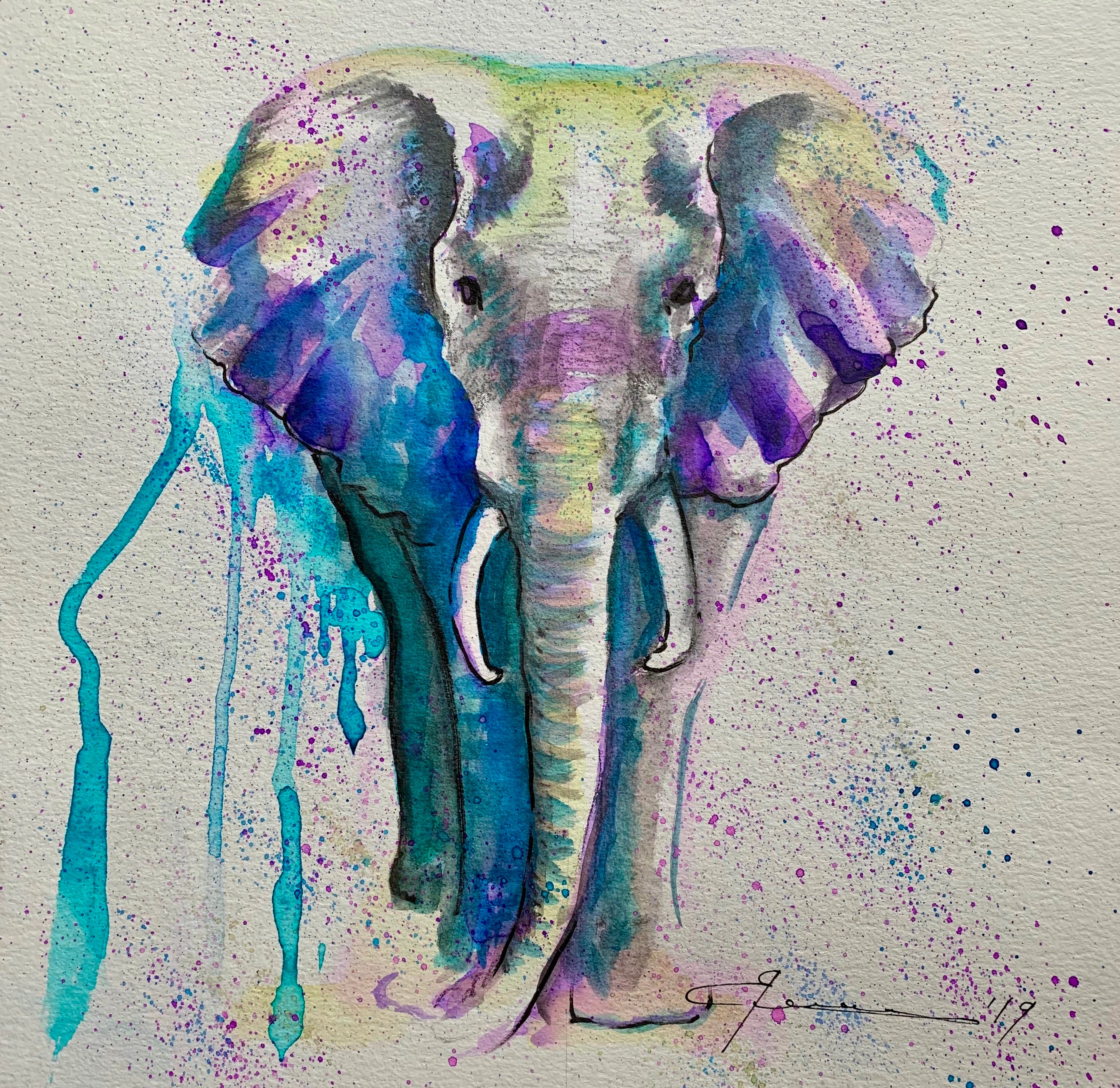
Image credit: Elena Bondareva (watercolor)
They are not the whole answer. They are not saviors. They are not automatically wise, ethical, effective, or right. But they may perform a necessary function inside human systems: noticing where reality no longer fits the frame, where harm has been normalized, where possibility has been declared impossible too soon.
Healthy immune systems do not dominate the body. They detect threats, respond to harm, support repair, and help living organisms survive what might otherwise overwhelm them.
Without an immune system, the body becomes dangerously vulnerable. With an overactive or misdirected one, the body can self-sabotage. This feels increasingly useful to me as a metaphor for changemakers.
The work, then, is not to romanticize changemakers. Nor is it to dilute, silence, or punish them for picking at what others would rather leave alone. The work is to understand what function they perform, what conditions allow that function to become regenerative rather than destructive, and what kinds of support, ethics, relationships, competencies, and institutions might help changemakers serve transformation well.
This matters because changemakers are often treated as anomalies. Too disruptive. Too intense. Too idealistic. Too impatient. Too difficult. Too unwilling to accept “that’s just how things are.”
Sometimes, all of that is fair.
Without changemakers, many necessary transformations may never happen. Purpose, in this sense, is not only personal. It is ecological.
The question is not simply, What gives my life meaning? It may also be, What kind of contribution does the world seem to need of me?
And if changemakers perform a function within transformation, the next question follows naturally: Do all changemakers play the same role?
I no longer think they do. And that realization may prove just as important as discovering changemakers themselves.
https://changemakershandbook.substack.com/p/how-to-spot-a-change-maker-signs
PLAYLIST: Purpose is fuel for changemaking
·
February 2, 2025
The most impactful changemakers operate at the intersection of what moves them (their purpose), what the world needs (explore the megatrends series), and their unique superpowers.
https://changemakershandbook.substack.com/p/playlist-purpose-is-fuel-for-changemaking
Most people are not changemakers
·
May 22

Modern “change” culture may create an impression that those oriented toward continuity, care, craft, mastery, preservation, relationship, beauty, stability, or stewardship are somehow less vital — or even less committed to humanity’s future — than those oriented toward disruption and reinvention.
https://changemakershandbook.substack.com/p/most-people-are-not-changemakers
Comments
Nothing yet. Say the first thing.
Sign in to join the conversation.