
Welcome to Change, Logged, a weekly newsletter offering 5 minutes of honest thoughts about life, design, and everything in between.
I spent the last 10 days in New York, a melting (literally) pot of cultures, experiences and everything else. When I got back, it got me thinking about one of the first Medium articles I wrote over six years ago: The Flâneur Approach to Design.
Back then, I had just discovered the concept as part of my final project for my master’s studies at the Glasgow School of Art. Six years later, walking around New York, I realised I was still thinking about the flâneur. But perhaps I was thinking about it differently.
Flâner: (one of my favourite French words) to stroll, wander aimlessly, or loiter with no specific destination
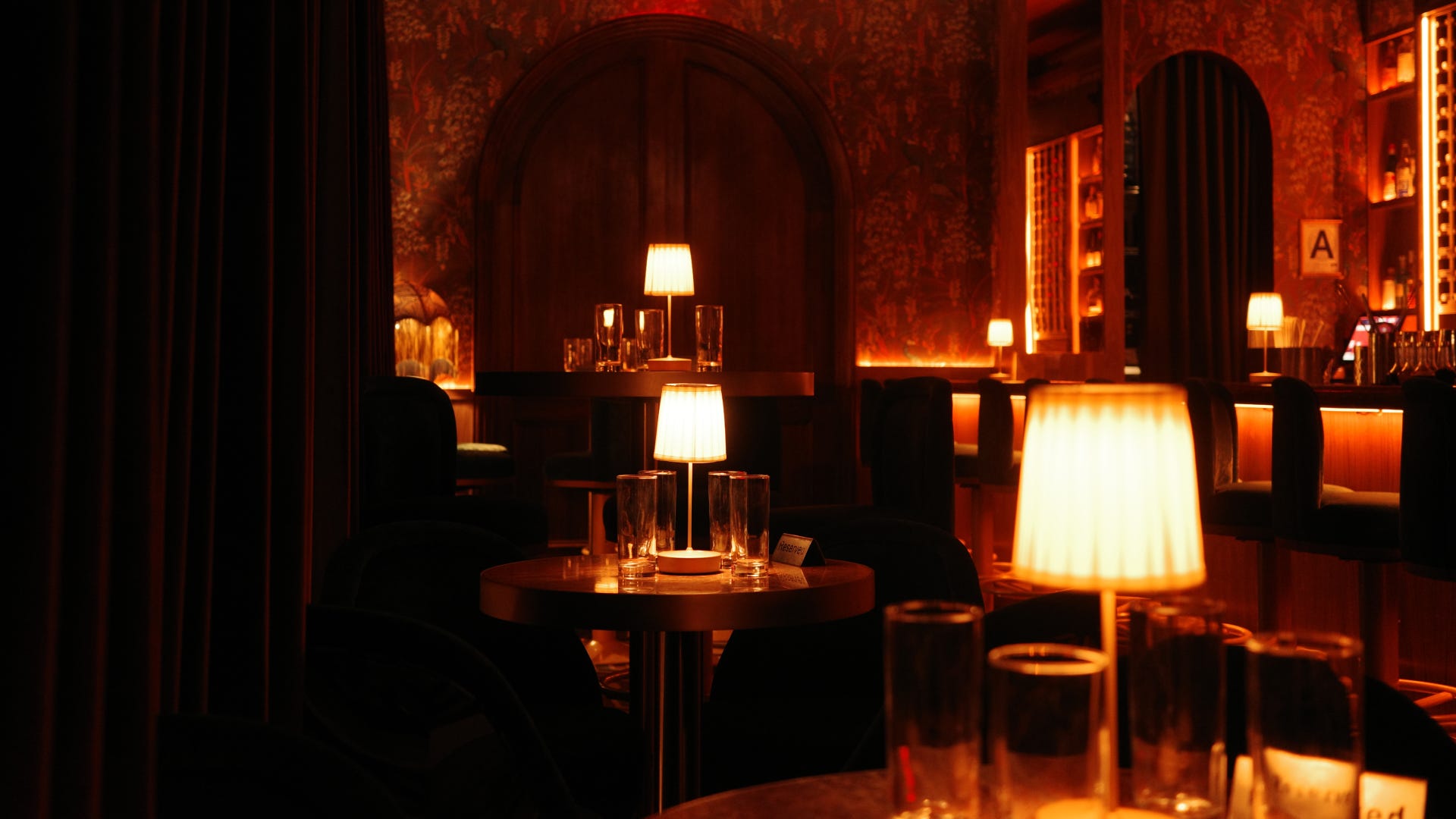
We had over 200 pins of food and places to visit before we even landed in New York. The first time we stepped out from our hotel in Midtown towards Times Square was overwhelming. Everything felt like it was on volume 500, with so much to see, do and experience.
But the truth is, there is limited time and endless pins and recommendations. Radio City Music Hall and Winnie’s Jazz Bar were places we knew we would be excited about. But some of our most memorable moments came from doing something much less deliberate: just walking.
When visiting a place for the first time, the instinct is to maximise every day: how much can I fit in? How can we see all 200 places? It’s natural because that’s what we know from every day life and work, maximising productivity, efficiency and output.
This time, we decided not to plan every day by the hour. Instead, we would choose an area, pick a few pins, and leave room to explore. It meant choosing a direction without knowing exactly where it would lead, and being comfortable with missing things. As we walked towards a destination, we could branch off whenever something unexpected caught our eye.
There was something surprisingly difficult about this. We had spent weeks collecting recommendations, and now we were deliberately choosing not to use them all. We were practising a small act of restraint: if we went to the Guggenheim, we wouldn’t be able to see the Morgan Library, and that’s fine.
We want to make choices, and have some agency in getting lost, getting found. We want to challenge the city, and decipher it, and flourish within its parameters. And if we should confront the Minotaur, we want to be able to get back out again.
— Lauren Elkin, Flâneuse
What happens when you let a place choose what you notice? The point is not that wandering has no agency, but rather that it requires agency. Sometimes, the most meaningful places aren’t the ones where you have consumed the most, but the ones where you’ve paid enough attention for them to become part of you in some way.
As we were walking around New York, there were places that just stopped us, whether it was an interesting interior in a store or the stunning typographic branding of one of my new favourite niche perfume brands, Ranger Station. It wasn’t a pin on our map, but the typeface caught my eye, and the scents got us to spend some time there, discovering a Nashville perfume house.
It was these small, unplanned moments that began to coalesce into our experience of New York. Not the places we had carefully researched beforehand, but the things that caught our attention along the way: Ranger Station, Empire Diner, the stunning, oversized bone installations at Jacques Marie Mage, streets we hadn’t planned to walk down, and places we might otherwise never have known existed.
That was the definition of freedom. Not just the time, and not just the transit: being able to do that in an environment that felt created for people, not machines, shaped and sustained by some kind of belief in having nice places for people to be, together, in public.
— Lauren Elkin, Flâneuse
We often associate freedom with unlimited options. But cities like New York give you almost too many options, and if there’s something I’ve learned from the tech world, it’s that having more options isn’t always a good thing.
If you’re constantly trying to maximise all the options available to you, it starts to feel more like working through a to-do list. You might be doing more, but you aren’t necessarily experiencing more. Ultimately, you’re tied to the list. When every hour has somewhere to be and something to accomplish, it becomes difficult to experience the freedom of simply being somewhere.
This brings me back to the idea of unknown unknowns. If you don’t give yourself the time and freedom to wander, you can’t discover what you weren’t looking for. The unexpected things we found in New York were only possible because we left room for them to happen.
Maybe true freedom is being able to say, confidently, that you’ve made an intentional decision to spend an afternoon in one place, to follow something that catches your attention, and to accept that you may not see everything else. And to know that’s completely fine.
Six years ago, I thought of the flâneur as going outside, observing and discovering what you don’t know. Six years later, it’s now about going outside, choosing something to pay attention to and accepting what you won’t discover.
We’ve gone from curiosity as accumulation to attention as selection. When you first begin, you are an empty vessel, like a blank page, collecting everything. But eventually, there’s only so much you can collect before you need to start curating.
This doesn’t mean becoming less curious. If anything, it means becoming more intentional about where curiosity goes. By choosing to focus on less, we give ourselves the opportunity to experience more.
Books that inspired the thoughts on this page — and are worth a look:
No posts
Comments
Nothing yet. Say the first thing.
Sign in to join the conversation.