
Welcome to Change, Logged, a weekly newsletter offering 5 minutes of honest thoughts about life, design, and everything in between.
Simplicity is the ultimate sophistication.
- Leonardo Da Vinci
Steve Jobs famously pursued the same idea at Apple: stripping away the unnecessary, not to make things empty, but to create experiences that are seamless, intuitive, and delightful.
Over the past few weeks, I’ve been travelling through Hong Kong and Japan. What struck me most in Japan was how every experience felt like the MUJI philosophy brought to life: nothing flashy, but every detail is intentional, well-considered, and does its job well. Remarkably, even in such a densely populated country, full of energy and activity, everything still felt effortless and simple. From convenience stores, shops, and queues to ski resorts and traditional rituals, one thing was clear: simplicity is not a lack of effort, but rather an outcome of care, pride, consistency, and respect.
Japan is famous for everyone queuing patiently in neat lines for the train, even in rush-hour chaos.
It’s about following the system and not taking shortcuts. Rules are respected, and in return, everything runs smoothly. The same philosophy guides Nobu Matsuhisa, the world‑renowned Japanese chef and restaurateur behind the global Nobu restaurants. He personally visits every location to ensure every dish and detail meets his exacting standards. No matter the restaurant, every dish is consistent in presentation and taste.
At Nagoya Airport, I wanted to check out the Aichi Museum of Flight. Both the entrance and exit queues were empty. Naturally, I walked through the exit queue as it was right in front of me. A staff member immediately stopped me and pointed to the entrance queue, farther away. No exceptions. Even when no one else was waiting.
Later, at Uniqlo, I tried a quarter-zip top over my T-shirt in front of a mirror. Almost instantly, a staff member appeared, shouting, “Fitting room! Fitting room!” like I had committed a retail felony. Upon further thought, I realised these rules exist for a reason. Having shoppers use the fitting rooms keeps the floor clean and uncluttered, making it easier for other customers to browse. For staff, it means they don’t have to constantly tidy half-folded clothes scattered everywhere.
Making sushi is an art, and experience is everything.
- Nobu Matsuhisa
The biggest thing that stayed with me most was the pride and care people put into everything they did. No task was too simple to be done well. It’s not just about ticking boxes. Everything, no matter how small, was executed to the highest standard because people care.
My boyfriend once said, “Vending machines everywhere, bins nowhere.” It’s true. Yet there was no litter anywhere. Everyone has been taught to take their rubbish home, and in return, there’s no need for bins on every corner.
On a family ski trip at Nosawa Onsen, I noticed something I’d never seen elsewhere. We all know the person who shovels snow at the chairlift. In Japan, that same person also brushed the snow off every chair before you sat down. It’s a small gesture, but one I appreciated far more than I expected. No one likes sitting on wet, cold snow.
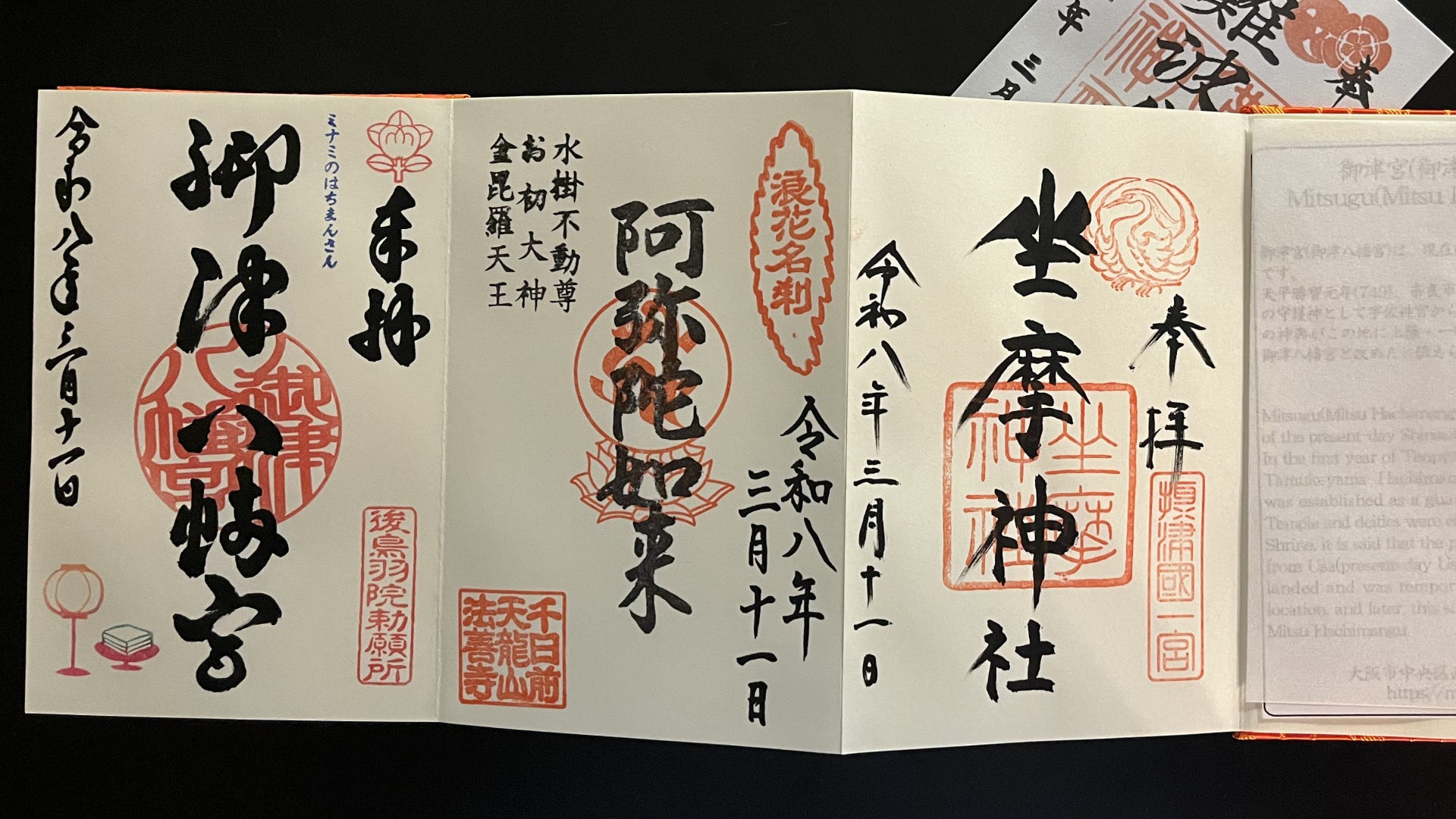
We also discovered goshuin, which are special temple or shrine stamps collected in specific, traditional books to mark a visit. Each one was hand-written with brush and ink by a qualified person, stamped carefully to avoid smudges. Pieces of paper were placed over the fresh ink so it wouldn’t transfer to the next page. This was repeated all day for every visitor. At first glance, it’s a simple tradition, yet each stamp carries layers of meaning and history, serving as both a personal keepsake and a beautiful reminder of the experience.
In Japan, it doesn’t matter if you’re shopping at a 100 yen store, a convenience store, or an independent boutique. Quality is accessible to everyone. It’s not something premium you pay for.
As Kenya Hara, creative director of MUJI, puts it, emptiness is not the absence of ideas, but a readiness to receive. It’s a kind of perfect plainness, where the Japanese knife adapts to the cook’s skill, not a cook’s thumb.
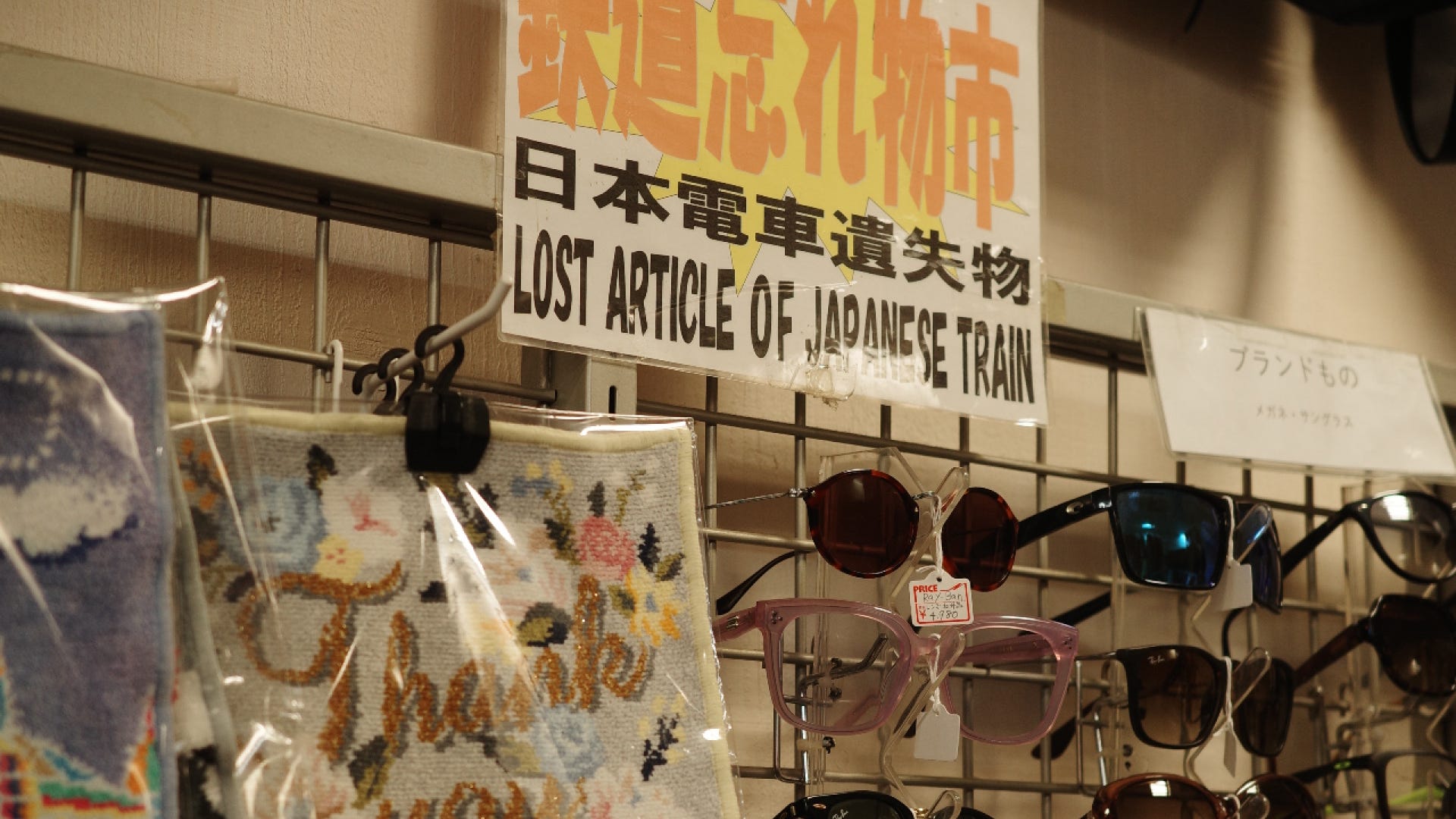
That same thinking shows up everywhere. Japan is not a throwaway culture. Things are made well, so they last. And because they last, people take care of them. Even lost items are treated with care. A highlight was the Railway Lost Item Market in Osaka, a shop that resells unclaimed items left behind in stations. Everything — from designer clothing to umbrellas, bags, shoes, crockery, and even packets of toy throwing stars are cleaned and given a new home instead of being thrown away.
During our travels, we stayed at Toyoko Inn, a local 2-star hotel chain. Despite being a budget hotel, I was surprised to learn that clean, laundered pyjamas for guests are standard across hotels in Japan. Much like the unbranded, basic clothing sold in convenience stores, they’re simple but well-made and comfortable. They are designed to last, even without the label of luxury. When quality is the default, everything else becomes simple.
Simplicity is not the absence of something. When done well, it’s the result of great care, effort, and attention working quietly in the background. The best experiences feel effortless and almost invisible. You only notice them when something goes wrong.
Care matters. Whatever the task, take pride in what you do. Have respect for others, for the craft, and for the experience. In the end, “less is more” isn’t about having less. It’s about doing everything so well that nothing more is needed.
No posts
Comments
Nothing yet. Say the first thing.
Sign in to join the conversation.