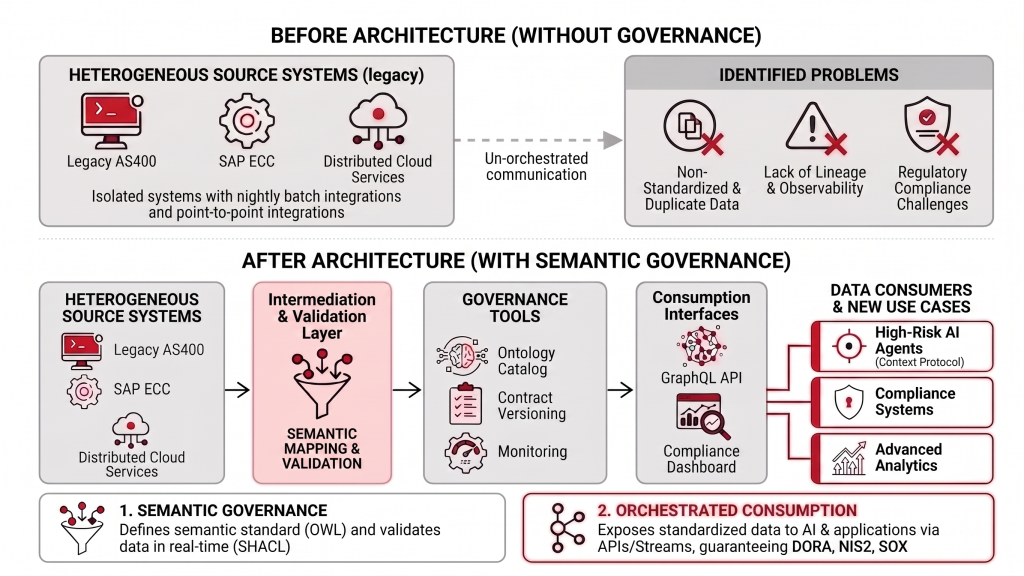
Semantic governance is the formal and automated control of the shared meaning of data across an organization’s systems. Unlike traditional data management, and designed specifically to overcome data integration and interoperability challenges, this discipline relies on ontologies and structured metadata (such as executable contracts) to ensure that multiple heterogeneous platforms (legacy systems,…
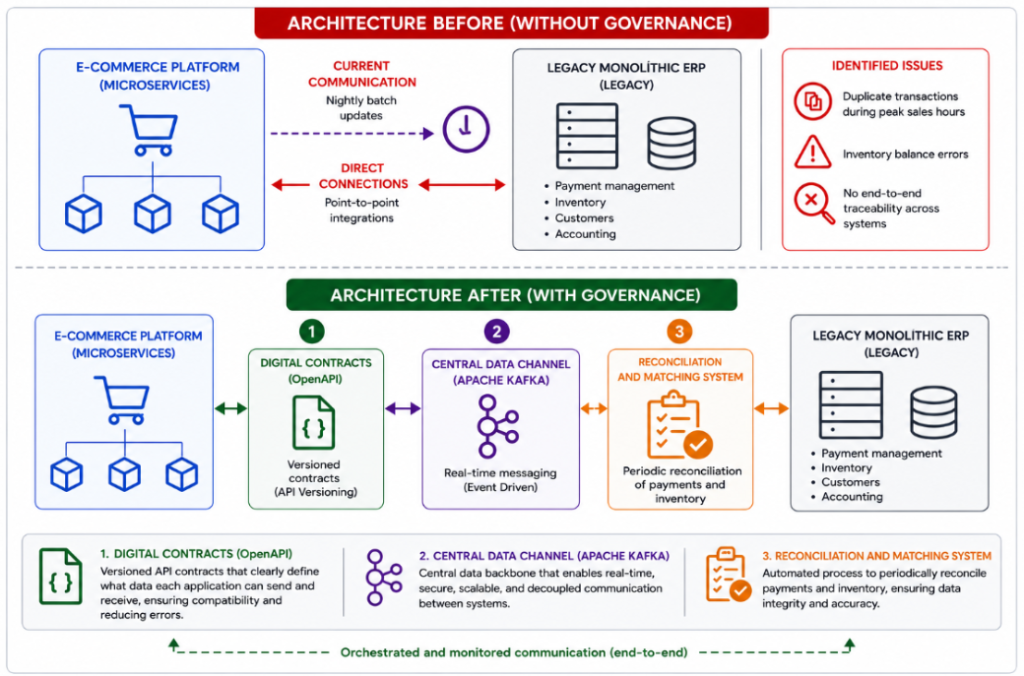
Continuous legacy modernization through microservices provides a structured framework for evolving technology infrastructures without treating modernization as a series of isolated initiatives. This incremental approach enables legacy systems and microservice-based architectures to coexist while supporting ongoing business evolution. In this article, we explore best practices for implementing a…
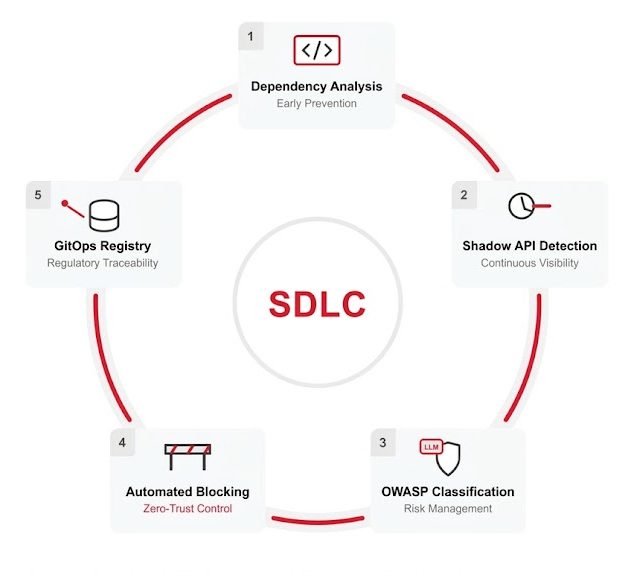
API Sprawl is the uncontrolled, invisible, and decentralized proliferation of Application Programming Interfaces (APIs) within an organization’s technological infrastructure. While this organic growth previously operated at a manageable pace, coding assistants like GitHub Copilot, ChatGPT Enterprise, and Cursor have turned it into an exponential expansion. Today, organizations manage more…
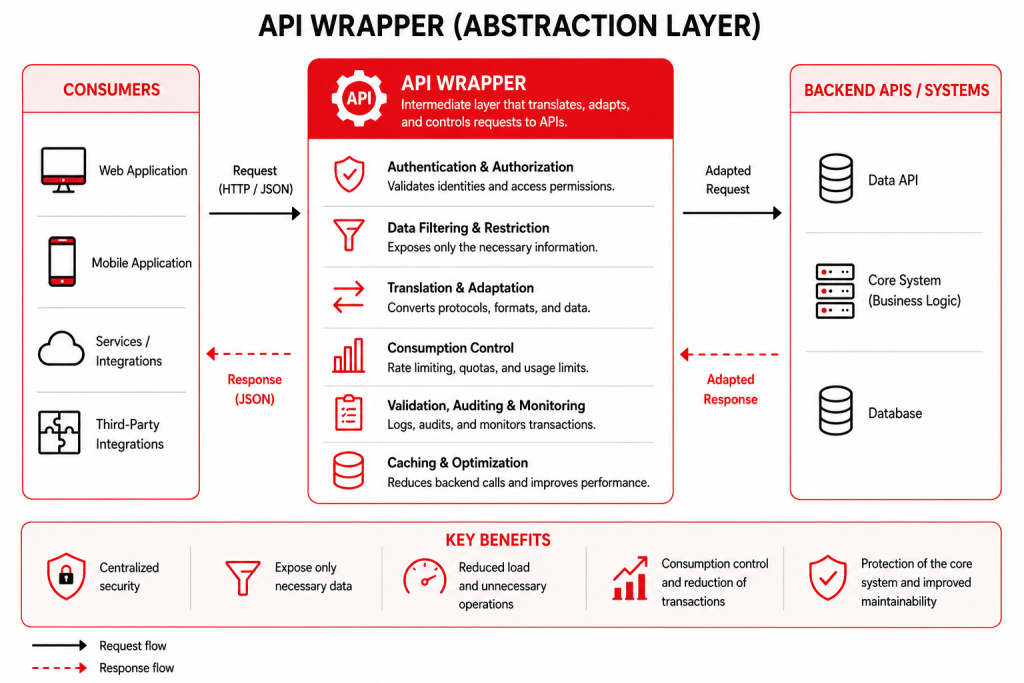
An API wrapper is an intermediary software layer that enables communication between external applications and legacy systems. In environments such as SAP ECC, for example, it allows organizations to control which data is accessed, how it is accessed, and even which operations are allowed to reach the organization’s ERP core. This approach is particularly important […] The post API wrappers in…
IA governance refers to a series of processes, policies, and best practices to ensure the ethical development of artificial intelligence technologies. It is the starting point for complying with regulatory frameworks and ensuring the responsible and safe use of these technologies within organisations. In this article, we will explore in depth what AI governance is, […] The post AI governance: best…
At Chakray Consulting Spain, we have achieved a significant milestone: last May, we obtained ISO 27001 certification, one of the most widely recognized and prestigious international standards for information security management. This achievement builds on the certifications previously obtained by the company in Sri Lanka and Tanzania. Obtaining this certification in Spain reflects, once again, […]…
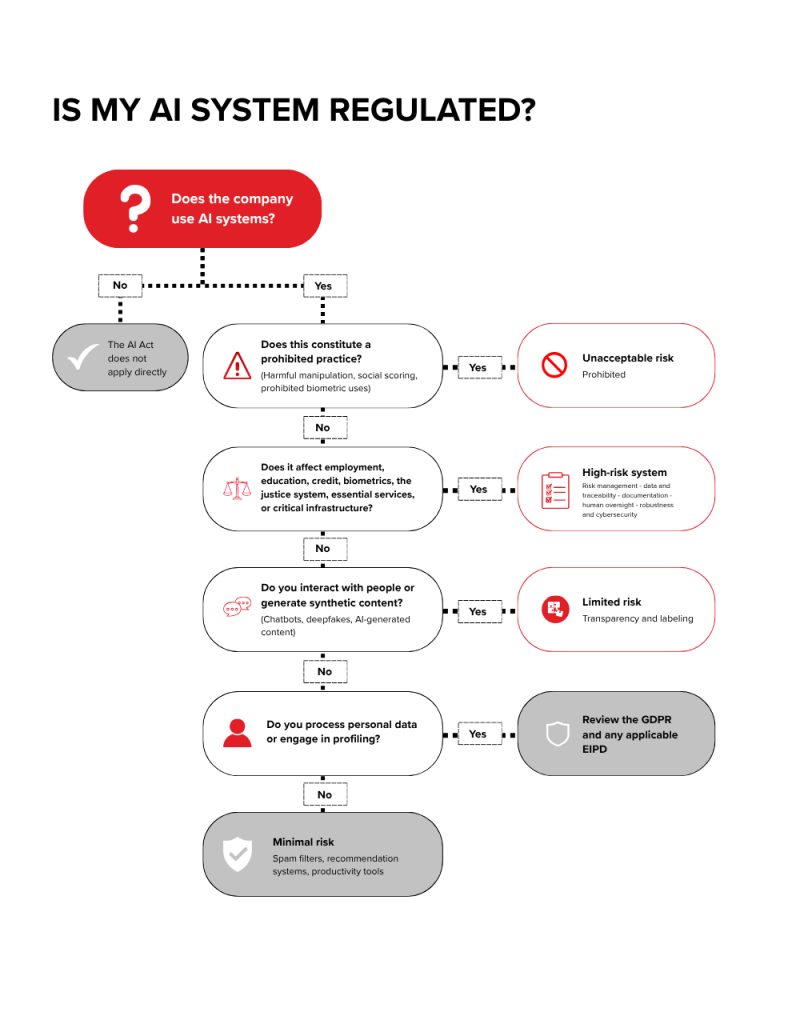
On August 1, 2024, the AI Act (Regulation (EU) 2024/1689) entered into force in the European Union, establishing a common framework for the development, marketing, deployment, and use of artificial intelligence systems. In addition to implementing this regulation, the Spanish government has promoted the Draft Bill on the Proper Use and Governance of Artificial Intelligence, […] The post Artificial…
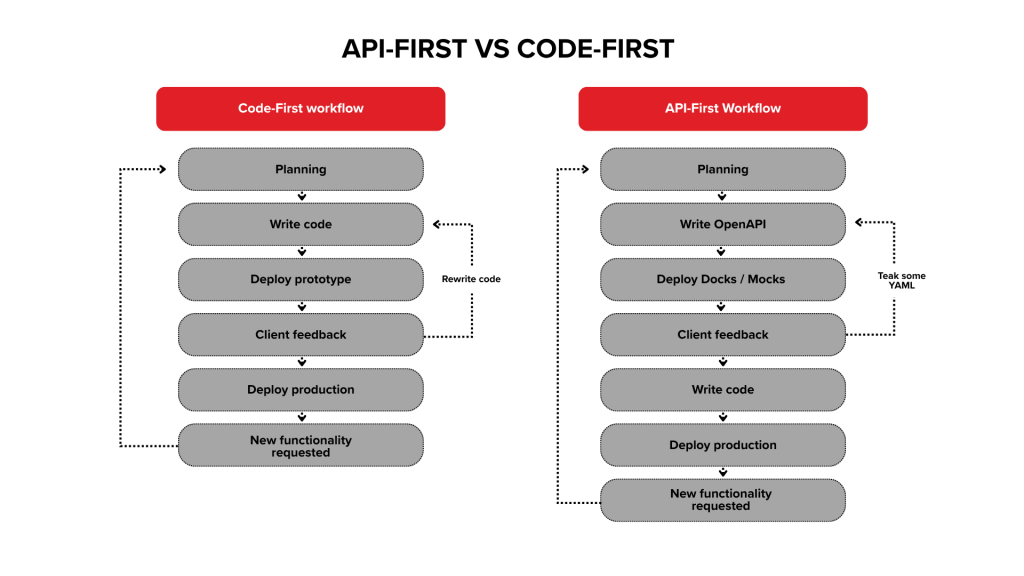
API-First has become an established approach to software design in which the API contract is defined before development, allowing backend, frontend, mobile, integrations, and platform teams to work from a shared foundation. According to the State of the API 2025 report, the shift from code-first to API First strategies is accelerating: 82% of organizations have […] The post API First: what it is,…
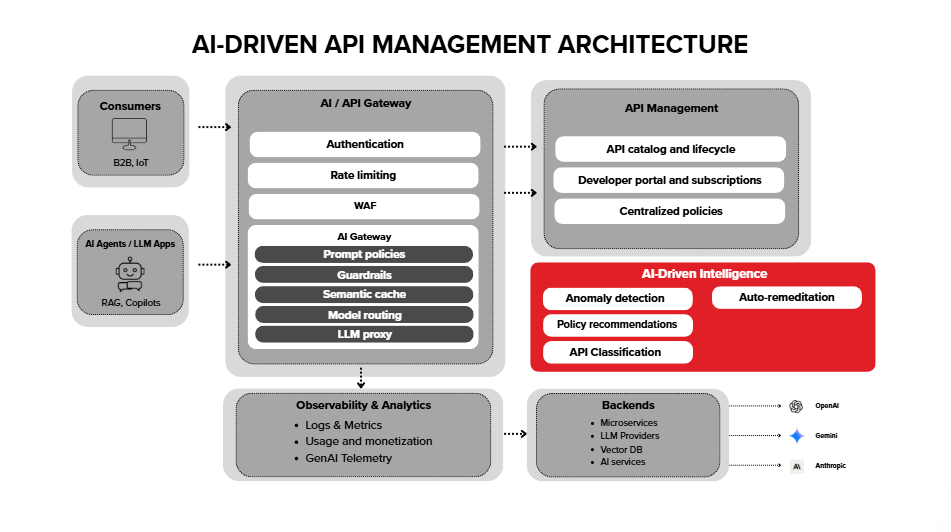
Does your company have scattered APIs, data, and connections that consume hours of work just to organize them and leverage their true potential? This scenario is more common than it seems in medium and large companies. It is known as API Sprawl, a phenomenon that complicates the governance, security, and scalability of digital ecosystems. The […] The post How AI is integrated into API management…
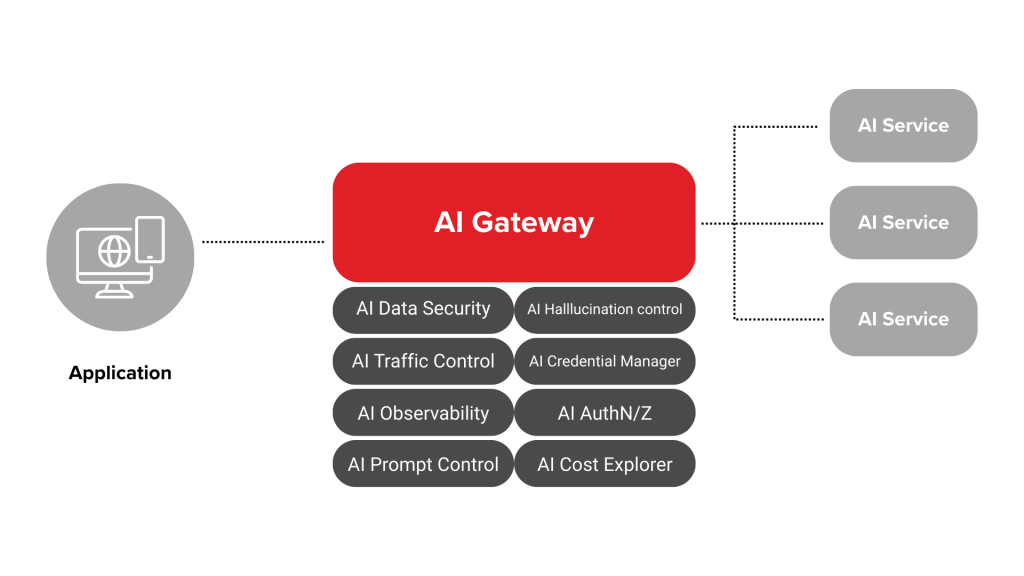
Does your organization already use AI models or intelligent agents, but you don’t know exactly who consumes them, how much they really cost, or how to set security limits in production? Without a central point of control, model calls become scattered, costs grow unpredictably, security weakens, and observability disappears. The AI Gateway is an essential […] The post AI Gateway: Smart management…