

Big thanks to Big E Bearded Coffee for their support of Chad’s Garden on Substack & on Facebook! Check out their special page for Chad’s Substack subscribers!
Big E is offering a 10% discount to Chad’s readers. The coupon code is live on their website & readers can use code: WEATHER10 for that special discount.
Notice how that big Silver Maple in your yard has the shaggy bark, but the young tree nearby or sapling has smooth gray bark? Same applied to Red Maple. That gray, smooth bark like an American Beech cracks & roughens with age to gray-brown & long, narrow plating.
Many trees go through this process as a juvenile specimen often in the transition to fruit-bearing & flowering age.
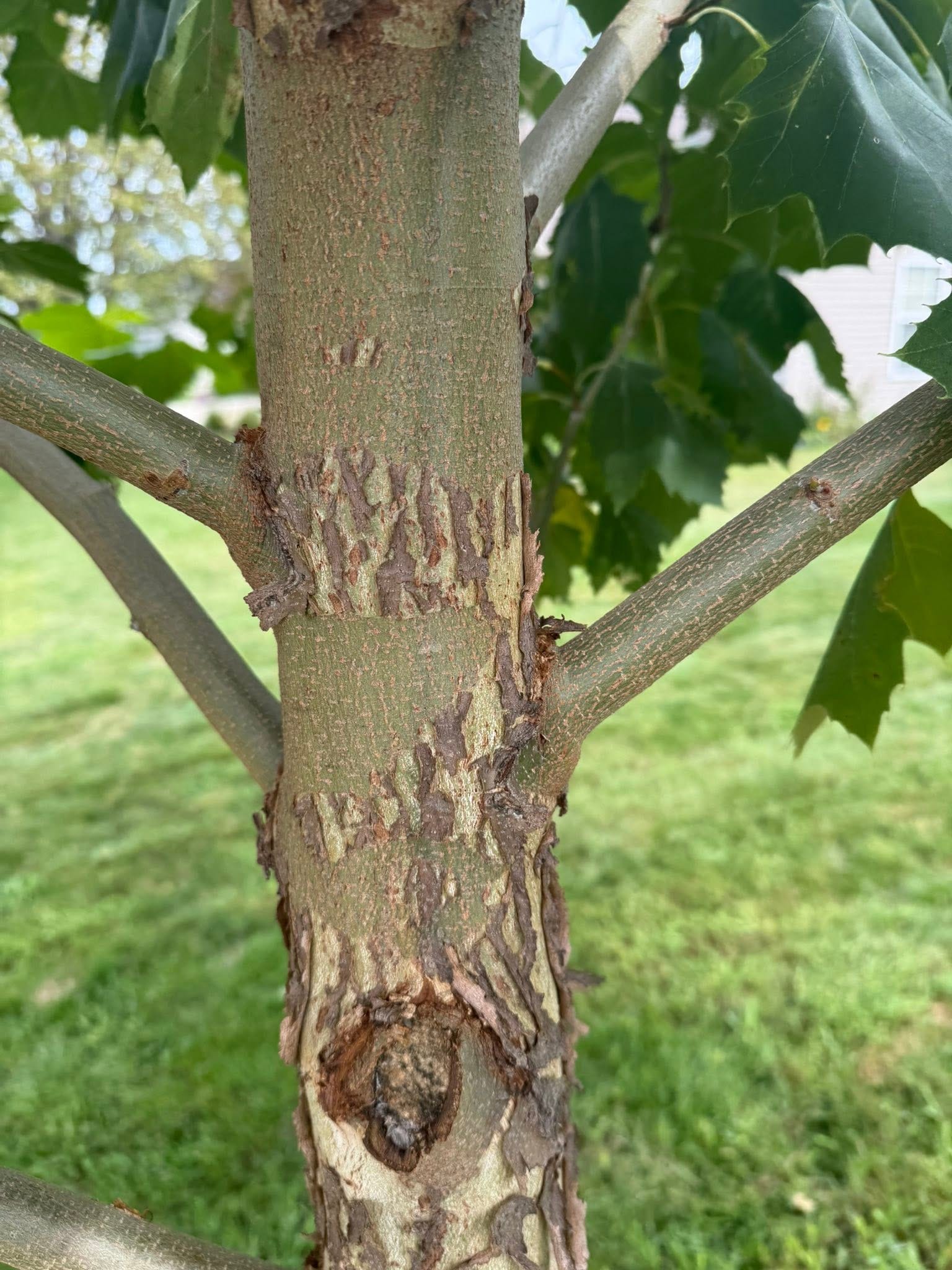
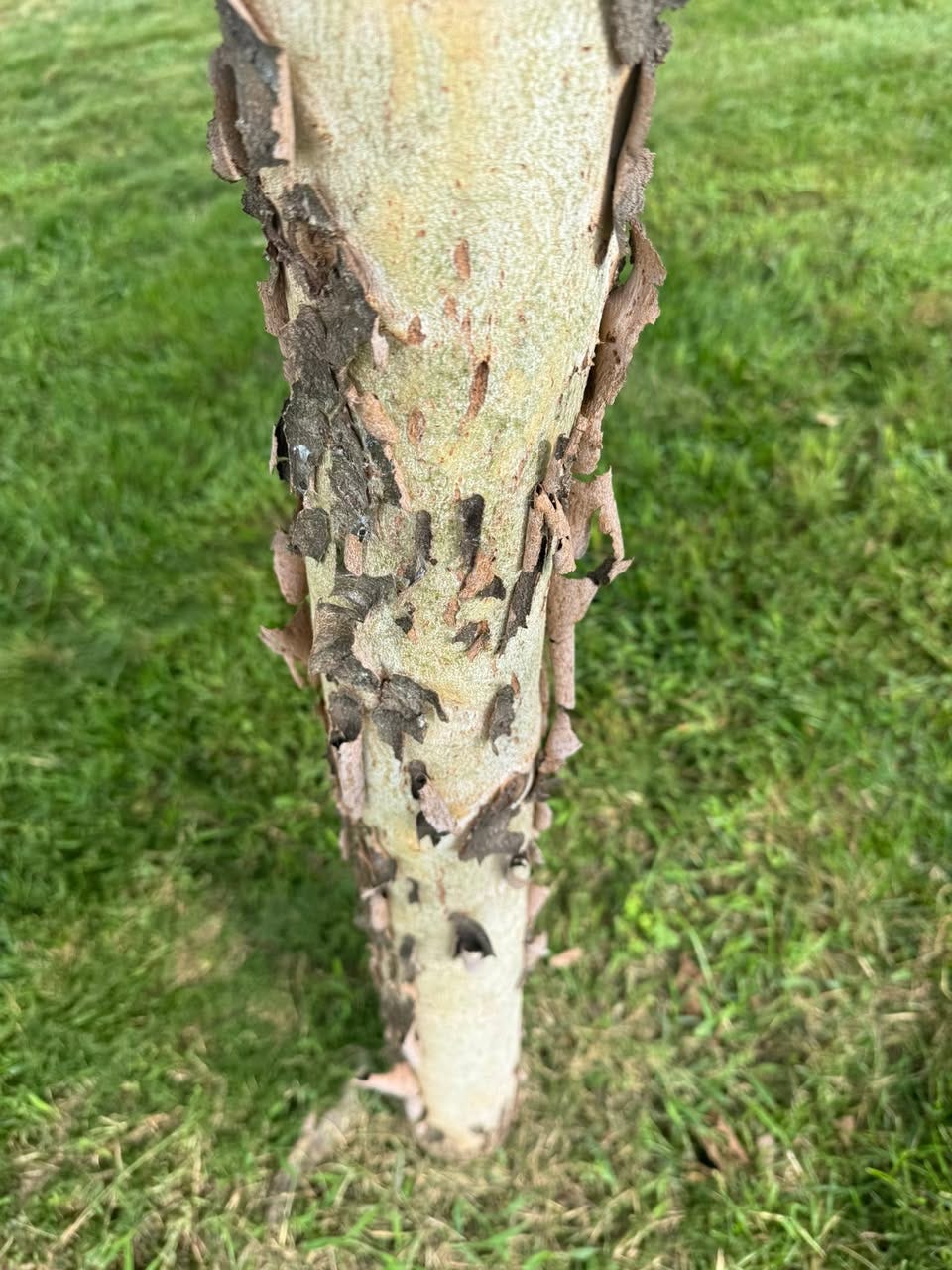
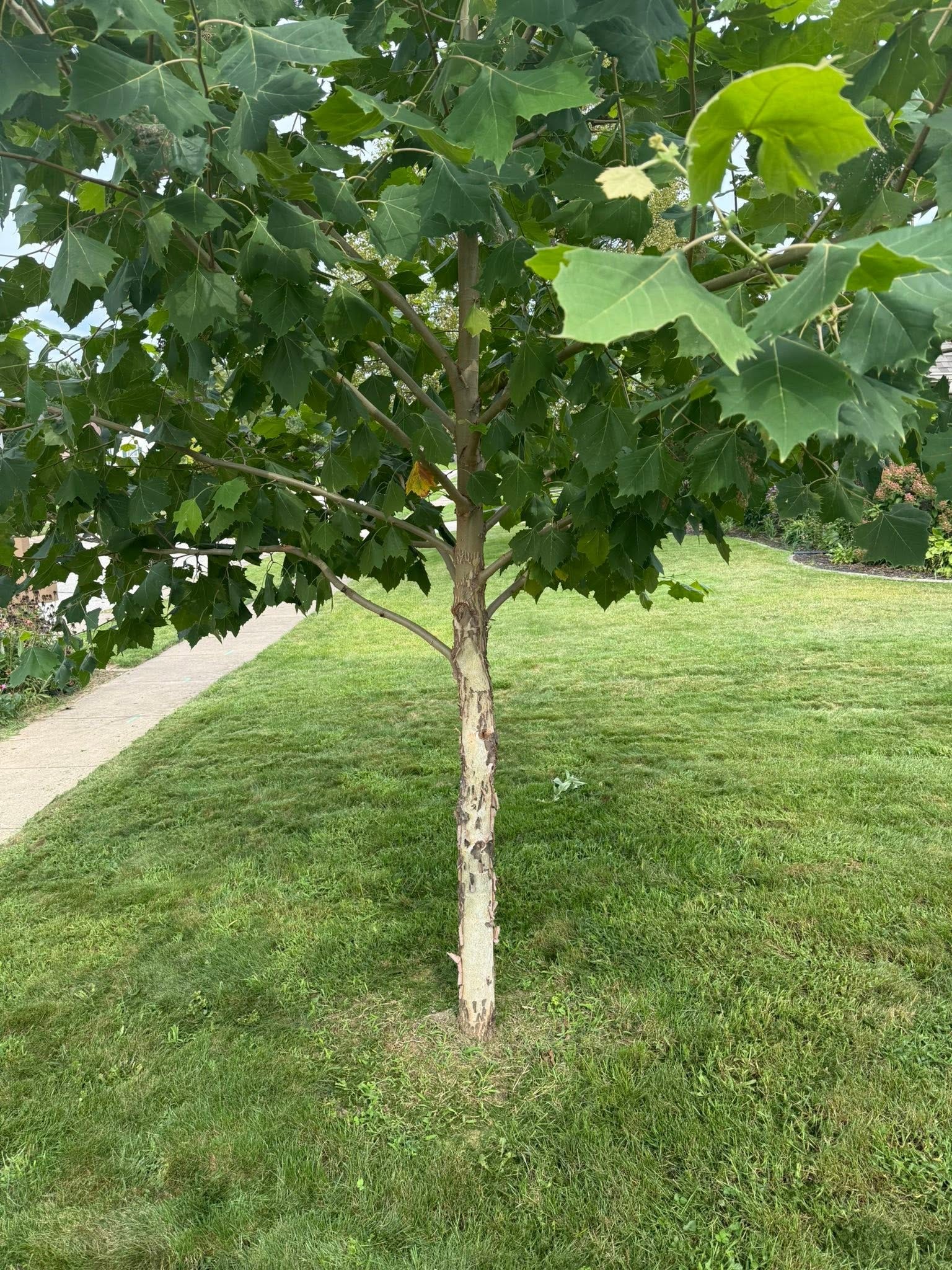
Some go through a dramatic shift in this “tree puberty” in a process called exfoliation. River Birch, Shagbark & Shellbark Hickory, American Sycamore all have very smooth bark as young trees before shifting to cracking & shedding of the outer layers of bark.
Other trees are a bit more subtle about it, like Sugarberry & Northern Hackberry whereby their gray, smooth Beech-like bark acquires warts with time & the warts increase with age on the trunk. The old specimens will shift to a cracking, scaly bark pattern. On Sugarberry it may take a very long time, but Northern Hackberry does it a bit earlier.
Quaking & Largetooth Aspens keep the characteristic white to white-gray bark & olive or light olive bark for a long while until larger girths are reached. At that point, both species see darkened rough ridging on the bark going from the base & farther upward with age.
American Hornbeam & American Beech are two species that never go through this bark puberty, but old-growth Beech in some genotypes will eventually crack & develop dark scaly pattern at the base of the tree.
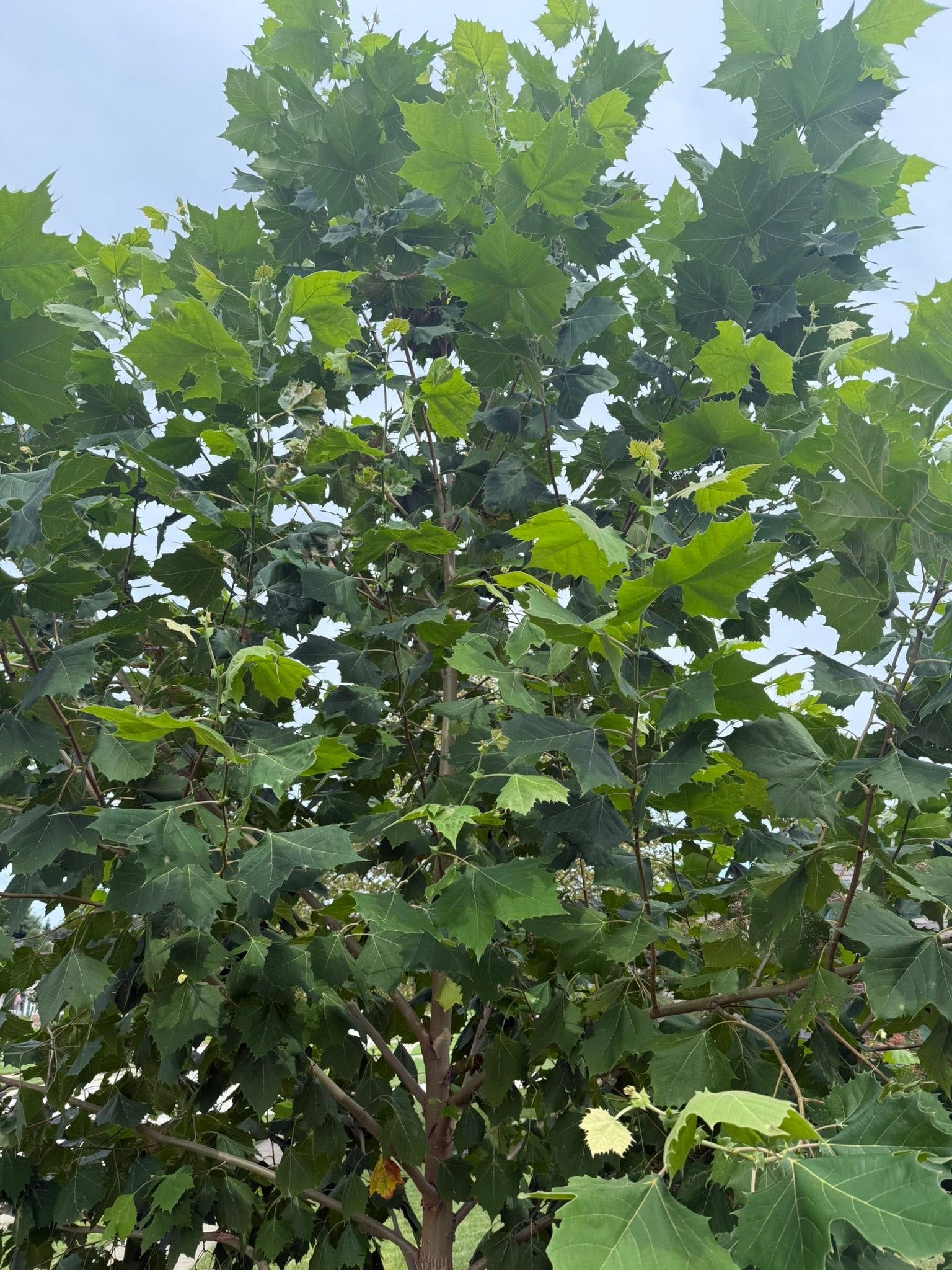
Our native American Sycamore at the house is going through this milestone currently:
Comments
Nothing yet. Say the first thing.
Sign in to join the conversation.