
A brief note from me before I begin:
After three years at University and a final two years of an intense degree, I’m finally back to writing on Substack! Thank you so much for everybody’s patience; I really do appreciate it, and I have some very exciting life updates to share with you all very soon regarding my future as a film journalist.
As I have officially gone full-time with my career in content creation and film journalism, my Substack will finally become a regular thing (again). I’m so excited and so grateful to finally have the time to sit down and write in depth about the films I have seen and the films that I love, and to be able to take care when doing so. I’m super excited to share my writing with you all, and I really hope you continue to follow me on this journey.
Spoilers for Obsession | Content Warning: Discussions of Sexual Assault
Over the past couple of years, we have been witnessing a generational change in the film industry right before our eyes, and we haven’t really started paying attention to it until now. We’re witnessing the next generation of great filmmakers all sharing something in common: a background in content creation and social media, and they are all reshaping the horror genre in particular. Over the last year alone, audiences have been treated to Bring Her Back (2025) from the Philippou brothers, a haunting tale of a grieving mother trying to reckon with tragedy in egregious ways, and in the past few weeks, we have seen record-breaking box office numbers from both Curry Barker’s Obsession (2026) and Kane Parsons’ Backrooms (2026). What these three films have in common, other than their creator’s backgrounds in YouTube and comedy, is that they are all critically and audience-acclaimed pieces of work that have made a home in the cultural zeitgeist. Both Barker’s Obsession and Parsons’ Backrooms, in particular, feel so specifically Gen-Z in a way that previous filmmakers have failed to tap into, begging the question of their background as internet personalities. With the internet and YouTube feeling so resonant and universal to Gen-Z upbringing, and Gen-Z being the primary moving-going audience, are YouTubers and content creators the answer to the future of cinema and should we embrace this change?
Focus Features (2026).
Content creation is a relatively new thing in terms of audience reach. For years, people were at home, picking up cameras and making short films with their friends, but with the creation of YouTube in 2005, this allowed for worldwide publication and viewing for free. Many major stars have been discovered on YouTube throughout the years, with major examples in music such as Justin Bieber, Shawn Mendes and Dua Lipa, to name a few. But why are we so hesitant to offer the same experiences to young filmmakers? The film industry, in particular, is heavily gatekept, thriving off of nepotism and elitism rooted in classist ideology, leaving more accessible industries like YouTube and content creation to be looked down upon. Furthermore, Hollywood prioritises projects it thinks will make the most money, relying on established IPs and bankable stars. The conceptualisation of Barker’s Obsession is the antithesis of this, yet it has become one of the most widely acclaimed movies of the year and is on track to become one of the most financially successful movies of all time. The film was made by a YouTuber on a budget of just $750,000; with no bankable names attached to the project, it’s currently beating the latest Star Wars blockbuster at the box office and has earned star Inde Navarrette a spot in the early Oscars conversation.
Barker’s Obsession is a movie that feels distinctly Gen-Z. From its conceptualisation as a film made by people with a background in the internet, something so deeply rooted in the shared Gen-Z experience, to exploring and critiquing the ideas of misogyny and male entitlement in the modern age. It is clear that Barker’s background in YouTube has given him an understanding of what Gen-Z audiences engage with, what they want to see, and most importantly, what they see themselves in. Not only this, but it is incredibly refreshing to see Gen-Z represented so well in the film’s screenplay, which is vital to the film’s execution of its horror. Gone are the eye-rolling days when we had to listen to how studio execs think we communicate and interact with one another, because Obsession demonstrates that we should not have to “just put up with it”.
Focus Features (2026).
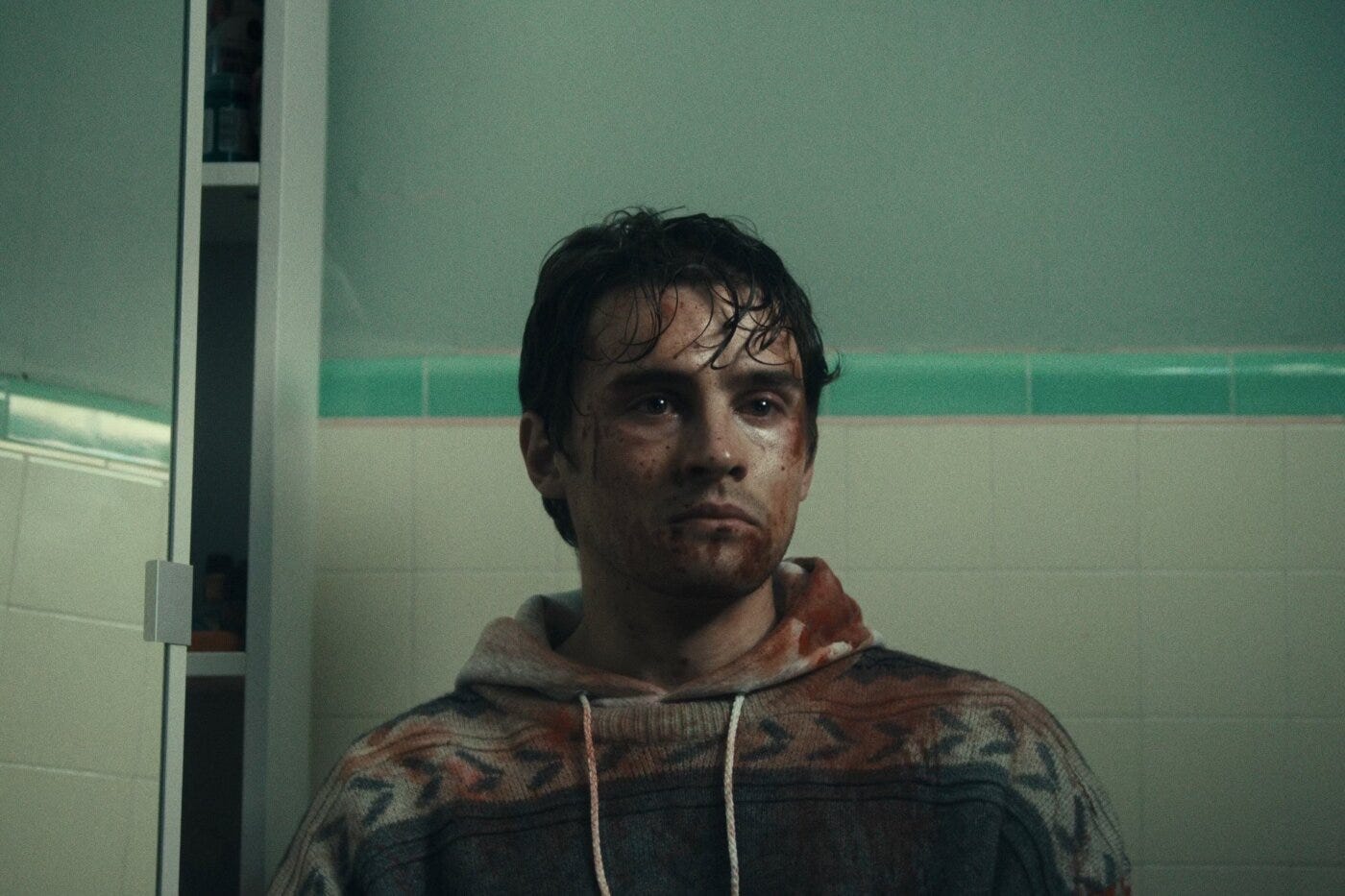
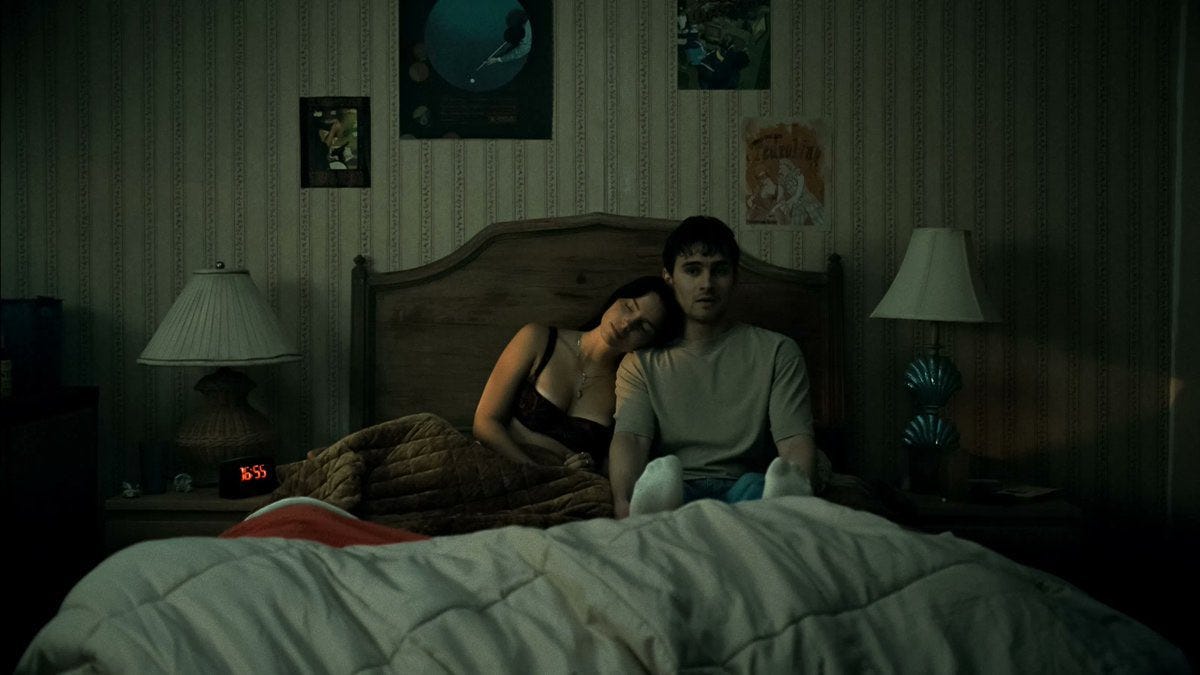
The true horror of Barker’s film lies in Bear, brilliantly portrayed by Michael Johnston, taking the form of the “nice guy” archetype, with something incredibly sinister lying deep inside him. Obsession begins with Bear practising confessing his feelings for his friend, Nikki (Inde Navarrette), initially tugging at the heartstrings, as he is just a guy with a crush. The intentionality employed by Barker is not intended to be a “gotcha” moment when things turn sinister with Bear; he implements this sympathy to emphasise the horror accompanying male insecurity and entitlement, ever-so-present in today’s Gen-Z culture when unchecked. When Bear snaps the one wish willow in a moment of desperation, whilst a surface-level engagement with this moment may view this as sympathetic, we must interrogate the fact that there is a small part of him that hopes it will work. This demonstrates his selfishness and complete disregard for Nikki’s autonomy, which becomes increasingly more concerning throughout the film. When Nikki’s behaviour begins to deteriorate in front of others, Bear is challenged to think about his actions, separate from whether Nikki is behaving this way against her will. He repeatedly disregards concerns from his friends and continues to take advantage of Nikki. The film’s most horrifying sequence is not a jump scare; it’s not a violent outburst or a scene littered with what you would stereotypically consider “disturbing imagery” in a horror movie; it’s the sequence of Bear sexually assaulting Nikki after her outburst in the diner. The scene depicts Bear on top of Nikki as he has sex with her. We hear Nikki making noise and then see her face, which looks completely lifeless as she stares into the camera. Her autonomy has been completely stripped from her, as she lies helpless and horrified in Bear’s bed. He is the true and only villain of this story, and the fact that people are arguing that he isn’t highlights the very issue Obsession is commenting on.
Misogyny and male insecurity are some of the most pressing issues within Gen-Z culture, and Barker has successfully tapped into that conversation, generating necessary discourse within online circles. By giving the keys to somebody who has a clear understanding of how Gen-Z audiences function and who doesn’t hold any loyalties to the studio system, we have successfully unlocked a mode of Gen-Z storytelling previously unseen. This highlights the necessary changes we’re seeing in the movie industry and why we should not let the Hollywood elite continue to gatekeep original stories from us. Furthermore, it is incredibly important that we are critiquing the behaviour of Bear and investigating how and why this can and may reflect in behaviour prevalent throughout our generation. Barker’s film is a demonstration of the importance of film as a political vehicle and goes to show that whether we like it or not, all art is political.
Comments
Nothing yet. Say the first thing.
Sign in to join the conversation.