
When we think about longevity, most of us picture helping our bodies live longer. But what if living longer also meant more years of forgetfulness, confusion, or cognitive decline?
That’s the crossroads modern science puts in front of us: it’s not just about lifespan, but about brainspan — the number of years we enjoy clear memory, mental agility, emotional balance, and independence.
The good news? Research shows that while certain brain changes associated with age are inevitable, much of cognitive decline can be prevented. Lifestyle, diet, and mental habits have a profound impact on how well your brain ages. And the sooner we start paying attention, the greater the benefits — for ourselves and for the people we care about.
“Brainspan” is a term scientists use to highlight brain health over time — not just how long we live, but how many of those years we stay mentally sharp.
Lifespan = number of years alive
Healthspan = years lived free from serious disease or disability
Brainspan = years of optimal cognitive and emotional health
Think of it this way: if you live to 90 but start having dementia symptoms at 70, your brainspan is 70 years.
But imagine living to 90 with sharp thinking — your brainspan has matched your lifespan.
This isn’t a merely theoretical concept. Studies show that after age 60, people fear cognitive decline more than physical disability. In fact, surveys suggest that Alzheimer’s disease has become one of the greatest health-related fears worldwide (Anderson et al., 2009; Meyer et al., 2024 ).
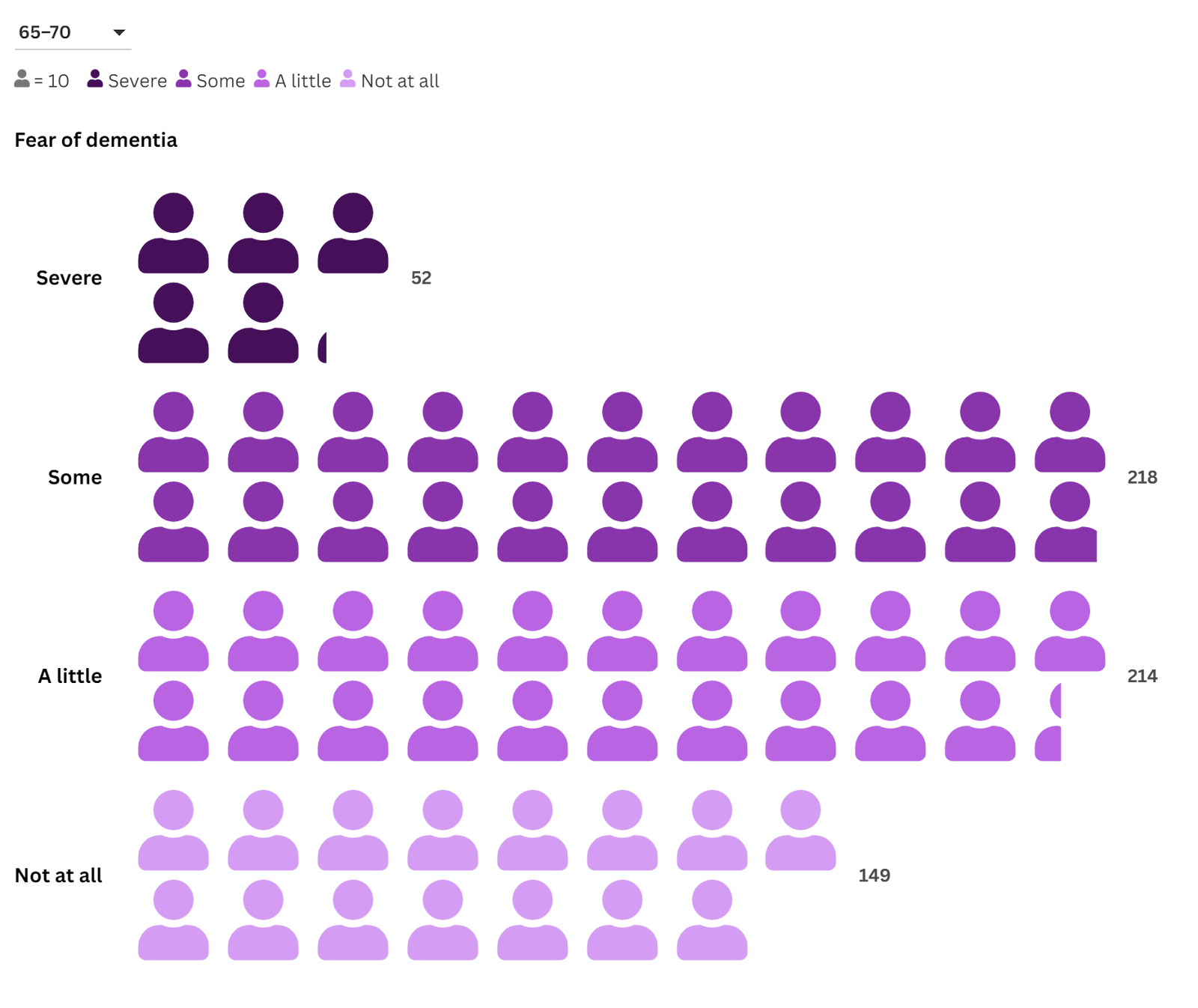
Figure 1. Fear of dementia in the German population aged above 65 (based on data from Meyer et al., 2024)
Let’s start by separating myth from science.
Slower processing speed (you may need an extra second to recall a name)
Slight difficulty multitasking
Stable vocabulary and accumulated knowledge (often even improving with age)
Memory loss that disrupts daily life
Difficulty with language and problem-solving
Changes in personality or mood
Loss of independence
Therefore, aging itself doesn’t doom us to disease. While conditions like Alzheimer’s or vascular dementia are common, they are not inevitable. Lifestyle choices can either accelerate or protect against these changes (Livingston et al., 2020, Lancet Commission on Dementia Prevention).
Over the past two decades, research has exploded around the question: what protects the aging brain? Several key findings stand out:
The old belief that brain cells stop regenerating in adulthood has been overturned. Our brain continuously builds new connections. Repeated actions strengthen connections, while irrelevant connections disappear (prune).
There is encouraging evidence from animal studies that the hippocampus (the brain’s memory hub) can continue producing new neurons — a process called neurogenesis — well into older age.
While there is no consensus about human neurogenesis (Eriksson et al., 1998; Spalding et al., 2013), it is well known that exercise and certain diets increase neurotrophic factor production supporting brain plasticity.
People with higher education, complex jobs, or mentally stimulating hobbies show reduced dementia risk. This "cognitive reserve" acts like a protective buffer, helping the brain compensate for age-related changes (Stern, 2012).
Regular exercise boosts blood flow and increases brain-derived neurotrophic factor (BDNF), a sort of “fertilizer” for brain cells (Cotman & Berchtold, 2002).
The Mediterranean and MIND diets — rich in plant foods, fish, nuts, and olive oil — are consistently linked with slower cognitive decline (Morris et al., 2015).
Chronic stress and poor sleep accelerate brain aging by raising cortisol and interfering with memory processing (McEwen, 2007).
Here’s the empowering part: scientists estimate that up to 40% of dementia cases worldwide could be prevented or delayed by addressing modifiable factors — diet, exercise, blood pressure, hearing, social activity, and more (Livingston et al., 2020).
That means brainspan is, to a large degree, in our hands. And not just for ourselves — but for our partners, parents, and loved ones, whose health decisions may shape how long they remain emotionally present and cognitively vibrant.
Don’t settle for adding years to your life — aim to add life to your years.
Focus on lifestyle changes that improve both healthspan and brainspan.
Start small: even a single new habit (like walking 30 minutes daily) has measurable effects on brain resilience.
Remember: prevention works best decades before decline shows — but it’s never too late to see benefits.
Anderson, L. A., et al. (2009). Public perceptions of aging and dementia risk. Journal of Aging & Health.
Cotman, C. W., & Berchtold, N. C. (2002). Exercise and brain neurotrophins. Trends in Neurosciences, 25(6), 295-301.
Eriksson, P. S., et al. (1998). Neurogenesis in the adult human hippocampus. Nature Medicine, 4(11), 1313–1317.
Livingston, G., et al. (2020). Dementia prevention, intervention, and care: 2020 report of the Lancet Commission. The Lancet, 396, 413-446.
McEwen, B. S. (2007). Stress and cognition. Nature Reviews Neuroscience, 10, 873–882.
Meyer, J. L., et al. (2024). Fear of dementia among middle-aged and older adults in Germany. Dementia and Geriatric Cognitive Disorders Extra, 14(1), 96–105.
Morris, M. C., et al. (2015). MIND diet associated with reduced incidence of Alzheimer's disease. Alzheimer's & Dementia, 11(9), 1007-1014.
Spalding, K. L., et al. (2013). Dynamics of hippocampal neurogenesis. Cell, 153(6), 1219–1227.
Stern, Y. (2012). Cognitive reserve in ageing and Alzheimer’s disease. The Lancet Neurology, 11(11), 1006–1012.
No posts
Comments
Nothing yet. Say the first thing.
Sign in to join the conversation.