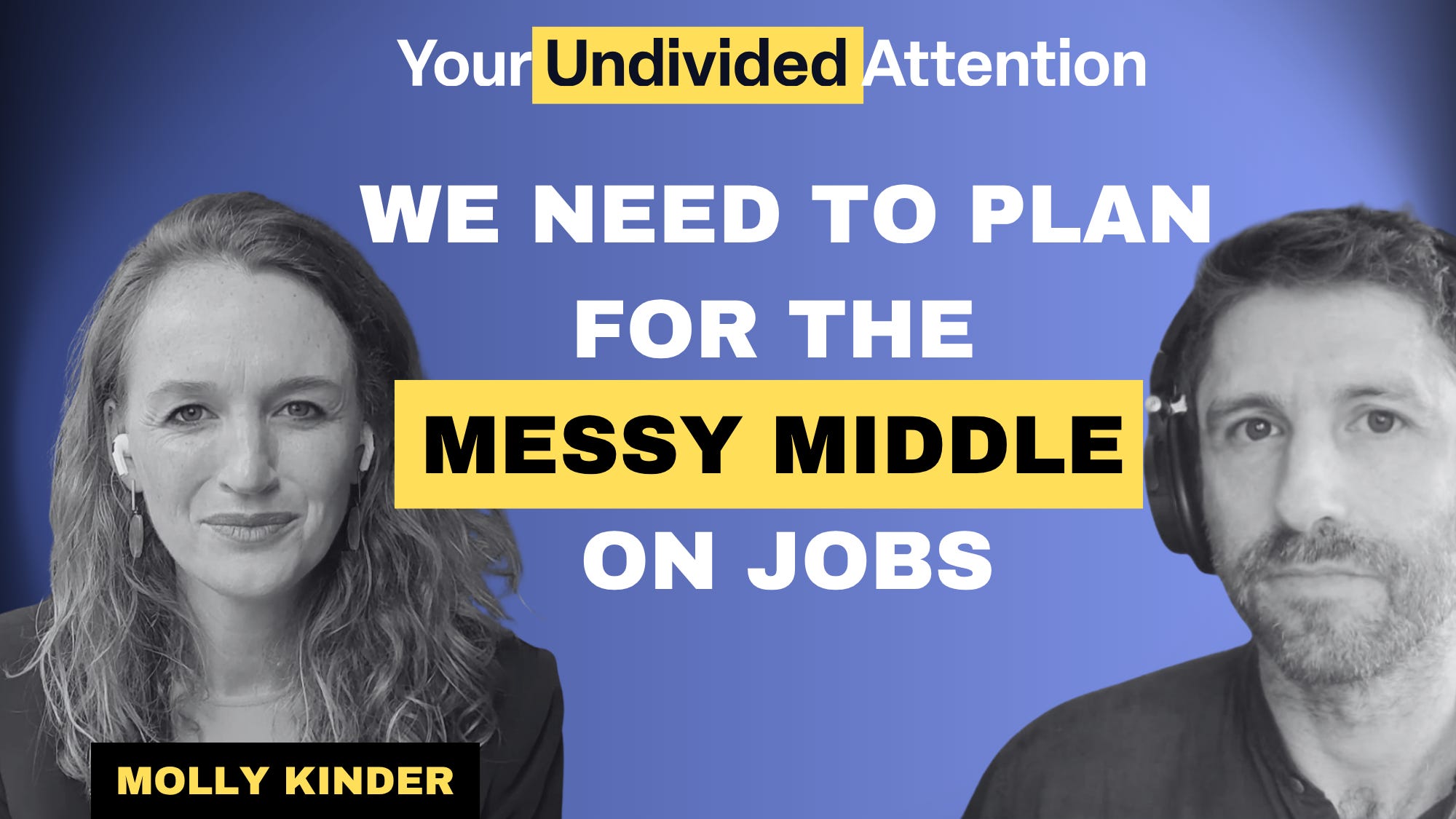
Enough Debate about the AI Jobpocalypse. We Need To Plan for the Messy Middle.
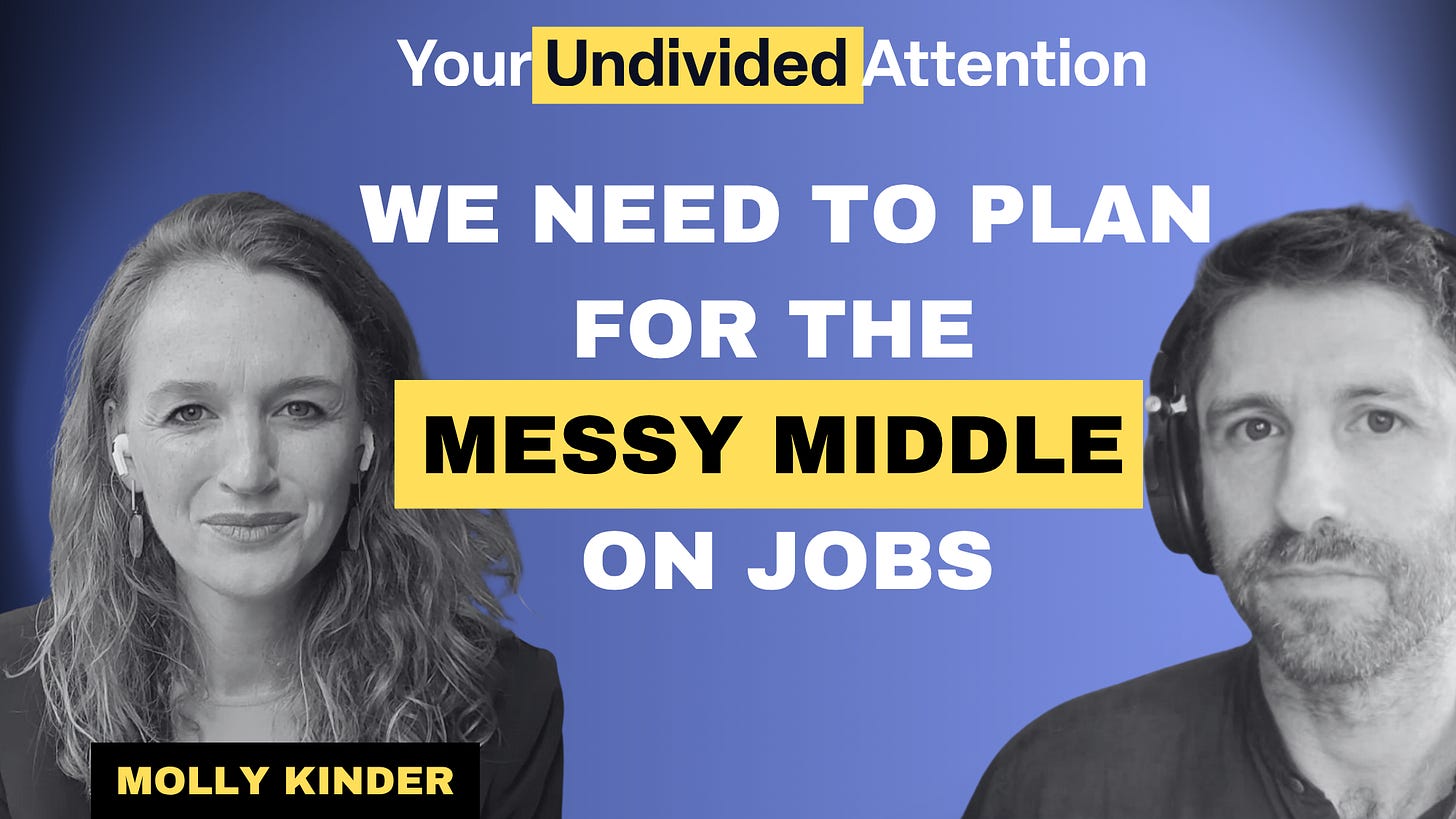
Listen to the latest episode of Your Undivided Attention on the AI disruption workers can expect in the near future — and what we can do about it.

Center for Humane Technology is a nonprofit dedicated to ensuring that the most consequential technologies serve humanity. We bring clarity to how the tech ecosystem works in order to shift the incentives that drive it.
Subscribe:.rss.atom.json.md.m3u.pls
Live Last read · last published · next check
Saves to your Listen queue, to pick up on another day or another device.
Listen to the latest episode of Your Undivided Attention on the AI disruption workers can expect in the near future — and what we can do about it.
Caught between arguments of abundance and apocalypse, economist Molly Kinder explores what workers can expect in the near future — and what we can do about it.
The more we know about the data that are needed to answer the most important questions about AI’s psychosocial impacts, the clearer we can be about what data access solutions need to look like.
This year, the story AI companies have been telling about AI has been changing – more and more it’s becoming a story about humans.
A letter from CHT’s Executive Director
Have you been on a customer service phone-call recently and found yourself wondering whether you’re actually talking to a human – or to an AI voice agent?
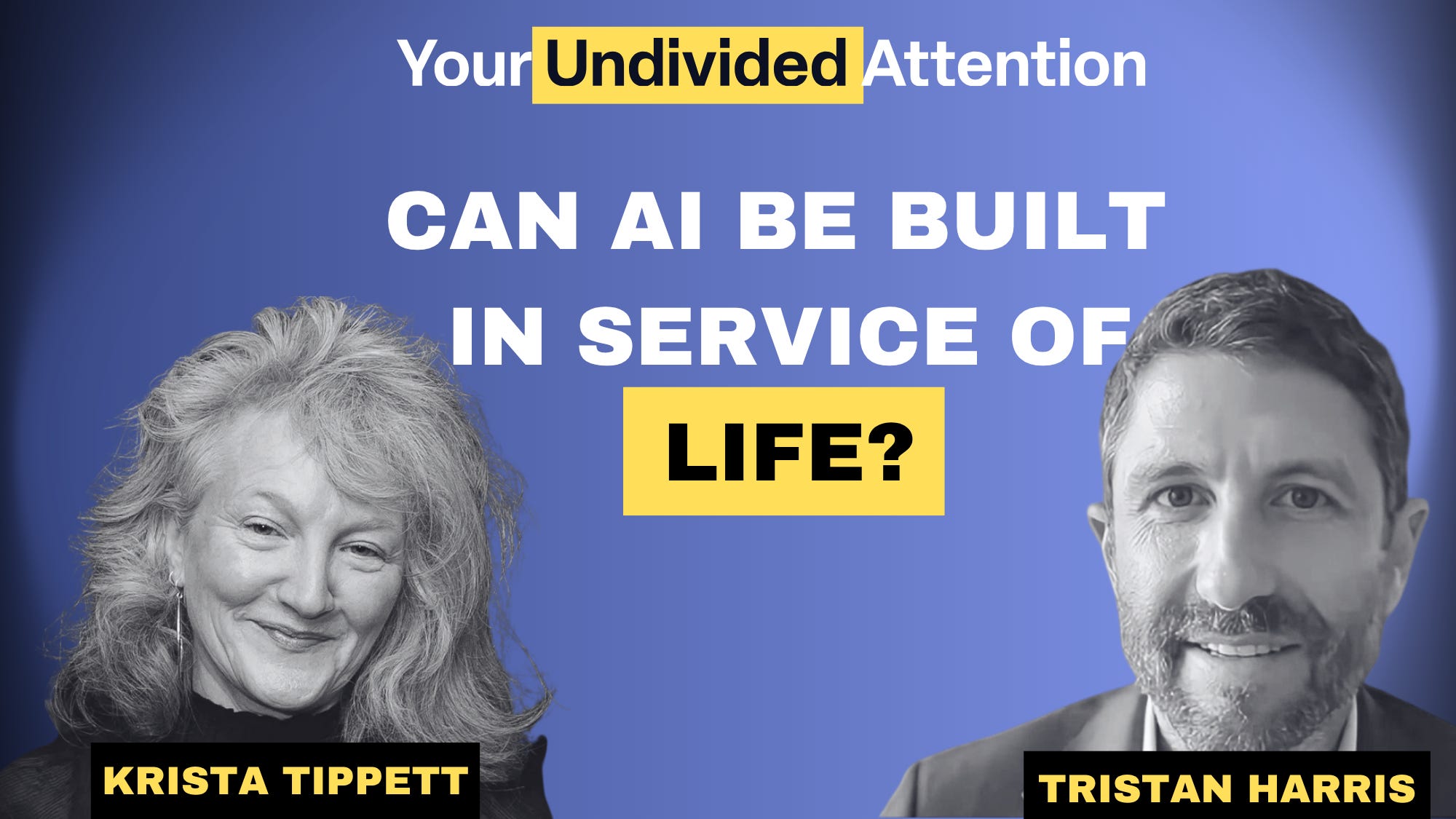
A conversation with journalist Krista Tippett
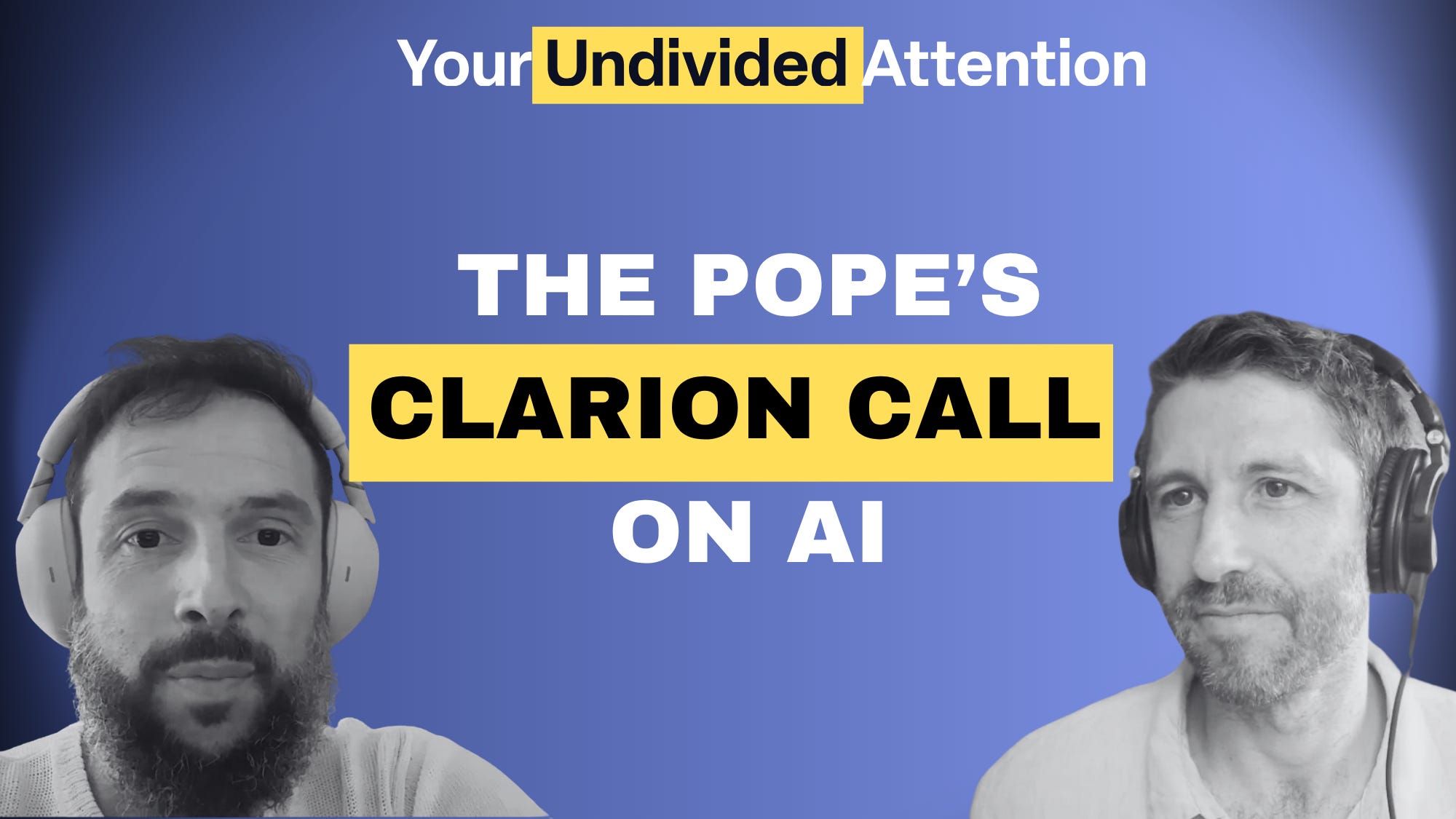
Tristan Harris on his experience meeting the Pope ahead of his encyclical on AI
Last Friday, as I wrapped up my work week, I, like many of us, saw an unprecedented piece of AI news come across my newsfeed.
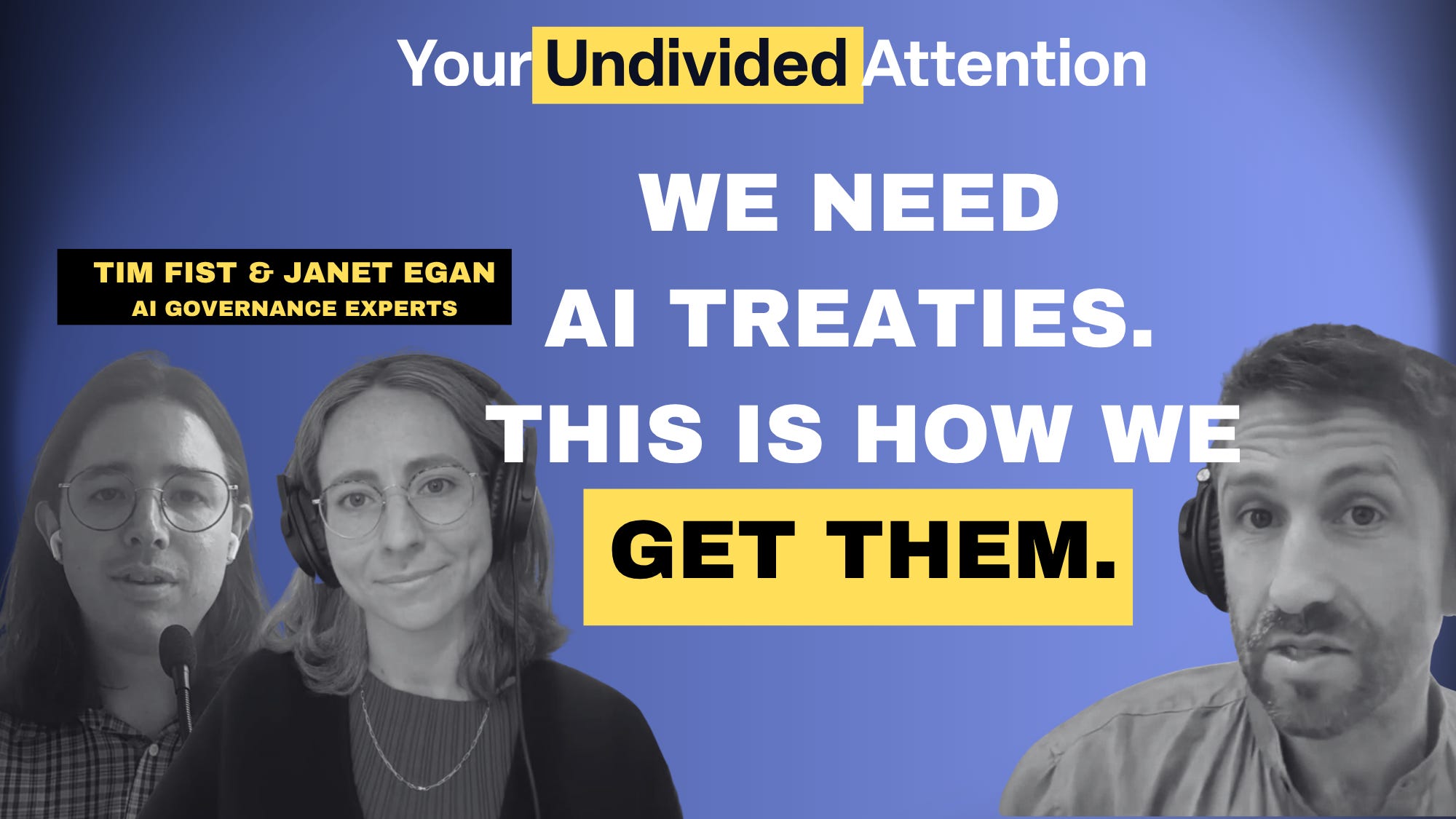
A conversation with experts on the tech we need to govern AI
For AI to serve humanity’s best interests, we need more thoughtful, diverse voices shaping the story we tell about it.
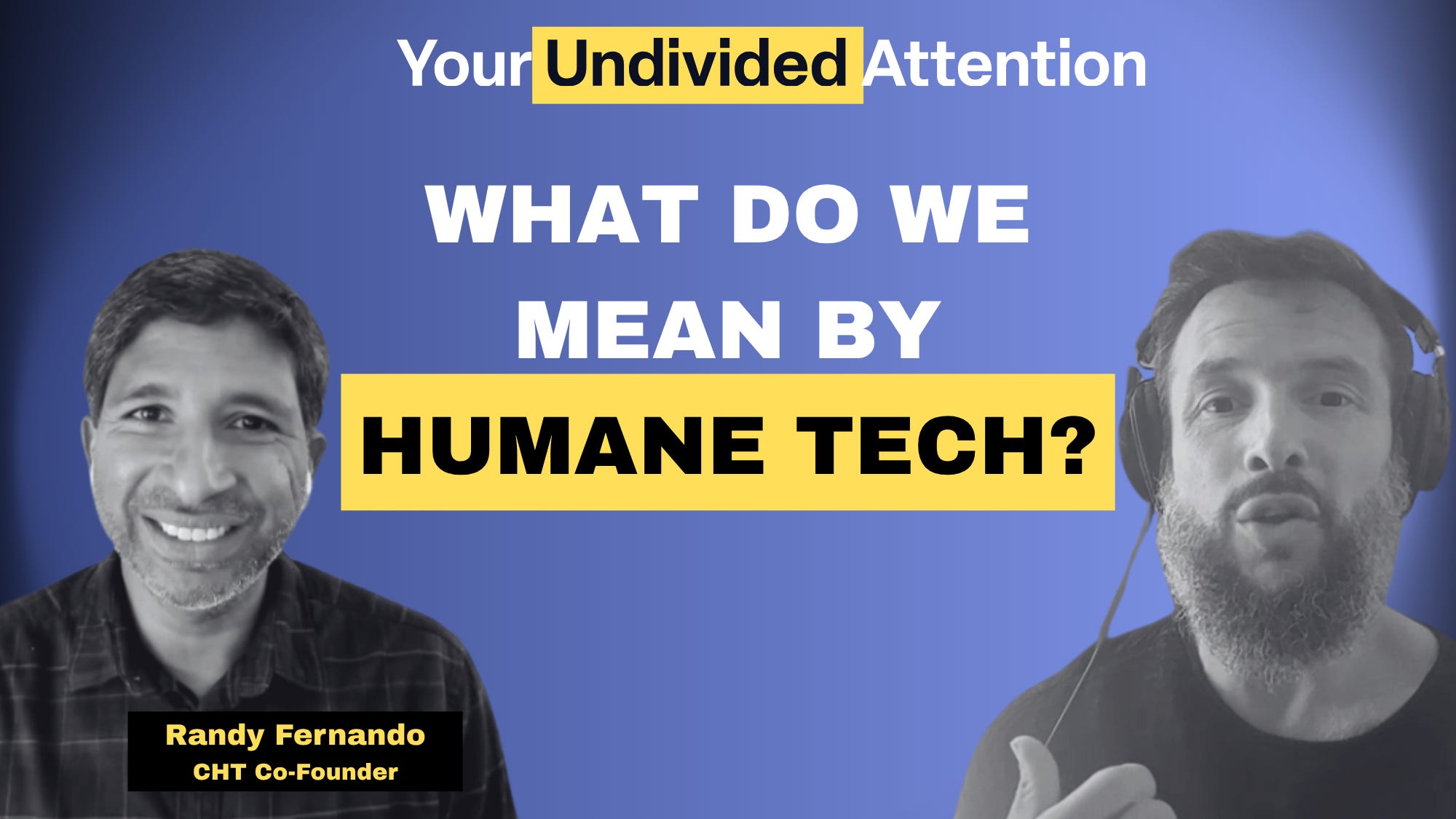
CHT co-founder Randy Fernando breaks down the principles of humane technology.
Plus We Want to Hear From You!
You can’t build machines that jeopardize civilization without expecting regulators to step in.
Two experts weigh in on the new world of digital security.
“First solve intelligence, then use intelligence to solve everything else.” That was how Demis Hassabis summed up the vision of DeepMind (now Google DeepMind) when he founded the company in 2010.
A conversation with physician and futurist Dr. Emilia Javorsky
We measure AIs to see whether they can pass a bar exam, write working code, and use your computer interface. We test to see how good they are at completing complex tasks, or just impressing humans.
Plus, what’s really going on “under the hood” of a chatbot
What happens when we try to psychoanalyze AI systems