
Saluto,
In a series of tweets made in April of 2026, the President of the United States threatened Iran.
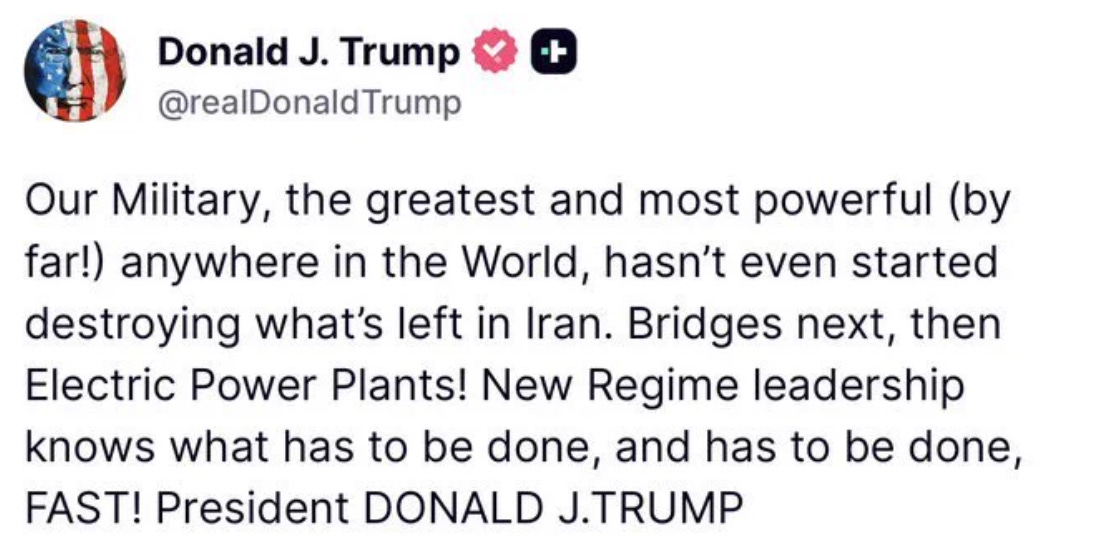
Not only did he write things such as “a whole civilization will die tonight, never to be brought back again” if his demands in the war are not met.
He also made a series of tweets threatening much of Iran’s infrastructure. Tweets like these:
Bridges, energy plants, railways, or even civilian buildings are objects that can serve both a civilian and a military function at the same time.
Under international humanitarian law, these are called dual-use objects.
And the range of what counts as “dual-use” keeps expanding. It’s not just bridges and power plants anymore:
Transport infrastructure (like roads, railways, airports) serves civilians and militaries alike, almost by default.
Ordinary buildings, homes, hospitals can become dual-use if armed groups operate out of them.
Newer technology is dual-use by nature: military operations increasingly run on the same satellites, cables, and networks that carry ordinary civilian internet and communications.
Even things civilians need just to survive (food production, financial systems, electricity) can be framed as supporting a war effort, if you stretch the logic far enough.
The pattern is that the more interconnected modern life gets, the harder it becomes to find anything that’s purely civilian.
So this newsletter will help you understand this topic and has three parts: the concept and the law behind it, how Trump’s tweets fit in, and some readings if you want to dig deeper.
Are dual-use objects legitimate military targets?
An object becomes a legitimate military target if it meets two conditions at once: it makes an “effective contribution to military action,” and destroying it offers a “definite military advantage.”
The two conditions test different things. The first asks whether the object has a real military use right now. The second asks whether destroying it would actually give a clear concrete military benefit.
Both conditions have to be met, not just one.
The U.S. Department of Defense's own Law of War Manual states that electrical power stations are 'generally recognized to be of sufficient importance' to a state's military functions 'to qualify as military objectives during armed conflicts.' So if a power plant gives most of its power to a military base, it's clearly a legitimate target.
But what if it mostly powers civilians, and soldiers only benefit indirectly? Is it still legitimate?
This is exactly where the two-part test gets shaky.
Is powering a base, indirectly, through the same grid that powers hospitals, an “effective contribution”? Is destroying it a “definite” advantage, or just a marginal one dressed up as military necessity?
The law doesn’t give you a formula to answer that. It asks you to weigh the expected harm to civilians against the military advantage gained, a principle called proportionality.
But this relies on judgment calls, with no agreed threshold for how much civilian harm is “too much” relative to how much military benefit is gained.
That’s why there you’ll get different answers depending who you ask.
Inside of a country, the military might answer this differently than civil society. But also within the military, you’ll have different answers because everyone is making different proportionality judgments.
This isn’t theoretical. We have seen Russia and Israel use that ambiguity to treat nearly every dual-use object as a legitimate target.
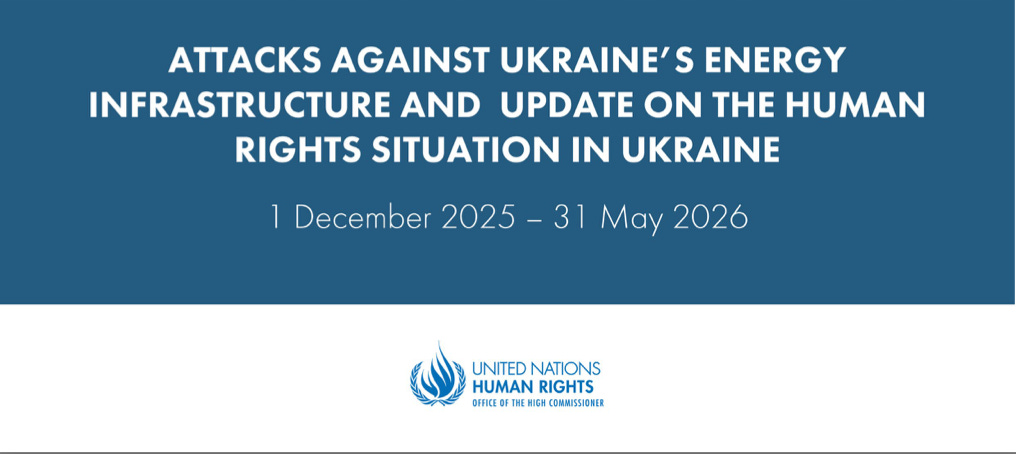
In Ukraine, Russia has repeatedly struck the country’s electrical grid, leaving millions without power, water, or heat through winter. Putin’s justification: this would affect Ukraine’s military capabilities.
Meanwhile, in Gaza, Israeli strikes have hit hospitals, schools, and electrical infrastructure, justified by claims of Hamas fighters or tunnels operating beneath them.
Behind all the strikes that led to this:
or this:
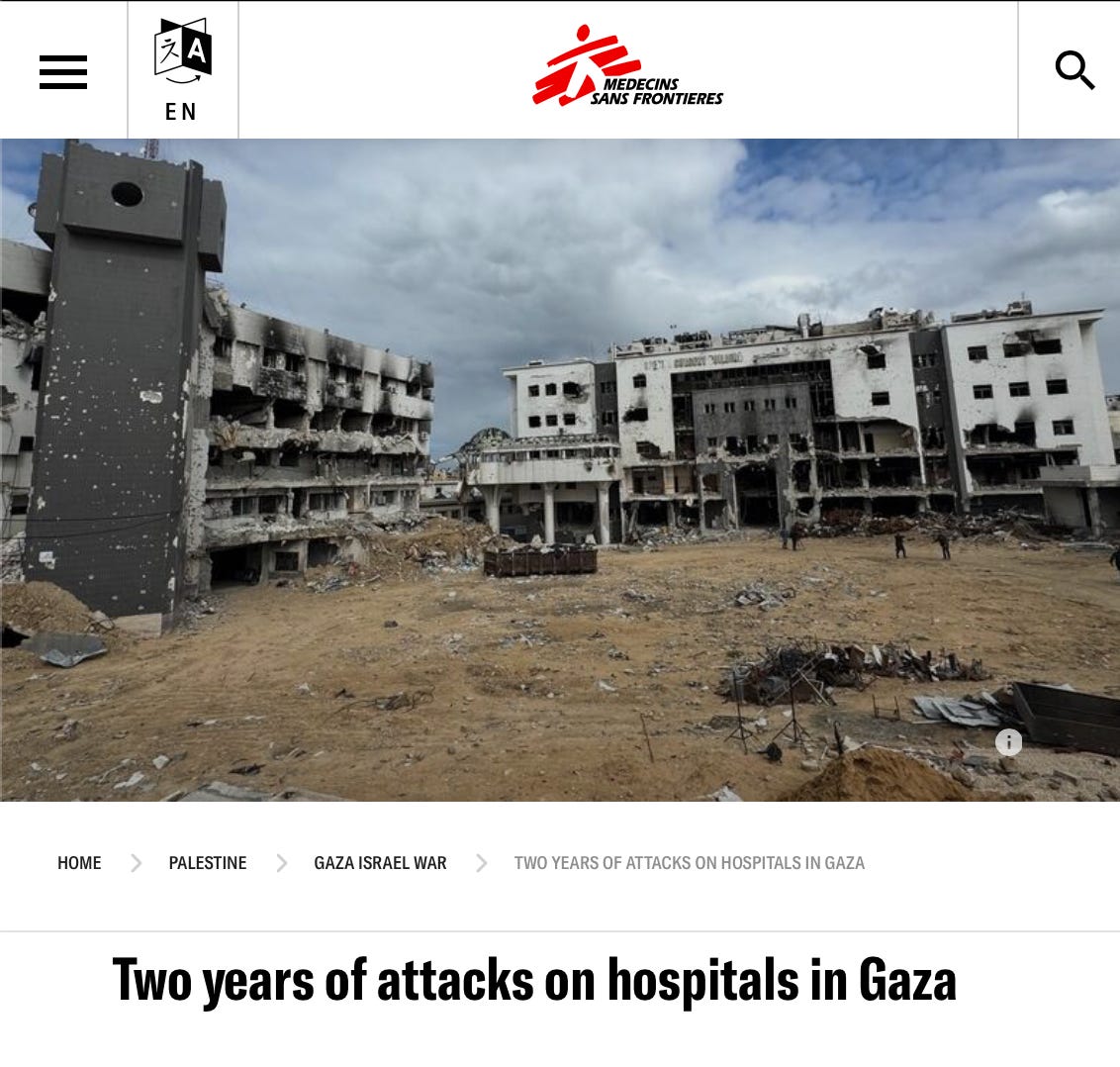
is a military official who reached this exact judgment call, and decided to pull the trigger.
💭 My takeaway: this is exactly why Trump's tweets about Iran's infrastructure should worry you
Most attention aimed at Trump’s tweets focus on where he said that ‘a whole civilization will die tonight, never to be brought back again’. And rightfully so, threatening to wipe out “a whole civilization” edges into genocide territory.
But it's also easier to dismiss: "that's just Trump talking, he doesn't mean it."
The infrastructure threat doesn’t get that excuse. Nobody has to “mean it” in some dramatic way for it to matter. It just needs the ambiguity I explained above.
Tweets like these, plus comments from Secretary of War Pete Hegseth about "no quarter, no mercy" against Iran, send a message down the chain of command.
And those messages change how officers use the judgment calls that the law allows them to make. Targets that used to feel unacceptable because of civilian casualties start to look more acceptable.
And here's the part that should really make you think: when Russia struck Ukraine's power grid, the former Chairman of the Joint Chiefs of Staff, Mark Milley, called it a war crime.
Plus, Russia’s targeting of the electrical grid in Ukraine has formed in 2024 the basis for arrest warrants at the International Criminal Court against two Russian military commanders.
So if Iran's energy plants and power grid become the target Trump's tweets suggest, the US would be doing the exact thing Mark Milley called a war crime when someone else did it.
🗞️ The articles to dig deeper
Dual-Use objects and dual-purpose attacks - Lieber Institute
The Dangerous Rise of “Dual-Use” Objects in War - Yale Law Journal
Is that legal? Trump threatens bridges, power plants and a ‘whole civilization’ - CNN
Happy readings,
Dr Cedric Pfanner
No posts
Comments
Nothing yet. Say the first thing.
Sign in to join the conversation.