Diving deep into the knowledge of the Vedas from the Gaudiya Vaiṣnava perspective, inside the purview of the teachings of A.C. Bhaktivedanta Swami Prabhupada.
Prabhupāda mentions that the soul is part of the divine potency of Kṛṣṇa and at some point becomes covered but also says that the soul is eternally conditioned. How to understand that?
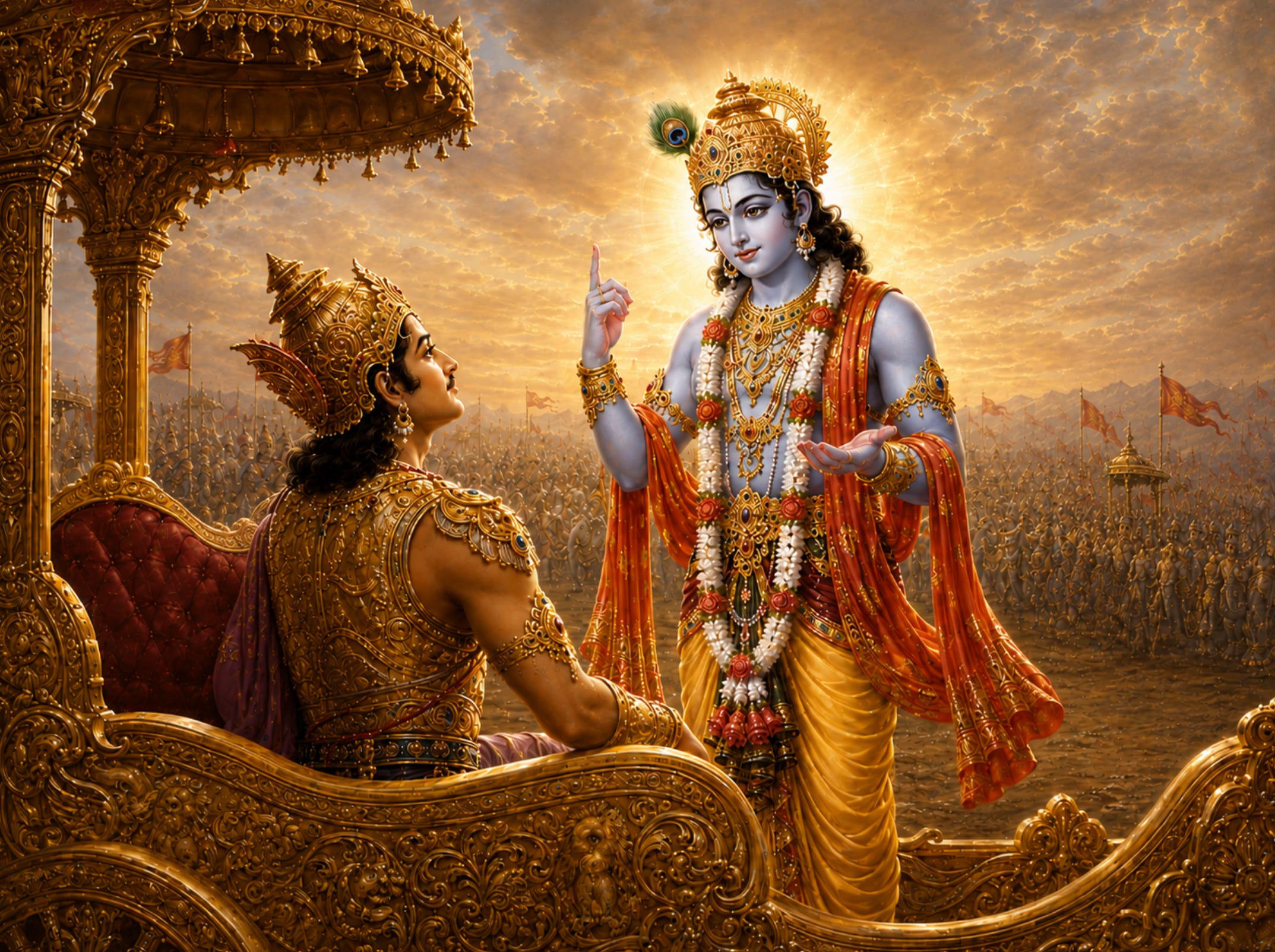
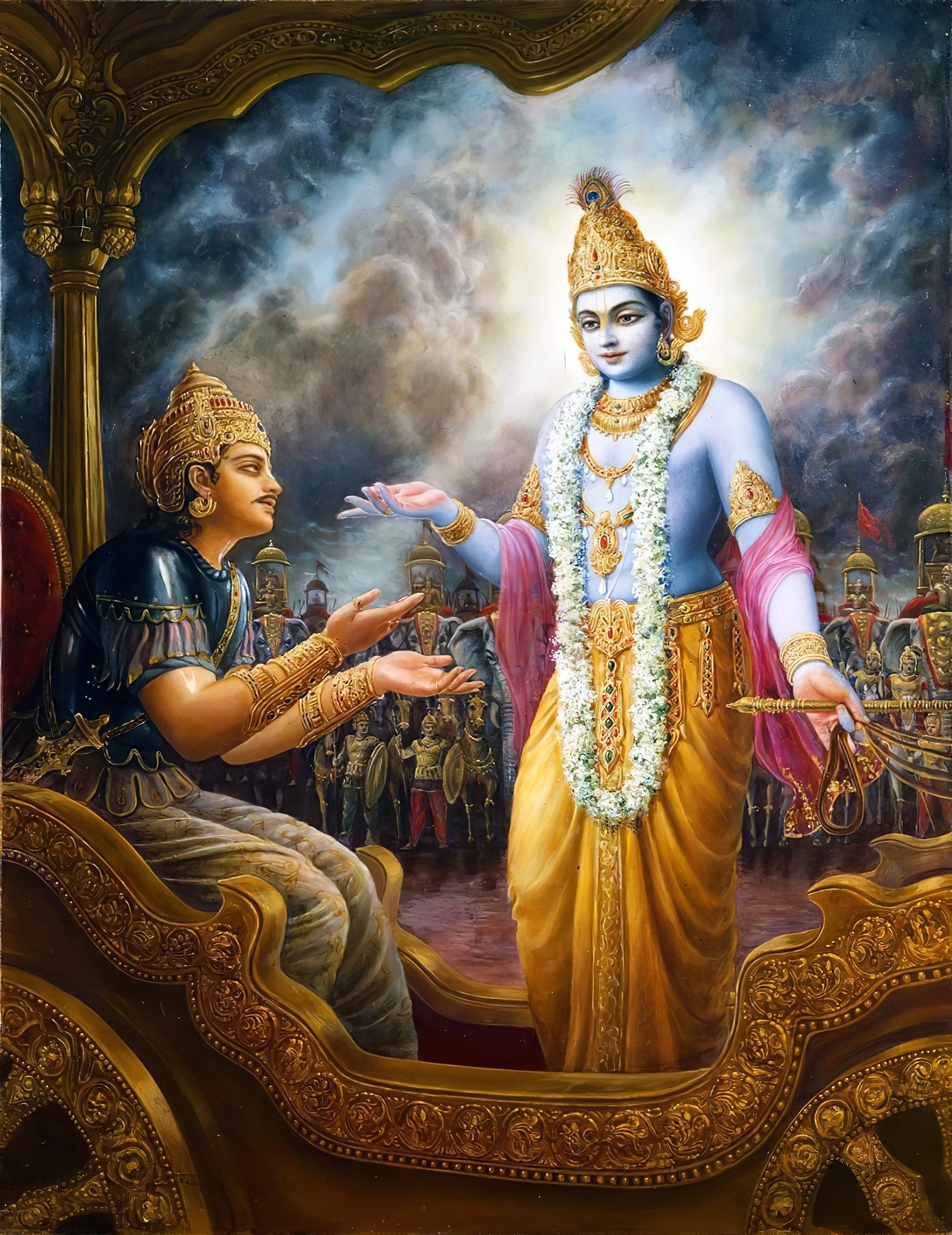
The Vedas offer different types of knowledge for different types of people. Arjuna is well-versed in the Vedas, but Kṛṣṇa wants to bring him higher, directly to the platform of buddhi-yoga
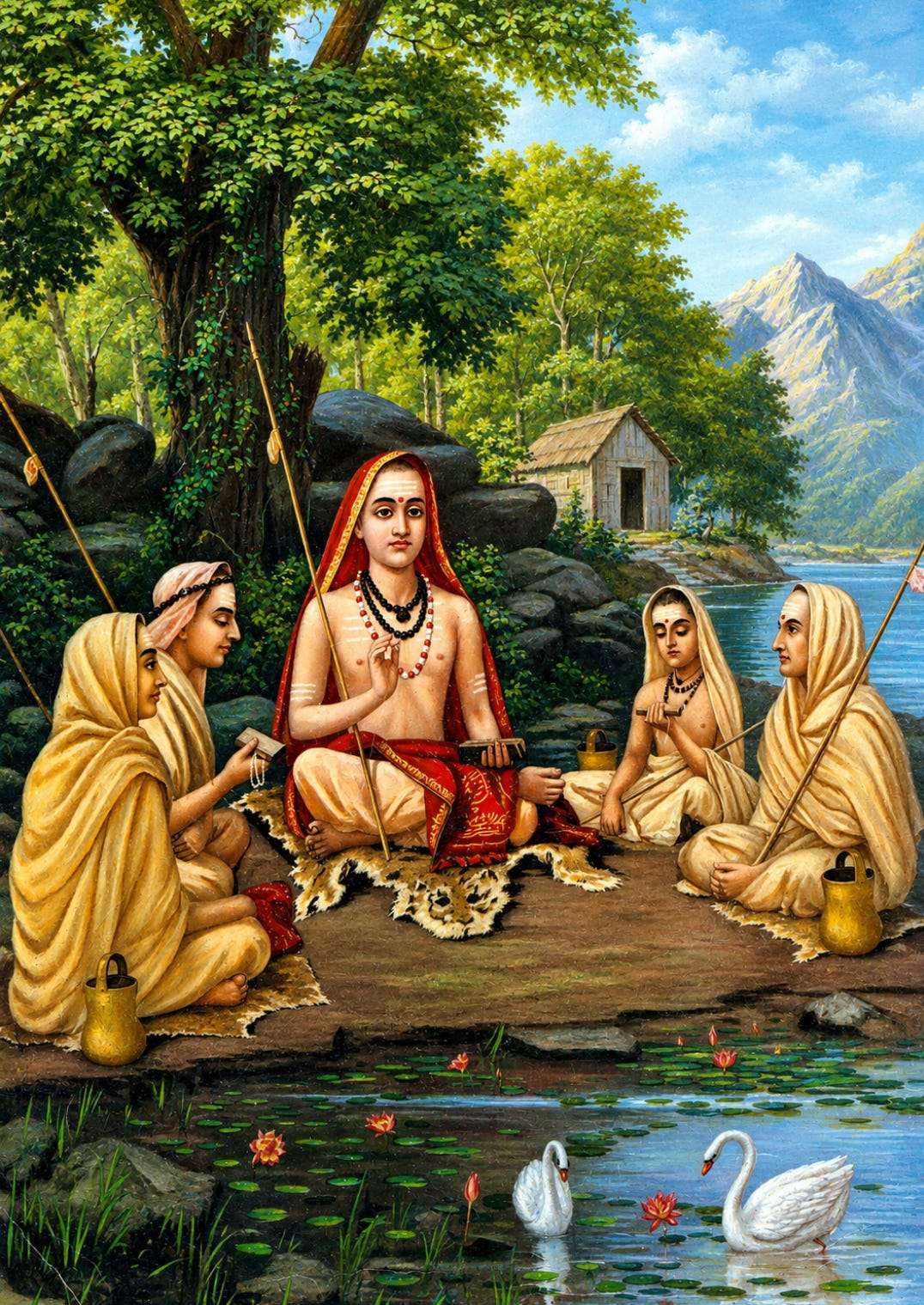
Śaṅkarācārya was not a Māyāvādī, although he incidentally became the founder of the school. He spoke certain things that were later distorted by his followers.
Family life is recommended in the scriptures because it offers us a foundation for our spiritual practice. It is, however, not a solution in itself. It demands a continuous effort.
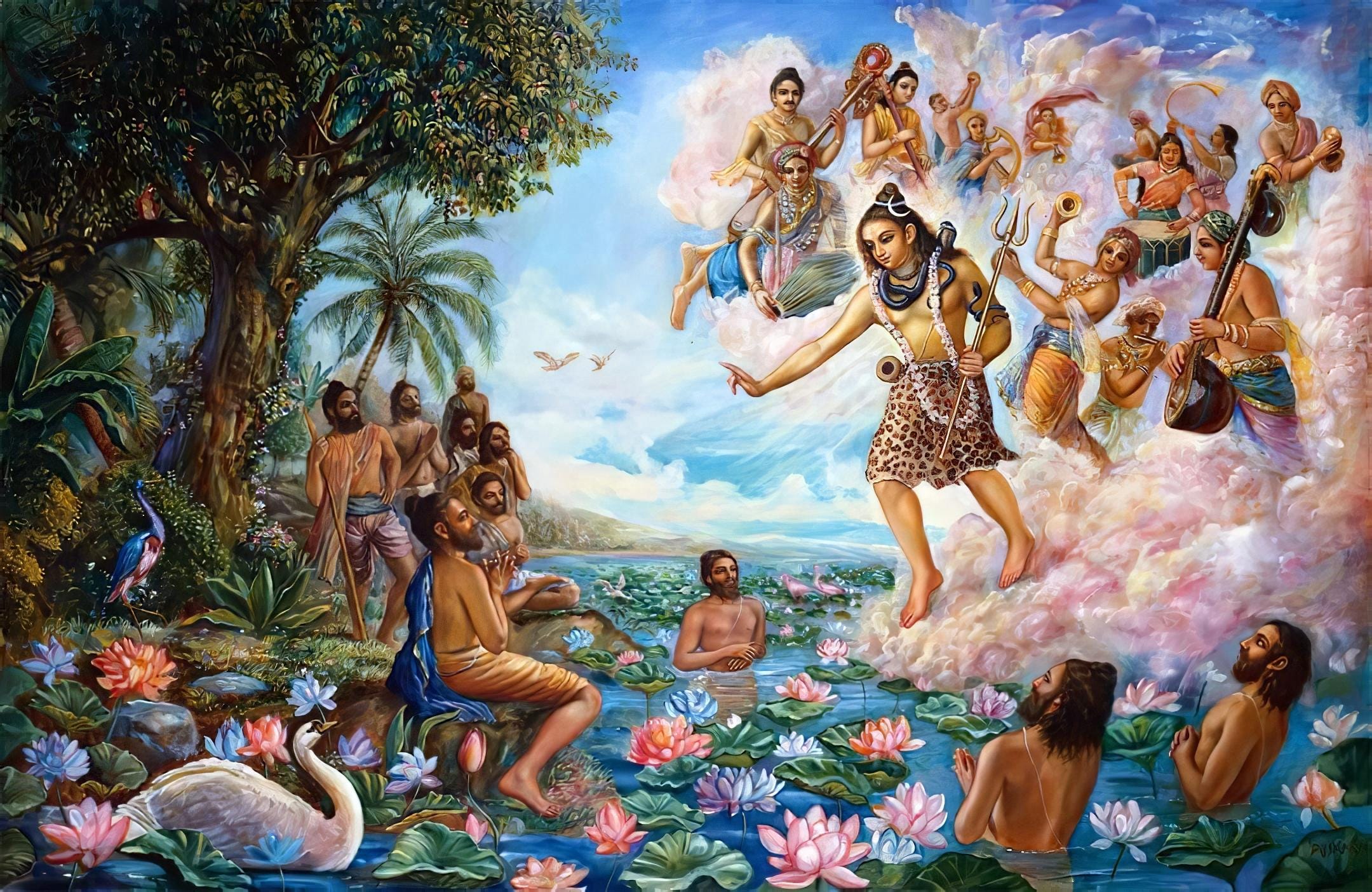
The Pracetās were the ten sons of King Prācīnabarhi, descendants of Pṛthu Mahārāja. While traveling, they came across a great reservoir of water, where they met Lord Śiva in person.
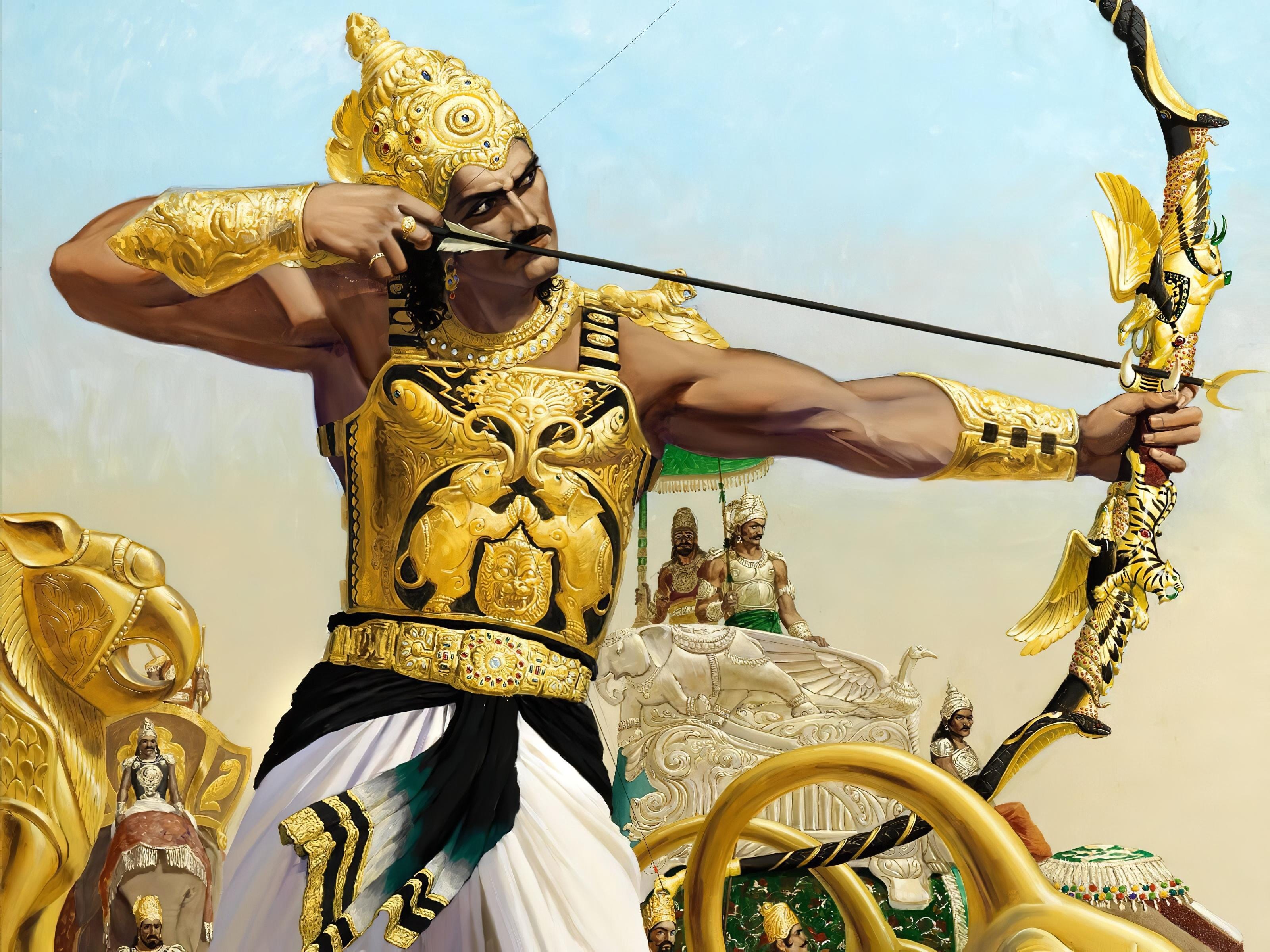
Kṛṣṇa now speaks from the perspective of Arjuna’s duty as a kṣatriya. For a kṣatriya, fighting for justice is dharma, and refusing to fight when violence is necessary is sinful.
In the past, people would have strong role models in their mothers, fathers, and other relatives, and thus would be able to settle in family life. Nowadays this is much more difficult.
The soul is not an ordinary object that can be seen or measured by material instruments. Still, knowing that the soul is eternal and indestructible, Arjuna has no reason to lament.
We may sometimes think that spiritual realization is all or nothing, that unless we become pure devotees, we will never be accepted by Kṛṣṇa. Reality, however, is more nuanced.
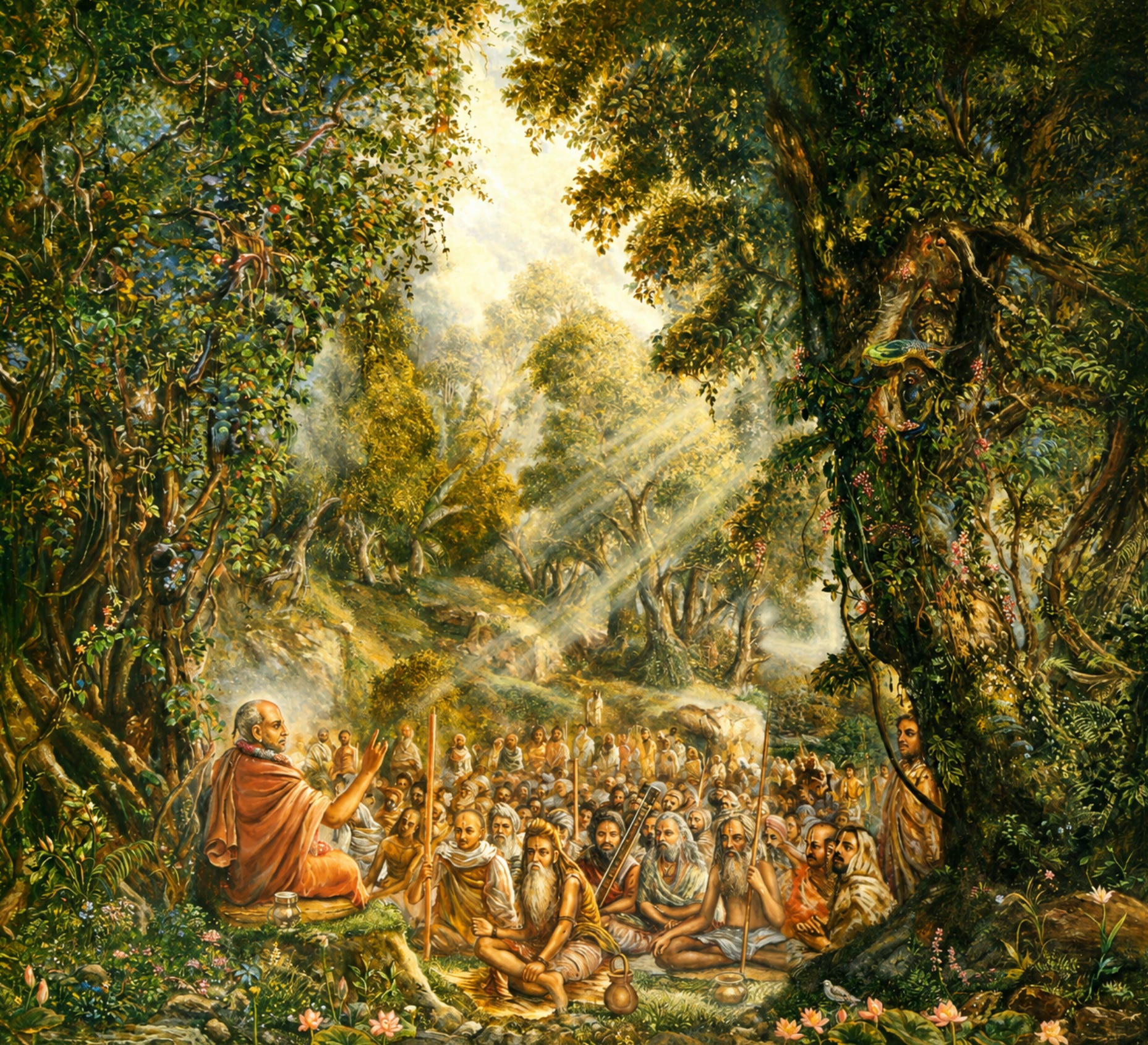
Concerned about the situation of people in the age of Kali, the sages want to get knowledge that can help them find their way out of all the darkness and illusion of this age.
After explaining the eternal nature of the soul, Kṛṣṇa now examines the question from another angle. Even if one thinks that life comes from matter, there is still no reason to lament.
Weapons can harm the body in different ways, but the soul is not affected. The proof is that when the body becomes useless, the soul simply transmigrates to a new one.
Each planetary system of the cosmos has its own clock rate, with time being experienced differently by different inhabitants of the universe. What is 360 years for us, is just a year to the demigods
Most of us can recognize this situation: the salary comes, we pay the bills, then a few unexpected expenses appear, and suddenly there is practically nothing left. How to escape this cycle?
Each planetary system of the cosmos has its own clock rate, with time being experienced differently by different inhabitants of the universe. What is 360 years for us, is just a year to the demigods
Having established the fundamental difference between spirit and matter in the previous section, Kṛṣṇa now describes the individual soul in detail and explains how the soul interacts with the body.
Although I'm a spirit soul, I have a body, and I have a mind. Just like I'm not the body, I'm also not the mind. However, how to become free from its influence?
Kṛṣṇa means “the all-attractive.” For devotees, it makes perfect sense, since Kṛṣṇa is so beautiful. However, a materialist, or even a follower of a different philosophy, could protest.