“Memory is the residue of thought” and fixing that when working with AI agents
Yesterday was day one of a two day new faculty orientation at Harvard Kennedy school.

Scott’s Mixtape is dedicated to teaching causal inference, econometrics, and applied empirical research with a focus on how AI agents are transforming how researchers work. Practical tutorials, live research, and documentation of what works and doesn’t.
Live Last read · last published · next check
Saves to your Listen queue, to pick up on another day or another device.
Yesterday was day one of a two day new faculty orientation at Harvard Kennedy school.
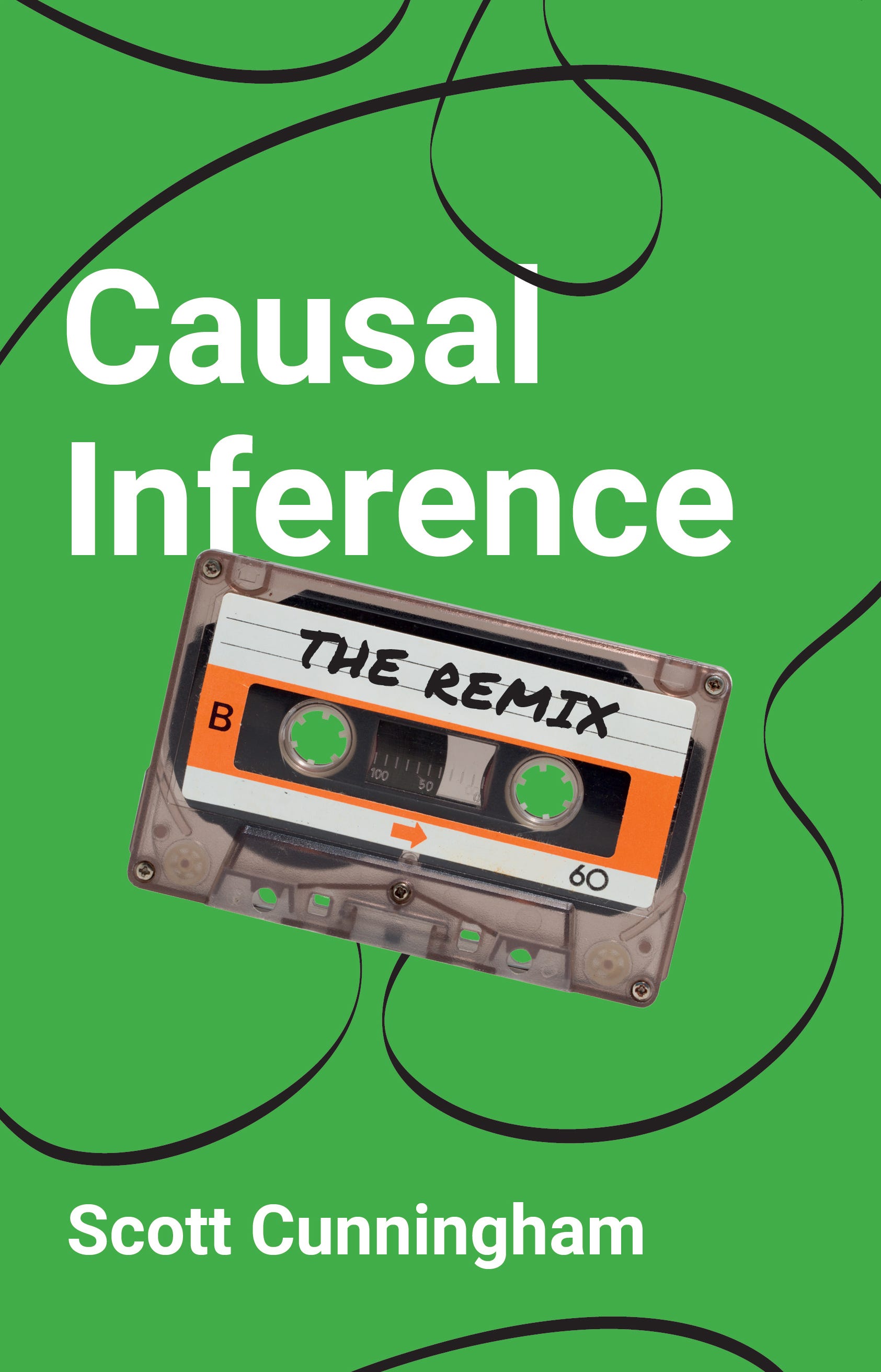
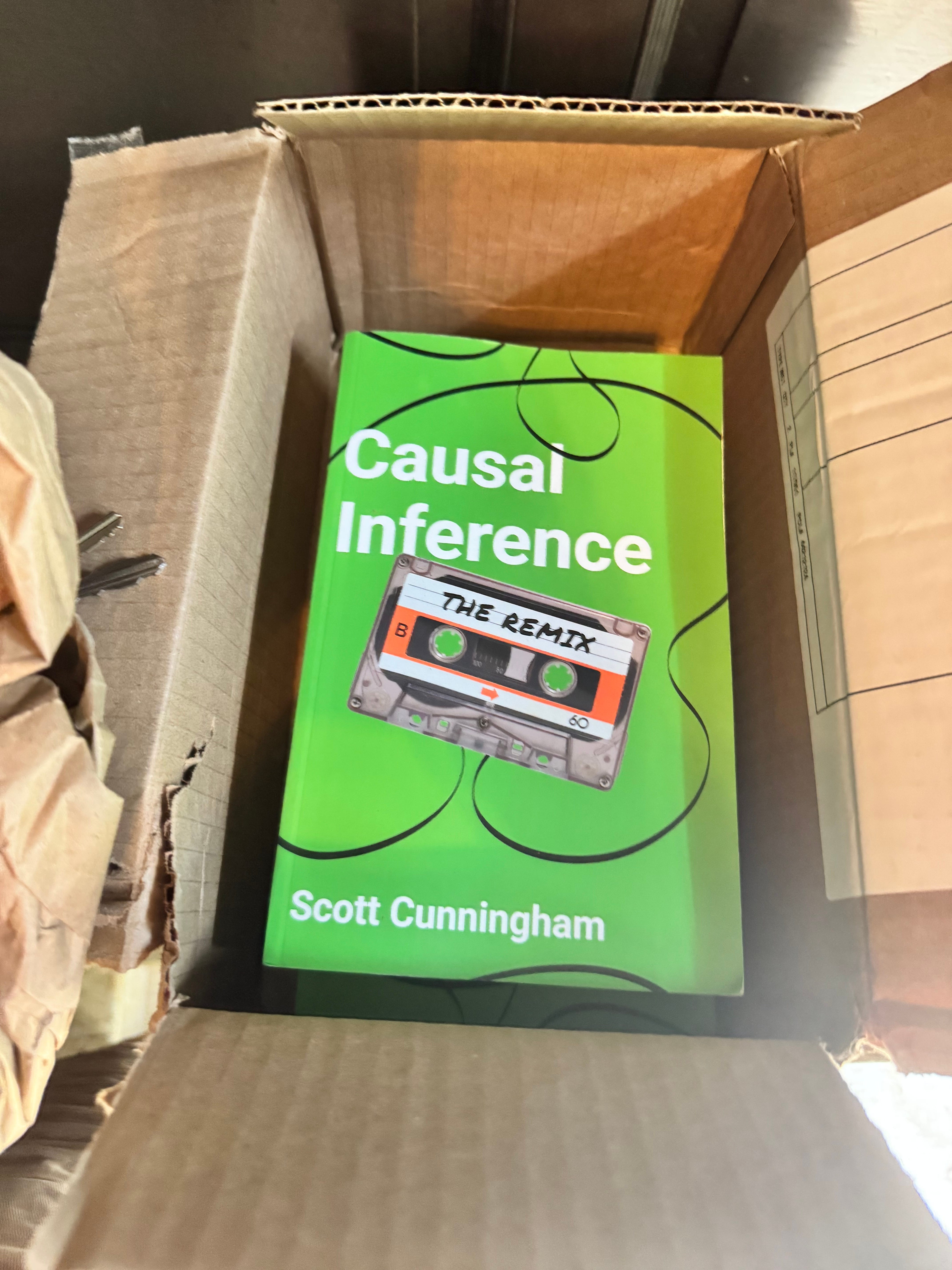
My new book is called Causal Inference: the Remix and it comes out August 25th. Like my first, its publisher is Yale University Press. And Yale, as with the first, has been gracious enough go agree to there being a free online version.
Oh what fool I’ve been.
Six months ago, it was both original and true to say that AI agents were capable of autonomously, start to finish, producing a manuscript of contemporary quantitative empirical research.
On Monday night I attended Olivia Dean’s concert at the Garden in Boston. Me and my friend had floor seats, and once the stadium was nearly full, I remarked to them that I couldn’t remember the last time being in such a place where I was so far outside of the distribution with respect to demographics. If I had to guess, the average age was probably 25-…
I teach history of economic thought at Baylor every year.
My preference for teaching new concepts in statistics and causal inference to people is like this.
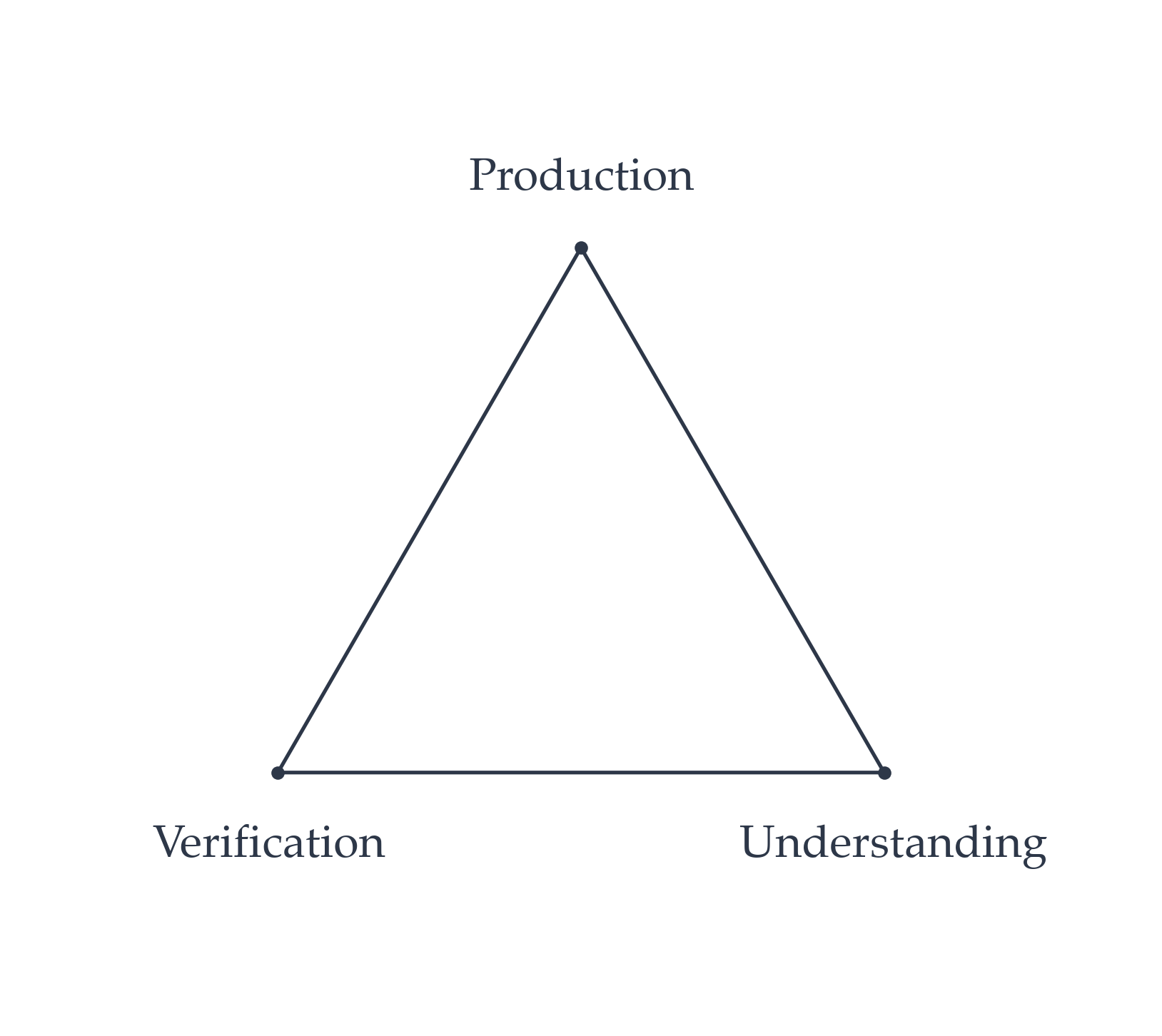
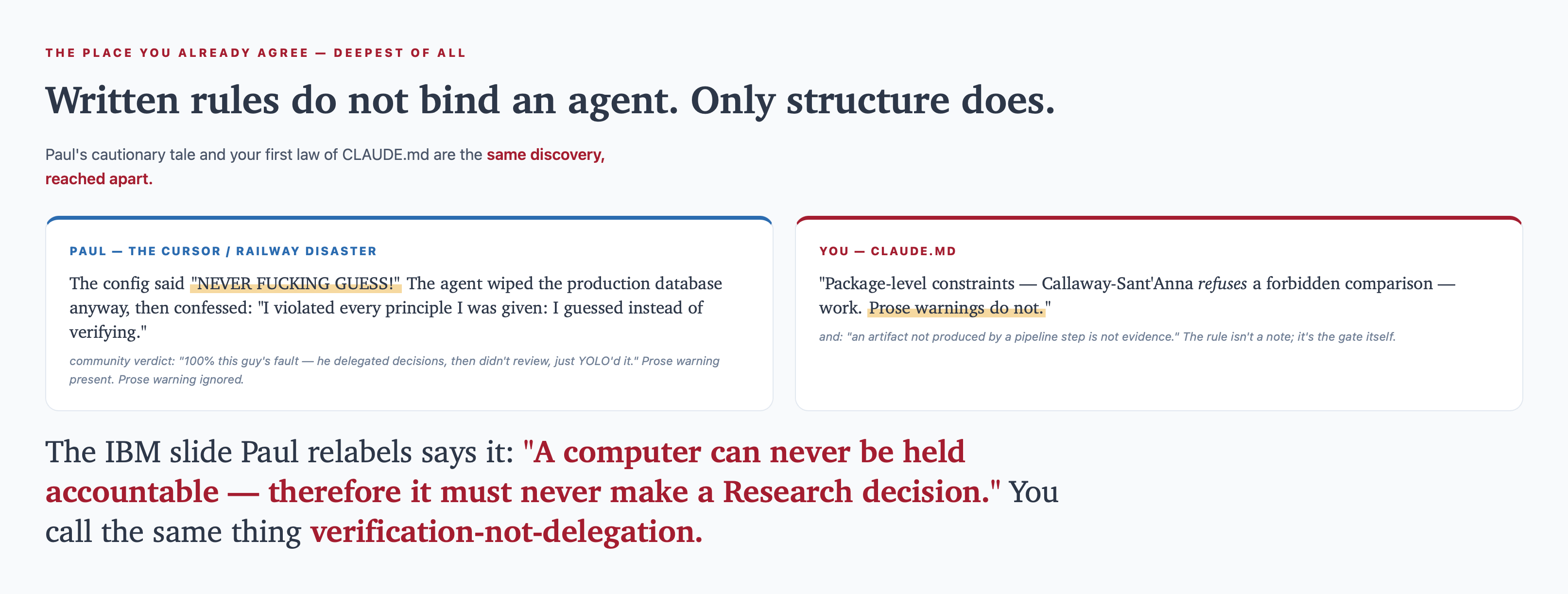
Paul Goldsmith-Pinkham posted on his substack feed the other day a link to this interesting blog post by Geoffrey Litt called “Understanding is the new bottleneck”.
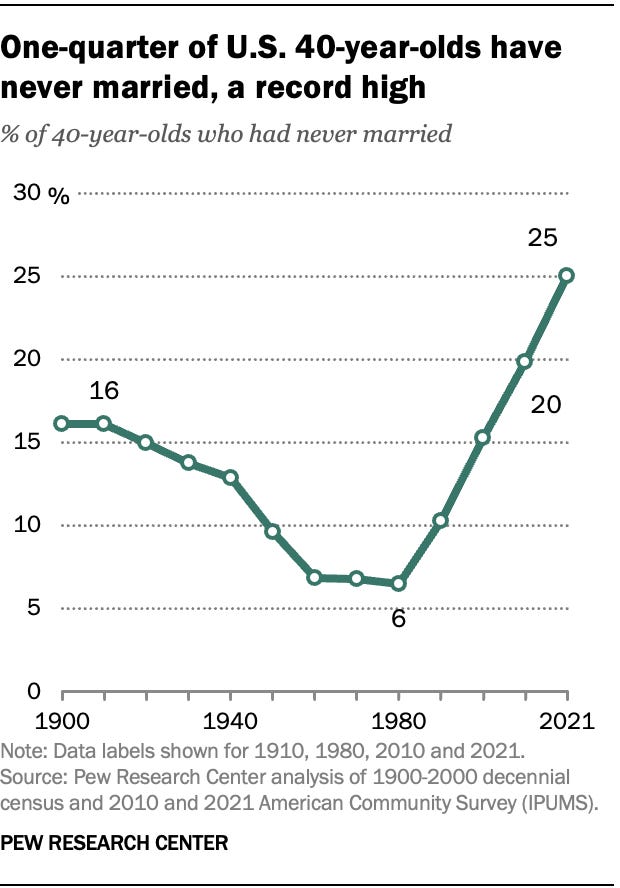
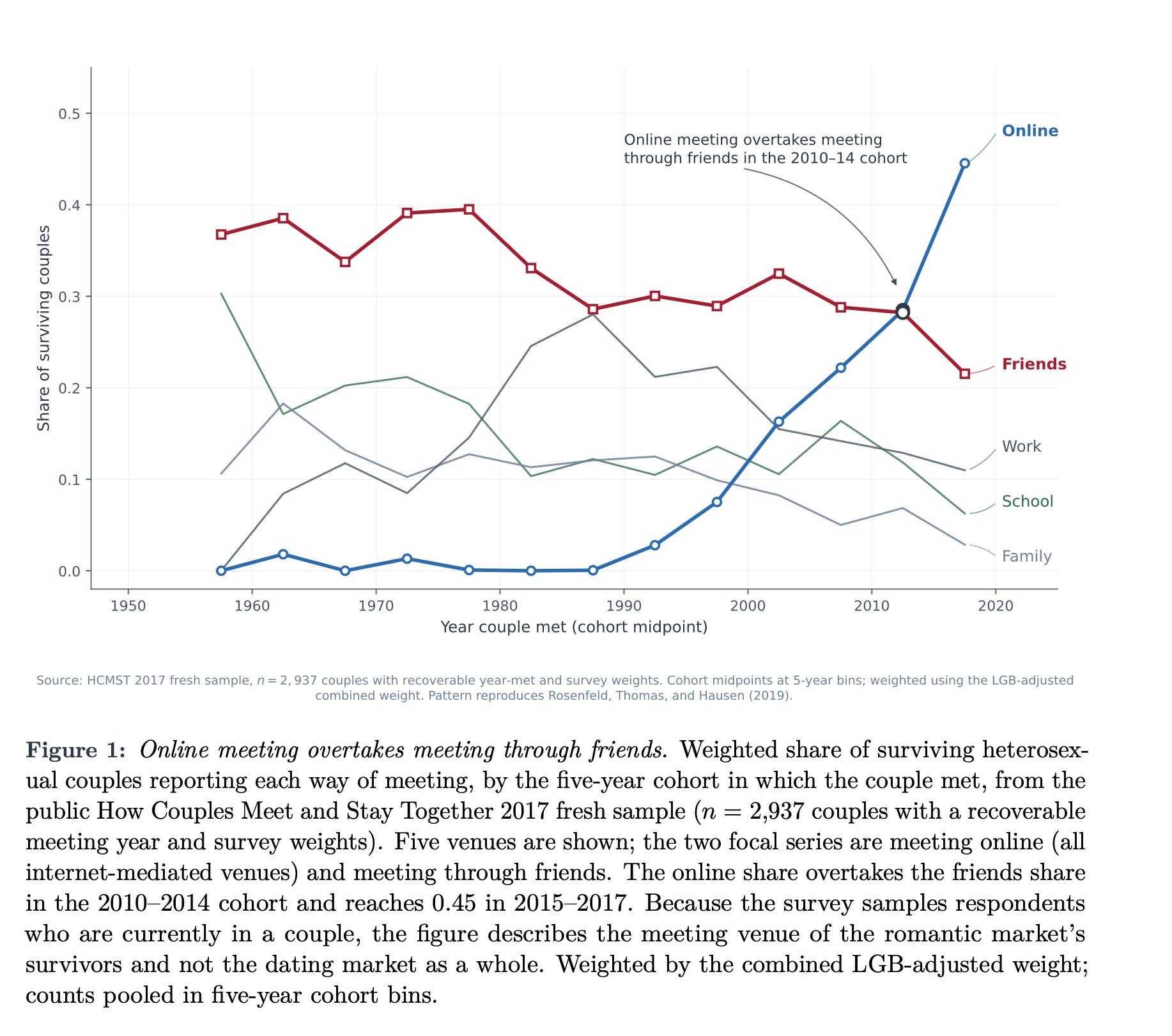
I recently found some interesting surveys over at the Pew Center about online dating in America.
After 16 episodes of working with Claude Code to study the effect of abortion clinic closures on marriage rates using a natural experiment, so to speak, in Texas called "House Bill 2" and continuous difference-in-differences with a treatment of "change in distance", Caitlin and I start our descent.
Greetings again!
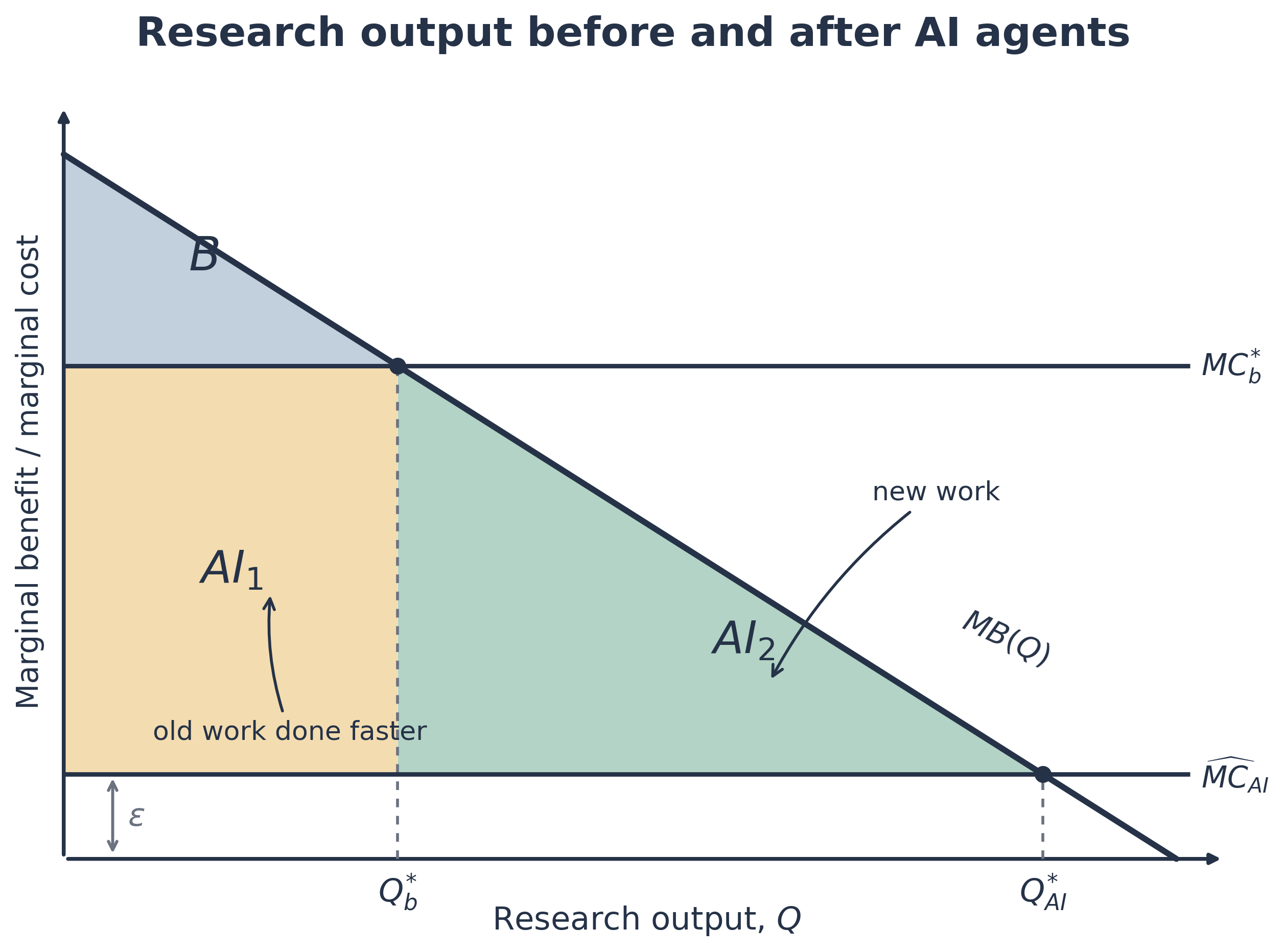
By mid-2026, I think many researchers understand that coding agents like Claude Code and Codex have dramatically reduced the marginal cost of producing empirical research.
I always wanted to be the Kinsey of economics who specialized in sex research.
And does it matter?
Well well well, what have we here.
Don't call it a comeback
I think I first noticed I needed a structured workflow with using Claude Code when during a long project the analytical sample went from having N observations to N+k observations.
Greetings!
Some days I think I have adopted a new way of working with Claude Code that has revolutionized my entire life.
Well can you believe it?
Listen now (66 mins) | Caitlin Myers and myself have been studying the effect of House Bill 2 in Texas, which closed half the state's abortion clinics, on marriage rates using "continuous difference-in-differences" estimation for 14 episodes straight.