
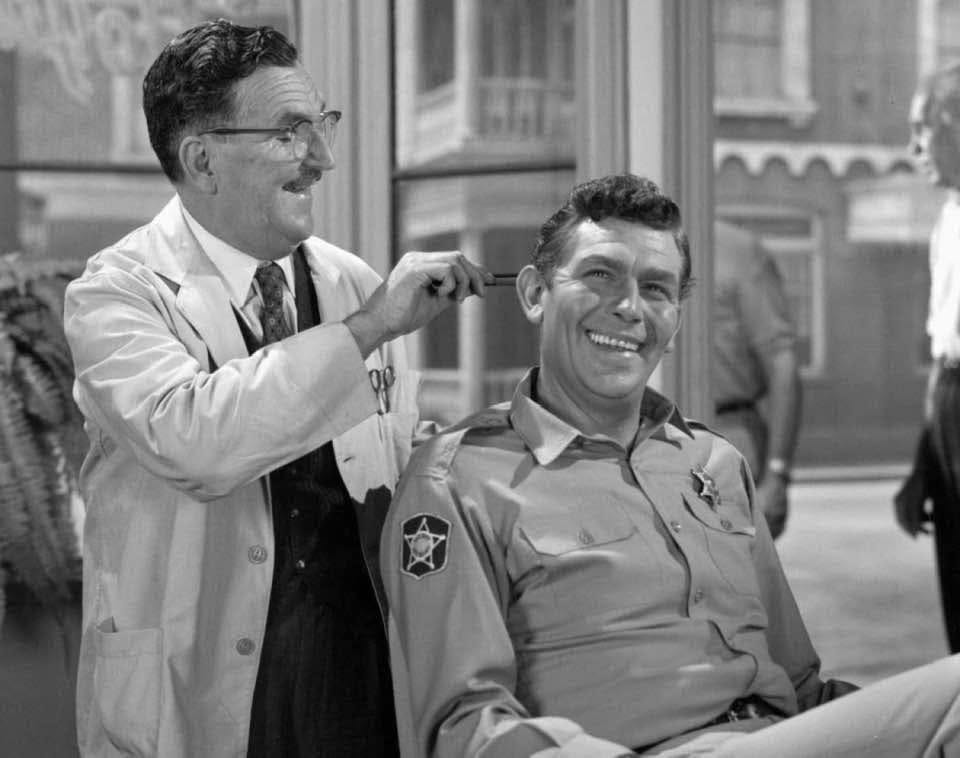
Men, I have gone to the same Barbershop since I was four years old. I don’t really remember the day, but I do remember it was with my father. I remember the old barber chairs, the talc smell, the hand painted mural of the city along the top of the wall behind the barber chairs. I remember the barbers in pressed uniforms and bowties moving with quiet confidence and precision. The razor shave with hot lather to mark the end of the haircut.
That barbershop was Fern Creek Barber Shop in Louisville KY. I have been going ever since. To this day I sit in that same chair and get a fresh hair cut twice a month. That is no small thing in a world that has replaced most of its institutions with "“faster” and worse versions of themselves. Fern Creek Barbershop is still there, and there are many just like it, you just have to know what to look for.
A man who has such a place and knows what it is worth doesn’t take it for granted.
The barbershop is not at all a modern invention. It is one of the older institutions in Western Civilization. It has been doing one thing for that entire time. Cutting hair.
The Romans had tonsores, which were skilled tradesmen that attended to the grooming of citizens. The European Middle Ages had the “barber-surgeon”. The red and white on barber poles come from that time. The red and white represented blood and bandages from an era where the same men who cut your hair set broken bones. In the American colonies, the barbershop was where news moved through the town, where civic arguments were made and where men showed up and acted like somebody. These men looked like they respected themselves and the community they were a part of.
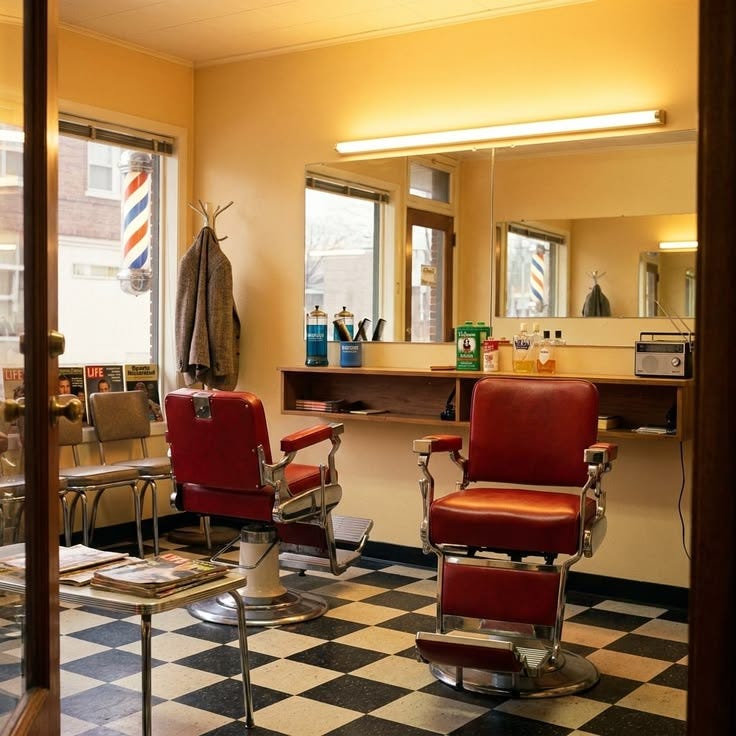
During the golden age of the Barbershop, there were marble counters, shelves with glasses of tonic and chairs fitted with leather. In the air were hints of pipe tobacco and neck powder. These were rooms where a man could sit down, talk cordially and be known by name while looking his very best.
Unisex chain salons? A sorry excuse for an acceptable substitute. Many men just stopped knowing the difference because no one told them there was one.
The “Third Place” was coined by sociologist Ray Oldenburg in a book he wrote called The Great Good Place. In it, he argued that a healthy life required three places. First is the home, the second, work and the third is a gathering place that belongs in a category all by itself. This is a place where people show up not because they have to, but because they want to. The cafe, the pub……or the barber.
There are specific features that a third place has. The Third Place is neutral ground where everyone is equal in conversation. It is a place where status or rank tends to be left at the door. The day laborer and CEO sit right next to each other. People are called by their first name, the pace is unhurried and the mood is human.
The barbershop is a shining example of a Third Place and in modern times, while a bit tougher to find, it seems to be one of the last. Neighborhood pubs have been bought out, diners have been replaced with drive-throughs. Cities have turned into giant parking lots, taking away their town squares. Civic life in many places has become a hollow shell of what it once was. The informal gathering places men once had, the real ones anyway, have been replaced with, well, nothing.
But the barbershop is still here, doing what it always had. They run on the same code and produce that same easy going conversation between men who walked in as strangers but speak like neighbors. The loss of more and more third places created lonelier people and ultimately a more polarized society.
We need to be aware of not only what a third place is but also what the cultural cost is when they are lost.
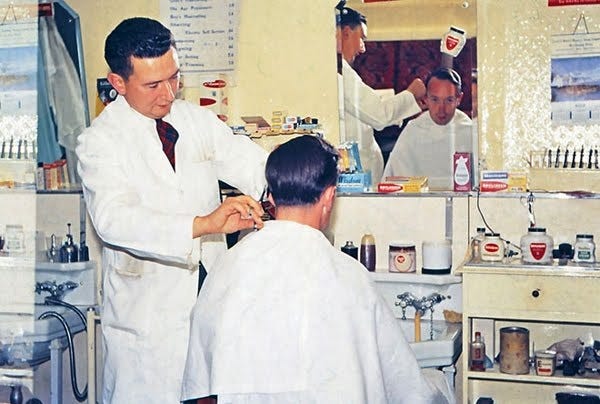
A barber is not a stylist. This matters. A barber is a licensed and trained professional for men’s hair. A barber knows their shears and clippers the same way a carpenter knows his plane. It is a discipline and should be treated as such.
A good barber cuts your hair with the coming weeks in mind. A chain salon cuts it for today. The difference will be noticeable within 4 days. There’s more to it than a technical aspect. A barbershop is real conversation about real things. The barber has his stories and the man in the chair next to you has done something worth knowing about. The people are not performing or networking. They are men from all walks simply being present.
Some people are in the camp that being well groomed and caring about your appearance is vanity. Well, it can be for sure when taken to extremes, but there is a line. Even Jesus tells us to put oil on our heads and wash our face. Being well groomed is more about modesty. Modesty deals with excess and deficiency. A man who spends three hours in front of a mirror likely has some things to worry about. The man who doesn’t care to clean up their beard and look presentable in public is immodest as well. Both miss that mark. The mean is where the Catholic man should be.
The body does matter. After all, God did become man and considered flesh worth inhabiting, saving and raising from the dead. If a man who treats his body with neglect is in no way practicing humility. That man practices ingratitude.
On a more practical side, a young Catholic man looking for a good woman needs to be mindful of their grooming habits. How a man presents himself is plenty of communication and sometimes the only chance you get at it. Your appearance makes a statement about who you are in many aspects. The first time you show up to meet a woman’s family looking unkempt will likely be your last. You don’t have to take yourself seriously, but you do need to take the occasion seriously.
If there is anything that I wish for someone to take from this article over anything else is that presentation is a form of respect. That includes a haircut.
Obviously not all barbershops are held equal. But here are some good guidelines to finding the one that fits you.
It smells right. You’ll know what I mean when you encounter it. Something warm and clean. But if it smells like a salon, trust that it is a salon.
The barber is genuinely offering good service and acts joyful of your company. He asks you questions before he grabs those clippers or shears. If he doesn’t, he’s not listening.
The shop is clean and organized, but not in a surgical way. The tools are organized, hair is swept off the flood and their stations are well kept.
The men waiting appear to be in no hurry at all. That tells you everything you need to know about the quality of the cut they are waiting for.
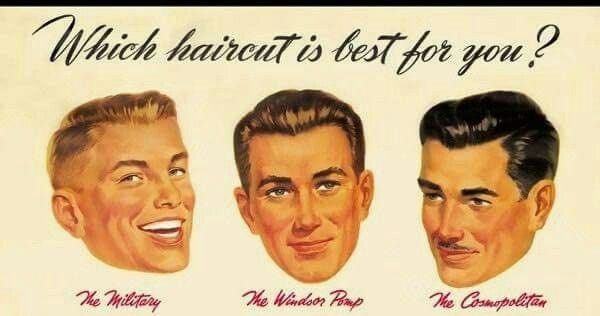
Timeless haircuts are timeless because they work on most face shapes and grow well.
The Side Part. Short on the sides, longer on top, parted and combed.
The Ivy League. A longer crew cut with enough on top to part and comb.
The Crew Cut. Short all over, tapering down. The American military standard.
The High and Tight. Very short on sides and back. No ambiguity there
The Taper. The foundation of most good men’s cuts.
When you find that right barbershop and that right barber; know what you want out of the haircut, communicate it, let the professional do his job. Tip him well and stay.
Be the Creed
Nick | Catholic Manhood
Comments
Nothing yet. Say the first thing.
Sign in to join the conversation.