
Scripture Passage: John 20: 11-18
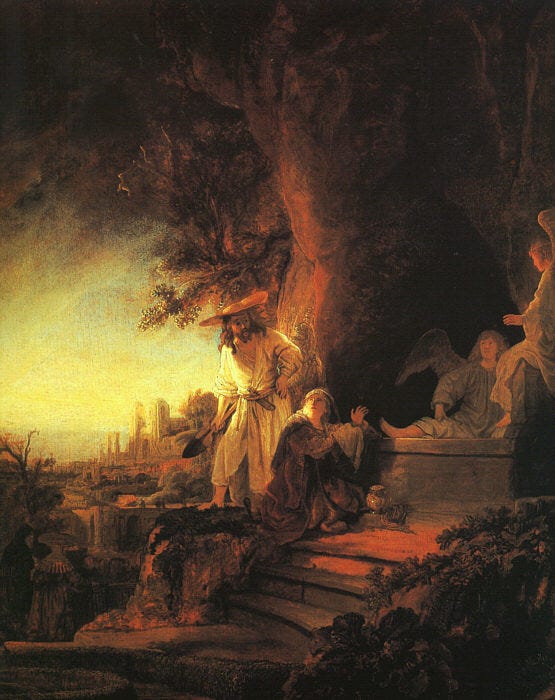
The appearance of the Resurrected Jesus to Mary Magdalene
Is it any wonder that Jesus, the new Adam, appears as a gardener? Now that Easter has “arrived” and Lent is passed, there is a temptation (pun intended) to go back to the way things were… to let go of the penitential dispositions and let go of the good habits we’ve worked on these past 40 days plus because, “phew, we’re glad that’s over…”
But has Lent or Easter been fruitful if all we’ve been waiting for is to cast off reflections of what sin cost Christ and at what price our Redemption was won? Will we heed the tale from the “first” Garden to live in the new life and salvation Jesus won for us?
It’s been some time since I shared from Joan Watson’s “Making a Pilgrimage” book1, but this is the perfect way to lead us in to the celebration of Easter—which lasts 50 days (in the Catholic liturgical calendar) whereas Lent was 40.
Chapter 6 covers “How to Go” on pilgrimage. Watson notes the increasing popularity of pilgrimage, pointing “to the ongoing hunger in the human heart to make pilgrimage.” (p. 68) She then describes the difference between vacation and pilgrimage: “A tourist seeks to consume… but a pilgrim seeks to receive.” The difference she states is “not external, but internal… the acts might be the same; but the purpose is different.”
Those attitudes and nuance invite us to live Easter with a deeper, more intentional mindset. To see that, in many ways, the real journey is just beginning—not the one to the cross, but beyond it. How we respond to God’s gift of freedom from the consequences of sin and death matters, in many ways, more that how we accept and embrace our crosses…
While in these changing fields is my sojourn,
Needs must I bless the blossomy outbreak
Of earth's pent beauty, and for old love's sake
Trembling, the alder ring anew discern,
And hail bold hyacinth and forward fern,
And clouds that every day defiance make,
And every cracking sheath whence Spring can take
Bright waters like a blade. For then in turn
Subjected forces stir in me: I feel
All the most sharp unrest of the young year;
Fain would my spirit, too, like idling steel,
Be snatched from her full scabbard for a strife
With foes unseen: then is the thought most dear
Of supernatural freedom, lasting life.
-Louise Imogene Guiney; from "Happy Ending" published by Houghton Mifflin Co., 1927. In the Public Domain.
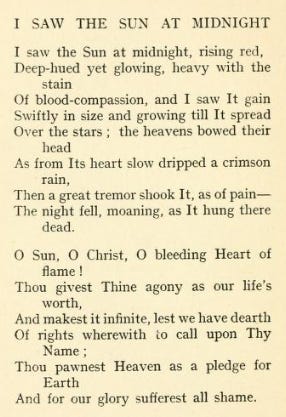
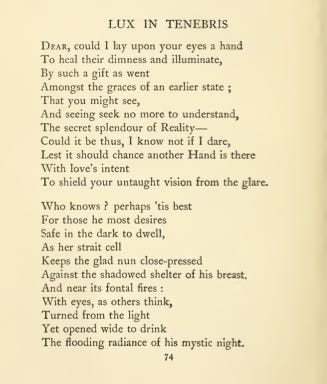
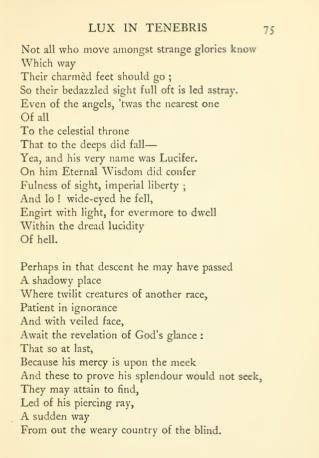
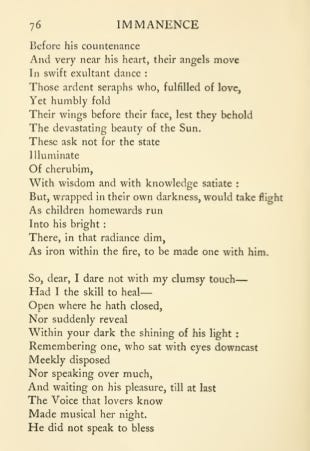
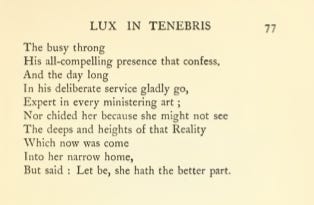
This poem by English mystic Evelyn Underhill is worth meditating with, but the last lines refer to Mary Magdalene, who “chose the better part” - and may that be said of us, each of us who continue following Christ in these Easter days of hope and joy.
stpaulcenter.com/makingapilgrimage; excerpts used with permission.
Comments
Nothing yet. Say the first thing.
Sign in to join the conversation.