
Last week, the ONS published the trade figures for 2025. As with all trade figures since Brexit, they tell an important story that is being ignored in equal measure by the Government, the press, and, for that matter, the official and unofficial opposition parties.
In total, UK trade is OK. And the gloomsters who still believe Brexit has hurt UK trade have nothing to back up their beliefs – again. Between 2019 and 2025, total exports increased by 7% in chained volume measures (CVM), which accounts for inflation. This is due to the 27% increase in service exports, while goods exports were down by 15%. If we measure trade from the end of the transition period, Dec 31 2020, total exports are up by 21%, with service exports up by a massive 43% and goods exports down by just 2.4%.
But despite these export figures, the government is trying to drag the UK back into the EU’s Sanitary and Phytosanitary (SPS) area, claiming that this will help UK food and live animal exports. The trouble is that, of all the UK’s trade weaknesses, food and live animal exports aren’t among them.
The UK has never been a major food exporter; we just don’t produce enough, and the food we do produce is relatively expensive compared to food in EU countries with greater landmasses and lower wages. And the ONS Data tables go back to 1997; you can check this yourself here, TAB 8 for annual CVM. There was a brief period of stockpiling long-shelf-life food in the years before Brexit, but that was unusual. And now we can’t count bananas and mangoes imported from the Commonwealth as UK exports to Ireland or France, so no amount of resetting the relationship with the EU is going to push UK food exports back to their heady heights of 2019 stockpiling.
Despite this, Nick Thomas Symonds is still hoping to force the UK to follow all EU food and farming regulations, regardless of how silly they are. The EU still uses the precautionary principle when it comes to food and agricultural regulations, even though its pharmaceutical regulations, as well as the UK’s food and farming regulations, follow – ah, science. Many EU plant-biotech researchers and companies would prefer to follow the UK’s regulatory model rather than the EU’s. Several have shifted research and development and field trials to the UK or are actively collaborating with UK companies to get around EU restrictions. This has become so dominant that the EU is now considering loosening its rules on gene-edited crops due to competitive pressure from the UK. UK agricultural regulations obviously aren’t broken, so why does Thomas Symonds want to fix them?
There also doesn’t seem to be any problems with UK-EU trade when it comes to food imports. As usual, in 2025, the UK imported almost 4 times as much food from the EU as it exported to the EU. So why are we trying to fix a problem that isn’t broken, while ignoring a much larger problem that clearly is?
The reason UK goods exports have fallen by 14% since 2019 has nothing to do with Brexit, but everything to do with Net Zero. The main reason for the UK’s weakness in exports is that fuel exports are down 12.2%, chemical exports are down 15.5%, and materials manufactures, which include iron, steel, glass, and ceramics, are down 21.8%. (All calculations using ONS annual CVM values, updated July 2026) And these export categories are, or at least once were, major export sectors for the UK.
Why are we worried about food exports of £17.5 billion being down by 12% from 2019, when Chemical exports of £66.3 billion are down by 16%, Material Manufactures of £33.8 billion are down by 22%, and fuel exports of £43.2 billion are down by 12%? Why is our government so unconcerned by the demise of UK manufacturing?
Manufactured goods exports dwarf food and live animal exports, yet the government doesn’t seem to care about their demise. Perhaps these goods are a bit too working-class for our current north London legal fraternity pretending to be a government. And this isn’t a Brexit thing; in general, our manufacturing exports to the EU have fallen in line with those to non-EU countries.
Except for one commodity – fuels. UK fuel exports to the EU are outperforming UK exports to the Rest of the world. So while total UK fuel exports are 12.5% lower, fuel exports to the EU have fallen by only 7.5% since 2019, while fuel exports to the rest of the world are down by 21.6%. This is proof, if it were needed, that countries import the goods that they need, not because their governments have signed a Reset agreement.
The Reset will not make the EU buy more UK food. They don’t need it. They have their own food; it is very good, very subsidised, and very protected. But the EU has very little oil, gas, and coal. They need as much as they can get, and they are happy to buy it from Russia, even though they are presently raising money to lend to Ukraine to buy weapons to fight Russia; they are still buying Russian oil and gas because they don’t have a choice. They need fuel.
The EU just signed a trade deal with India. The EU’s biggest import from India is refined oil. India has very little crude oil; it imports 88% of the crude it refined in 2024/5 – and where is that crude coming from? Most likely Russia. Russia supplied 37% of India’s crude imports in 2024. Luckily for the EU, refining converts Russian Crude from one HS code to another, so the refined oil the EU imports from India magically becomes Indian rather than Russian for trade purposes.
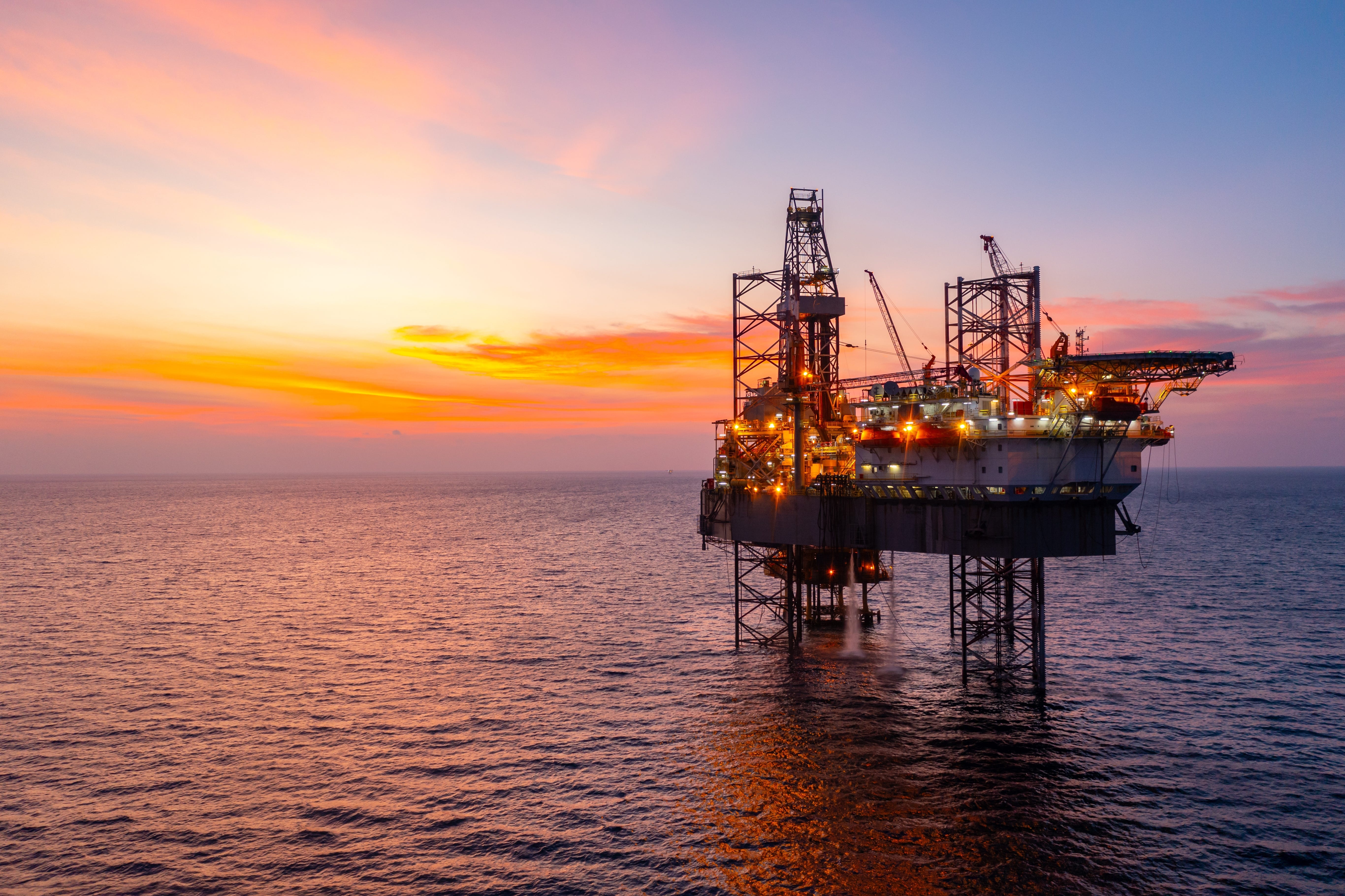
If only there was another country that could supply the EU with oil and gas, a country that was just across the channel, already connected with gas pipelines. But alas, the UK DESNZ Minister, Ed Miliband, would prefer to see the EU buy Russian oil and gas, whether directly or indirectly, than allow oil companies to fully exploit the UK’s natural resources.
Pumping out more oil and gas would also help UK refineries and prevent our few remaining chemical companies from closing. We don’t even have to use it ourselves; we just need to sell it to the EU to improve our balance of trade. The UK’s trade deficit in goods in Current Prices was £242 billion in 2025. Our trade services reduced this to £39.5 billion, but even this deficit could vanish if we just exploited our oil and gas reserves as Norway does. The UK’s fuels trade deficit of £28.4 billion makes up 72% of the UK’s total trade deficit. If the UK became a net exporter of fuel, this deficit would disappear.
In case you missed it, I am just going to reiterate the EU’s and Starmer’s dilemma: The EU wants the UK to pay into a fund so that Ukraine can buy weapons from EU defence companies to fight Russia, and Starmer agreed to pay into this fund just days before he was removed from office and replaced by Andy Burnham. The EU assures us that the UK will pay a ‘fair and reasonable contribution to its E90 billion loan to Ukraine for defence and other budgetary requirements. Starmer didn’t announce publicly how much this will cost the UK.
Yet the UK is restricting UK oil and gas production, forcing the EU to buy its oil and gas either directly from Russia or via Indian refineries. Russia is able to build its own weapons with the money it gets directly and indirectly from selling oil and gas to the EU. Maybe if the EU just stopped buying Russian oil and gas and bought UK oil and gas instead, Ukraine wouldn’t need the weapons.
Why isn’t this option part of the Reset? Why is the UK still kidding itself that it is an agricultural exporting nation?
This article was updated in July 2026 in line with updates to the UK’s trade figures and with additions about the latest UK EU defence agreement.
No posts
Comments
Nothing yet. Say the first thing.
Sign in to join the conversation.