
I’ve noticed a particular kind of quiet that settles over a room when someone is dying. Voices get lower. People start speaking in half-sentences, unsure whether it’s okay to talk or cry or laugh. Everyone is watching everyone else for cues about how to behave.
That’s usually because no one in the room has any real practice at this.
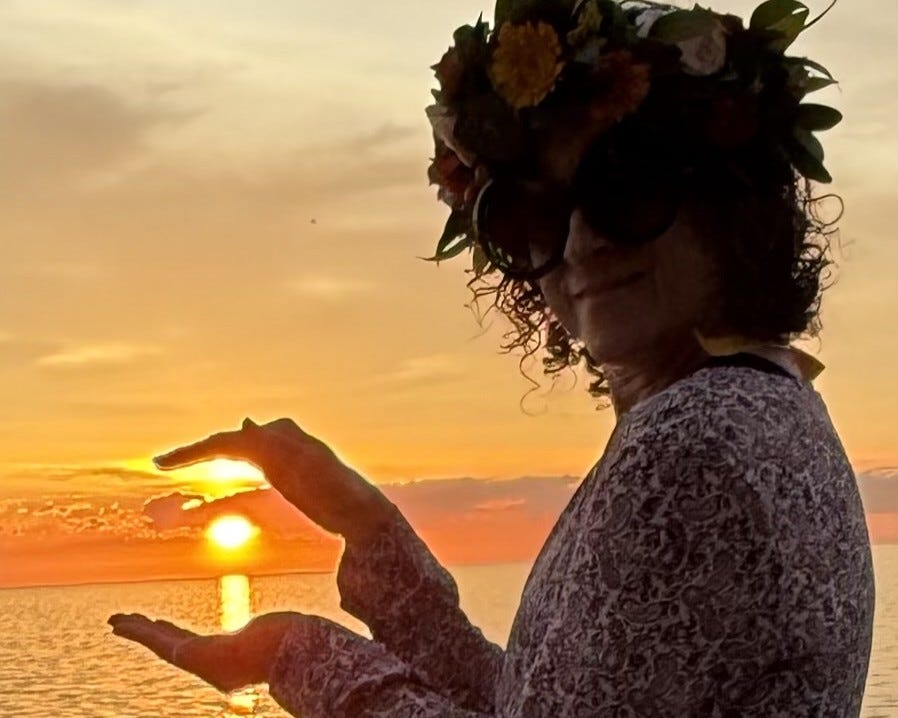
Death doulas serve exceptionally well in these rooms. We have had that practice. The real, repeated practice of sitting beside grief without fear or anxiety. Without rushing everyone through it. Without needing it to resolve.
We’re more than merely a comfort. We’re an anchor.
Most people meet grief for the first time as adults. This is a moment where they’re unprepared, often in the worst week or day of their lives. A death doula meets grief for a living. We’ve sat at so many bedsides, held loved ones through the hours after a last breath, and walked alongside dozens of different timelines of mourning.
We understand that some mourn in waves, others go numb, and some grief shows up as anger instead of tears.
That repetition and practice builds a gentle kind of calm within us. We’re familiar with it. When a death doula sits with a family in loss, we aren’t guessing at what might help. We know, because we’ve watched grief move through similar spaces before.
This is the quiet reassurance death doulas offer a wider community, beyond the loved ones and care circles we’re directly serving. Our presence tells everyone that this is survivable. Mourners listen when we say, “You’re not doing it wrong.” Our stabilizing words come at just the right moment.
Digesting grief well is a trained skill but involves a few specific capacities that anyone can adopt. This includes:
Being fully present with someone’s pain without absorbing it. That allows us to sit through sorrowful moments without falling apart.
Avoiding meaningless narrations. Instead of “she’s in a better place,” I might say, “this is the hardest thing you’ll go through, and I’m not going anywhere.” Grief must be witnessed accurately.
Reading actual needs. Some loved ones want silence. A few want a professional to handle logistics so they can fully process what’s happening. Others want stories and laughter at the bedside. We sense which response or technique is needed and adjust our energy without being asked.
Holding uncertainty. Death rarely adheres to a schedule, and grief never follows a predictable pattern. Doulas are comfortable not knowing when or how someone will feel from one day to the next, and that comfort is contagious.
One of the most concrete tools we bring to a community is ritual. It’s those structured, repeatable acts that give shape to our feelings. As a writer, I’m blown away by how direct actions speak so much louder than words. That’s because ritual doesn’t require us to know the perfect things to say. We need only to participate.
A few examples:
In the final days or hours, doulas sometimes gather loved ones for a simple bedside vigil: we lower the lights, play quiet music or none at all, and gently encourage each person to speak directly to the dying person, even if they’re unconscious.
Weeks or months before death, I might talk my client through recorded life reflections. We discuss what they want remembered, what they forgive, or what they’re proud of. The recording becomes a cherished possession their loved ones return to, a powerful bereavement tool in the weeks and months ahead.
Sometimes I open a window, ring a bell, or light a candle at the moment of passing. It’s a small, sensory marker that tells us “something sacred has occurred” when our minds are too overwhelmed to process it.
For religious taharah rituals or a more secular home funeral, doulas help lead a gentle, unhurried washing of the body after death. Rather than outsourcing entirely to strangers, this ancient practice, found across many cultures, turns caregiving into a final act of love.
In the weeks after a death, I’ll sometimes host informal gatherings where a chair is left empty for the person who died, and others share memories addressed to that chair. It gives grieving loved ones permission for that grief to be spoken aloud in community. They don’t have to carry it alone.
A year after a death, I’ve helped families begin a small annual practice. We plant something, cook a meal the person loved, or visit a specific place. Sometimes grief needs a scheduled acknowledgment where people know it’s coming ahead of time.
Thanks for reading A Death Doula's Substack! This post is public so feel free to share it.
These rituals don’t erase our pain. That’s never my goal. Instead, they help give our grief both shape and meaning. A beginning and an end for that particular gathering, so that loved ones aren’t left feeling aimless or unprotected.
A death doula’s real service to a community isn’t limited to the individual family we’re hired to help. It’s our demonstration, repeated over and over across a community, of meeting death with steadiness and compassion. Every ritual we lead, every vigil we hold with calm attention, every family we walk with through the strange logistics of dying without judgment… these teach everyone that we survive heavy losses.
And we don’t have to do it alone.
That’s the cumulative gift of doing this work. Death isn’t easy. But a community of caring people, watching someone hold it well, learns they can hold it too.
Comments
Nothing yet. Say the first thing.
Sign in to join the conversation.