
I’ve been collecting boxing memorabilia for many, many years now. My collection started when I first met Nigel Benn and he signed the first pair of gloves I ever used whilst boxing for All Stars. Nigel was my absolute idol growing up, my brother and I would watch every fight, memorise every interview and ring walk, and there was always massive excitement in the Murphy household on a Nigel Benn fight week. So to own a pair of gloves signed by the ‘Dark Destroyer’ really stoked the fire in to what has now become quite a substantial boxing memorabilia collection.
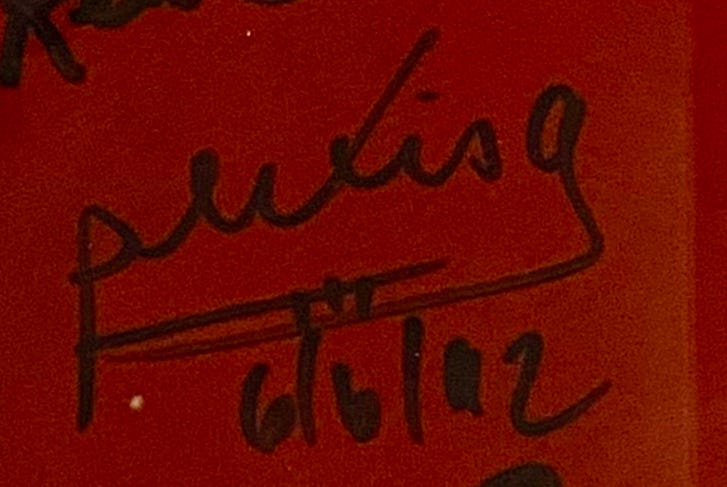
Over time I will write about some of the items I have and about the occasions upon which I came to own them. But today I want to concentrate on a glove I purchased recently from the International Hall Of Fame.
The initial attraction for me was the signature of Willie Pep. He is someone who my grandad used to talk about and once told me the tale of him “winning a round without throwing a punch”! The story goes that his defensive skills were so good that he didn’t even have to go on the attack to impress the judges! How true that is I don’t know, but it’s a great story! So Willie was always someone I wanted in my collection, but when I noticed the other fighters who have also signed this glove I was amazed.
Lightweight great Ike Williams, the ‘Cuban Hawk’ Kid Gavilan, ‘The Explosive Thin Man’ Alexis Arguello and also the late, great middlewight Gene Fullmer.
These are some of my boxing heroes and are rightly recognised as being amongst the greatest fighters of all time.
Below I break down each fighter and their accomplishments in the squared circle
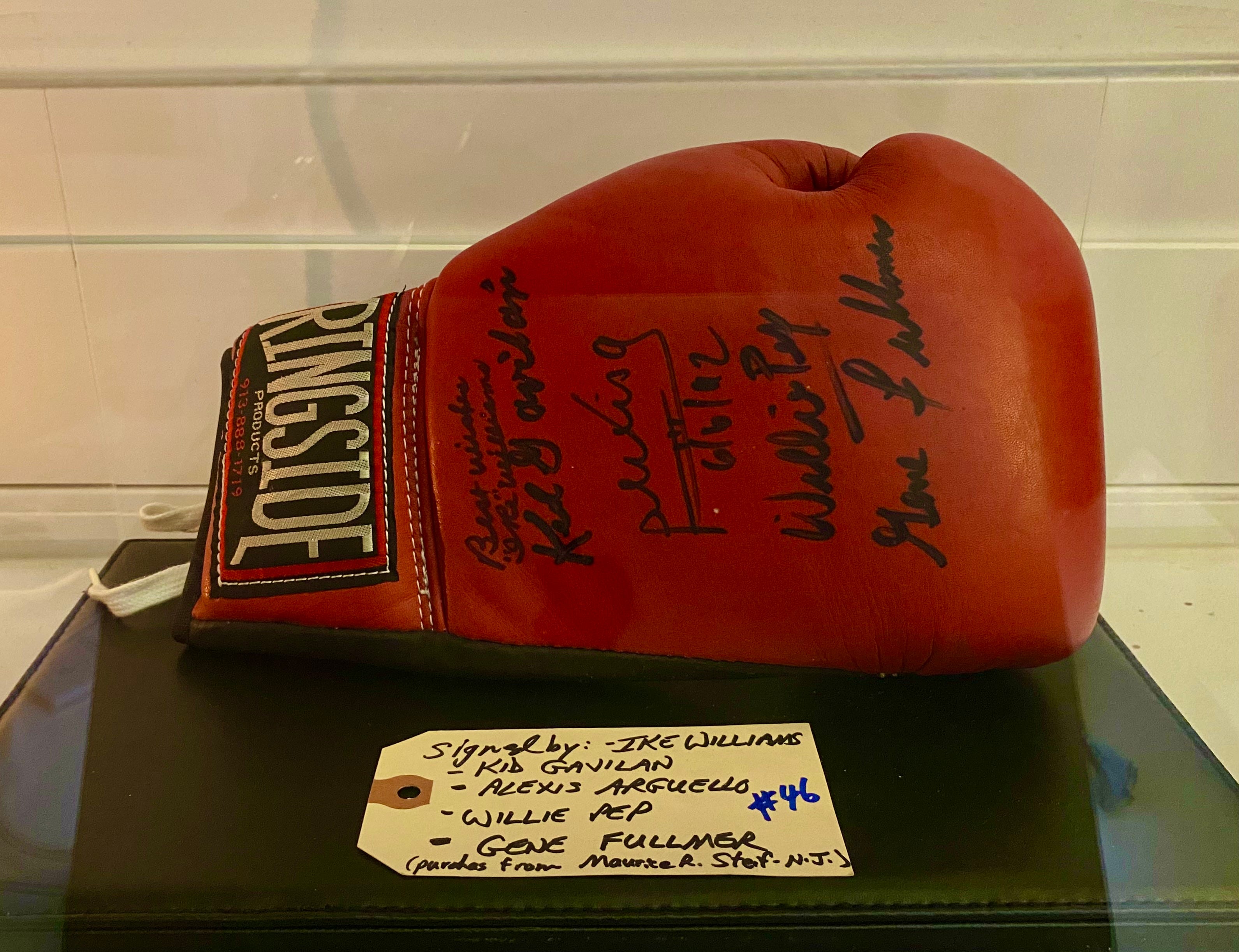
Ike Williams:
Ike Williams, born on August 2, 1923, in Brunswick, Georgia, emerged as one of boxing's most formidable figures during the mid-20th century. A lightweight dynamo, Williams, known as "Ike the President," left an indelible mark on the sport with his exceptional skills, tenacity, and a legendary career that spanned from 1940 to 1955.
Williams' ascent in the boxing world was swift and awe-inspiring. He began his professional career in the tough Philadelphia boxing scene, quickly amassing an impressive record with a combination of speed, power, and an elusive defense. His fighting style was a symphony of calculated aggression, earning him respect as a complete and versatile fighter.
In 1947, Ike Williams secured the NBA Lightweight Championship, a title he would successfully defend on multiple occasions. His battles against the likes of Beau Jack and Bob Montgomery became iconic moments in boxing history, showcasing his ability to adapt and overcome adversity in the ring.
Beyond his prowess in the squared circle, Williams faced personal challenges, including financial struggles and legal issues. However, his resilience mirrored his fighting spirit, and he continued to captivate fans with his performances.
Ike Williams retired in 1955 with an illustrious record, leaving an enduring legacy in the annals of boxing. His contributions to the sport earned him a well-deserved place in the International Boxing Hall of Fame. Although his life took unexpected turns outside the ring, Ike Williams' impact on boxing remains eternally imprinted, a silent thunder that echoed through the golden era of the sweet science.
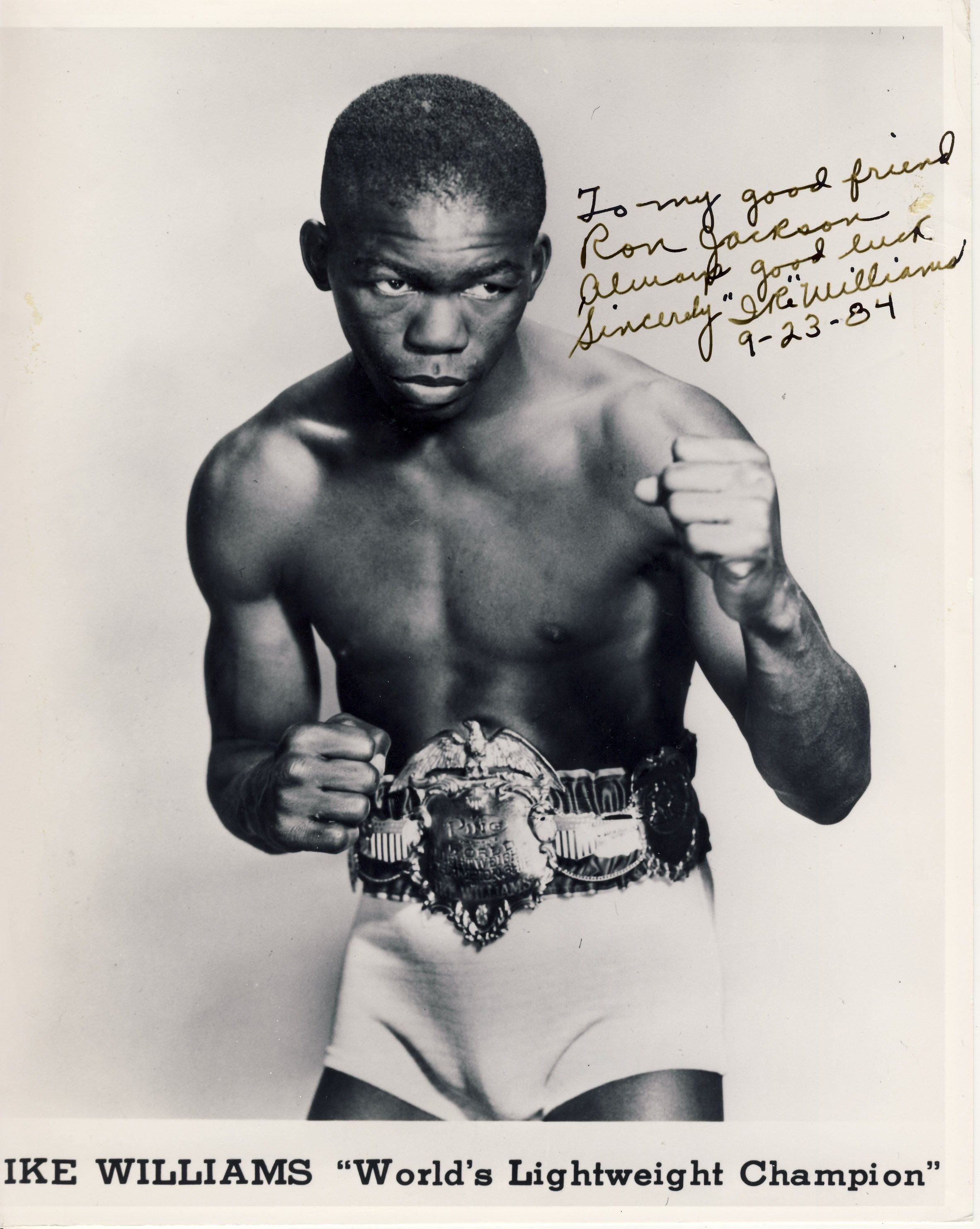
Kid Gavilan:
Born Gerardo González on January 6, 1926, in Camagüey, Cuba, Kid Gavilan became a legend in the world of boxing through his electrifying style, charisma, and indomitable spirit. Nicknamed the "Cuban Hawk" for his distinctive boxing stance and flashy footwork, Gavilan left an indelible mark on the welterweight division during the mid-20th century.
Kid Gavilan's journey to boxing stardom began in his native Cuba, where he honed his skills before making his professional debut in 1943. His unorthodox fighting style, characterized by a crouched stance and rapid lateral movement, perplexed opponents and delighted fans alike. Gavilan's flair for showmanship, including his famous "bolo punch," added a touch of theatricality to his bouts.
In 1951, Gavilan secured the welterweight title, and his reign as champion brought forth a series of memorable battles with boxing luminaries like Carmen Basilio and Johnny Saxton. His fights were marked by a unique blend of defensive mastery and offensive flair, earning him the admiration of fans worldwide.
Beyond the ring, Kid Gavilan embraced the role of an entertainer, both with his charismatic personality and his appearances in films and television. Despite facing financial challenges in his later years, Gavilan's legacy as a boxing icon is in no doubt. In 1990, he was rightfully enshrined in the International Boxing Hall of Fame, a testament to his impact on the sweet science.
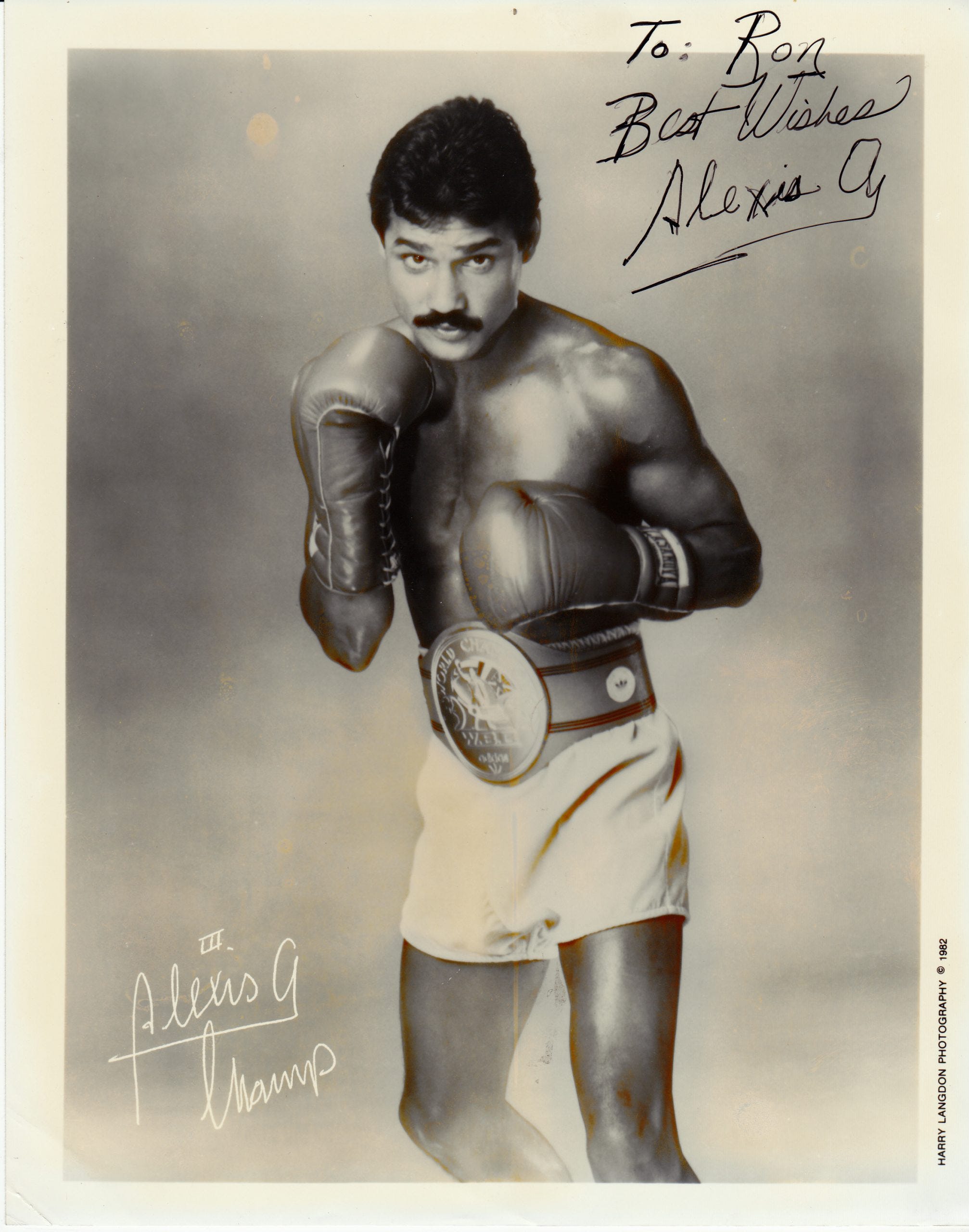
Alexis Arguello:
Alexis Arguello, born on April 19, 1952, in Managua, Nicaragua, transcended the boxing world with his lethal combination of power, precision, and sportsmanship. Often hailed as one of the greatest fighters in the history of the sport, Arguello's journey from the streets of Managua to the pinnacle of boxing greatness is a tale of resilience and remarkable skill.
Starting his professional career in 1968, Arguello rapidly ascended the ranks, capturing the WBA Featherweight title in 1974. This marked the beginning of a storied career that would see him conquer three weight divisions. Known as "The Explosive Thin Man," Arguello possessed a devastating right hand and a cool composure in the ring that belied his ferocity.
In 1978, Arguello etched his name in the annals of boxing history by defeating Rubén Olivares to claim the WBC Super Featherweight title. His climb to prominence reached its zenith when he clinched the WBC Lightweight title in a memorable bout against Jim Watt in 1981.
Beyond his accomplishments in the ring, Alexis Arguello embodied the spirit of a true gentleman. His sportsmanship and respect for opponents endeared him to fans and fellow fighters alike. Despite facing personal struggles outside of boxing, including political involvement in his native Nicaragua, Arguello's legacy remains untarnished.
Tragically, Alexis Arguello's life ended prematurely in 2009, but his impact on the sweet science endures. A three-time world champion, an Olympic competitor, and a symbol of sportsmanship, Arguello's memory lives on as a testament to the enduring spirit of a true boxing legend.
Arguello’s classic bout with Aaron ‘The Hawk’ Pryor remains one of my favourite fights of all time and I’m very proud to have both fighters signatures in my collection.
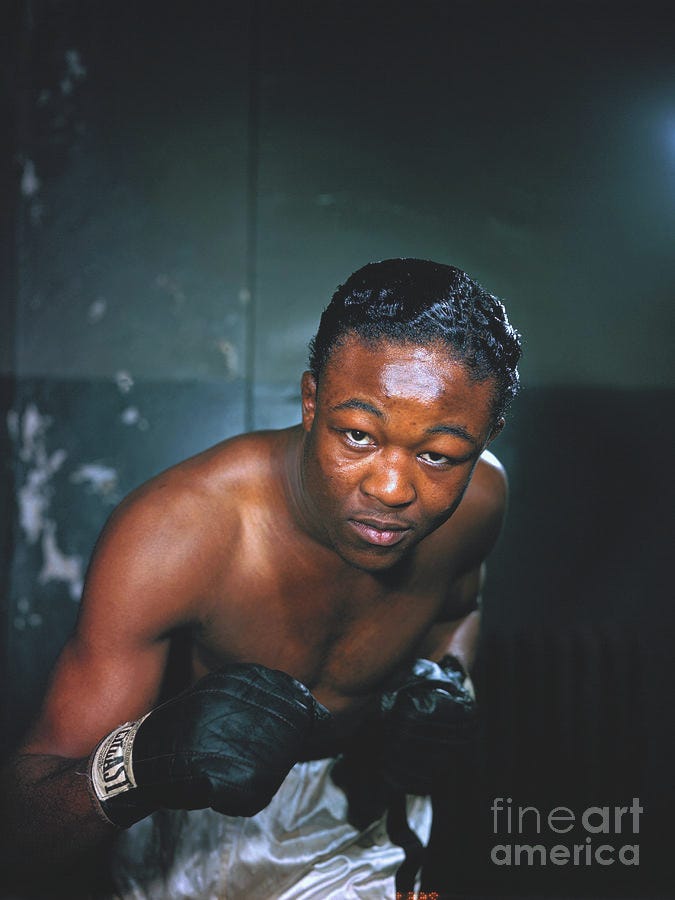
Interestingly Arguello has dated his signature on this glove with “6/6/92”. Upon looking in to his induction in to the IBHOF I found that he was indeed properly inducted on 7/6/92 so these fighters must have signed this particular glove the day before the official induction of the class of ‘92.
Willie Pep:
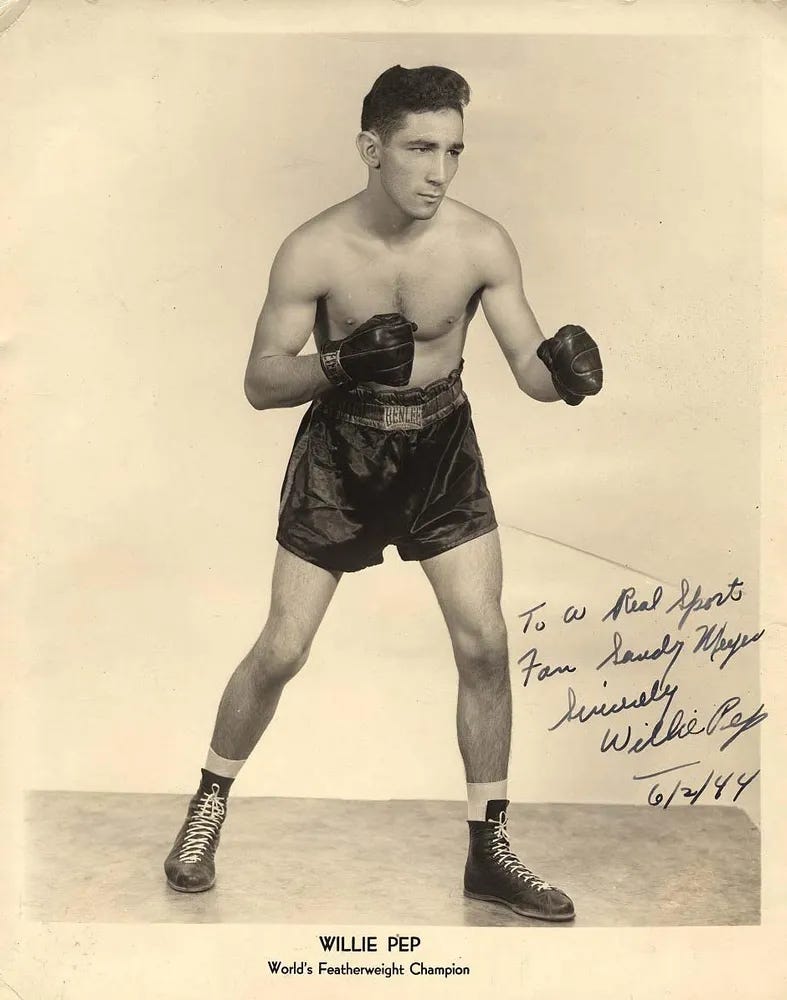
Born Guglielmo Papaleo on September 19, 1922, in Middletown, Connecticut, Willie Pep rose to prominence as one of the most extraordinary and elusive boxers in the history of the sport. His unparalleled mastery of defensive skills, combined with exceptional footwork, earned him the moniker "Will o' the Wisp" and solidified his status as a true boxing legend.
Willie Pep's professional career commenced in 1940, quickly showcasing his defensive prowess and elusive movements that left opponents frustrated and fans in awe. His record-breaking feat of winning 63 consecutive fights without a defeat between 1942 and 1948 remains unmatched in the featherweight division.
In 1947, Pep reclaimed the featherweight title in a dramatic rematch against Sandy Saddler, a testament to his resilience and skill. Throughout his illustrious career, Pep's boxing style was a ballet of finesse, a spectacle that transcended the brutal nature of the sport.
Beyond the ring, Pep's life was marked by challenges, including a plane crash in 1947 that left him with severe injuries. Despite these setbacks, he continued to compete and captivate audiences with his extraordinary skills.
Willie Pep's legacy extends beyond his numerous accolades, including being a two-time featherweight champion. Inducted into the International Boxing Hall of Fame in 1990, Pep's influence on the sweet science remains indelible, inspiring generations of boxers to embrace the artistry and finesse that he brought to the ring. Willie Pep, the fleet-footed maestro, remains a timeless icon in the annals of boxing history.
Gene Fullmer:
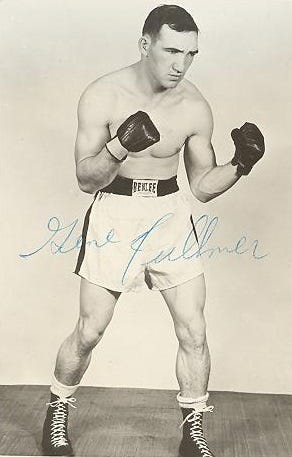
Born on July 21, 1931, in West Jordan, Utah, Gene Fullmer carved his name into the annals of boxing history as a relentless middleweight force, earning the moniker "The Utah Clipper" for his tenacity and sheer determination inside the ring.
Fullmer's professional career took flight in 1951, characterised by his unyielding style and a granite chin that made him a formidable opponent. In 1957, he achieved a career-defining moment by defeating the legendary Sugar Ray Robinson to claim the NBA Middleweight title. The victory marked the beginning of Fullmer's reign as a dominant force in the middleweight division.
Known for his relentless pursuit and powerful body blows, Fullmer successfully defended his title against top contenders, solidifying his place among the elite in his weight class. His iconic battles with Robinson became legendary in boxing lore, showcasing Fullmer's resilience and ability to weather storms in the ring.
Fullmer's career reached its zenith in 1959 when he became the undisputed middleweight champion by defeating Carmen Basilio. His aggressive style, combined with an ironclad defense, made him a fan favorite and a symbol of toughness in an era of legendary middleweights.
After retiring from professional boxing in 1963, Gene Fullmer's legacy endured. Inducted into the International Boxing Hall of Fame in 1991, he remains a symbol of Utah's fighting spirit and a testament to the indomitable will that defined his storied career. Gene Fullmer, the Utah Clipper, remains eternally etched in the history of middleweight boxing.
These gladiators of boxing yesteryear embody everything I love about the noble art. I’m very proud to own this small piece of boxing history.
I hope you enjoyed reading, please feel free to share this post with anyone you think might enjoy reading it too. They are more than welcome to subscribe to the ‘Catch & Counter Boxing’ family.
Regards
Dean
No posts
Comments
Nothing yet. Say the first thing.
Sign in to join the conversation.