
“We are showered every day with the gifts of the Earth, gifts we have neither earned nor paid for: air to breathe, nurturing rain, black soil, berries and honeybees, the tree that became this page, a bag of rice and the exuberance of a field of goldenrod and asters at full bloom.”
-Dr. Robin Wall Kimmerer, author and botanist of the Citizen Potawatomi Nation
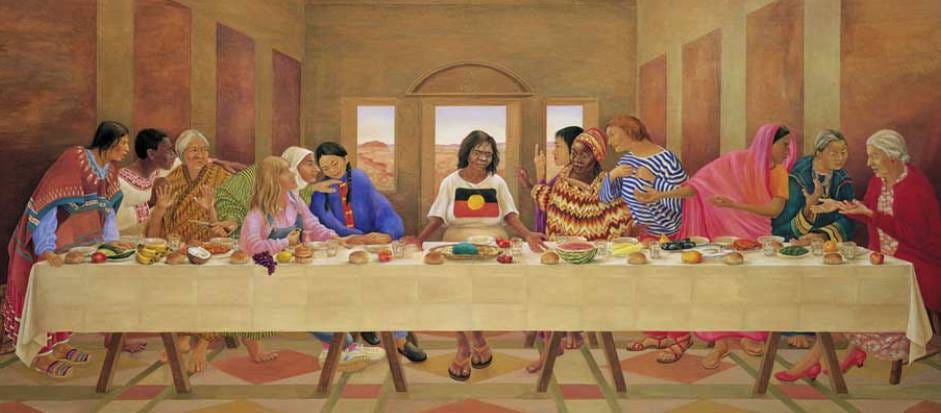
May this be a meaningful gathering season, in whatever form it takes.
I honor that Thanksgiving is uncomfortable; it reifies colonial legacies and inaccurate “origin” stories, perpetuating harm against Indigenous peoples of this land. It adds to the staggering atrocities we commit against animals (55 billion land and sea creatures are killed every year for human consumption in the US, 46 million of whom are Thanksgiving turkeys). Thanksgiving is a mirror for the consequences of our “othering” and exceptionalism, our self-referential superiority. We see it, too, in the conflicts, destruction, and suffering around the world, in the artificial hierarchies we enact.
Yes, this holiday can stir the painful denialism of the traumas we continue to inflict, including upon ourselves, as we wear the cognitive dissonance of a culture that features our day of thanks for what we have and our day of good deals for stuff we don’t yet have in immediate succession. It is quite enough to suggest we should be enjoying the material fruits of our ecocide because we got it at a “Black Friday” bargain, but on the heels of Thanksgiving? We are not wrong to feel confused and conflicted, when our contentment is meant to last only as long as it takes to digest dinner.
And yet, making space for gratitude; prioritizing family, friends, community; coming together; inviting in - these are beautiful, powerful rituals. On the other end of the entitlement spectrum is gratitude; not what we are owed, but for what we owe thanks. The giving of thanks. Gratitude is generous.
So there is space for nuance at the meeting place of grief and gratitude, where many of us likely find ourselves on Thanksgiving day. “Joy doesn’t mean everything is alright, it’s the reminder there is a beauty that cannot be touched,” affirms writer and liturgist Cole Arthur Riley.1 And perhaps this is our way into something more meaningful.
At family and friend gatherings around this time we are often asked to go around the table and list the objects and conditions of our gratitude. I see what we reach for with this exercise, however, we must be mindful about how we get there, especially those of us implicated in colonial legacies and material excess. The question itself - for what are you grateful? - implies also what is outside the scope of our gratitude. It can deny our interbeing - that everything, everywhere, is interconnected. While it is important to name and honor the reasons why we give thanks, a kind of partitioned attention to what inspires us to be lavish with our praise on one particular day each year seems undependable, fleeting, and sometimes self-centered. It is, after all, our legacy to appropriate, strip of context, and selectively focus on what feels pleasurable, convenient, or worthy.
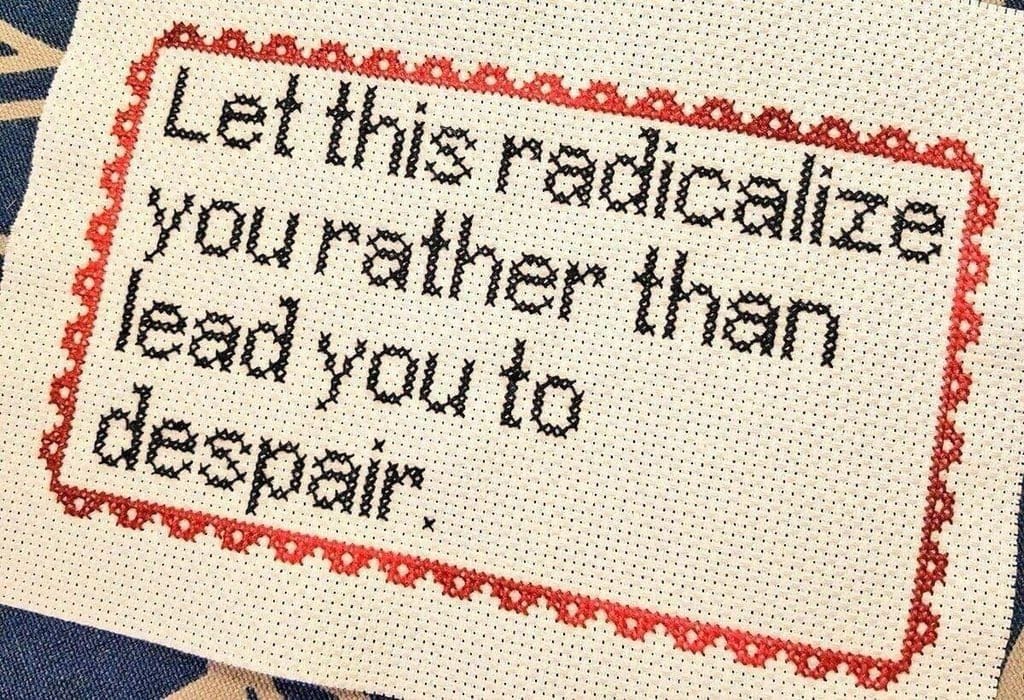
Our culture makes it easy to do. So we look away towards distraction to avoid feeling the despair of knowing that we have taken too much from too many for too long. Except, feeling is not the affliction, rather, it is the medicine. Our work is in learning, knowing, and tending the despair. We owe this as our part in the covenant of reciprocity. For what we have received and taken. This is a pathway towards enduring gratitude and cosmological balance.
Perhaps, then, we can move beyond gratitude as an expression of preference - towards gratitude as a posture of relational alchemy, and one that challenges human ideas of exceptionalism. “The practice of gratitude can, in a very real way, lead to the practice of self-restraint, of taking only what we need. Acknowledging the gifts that surround us creates a sense of satisfaction, a feeling of enough-ness which is an antidote to the societal messages that drill into our spirits telling us we must have more. Practicing contentment is a radical act in a consumption-driven society,” Dr. Robin Wall Kimmerer shares.2
Expressed another way, we might call it “continuous practice,” a phrase articulated by Zen Master Dogen in the 1200s. “Continuous practice, day after day, is the most appropriate way of expressing gratitude. This means that you practice continuously, without wasting a single day of your life, without using it for your own sake.”3
We cannot change the past, but we can work towards a different future, one of boundless appreciation that underpins our commitment to - and responsibilities towards - one another. As it was written in a recent newsletter from my zen center: “Our work today is to untangle the ancient, twisted karma of our ancestors. It falls to us to undo legacies of oppression and to sow seeds for a more just, equitable, and habitable world for future generations.”4
May we be invited into continuous practice, into the despair and the joy, into what we inherit and what we create, into the breath and the body, into all that sustains us here without us even having to ask, into reciprocity and care, into boundlessness and mystery. May we continue to learn and live our gratitude, together. ♥
Riley, Cole Arthur (@blackliturgies). Instagram, 24 November 2022.
Kimmerer, Robin Wall. “Returning the Gift.” Humans & Nature, 1 October 2013. https://humansandnature.org/earth-ethic-robin-kimmerer/
Dogen, Zen Master. Treasury of the True Dharma Eye: Zen Master Dogen’s Shobo Genzo, edited by Kazuaki Tanahashi. Shambhala, 2013. Page citation forthcoming.
Upaya Zen Center. “Boundless Awareness, Boundless Gratitude.” Upaya Newsletter, 21 November 2023.
No posts
Comments
Nothing yet. Say the first thing.
Sign in to join the conversation.