
Do you want to spend five days backpacking in the warm, peaceful canyons of southern Utah with a group of other women, trans and non-binary people? Do you want to learn to make routes in caltopo beforehand? Applications for my April 2026 Utah trips are now open! Some backpacking experience is helpful, but if you have other outdoors experience I can help you fill in the gaps. Deets are here.
And there are just a few spots left in my February beginner trips! Join before October 1 to lock in the current price, after October 1 the price will increase to $3,000. Full details and the application are here.
Reviews from past participants of my trips are here.
Part one
For my birthday week, my boyfriend Jon and I flew to his home village to go moose hunting. The village Jon grew up in is extremely small, about as small as a place can be and still exist on a map, and like much of remote Alaska, it’s off the road system. Luckily, the village has a post office- when a community in Alaska has a post office, the federal government subsidizes regular mail delivery via small plane. A couple times a week there’s a mail flight from Fairbanks to Jon’s home village, and this flight has room for a couple passengers. Since this mail delivery plane is already paid for by the federal government, you can ride as a passenger for cheap- less than $200. Without this mail flight, you’d have to charter a bush plane to get to the village, which would cost a few thousand dollars. Or you’d have to own your own plane. Some people in Alaska who have remote, fly-in only cabins own their own tiny planes. Up here, being a pilot is actually fairly common, and useful!
There’s other, more laborious ways to travel overland to communities off the road system- some of the villages are on big rivers, so a long boat journey will get you there. Much of Alaska is bog, so if you’re not on a river overland travels have to wait until winter, when you can make the journey by snowmachine or dog team. In the weeks leading up to the inauguration in January, when I was having mild prepper panic, I asked Jon is there was a way to walk to his village from the road system, in case something bad happened and we needed to flee. He humored me by looking at a map and helping me figure out how we would get there on foot, in the wintertime. We’d have skis and snowshoes and we’d pull sleds. As we worked out the logistics of the journey it started to feel like a fun adventure, and that soothed my anxiety. We didn’t end up needing to make that expedition, but I still think about it.
I was excited to finally get to see Jon’s village. Unless you’re part of one of the communities off the road system in Alaska, you’re hard-pressed to have a reason to go there. Unlike communities on the road system, they’re not set up for many visitors, and if they have services at all, they’re usually geared just towards the residents. Some of these communities are native villages- permanent settlements created by various Alaskan tribes after colonization. Traditionally, native Alaskans were nomadic hunter-gatherers, moving between seasonal camps at different times of year. Colonization pushed them to adopt the infrastructure of the western world, aka permanent towns, although they are still heavily dependent on subsistence ways to survive in remote Alaska, where supply chains are fragile and store food is bonkers expensive, and many still travel to different areas and camps to hunt/gather in traditional ways. Not all Alaskan communities off the road system are native villages, some were settled by non-natives drawn to Alaska by gold, industry, resource extraction etc, but even the non-native villages are usually in spots where traditional native hunting/gathering camps were, because those are the spots where the food is at least part of the year.
The village where Jon grew up, and where his parents still live, is on traditional Koyukon Athabaskan subsistence lands, but was settled by non-native people during various waves of resource extraction. The people who live there get much of what they need from the land- hunting, fishing, gathering and gardening, cutting trees for lumber and firewood, and to get cash for everything else (gas, snow machines, grain, consumer goods, etc) they either work as trappers- trapping animals with valuable fur and selling the fur, or in one of the few jobs in the village- you can plow the airstrip, run the giant generator that creates electricity for the residents, or staff the combination post office/library. You can also work remotely using satellite internet, and some residents are retired. There is no clinic, school or store.
One of the first stories Jon’s mother told me, once we were sitting in her warm kitchen drinking tea after our flight, which carried us, one other villager and a large stack of building materials over an endless flat stretch of bog and boreal forest, the birch trees turning flame-yellow in the shortening light of autumn- is about how when Jon and his sister were toddlers she would hitch up the dog team when it was many degrees below zero and they would all head down to the lake to chop a hole in the ice to fill their five gallon buckets with water. On the ride back the water would slosh out of the buckets, and by the time they got home the buckets would be frozen to the sled. It was a huge pain. And yet, that was their water system for decades- plumbing in the Alaskan interior is notoriously difficult, due to the extreme cold of the winters here, even if you live in a city (like Fairbanks). Now Jon’s parents have a bit of (untreated) running water in the kitchen sink (at least in summer), thanks to a system his mother set up, but it’s such a complicated system that even after she explained it I didn’t understand. It involves a cistern that gathers rainwater, a pump that brings water up from the lake, and lots of pipes moving things around that may or may not have to be entirely reconfigured after it freezes.
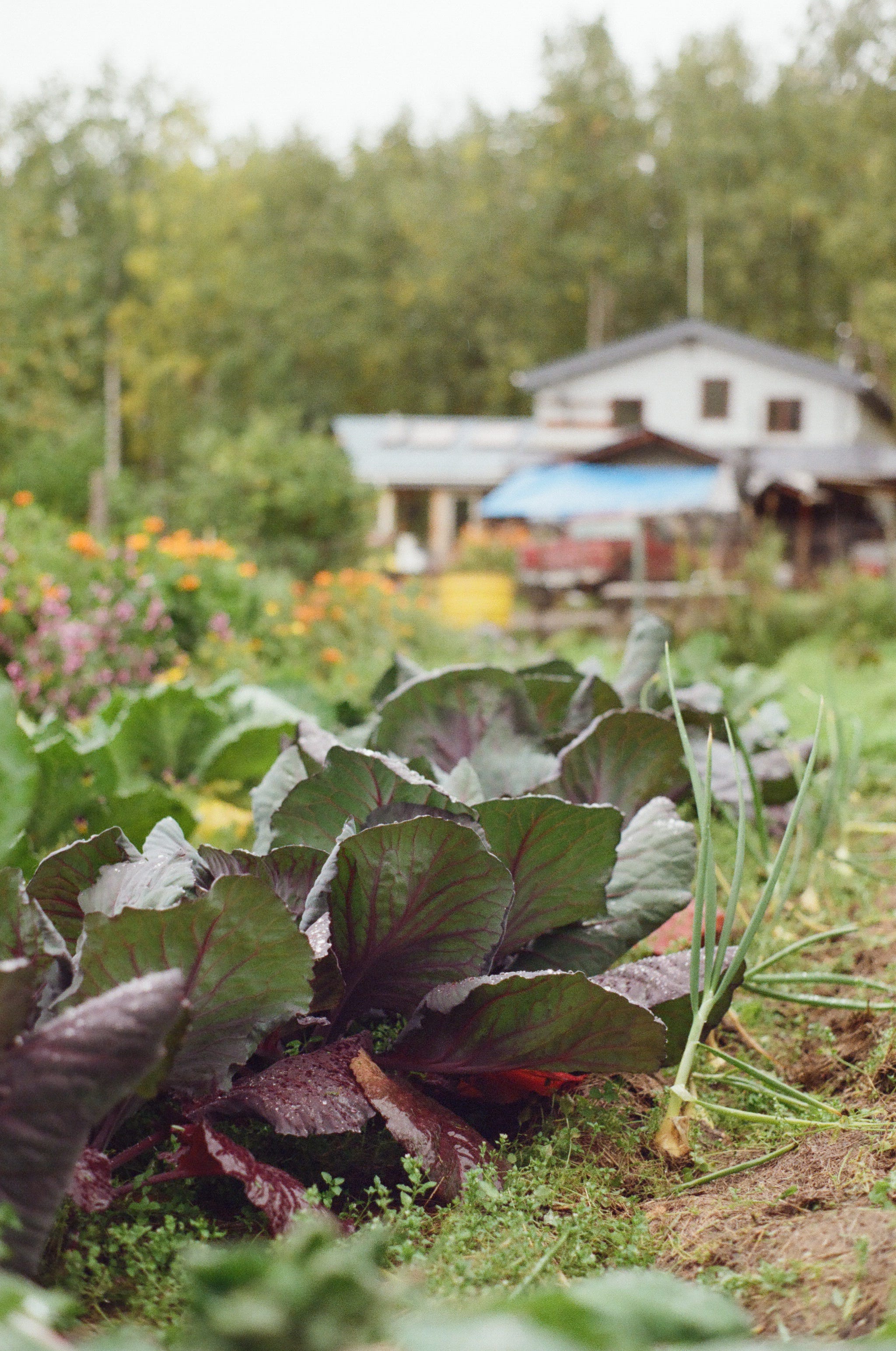
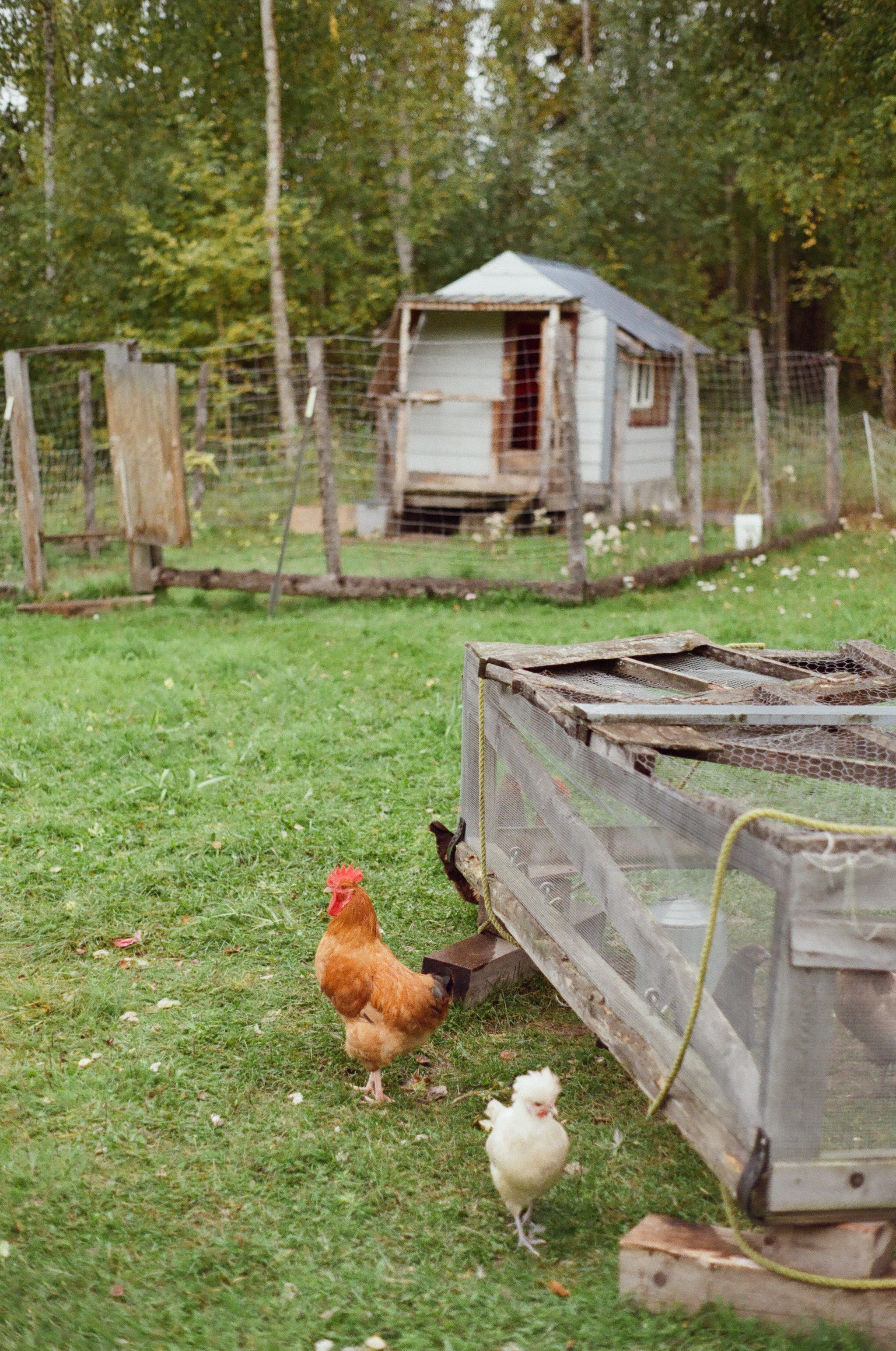
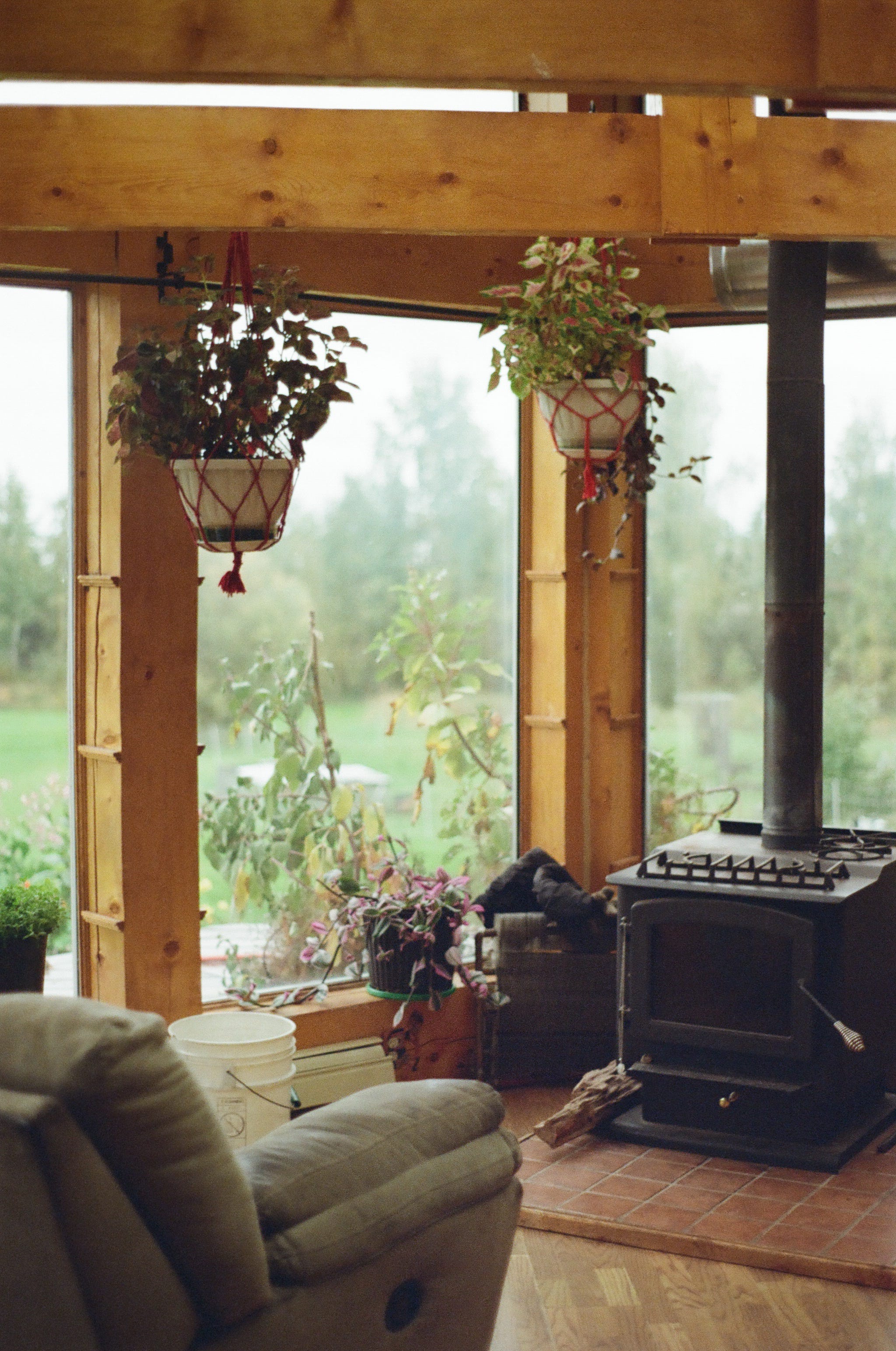
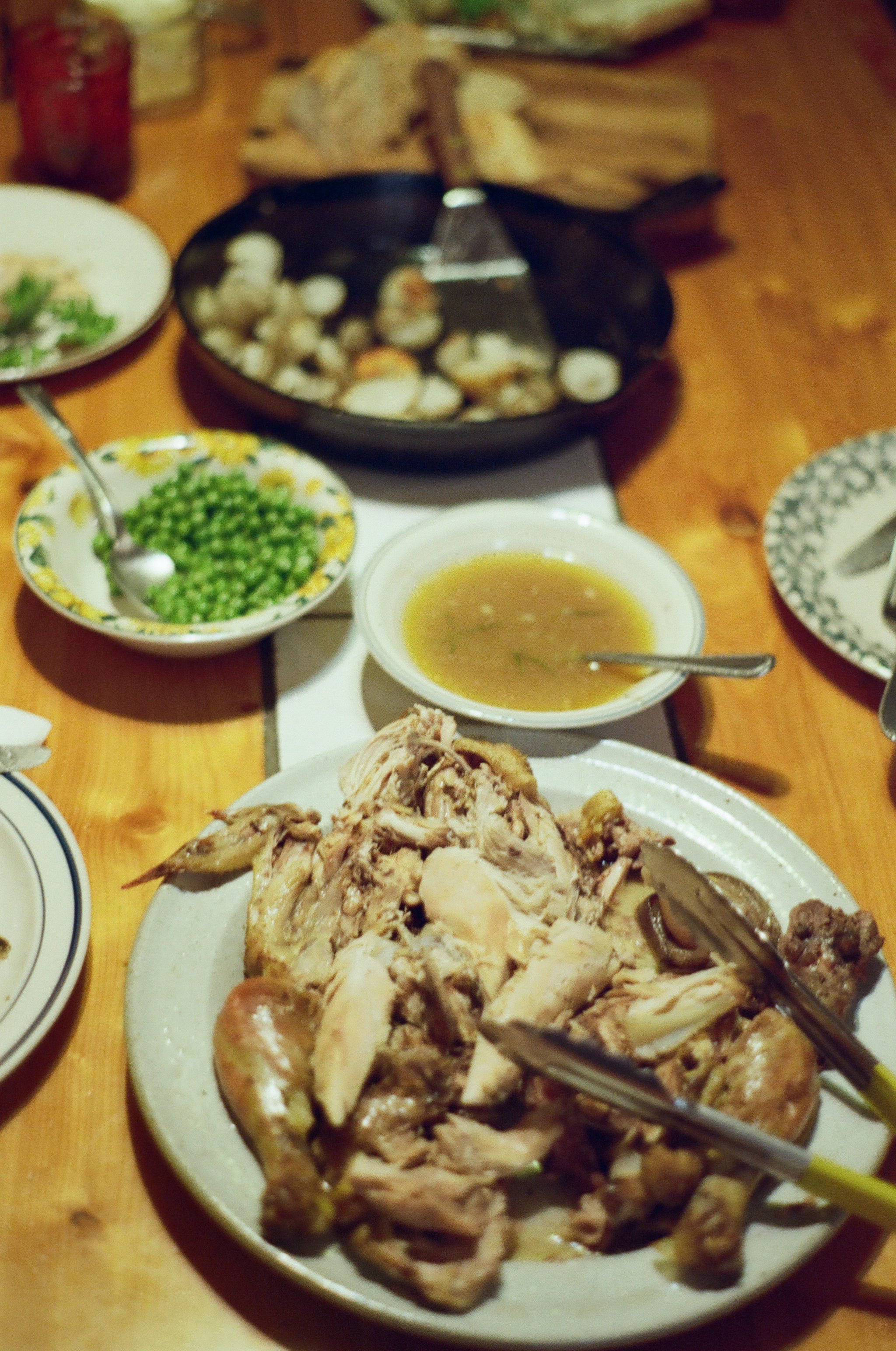
John’s parents’ house was filled with light from huge windows that face the garden, and their dogs lounged on dog beds in front of the toyo stove. It was so warm inside I felt drowsy, and outside the cold autumnal rain fell companionably. For dinner, Jon’s mother served up one of their chickens that she roasted, and also new potatoes and peas from the garden, homemade bread and cranberry and raspberry preserves. The whole experience felt enchanted, and I was aware of how lucky I was just to be here.
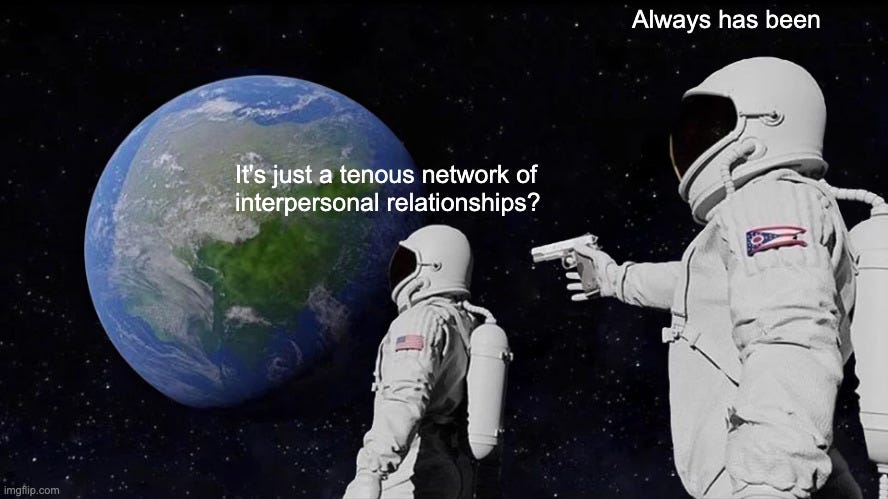
I’ve only had the opportunity to visit a few of the communities off the road system in Alaska, but something I’ve noticed in all of them, whether native or non-native, is how relational everything is. There’s not much available for people just passing through. You’re either already part of the community, or you’re in the process of becoming part of the community. Otherwise, there’s very little for you. In Jon’s parent’s village there is no sign on the airstrip announcing where you are- if you know you know, I guess- and there are no road signs. The few streets in town- rough, potholed dirt roads- seem to lead directly through the resident’s backyards. Who lives in those houses? Again, if you know you know. And if you don’t know, you don’t know.
This isn’t to say that villages aren’t welcoming to outsiders. It’s actually the opposite- if you’re gonna be there, you’re expected to join the community. Even as a non-native person, it’s possible to become part of the community in a native village by working an essential job there, or marrying into it. People in the villages aren’t closed off to connection with outsiders, they just want you to stop being an outsider first.
This is such a contrast to the way that communities are organized in the rest of the US that it’s almost shocking. In Alaskan towns on the road system, and in towns in the lower 48, no matter how small they are, anyone can visit, consume what there is to consume, and be on their way. There’s a motel to stay in, a restaurant to eat at, and a grocery store. Visitor’s centers have helpful pamphlets saying what there is to do- where to hike and what to see, when various seasonal festivals happen. Gas stations sell souvenirs and roadside pullouts have educational displays describing the history of the area- who lived there, when, and why. Providing passers-through with a regional experience and in exchange, extracting money from them to benefit the local economy is such an automatic way of doing things in the western world that it’s never questioned. People come to your town to hike the local trails at sunset? Great! Why not start up a hot air balloon company, or sell them ice-cream?
While some of the larger communities off the road system in Alaska have a modicum of infrastructure for passers-through- a bush plane company for hunters, a rundown lodge, maybe a Korean restaurant- generally the vibe is “if you live here or want to live here, you’re home- otherwise we’ll ignore you”. This can be stressful, honestly, if you are just passing through- having to literally walk up to strangers on the road to find out if there’s anywhere to buy stove fuel, and then they point you to an unmarked building that functions as the store, but when you get there the door is locked, so now you have to find another villager to accost and ask to unlock it for you- and it can feel like you’re lowkey trespassing the whole time you’re there. But it’s also very, very fascinating- relationships first, transactions second! A way of being that feels almost extinct in these modern times.
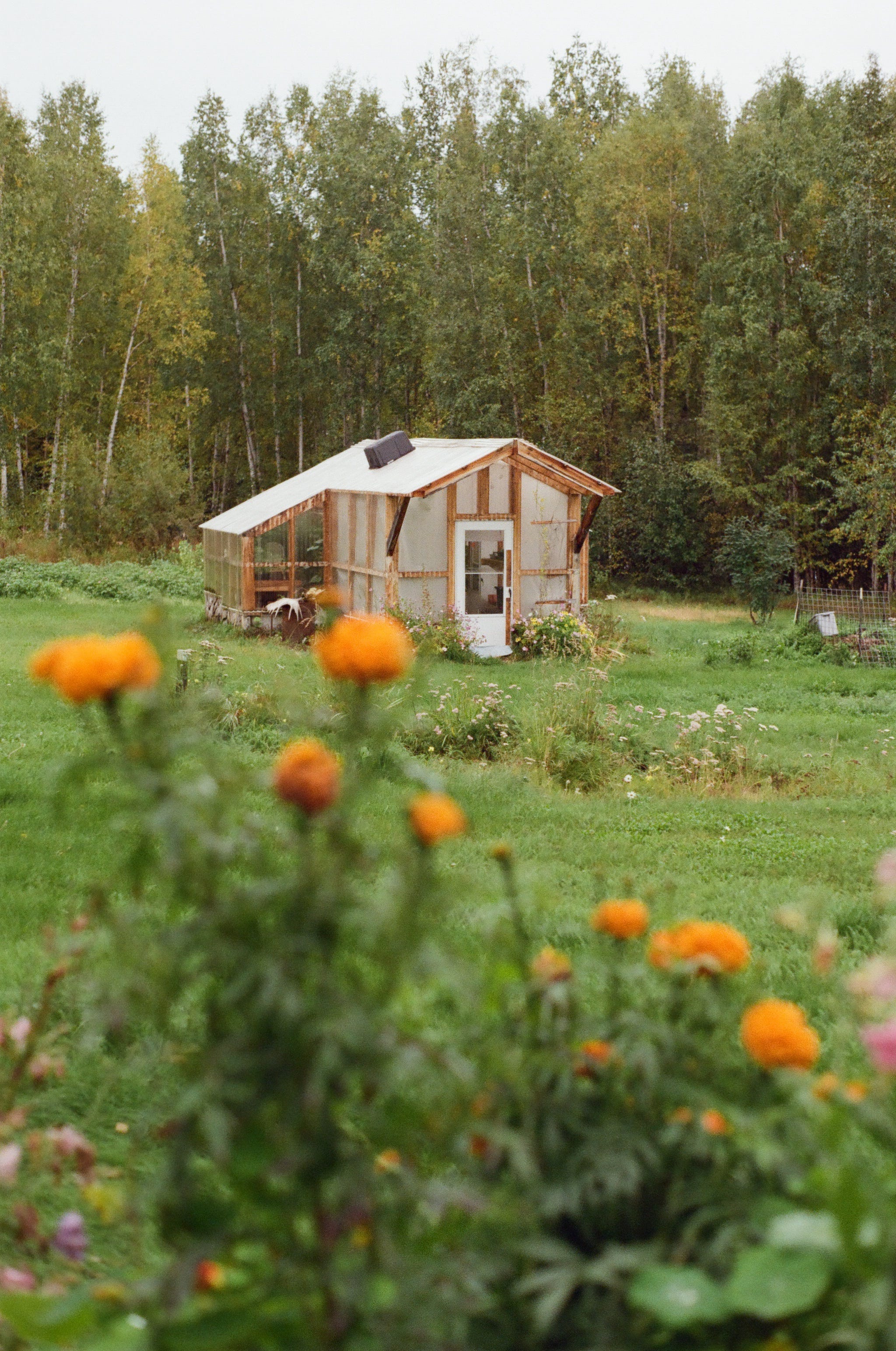
In the morning Jon and I would head up the river to hunt for moose, and as he drove me around town in a small, beat-up pickup truck (no seatbelts, no side mirrors, windshield covered in cracks) to gather the supplies that we’d need, he narrated the sites that we passed- that’s so-and-so’s house, that’s so-and-so’s boat. This was the first time I’d been in a village while having a connection to someone there, and I felt like I’d broken through some invisible barrier from “outsider” into total community immersion. Already nearly every person in town had introduced themselves to me, since I was there with Jon- they were all at the plane, because meeting the mail plane and helping unload it seems to be a favorite activity in all the villages- and I had a feeling that if I was around for long enough, people would start subtly pressuring me to stay. More able-bodied people are always needed in rural Alaska, where the physical toil is never done, and there are a million projects around town I’m sure I could help out with. This was a nice thought, almost utopian, but it also filled me with panic- I don’t know if I could ever live somewhere so isolated. Still, I’m a sucker for a sense of belonging, and as we drove past cozy log cabins with their gardens full of marigolds I was reminded that this desire for belonging is our deepest, most basic instinct- the thing that drives us more than anything. We want to belong, and we fear being cast out. Above all else this is true.
Part two coming soon,
Carrot
Comments
Nothing yet. Say the first thing.
Sign in to join the conversation.