
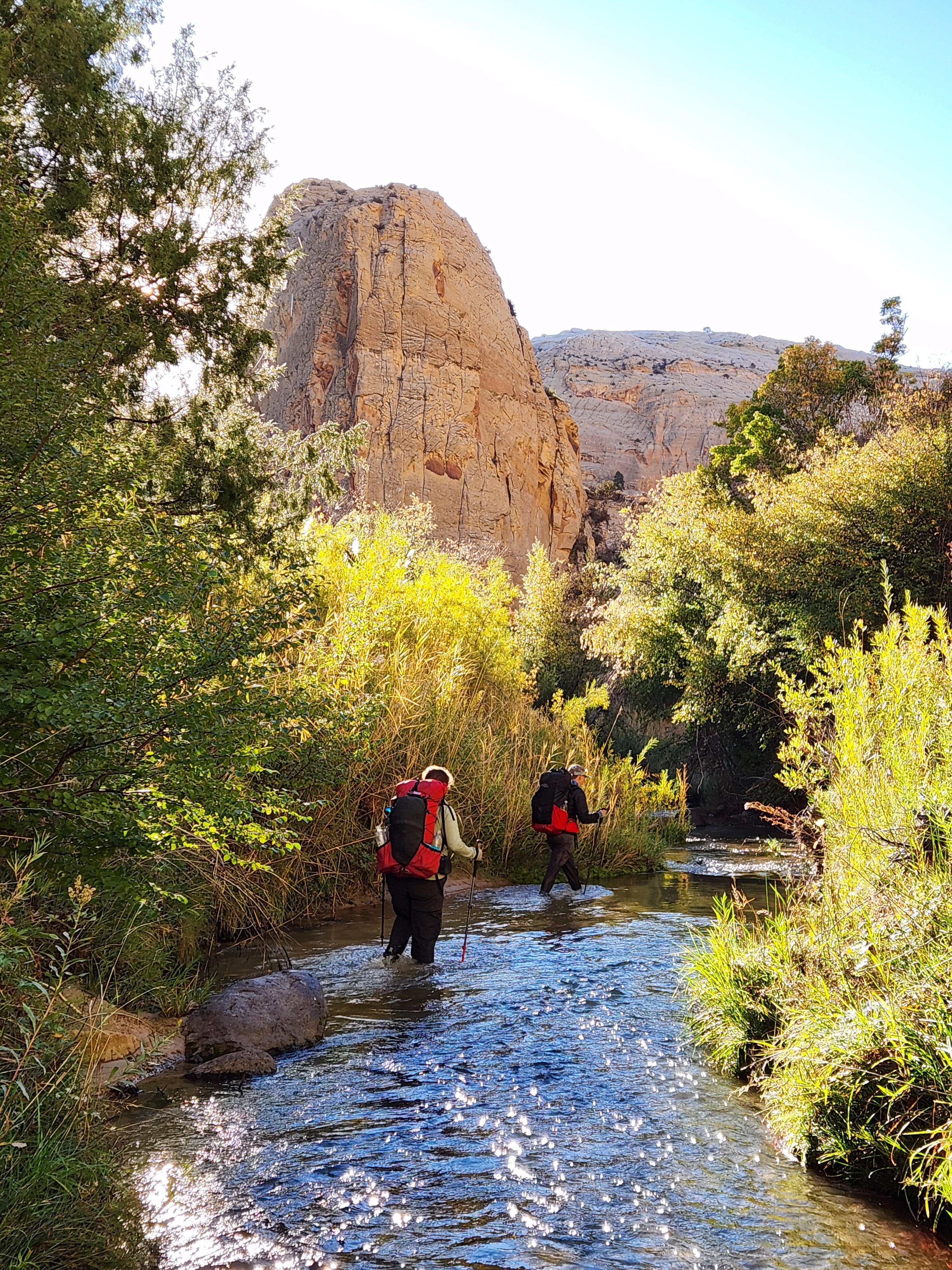
Bonnie says: I had an incredible time on Carrot’s Utah trip! I came in with some long-distance backpacking experience, but I wanted to get more confident using CalTopo and planning cross-country routes to explore beyond the well-known trails. I left the trip with so much more knowledge and confidence in those skills. Carrot is kind, funny, and endlessly generous with her experience—always teaching in a supportive, never-judgmental way. The scenery was breathtaking and the group was wonderful, great vibes all around. I’d highly recommend this trip to anyone looking to grow their backcountry skills and have an unforgettable adventure!
Nina says: Backpacking in the desert with Carrot was chill and peaceful. She is a warm and inviting person to be around with her sweet demeanor. Carrot stays calm, cool, and collected when times in nature are not and still have fun in the process.
There are still spots in my April Utah trips! Build your confidence with cross-country navigation- and if you don’t have backpacking experience but still want to join, it’s totally possible, as long as you’re willing to train and do all the gear and food prep beforehand (which I will help you figure out in the zoom calls)! Deets and the application are here, and if you have any questions feel free to email me at carrotquinn4@gmail.com :)
Jon’s dad found a walking-foot sewing machine at the dump. It had Collins written across the top in sharpie, and a phone number- it had belonged to Miki and Julie Collins, aka The Trapline Twins, two older women who live in a cabin in the bush and run a trapline with a dog team and write about their adventures. The sewing machine was broken. It had lived a long life of hard labor sewing skins until it finally bit the dust and the twins hadn’t been able to fix it, and now it was at the dump.
Jon’s dad took it from the dump and gave it to Jon, who can fix anything. Jon disassembled the sewing machine entirely and cleaned it (it was gummed up with hair and grease) and replaced broken bits, and adjusted the other bits, and then he put it all back together and it was fixed. And then he gave it to me. For my birthday. Because he is an angel.
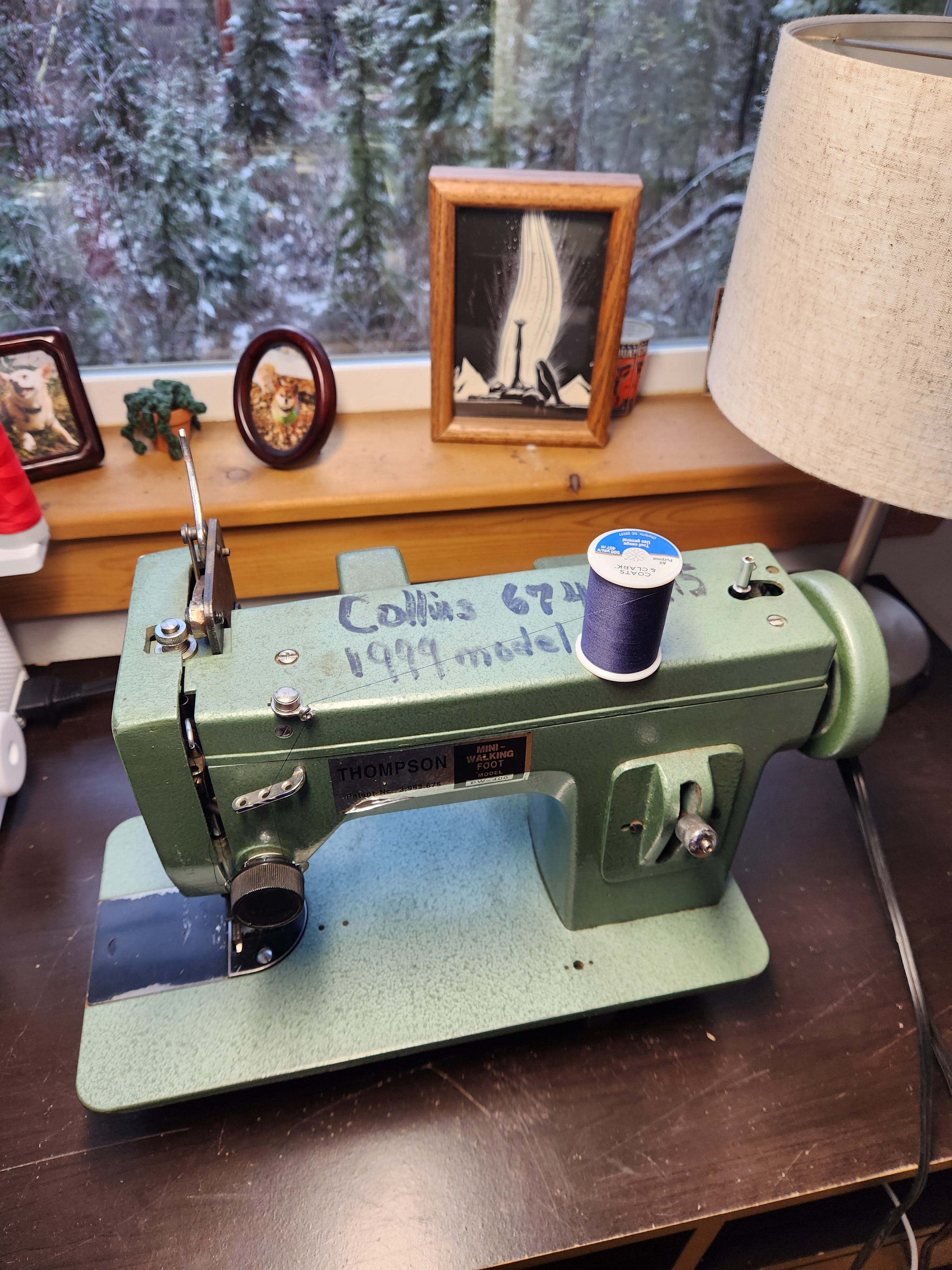
I’d been wanting a walking-foot sewing machine, to make bags- I can make bags ok on my singer 401a but it entails a lot of broken needles and the feeling that I’m pushing my machine too hard- a walking-foot machine is made for thick fabrics, even leather! And will be a joy to make bags on. A while ago I ordered a sick stack of brightly-colored Cordura and x-pac, and I’ve just been hoarding it. Now, thanks to my absolute treasure of a boyfriend, I can turn it into bags.
But not until I get done sewing all these hoodies and dresses. Mostly what I’ve been doing this month is sewing. Grid fleece hoodies, merino hoodies, merino dresses. All made from patterns that I designed myself (in just one size, my size, and then sent to a pattern grader to be digitized and graded into other sizes). I’ve sewn twenty-one garments so far. I’m shooting for thirty, maybe forty, and then I’ll do a little “drop” on instagram. It’s a bit of an experiment- what if I made garments to sell? How does it feel in my body to sew this much? Will people buy them? Will it be sustainable?
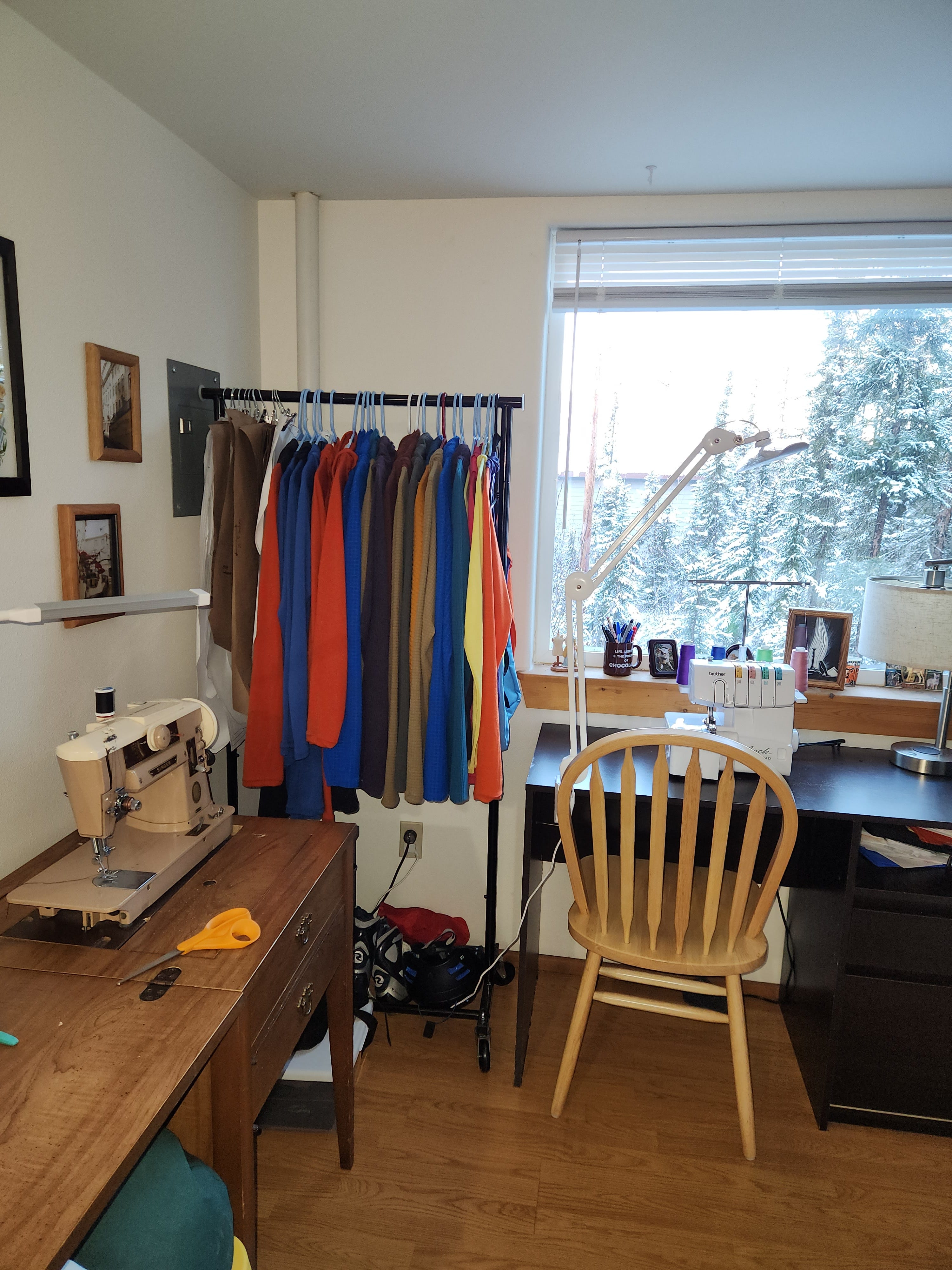
I’m not a fast sewer- maybe fast by hobby standards, but nowhere near as fast as all the people who actually make our clothes, in commercial sweatshops the world over- it takes me three hours to complete a garment, four if I make a mistake. If I sell everything, I’ll end up making about $15/hr in profit, which is not enough to cover my living expenses, so it won’t be an actual “job” so much as a sewing hobby that pays for itself, unless I get faster. Making the same garment over and over (and investing in an industrial sewing machine) would likely make me faster, but is that what I want to do? Would that be enjoyable, or would it make me hate sewing? This is what I mean to find out. When should we attempt to monetize our hobbies, and when should we just keep them as… hobbies?
While my grid fleece hoodies fit different than other peoples’ grid fleece hoodies and so are unique in that way, I am not the only person making grid fleece hoodies. I am also not the only person making hoodies out of thin, t-shirt weight merino. However, I don’t know of any cottage companies making merino dresses. So if I’m doing anything truly original it’s that. The dresses are a heavier merino, like a sweater-weight, and I love the pattern I designed- I think the cut is really flattering! At least on my body. That’s the weird thing about designing clothes- what kinds of bodies do you design for? Who do you prioritize? I have only myself as a model when I’m making patterns- I have broad shoulders but also wide hips, medium boobage, a muffin top. I think my arms are kind of long? I’m neither short nor tall. I make things that look good on me, but what about taller people with narrower shoulders, and shorter arms? What about shorter people with bigger butts? I tell myself that stretch fabric is forgiving and I fit the pattern to my own body and then size up and down and hope for the best. Before I do my wee instagram drop I’m gonna wrangle some friends for a photo shoot- I’ll get to see the garments on a bunch of different bodies, and that will be the moment of truth. Currently, it’s hard for me to comprehend how people design garments in non-stretch (woven) fabrics- you’d just have to pick a body shape and be like “this is who I’m designing for, fuck everyone else”. It seems barbaric but also explains how hard it can be to find (non-stretchy) clothes that fit. In my wildest fantasies I become a tailor, so good at sewing that I can make customized garments on demand, just from someone’s body measurements- you come to my cabin, rifle through tall stacks of fabrics, we make a loose sketch of what you want (linen beach wear, a sailor moon costume, a Gunne Sax wedding dress) and then four days later, I have it ready for you. I don’t know in what economy this would be viable, but maybe in this fantasy the world is different- instead of cash, people pay me in canned beaver meat, dried garden potatoes, salmon candy, moose leather.
Speaking of made up worlds, I keep thinking “Carrot when are you going to start another book” and then I just… don’t. For a decade I was working on one book after another, and then since Bets came out in December it’s honestly been extremely nice to take a break. To do something creative with my hands, which I’d been craving for years, instead of four extra hours of computer time each day. I want to write a sequel to Bets, and I have lots of ideas, but it’s just been so nice to let my brain rest. When one thinks of oneself as a writer but one is not writing (except for this newsletter), one tends to ask oneself- am I really meant to be a writer? I once read a book on writing that said, when you find yourself asking this question, the answer is to try and do literally anything else. If you’re meant to be writing, you’ll find your way back to it. So we shall see! I am currently trying to do literally anything else.
In other news, last week Trump had this stupid thing called “Alaska Day”, and now the Brooks Range is in danger. All of it- the eastern part, middle, and western part. You may know the Brooks Range as the northernmost mountain range in North America, 700 miles of undeveloped, pristine wilderness that stretches across the top of Alaska (pristine except for one road, the Haul Road aka the Dalton Highway that bisects its middle headed north and undeveloped except for a few small Iñupiaq and Athabaskan villages that can only be reached by plane). The Brooks Range is one of the last fully intact ecosystems on this planet- it has all of its apex predators and caribou, its rivers have never been dammed, its forests have never been logged, mining activity has been extremely limited. There have been protections in place for a long time to keep it this way, and scores of tribal governments are in agreement that it absolutely should not be developed, because having intact wilderness is rarer these days, and infinitely more valuable, than mining or oil drilling, which would create a handful of jobs for a few decades but destroy the land forever. I am not a nimby, I know that resource extraction is necessary for the way we live, but the way that it is done in Alaska currently (foreign mining corporations, profits that leave the state while much of rural Alaska stays poor as shit, lack of accountability for pollution and destruction, pushes to develop places that are pristine, jobs just for a little while, no efforts to do it any differently) is totally fucked.
The eastern Brooks Range is where the Arctic National Wildlife Refuge (ANWR) is. There’s been a push for decades to drill for oil in ANWR, but people are like lol no, because there’s just a small amount of oil and it’s where the Porcupine caribou herd calves, as well as crucial for eleventy billion migrating birds, and it’s sacred to the Gwich’in Athabaskan people. So drilling has always been blocked. Then last week Trump was like “sike, we’re drilling there anyway.” This website has a form you can fill out to submit your comment to the BLM.
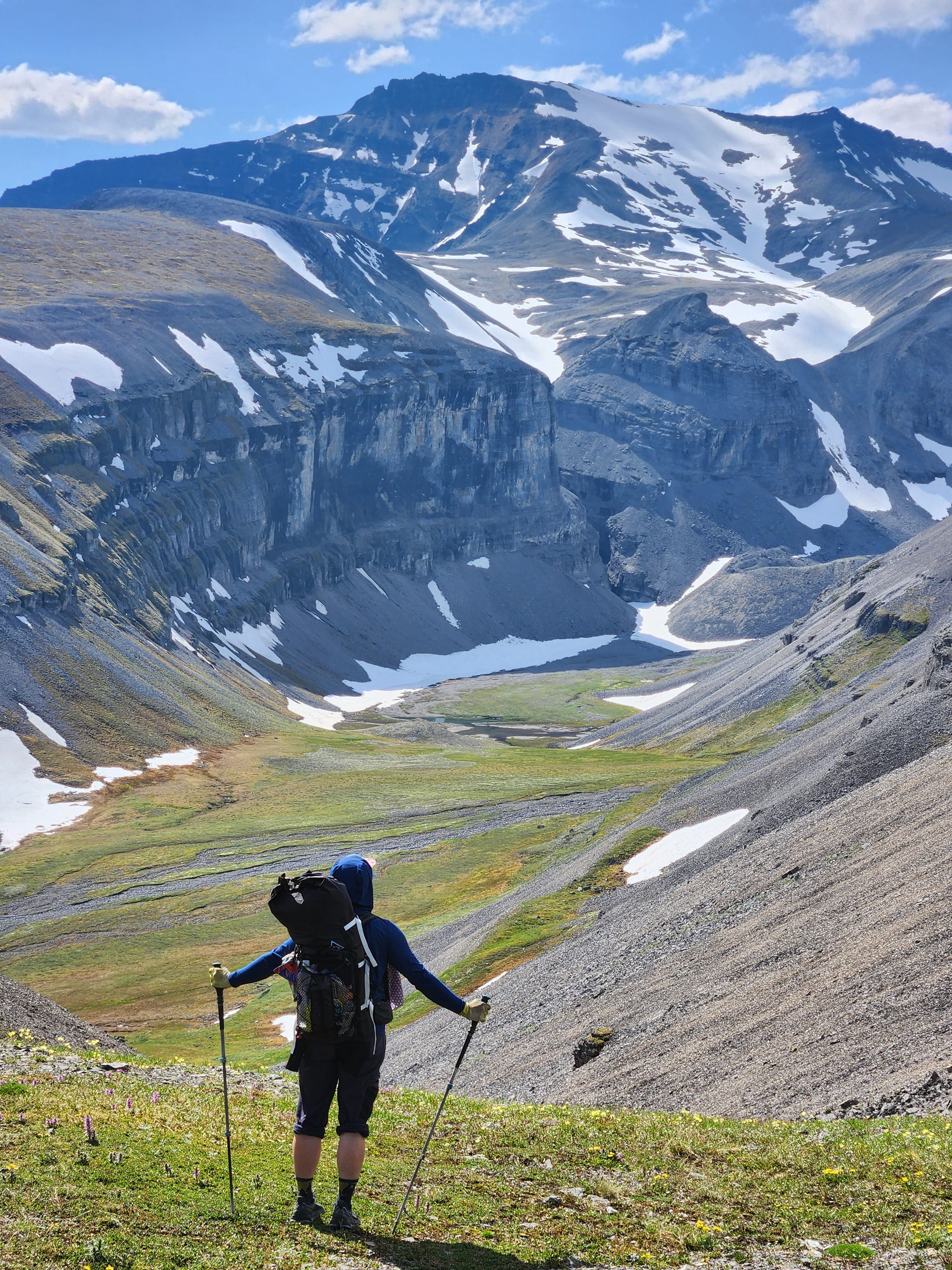
The middle Brooks Range is where Gates of the Arctic National Park is. The Ambler road is a proposed industrial road (not open to the public) that would be built through Gates of the Arctic and continue for 211 miles west to a proposed copper mine site. The road would interrupt many watersheds and disrupt land that has never been disrupted in the history of this earth. The copper mine would be owned by a Canadian/Australian mining company, would create so much heavy metal pollution, and after all the copper was dug up the land would be damaged forever. Alaskans, both native and non-native, are very against the Ambler road and so it’s been blocked here for a long time. And then last week Trump was like “JK we’re doing the Ambler road.” The Tanana Chiefs (organization of interior Alaska tribes) website has good ideas for how to help. Defend Brooks Range is also a useful resource.
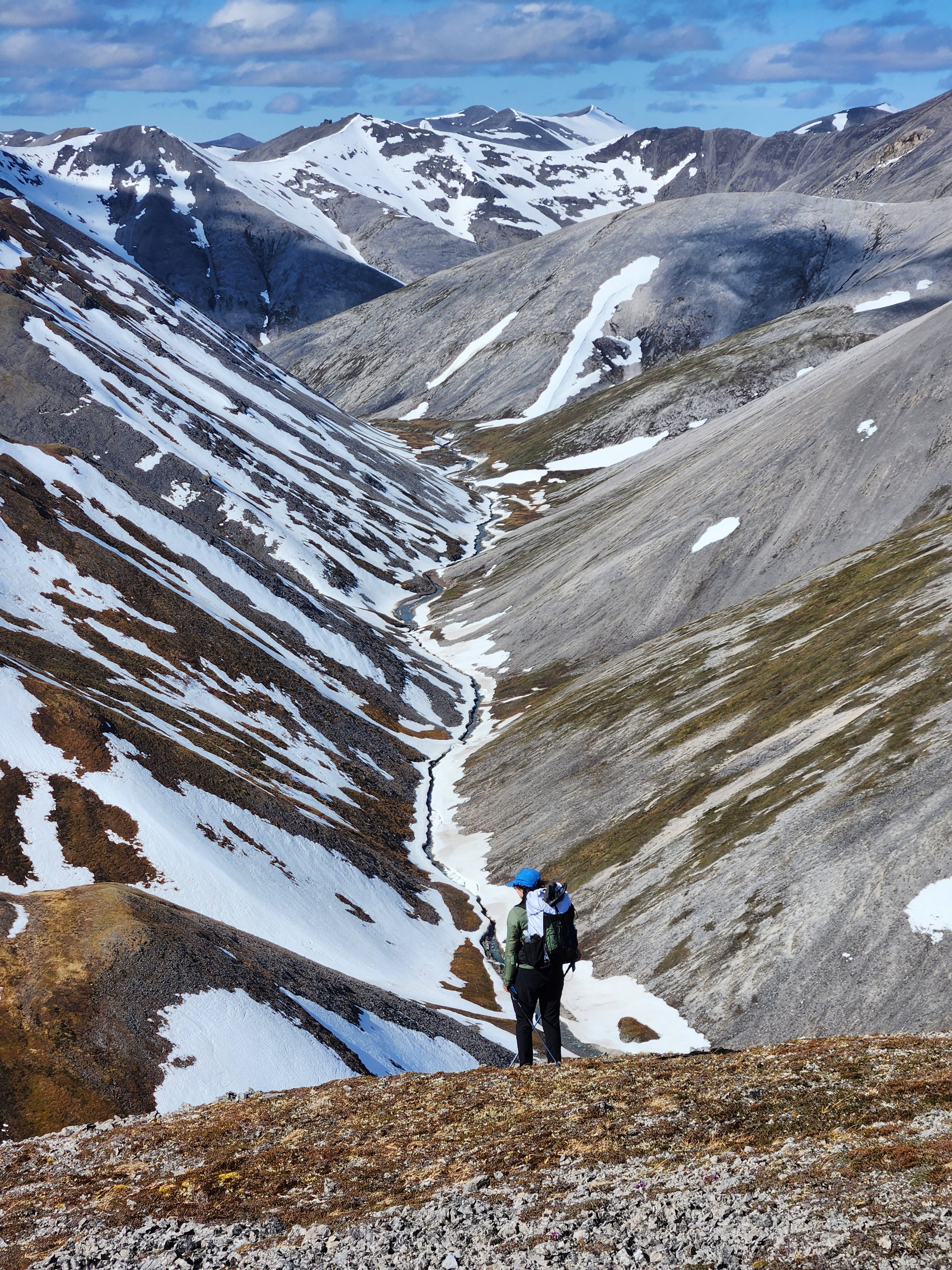
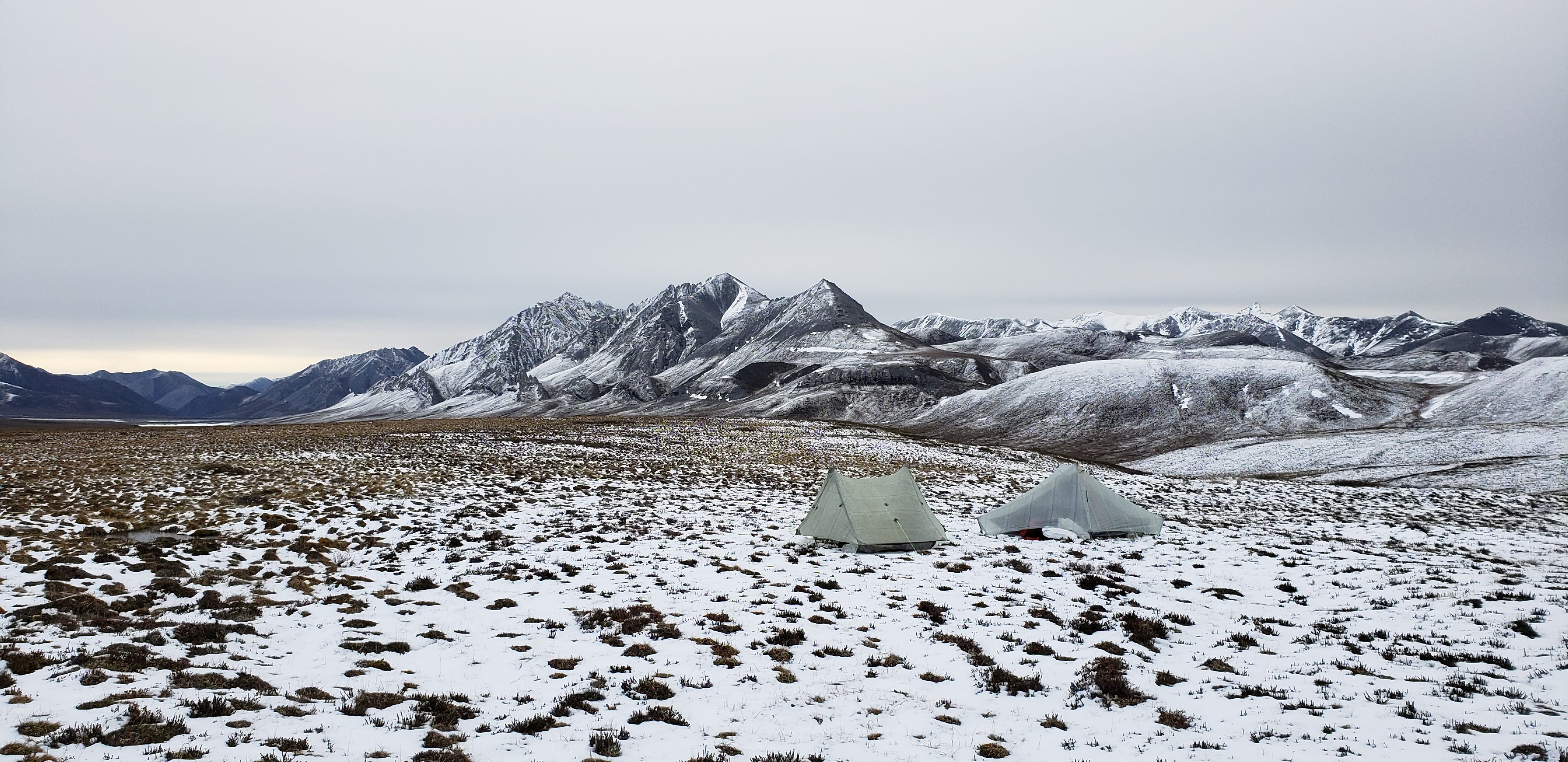
The western Brooks Range contains the National Petroleum Reserve. The National Petroleum Reserve is where I spent twelve days backpacking with friends in June. The beauty of those mountains is otherworldly. It’s also the most undisturbed places I have ever seen in my entire life. In twelve days we didn’t see one trace of humans- not one! You can see the land here and here and here. The amount of caribou trails was insane. The western arctic caribou heard, numbering 150,000, goes through there. And then last week Trump decided to open up twenty-two million acres for oil and gas leases. We only have until November 21 to comment on this- please comment here!
I’ve been reading Cobalt Red, which is about cobalt mining in the DRC. Apparently, we use cobalt in lithium batteries, and we need lithium batteries for electric vehicles (and phones, tablets, computers etc) and so the demand for cobalt is currently through the roof. Mining seems to be done badly pretty much everywhere, but the way that cobalt is mined in the DRC (where there’s a ton of cobalt deposits) is worse than anything you can possibly imagine. Basically, children scratch at the earth with picks, gathering cobalt-containing rocks, until they die of disease from exposure to heavy metals (and also uranium, which is in the cobalt rocks). Some of the children get paid about a dollar a day, which is not enough to survive, and some of them are indentured slaves. The adults are also doing this. There is no PPE. Mining tunnels often collapse, killing people (children). If you disobey too much you are shot. The land is 100% poisoned so all the crops and fish are poisoned too, so even if you don’t work in the mines you end up with disease. The mining companies that get their cobalt from the DRC claim that there’s no child labor involved because they don’t buy directly from the miners- they buy from middle men, dudes on motorbikes who have paid for special permits to buy the sacks of cobalt rocks from the child miners. These middle men take the sacks to larger buying facilities owned by these large mining companies. The dudes on motorbikes are not children and so, the larger companies can claim that there’s no child labor involved!
If you want to see how big the mines are, look at Kolwezi, DRC, on google maps, and zoom in.
Reading the book made me really think hard about my/our electronics usage, and the need to be realistic about it. I have a Samsung phone. Samsung gets its cobalt from the child miners of the DRC. We’re not all gonna stop using electronics, and electric cars are probably good? What do we do, then? How do we mine in a way that isn’t satan incarnate? Is anyone who knows about mining writing about how to mine in a way that isn’t the worst possible thing? Are there books about it? Please tell me if you know.
That’s all for now,
Carrot
Comments
Nothing yet. Say the first thing.
Sign in to join the conversation.