
The elementary gym fell silent when he limped in.
We were gathered in the auditorium, criss-cross applesauce, only seconds before distracted by the untied shoelaces and towering grown-ups supervising the chaos.
But the minute we all saw him, we couldn’t look away.
I don’t remember his name but I’ll never forget his story: He was badly burned in a car crash. Alcohol and drugs were involved. He killed someone. He was under the influence when it happened. Now, he traveled the country speaking in front of sweaty, pre-pubescents after spending years in prison. His goal was to “scare us straight.”
I remember being scared as he spoke and I looked at his burn scars. But I didn’t stay away from alcohol or other drugs because of it.
Sneaking a can of beer from my grandpa’s fridge. Hiding under an old oak. Looking for something to help me feel better because I desperately wanted to feel okay. What came to mind as I opened the can and took a drink and felt the warmth was that this was going to work. What I had been looking for, I found. It was the first taste I had of the lies of addiction. I was about nine years old.
When I took my first sip of alcohol at 9 years old and then began drinking at 11, none of what I learned during that presentation or during other prevention efforts at my school like D.A.R.E. came to mind.
But it’s not just me.
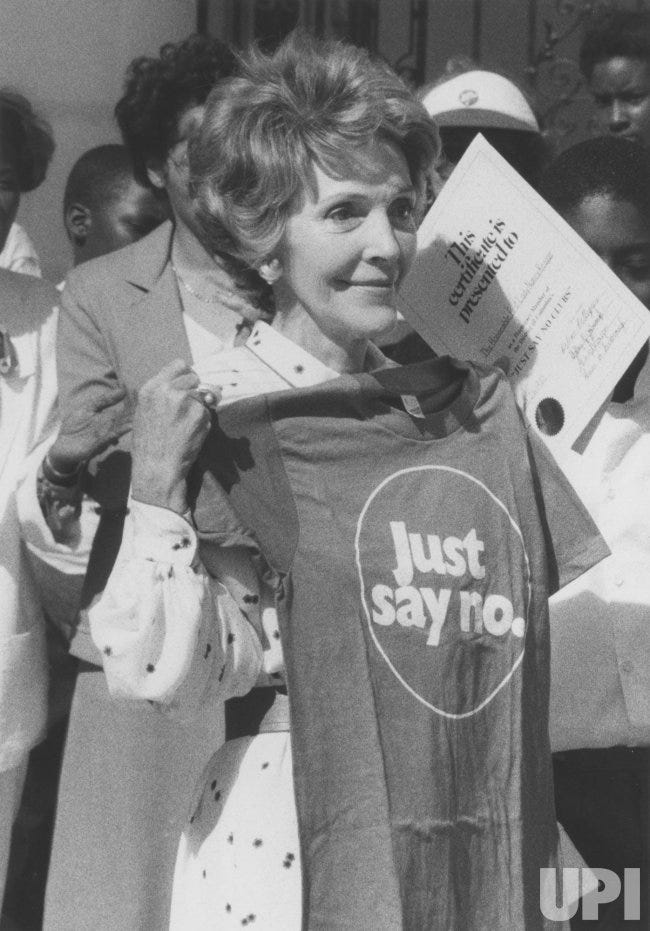
What the early 80s and 90s taught us, along with how to tight-roll our jeans and burn through Aqua Net, is that these scare tactics can backfire.
Why?
Because kids need more than being told what not to do.
Research actually shows that for teens, direct commands like “don’t do this” can sometimes increase curiosity or motivation to do the behavior instead.1
Kids also need to learn more about coping skills and how to actually address peer pressure, build resilience, and increase protective factors that lessen the pull to use substances in the first place.2 We, as loved ones surrounding them, need to work to understand and address the drivers of young substance use like peer pressure, stress, trauma, developmental risk and more.
Today, we know that what works to prevent substance use among youth is not just saying no to something. It’s about helping them discover what to say yes to.
I believe that we are harming our children when we think about substance use prevention as just preventing or stopping certain behaviors and choices. We need to reframe the conversation:
What are we encouraging our kids to say yes to?
Yes to physical health. Our bodies are temples. We need to treat them with care and respect, giving nourishment and prioritizing movement.
Yes to mental well-being. Tending to our emotional and mental health can help us live more connected and joyful. We also have stronger relationships when we are mentally well.
Yes to healthy coping skills. Today’s world is filled with stressors, but there are things that are proven to help build resilience like social support, mindfulness or prayer, and involvement in things that bring us meaning and enjoyment.
Yes to gratitude. Having a gratitude mindset and being thankful can shift our outlook, no matter our circumstances.
And yes to helpfulness. Being a part of a community and being of service through volunteerism or even just being helpful at home can help us learn how to live for others and not just ourselves.
I’ve thought of the man in the school auditorium over the years, his scars, and the presentation meant to prevent substance use. I’ve felt sadness for him, and yes, a bit of fear. But back then, it didn’t prevent me from starting to drink as a child or a few years later living a nightmare as a teen and into my early twenties because of addiction.
Looking back now, I wish he would have talked about his recovery. About how a life lived awake is a better way to be. Even if (or when) life is hard. About how there are things in life that we can say “yes” to that will help us become the kind of people we were created to be.
How are you teaching your kids or loved ones to say yes? What are you saying yes to? Leave a comment to encourage this circle.
Download a free guide I’ve created to help loved ones and caregivers this back-to-school time. I’d love to hear if it’s helpful for your family.
National Institute of Mental Health. (n.d.). The teen brain: 7 things to know. U.S. Department of Health and Human Services, National Institutes of Health. https://www.nimh.nih.gov/health/publications/the-teen-brain-7-things-to-know
Talk It Out NC. (n.d.). The effectiveness of the D.A.R.E. program. https://www.talkitoutnc.org/teenage-drinking-blog/dare-program-effectiveness/
No posts
Comments
Nothing yet. Say the first thing.
Sign in to join the conversation.