
On this week's guest letter, Tawny Lara shares an honest reflection on stepping away from Instagram and untangling her sense of self from the personal brand she spent years building. Her story explores recovery, identity, and what it means to reconnect with life beyond constant visibility.
***
Logging out of @tawnymlara to become the full Tawny Lara.
I deleted Instagram from my phone two years ago.
Walking around with a six-inch computer attached to my hands, doom-scrolling for likes and comments and follows and seeing who watches my stories is a relatively new human behavior, evolutionarily speaking. But the desire to dissociate, procrastinate, and compare my body (and career) to others’ is a habit I’ve had my whole life. A smartphone lets me do all of those things at once.
There’s a sense of freedom in no longer Instagramming my life for the world to see. But I’m still trying to figure out what that freedom means.
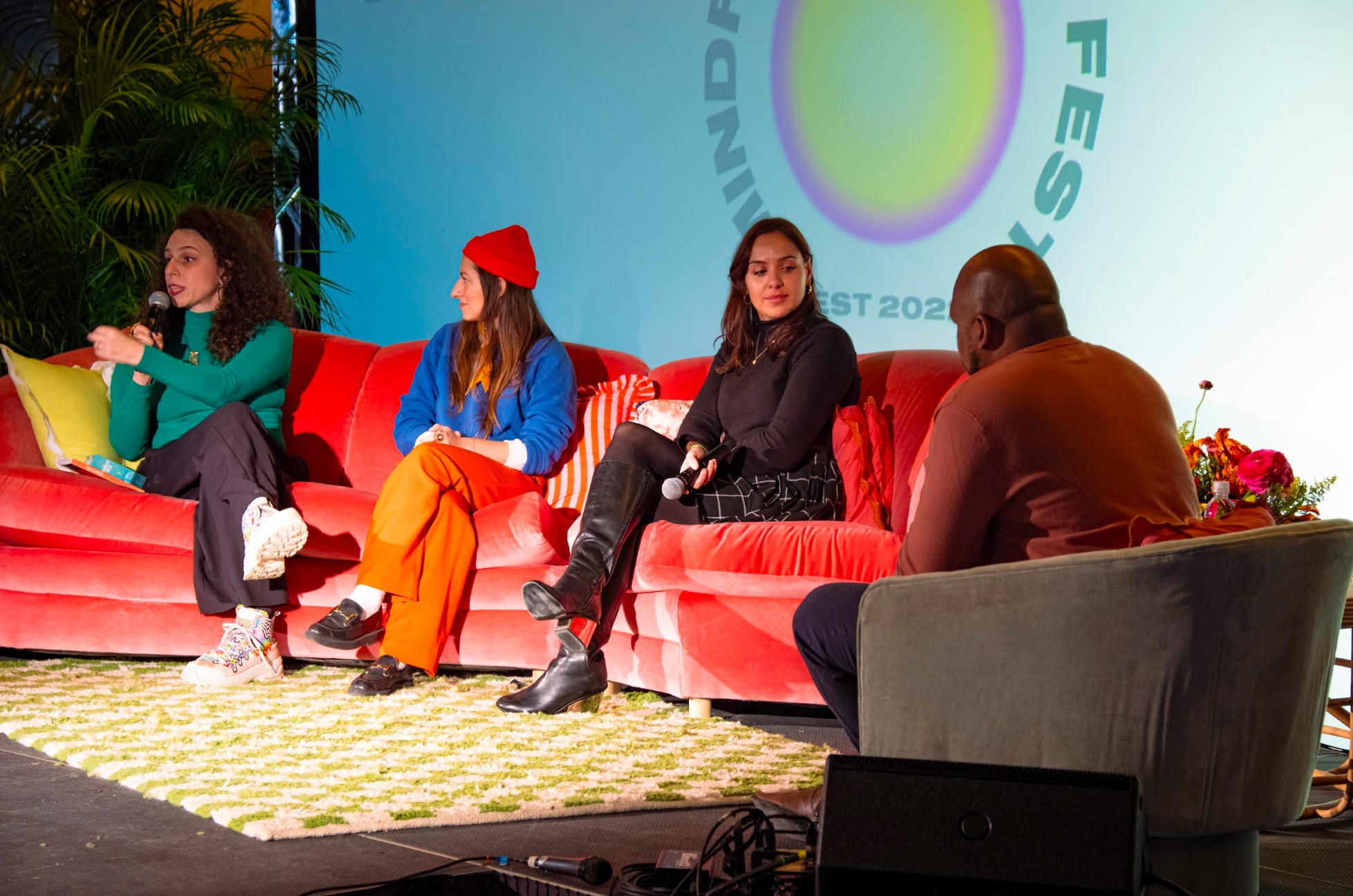
I recently spoke at Fordham University’s Anthropology of Sex + Gender course, sharing my 10+ years of research on the intersection of alcohol and sex/dating. One of the students asked how I became an influencer. In fact, several of the pre-submitted questions were about creating an online presence.
I told the students how I pitched stories about sober dating to magazine editors for years, only to be rejected because “this topic is too niche.” I created content as a proof of concept to get more bylines in hopes of landing a book deal. It worked.
Content creation was part of my path to a career in journalism.
While it felt cathartic to verbalize my answer, standing in front of a room of people who perceive me as an influencer felt strange. I’m an author. A journalist. A teacher. An entrepreneur. A wife. A dog mom. But to people who see me as an influencer, I’m a commodifiable brand with a product line. Somehow, all of these things are true.
Some communities view the term “influencer” as a pejorative, while others see it as a job title. Real estate agent. Florist. Accountant. Influencer. More than half of Gen Z want to be influencers.
Shortly before coming to terms with my own social media addiction, I took Lee Tilman’s course on influencer burnout. She had us zoom out of the word “influencer” to see all the hats we wore. This exercise taught me that I have a whole list of skills that essentially translate to marketing, publicity, and storytelling.
So now I do more behind-the-scenes work because I’m fluent in the complex language of self-promotion. If you think all influencers do is just lol, let’s take pics of everything!! #sponsoredpost, you’re missing the fact that influencers are essentially one-person marketing agencies. They bust their ass to make a name for themselves, hopefully get bigger brand deals, and maybe hire a super part-time assistant while they keep working hard to run their business.
Part of my social media addiction recovery is making peace with the fact that my influencer past wasn’t all cringe. Like with drinking, I have good memories of drinking with friends and good memories of doing influencer things. That’s the lens through which I teach classes: part writing advice; part cautionary tale.
Tech addiction is akin to eating disorders, sex and love addiction, and gambling addiction. We have to eat and spend money. I can’t do my job without the internet, Zoom, Google Docs, and self-promotion. So it’s one of those things where I just have to be really honest with myself, practice self-awareness, and honor my own boundaries. I don’t have a strict “no screen time” policy; instead, I set aside analog activities like drawing and listening to CDs.
“Yes, I created a personal brand and leveraged it into a book deal,” I told the Fordham students, hoping they’d learn from my mistakes. “But being an extremely online person who is constantly perceived really messed with my mental health. It still does,” I now have a virtual assistant post on my behalf. And even then, it’s only to post a digital flyer promoting my classes or events. I no longer make content for content’s sake.
It’s not just the dopamine slot machine in my hand (and probably in your hand, right now), but the identity crisis that comes from not knowing where Tawny Lara stops, and @tawnymlara begins. But I’m figuring it out. Deleting social media apps from my phone was a big help.
My entire career exists because of the internet and social media. So I can’t knock it; kinda like with booze. Recovering from being a binge-drinking party girl in a very public way led to me being “The Sober Sexpert,” which led to me feeling so one-dimensional that I’m still reconnecting with other parts of myself.
I essentially swapped alcohol for algorithms—all to promote #sobriety. Transfer addictions are real, y’all.
Two years “sober” from Instagram means two years without comparing myself to the bodies and minds of strangers on the internet. It means 700+ days free from constantly asking myself whether I want to live in the moment or film it, then recover from the cognitive whiplash of never knowing the right answer. Right now, the right answer is watering the gardens that bring me joy. Stepping away from @tawnymlara helped me step into those other roles: teacher, editor, writer, speaker, wife, daughter, dog mom, and plant daddy. Prioritizing these IRL connections finally helped me reconnect with my full, multidimensional self.
I’m still extremely online, but in a way that feels aligned with my values rather than performing for an algorithm that makes billionaires richer.
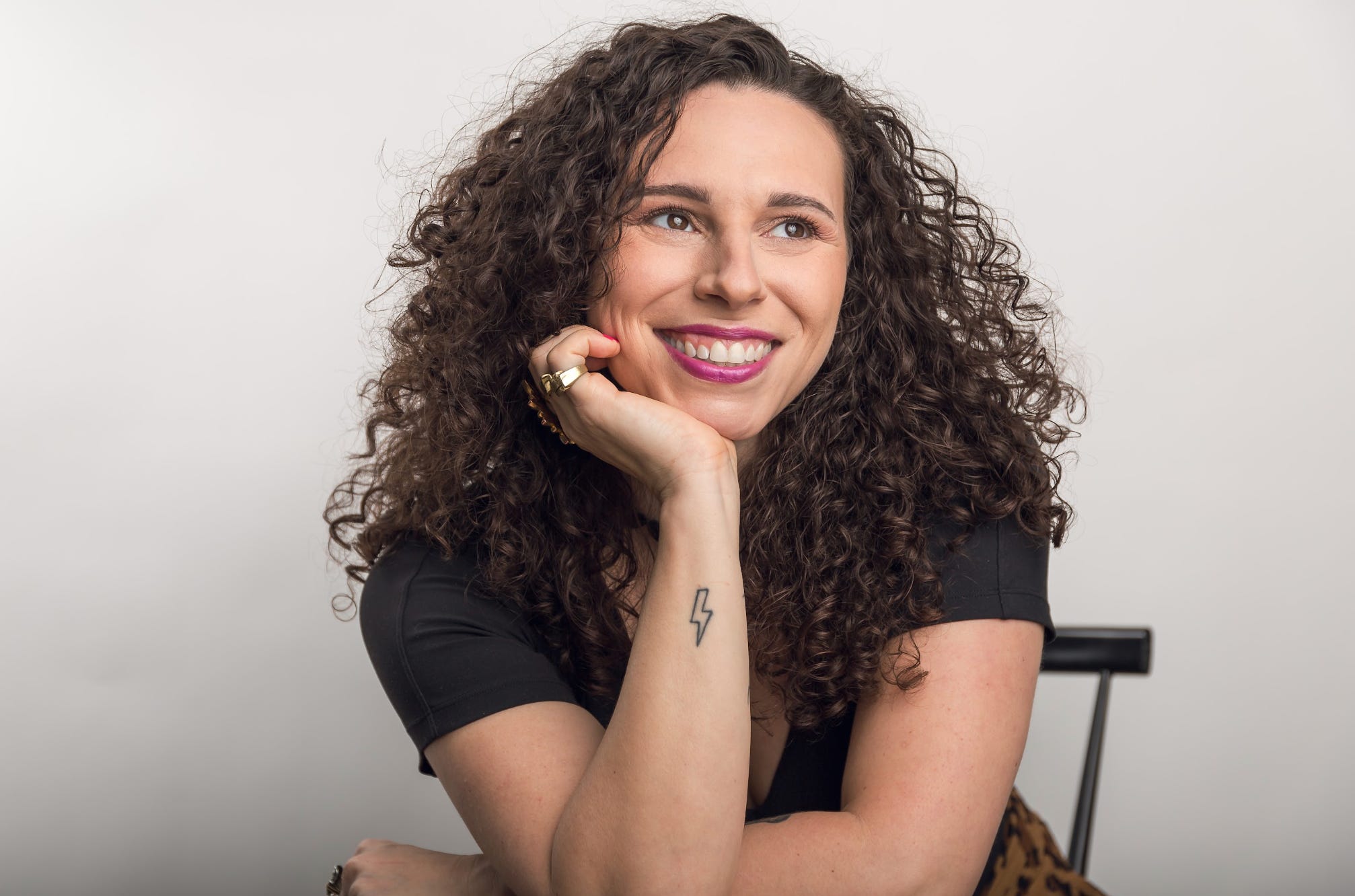
Tawny Lara is your favorite writing teacher’s favorite writing teacher. She teaches ethical, sustainable approaches to storytelling, self-promotion, and creative visibility. She’s an author and co-author of The Sobriety Deck, and co-founder of (parentheses) botanical beverages.
A journalist by trade, Tawny reports on mental health, the non-alcoholic drink movement, and publishing/media trends through a pop culture lens. Her Substack, Beyond Liquid Courage, is a mix of voicey hot takes and industry insights.
Learn more about Caroline Beidler and her latest book here.
No posts
Comments
Nothing yet. Say the first thing.
Sign in to join the conversation.