
When my dad died unexpectedly in 2023, I wasn’t sure that everything I’d learned or even practiced in my faith and recovery would hold.
I remember stumbling through O’Hare airport, almost home to help plan his funeral, lost though I’d traveled through there more times than I could count. Stopping strangers, asking them to point the way to Gate C because I couldn’t see through the heaviness.
“My dad died and I’m trying to get home,” I heaved and shared with whoever looked kind enough to care.
Strangers patted me on the back, shaking their head, squinting their eyes just a little and looking towards the airport carpet as they said “I’m so sorry.” If you know the pain of losing a parent, you know that it is not a new chapter in your life, but a new book. The old one has been burned away. The one where they were alive.
As I write this, I also think about loss that is even more unexpected: the loss of a child. Perhaps to overdose or addiction. I can barely type the letters, my heart again pulled from my chest at just the thought of it. Thinking of my own children.
How can you go on?
In one of my go-to books on grief: Turn My Mourning into Dancing, Henri Nouwen shares:
“The way out of our loss and hurt is in and through. When Jesus said, “For I have come to call not the righteous but sinners” (Matt. 9:13), he affirmed that only those who can face their wounded condition can be available for healing and enter a new way of living.”
But this is no easy task. And depending on the loss, whether it was expected or not, whether it was timely or not, the way it hollows out the cavity in our chest (why does it feel like our heart is ripped out?), our ability to “place our hurts in larger hands” may or may not seem possible. I’ve sat with mothers and fathers who know this loss and the immensity of grief destroys the room like a tidal wave.
And yet…
I’ve seen how hope and new life is born from tragedy, from devastating loss. Even “where we live amid our hurts and pain and [unspeakable] brokenness” (10), I’ve witnessed how this [unimaginable] brokenness can serve as a witness.
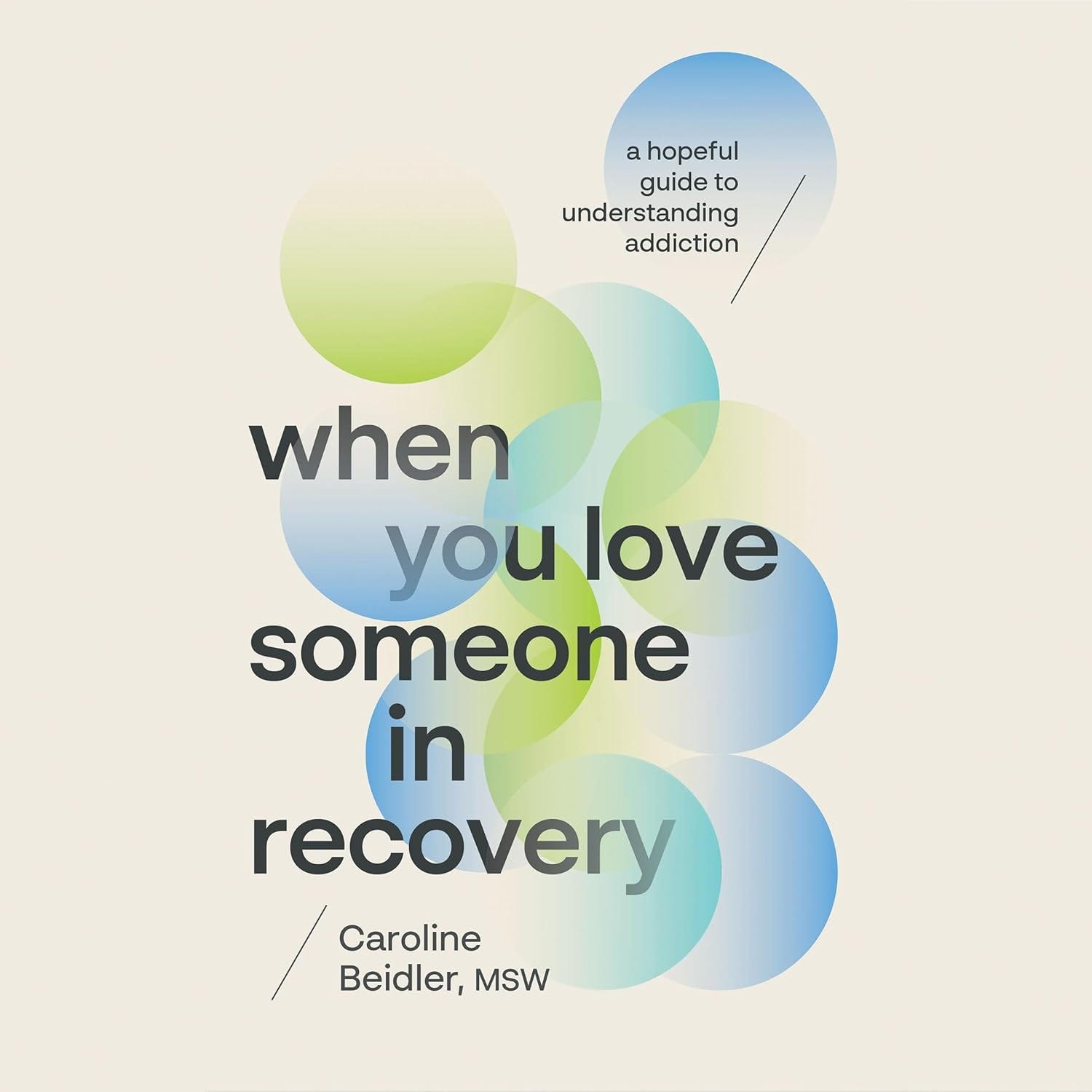
In my new book, When You Love Someone in Recovery, I share Pam Lanhart’s story in an appendix at the end titled “On Grief.”

It was apparent as I wrote about recovery for affected family members and loved ones, I would be doing an immense disservice if I did not include words on the experience of grief that so many of us face.
Pam shares:
When I look at our grief journey and how we have walked through the last three years of our lives, the gift we have is the gift of our personal recovery, as well as the beauty of repair and of no regrets.
This is recovery too. Grief can be a part of the story.
Living our lives in a way that when we look back, regardless of outcomes, we have the assurance that we have walked through life in the most honorable way possible. Honoring our journey, honoring our faith, and most importantly, honoring our son.1
While writing my book, I also experienced another loss, the death of a friend to overdose. On a break from writing, in the kitchen prepping dinner, my phone lit up and I looked down and instantly I couldn’t unsee the finality of what happened:
“Elyse died.”
What I’ve come to understand over the years as a recovery advocate and woman in recovery myself, is that grief is a part of the recovery journey too.
We lose loved ones, though we may have hoped and prayed for years that they would get better. That they would find this gift of recovery that we know is possible because we’ve seen it in other lives. The light in other eyes. We’ve had to work through our own fears and doubts and anger (perhaps) at God for what we don’t understand: Why they are gone. Why them? Not us?
We also have to learn how to live, as Nouwen shares, “in and through,” our loss and hurt until it blooms again into something new, unexpected.
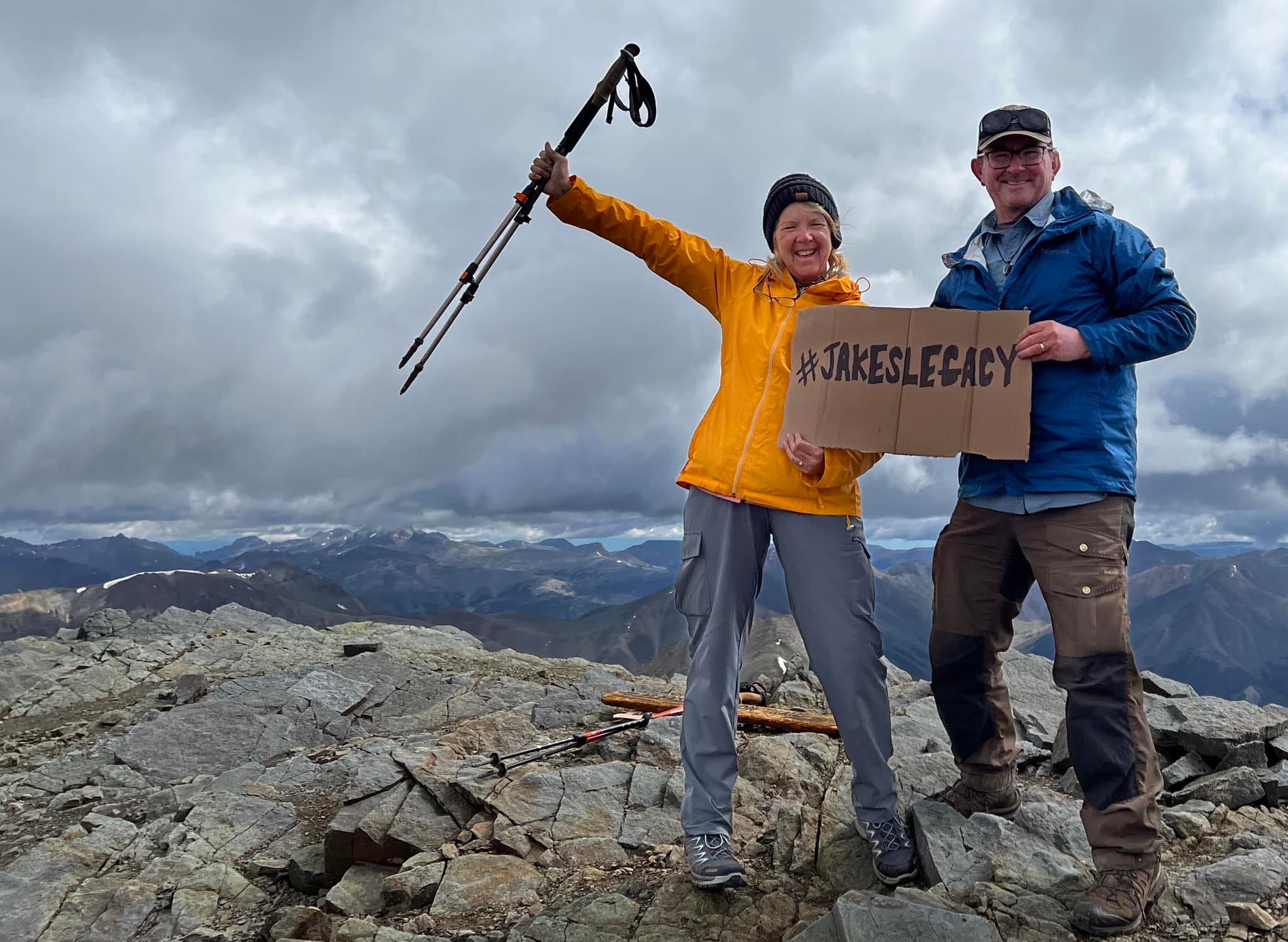
We must be honest “about the perpetual grief of being alive” as Shannan Martin shares, “here in the neighborhood of God,” if we are to make it.2
We must hold two things at once, the dark and the light. The joy of recovery with the depth of grief. And in the end, perhaps these two extremes will hang in perfect balance through our patience, our persistence in suffering.3
Mourning makes us poor; it powerfully reminds us of our smallness. But it is precisely here, in that pain or poverty, that the Dancer invites us to rise up and take the first steps. For in our suffering, not apart from it, Jesus enters our sadness, takes us by the hand, pulls us gently up to stand, and invites us to dance. We find the way to pray, as the psalmist did, “You have turned my mourning into dancing” (Ps. 30:11), because at the center of our grief we find the grace of God.4
What books have become your companions in grief? Share in the comments.
And get my latest book and read the appendix “On Grief” or give it a listen on Audible. Reading this section aloud broke my heart open again. My hope is that it moves you too and reminds you that you are not alone.
Beidler, C. (August 31, 2025). Because he lived. Substack, Circle of Chairs.
Martin, S. (2026). Counterweights: An essential practice for holding hope in a heavy world. Revell.
Nouwen, H. J. M. (2001). Turn my mourning into dancing. Thomas Nelson, p. 10.
Nouwen, H. J. M. (2001). Turn my mourning into dancing. Thomas Nelson, p. 13.
No posts
Comments
Nothing yet. Say the first thing.
Sign in to join the conversation.