
“Books are a privilege.”
With lowered eyes, one of the women told me this after I handed her the pages.
I was speaking to a small circle in an addiction treatment center in rural Tennessee and passing out a copy of my latest book. Her little declaration made the air leave my lungs.
Privilege?
Books are a privilege?
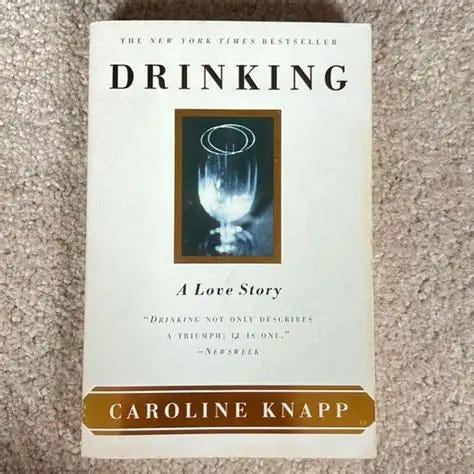
The first “quit lit” book I read, Carolyn Knapp’s Drinking: A Love Story, changed me. This was long before I knew about recovery or the healing power of a circle of chairs. Her words helped me feel less alone, because as she described her love story with drinking, I saw myself, my own disordered loves in her letters. Her book, for me, wasn’t a privilege, but a necessity.
I needed her words.
“That was my favorite line: I’ll drink less when things get better.”
― Caroline Knapp, Drinking: A Love Story
In addiction recovery, we talk about what we are giving up or stopping; but I’m becoming increasingly convinced we also need to talk about what we are learning to receive: stories that bring wisdom from lived experience. For many of us this happens in recovery meetings and church basements. This can also happen through reading books.
But when for many reading is a privilege (food, gas, rent, and other expenses coming first) and as reading rates decline (more on this in a minute), how does this impact our recovery?
Rose Horowitch wrote an unsettling article in The Atlantic, “The End of Reading is Here” that rightly rocked the internet and was shared and re-shared on platforms that might be partly responsible for the existential threat that books are facing.
She shares that in America, more people are gambling than reading just one book a year. This decline also transcends markers like education or gender.1 Even people who used to read more—women, older adults, college grads—are also seeing drastic declines.
Not only has our reading decreased, the article argues, but along with it, our ability to think deeply.
Horowitch writes,
“People are bombarded with emails, text messages, X posts, Reddit threads, Instagram captions. This explosion of textual fragments has come at the expense of devoting sustained attention to longer written works that convey rich and complicated information.”
Sobriety gave us back our lives. But are our phones and lifestyles slowly taking back our attention and our ability to learn from books?
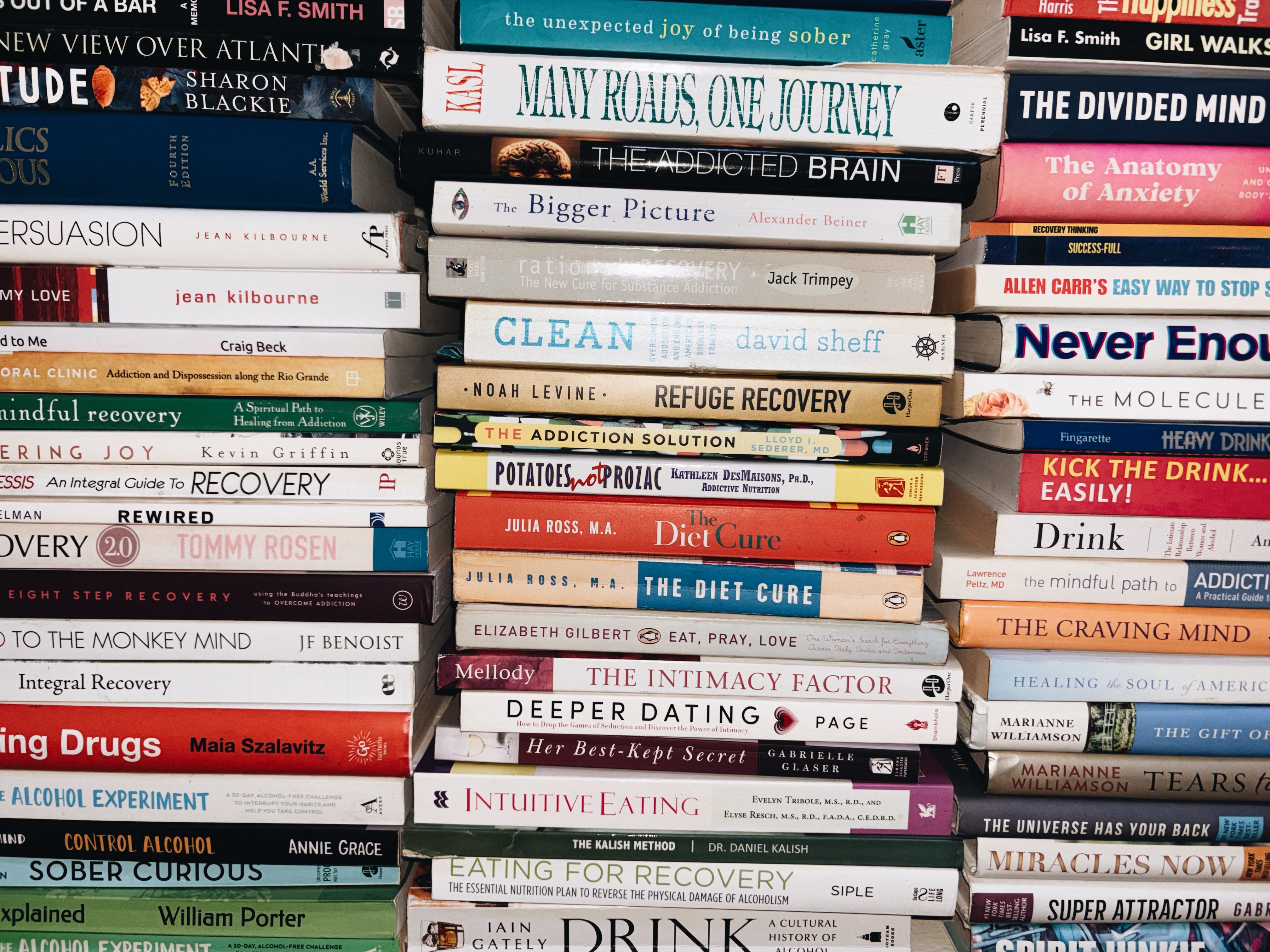
When I was in addiction treatment over twenty years ago, I remember the bookshelves lining the group room. How the counselors talked about a “morning devotion” time with a book like Every Day a New Beginning or Just for Today to get our minds centered on recovery principles first thing. I can still hear my first sponsor talking about reading the 12 and 12 or the Big Book and then as I grew in my faith and recovery, how reading scripture became a part of my daily routine too. Jesus Calling, a staple beginning devotional for Christian women in recovery.
I am, admittedly, no expert on attention spans or declining reading rates or literacy. But I am struggling through these times just like the next person, just like you, perhaps. I am trying to guard my heart and my attention to protect not just my time, but my recovery.
Where we focus matters.
The good news is that according to neuroscience (shout out to my friend, Self-Brain Surgery™ with Dr. Lee Warren), our brains are malleable or changeable. When we do an activity or repeat it over time, we are creating new pathways. Just like abstinence from alcohol and other drugs or sobriety creates new pathways, so does doing new (or old) activities like reading.
If watching TikTok videos for hours leads to atrophy (research isn’t looking good on what watching short-form content is doing to our brains FYI), then picking up a book, snuggling under a soft blanket, drinking a mocktail or cup of tea, and diving in is like a workout for our brain (but, in my opinion, way more pleasurable than CrossFit).
We have to continue working out our attention spans. But more than this, we are doing a disservice to our recovery when we treat books and reading as less than necessary for a healthy recovery.
Reading is a necessity.
Caroline Knapp shared about her addiction to alcohol: “It happened this way: I fell in love and then, because the love was ruining everything I cared about, I had to fall out.”2
Can we, together, fall out of habits and patterns that are harmful for our attention? And can we fall back in love with reading for our recovery?
*
To help encourage someone else, share one of the recovery books that has made an impact on your life in the comments. What book found you at the right time?
And…friends…I’m praying about and thinking on how to get creative to bring more books to women in addiction treatment and criminal justice settings. For far too many people in or seeking recovery, like my new friend reminded me, books can be tough to prioritize for a number of reasons.
If you are interested in learning more or contributing to an effort to share free books with the people who need them, comment below or send me a private message. Let’s work together to help get recovery books into the hands of the people who need them.
Horowitch, R. (2026, July 8). The end of reading is here. The Atlantic. https://www.theatlantic.com/magazine/2026/08/reading-crisis-postliterate-age/687618/
Knapp, C. (1996). Drinking: A love story. Dial Press.
No posts
Comments
Nothing yet. Say the first thing.
Sign in to join the conversation.