
Forgive me in advance. As you know, I am the biggest proponent of living in the moment, of embracing the season right where it’s at. But with the garden, and specifically the planning of it, I make one major exception. We’re about halfway through summer, which means it’s time to look toward fall on the horizon.
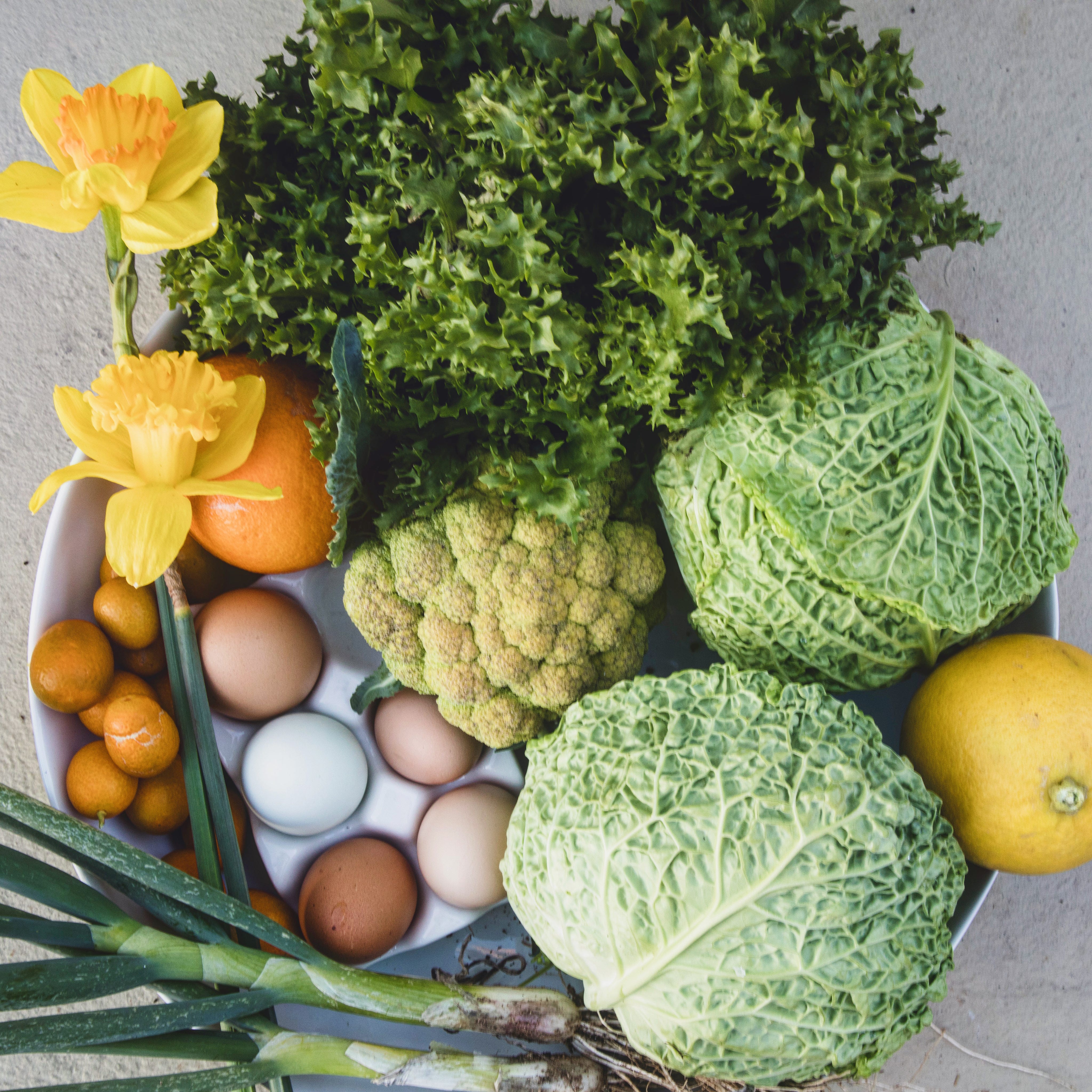
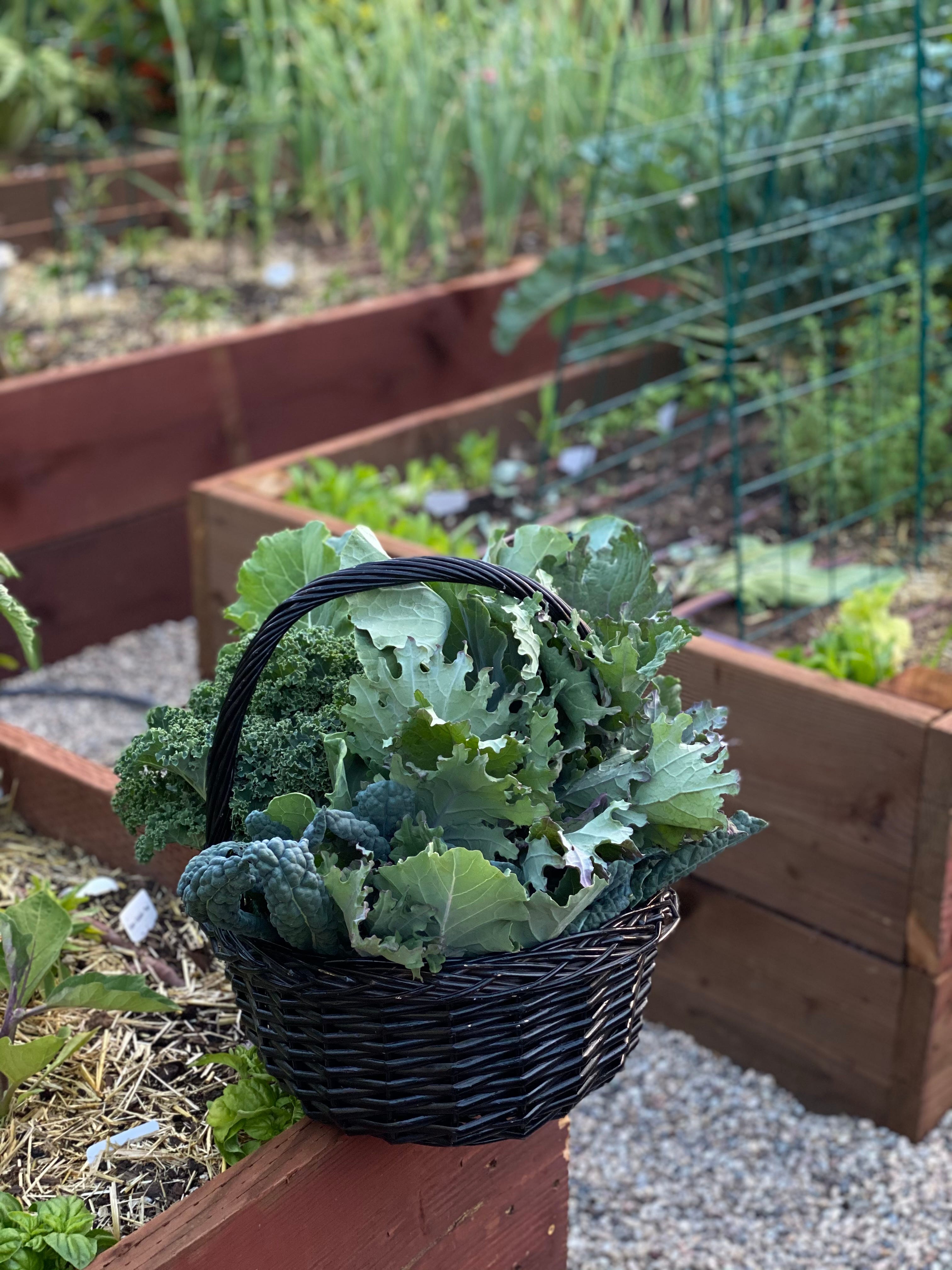
This is all good news: fall isn’t a complete shut down. It’s almost like a second spring with lots of opportunity for growing. The key is that the best fall garden is planted while it’s still hot in summer. So today, that’s what we’re talking about.
In today’s post for paid subscribers:
How to plan your fall garden
My Goldilocks Method for timing out your fall crops just right
The importance of succession sowing
How to start vegetables from seed right now (it’s a little different than in the late winter and early spring)

Before we get into it, a reminder about the very jam-packed Garden Index, available to paid subscribers. If you've ever wanted to pick my brain on a given gardening topic, it's in there. My advice is distilled from over a decade of hands-on experience. There's a lot of "hacks" and straight-up bad garden advice out there. I keep things simple, like my essential gardening pillars, companion planting 101, and how to plan a garden.

Before I plant any seeds (which is the most fun part, I know!), I make a plan. By the way, if you want to see my fall garden plan, let me know. Think of your garden like an orchestra. When one crop starts to wind down, I want to be two steps ahead, ready with the plant that will take its place. A plan takes the guesswork out of things.
Start with a map of your garden. I use the Farmer’s Almanac Garden Planner to plan my garden. I begin by deleting the summer annuals from the plan. Anything perennial stay put (such as artichokes, thyme, oregano, asparagus). And I leave anything that’s still producing right where it is.
List everything you want to grow. I make a running list of everything I’m hoping to grow this fall.
Note what each crop needs. Next to each thing, I jot down any pertinent essentials: how much space it needs, special soil requirements, if it prefers to be direct sown, and how long it needs to grow. That last one is VIP (more on my Goldilocks Method below).
Plug into your plan. Now I place everything in my plan. I slot fall crops in to follow my summer ones as they finish.
Tuck in companion plants. I leave room for a few companions such as nasturtium, calendula, or marigold.
Build your seed shopping list. Finally, I turn the plan into a shopping list. (Let me know if you want to see my haul!) Whenever I can, I choose slow-bolt varieties for my climate. I also always choose flavor and yield over looks. A reliable, productive variety beats flair every time.

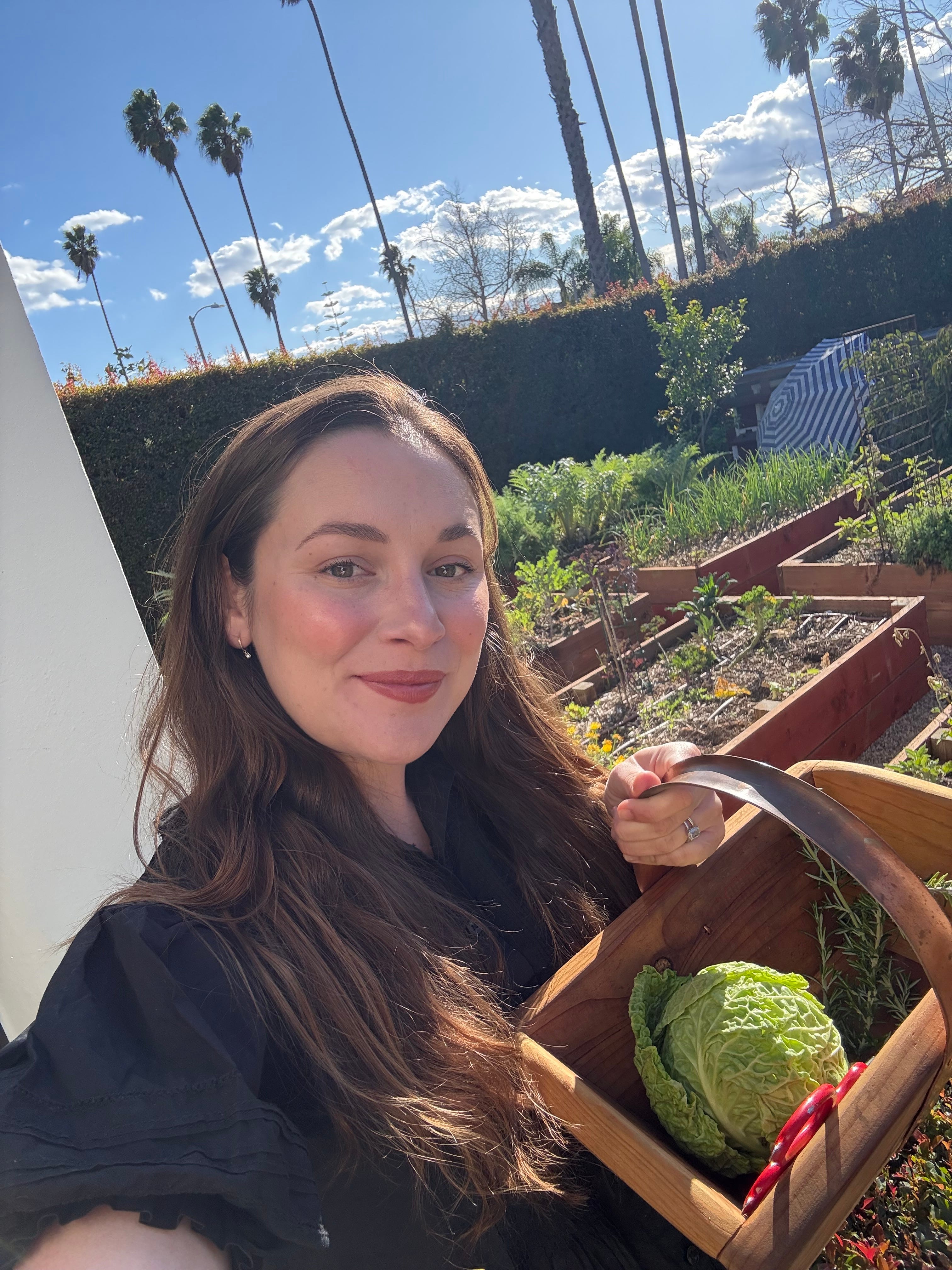
With fall planting, everything does not go in the ground all at once. It’s important to plant in waves as your summer crops finish up. The order of what to plant when is based on a simple question: how long does this thing need to grow? Even in a mild climate like mine, the days get shorter as we head toward the winter solstice. Shorter days cause growth to slow way down. So the goal is to get your slow, long-season crops planted early enough to give them a head start.
Comments
Nothing yet. Say the first thing.
Sign in to join the conversation.