
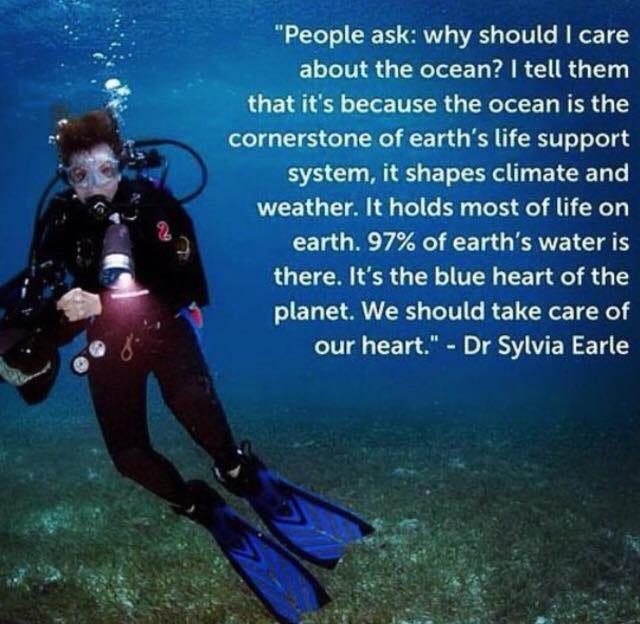
Scientists warn that by 2050, plastic debris in our oceans could outweigh all marine life if current trends continue. This alarming projection underscores the urgent threat to marine ecosystems. Plastic pollution entangles wildlife, disrupts food chains, and degrades habitats, endangering countless species. With time running out, immediate action is critical to protect our oceans.
Recent studies (e.g., IUCN, 2021; UNEP, 2023) confirm that approximately 14 million tons of plastic enter the oceans annually, with microplastics now found in every marine ecosystem, from the Arctic to deep-sea trenches.
The 2050 projection remains a critical benchmark in policy discussions, reinforced by ongoing research highlighting the exponential growth of plastic production (global plastic production reached 390 million tons in 2021, per OECD data).
Our Oceans Are The True Lungs of Our Planet
The oceans, often overshadowed by the Amazon rainforest often referred to as the planet’s lungs. However, what most people do not realize is the oceans are our true lifeblood, with phytoplankton and algae generating 50-80% of the world’s oxygen. Yet, they face an onslaught of plastic pollution and toxic runoff, which poison fragile marine ecosystems and infiltrate food chains. Compounding this crisis, over 80% of global fish stocks are overexploited or fully depleted, with experts warning that current fishing practices may collapse by 2048 without drastic intervention. This ecocide threatens not only marine life but also the oxygen and food security we depend on.
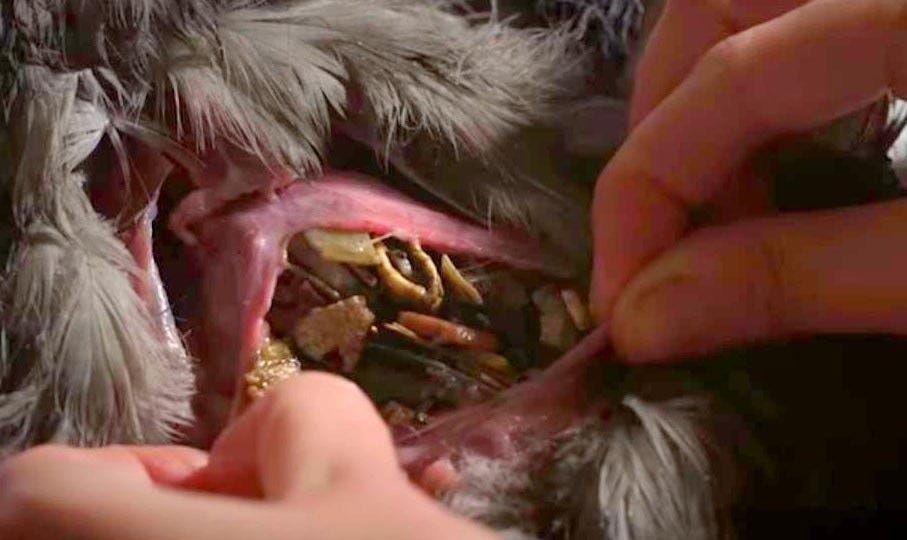
Seabirds and marine creatures face a grim reality: stomachs filled with plastic debris. One shearwater, for instance, was found with 274 pieces of plastic in its gut, mistaking them for food while foraging for its chicks, only to feed the lethal debris to its young. This tragic case illustrates the pervasive threat of plastic pollution, which affects countless species across marine ecosystems, from seabirds to fish, highlighting the urgent need for action.
Recent studies (e.g., IUCN, 2021; Marine Pollution Bulletin, 2023) confirm that over 90% of seabirds have ingested plastic, with species like shearwaters particularly vulnerable due to their foraging behavior. Approximately 1 million seabirds die annually from plastic ingestion or entanglement, with 99% of seabird species projected to ingest plastic by 2050.
A 2022 study in Science Advances found that plastic ingestion in seabirds is increasing, with some individuals containing up to 10% of their body weight in plastic, leading to starvation, organ damage, and reduced reproductive success. A single piece of ingested plastic increases a seabird’s mortality risk by 20.4%, with 100% mortality risk after 93 pieces, particularly from soft plastics like balloons (32 times deadlier than hard plastics).
At Midway Atoll, one-third of albatross chicks die yearly due to plastic ingestion, with adults feeding them brightly colored debris mistaken for prey.
Plastic ingestion causes biological impacts and growth retardation, such as reduced body mass, shorter wings, and kidney dysfunction in seabirds, impacting population survival.
Plastic pollution wreaks havoc on marine life, from vibrant fish to iconic species like dolphins, whales, seals, and sea turtles. These animals face deadly threats from entanglement in discarded fishing nets and plastic waste or ingestion of debris, which can cause starvation, injury, or suffocation. No corner of the ocean’s ecology remains untouched by this crisis.
Cetaceans
Every year, an estimated 100,000 marine mammals, including whales, dolphins, and other cetaceans, die due to plastic pollution, primarily from ingesting or becoming entangled in discarded fishing gear, often referred to as “ghost nets.” This leads to severe injuries, starvation, and a slow, agonizing death. Of all plastic types, thin, film-like plastics such as bags are the deadliest for cetaceans, frequently causing fatal blockages in their digestive systems.
Alarming research in a recent 2023 study in Environmental Pollution found microplastics in 56% of cetacean species, causing gastrointestinal blockages and toxin accumulation.
Even more concerning, microplastics have been found in every examined cetacean, averaging 5.5 particles per animal. These tiny fragments often remain trapped in their stomachs, silently accumulating toxins and posing serious long-term health risks.
Other Marine Life
Plastic pollution is wreaking havoc on marine life, with over two-thirds of 500 fish species studied found to have ingested plastic. In fact, microplastics have been detected in fish sold at markets—25% of fish in California markets alone. In the North Pacific, fish consume between 12,000 and 24,000 tons of plastic each year, leading to internal injuries and transferring harmful particles up the food chain to predators like seals and humans. Filter-feeding mollusks such as oysters and mussels also ingest microplastics, which are then eaten by fish, further amplifying toxin transfer throughout the food web.
Sea turtles are equally affected: all seven species have been found with microplastics in their digestive systems, and about half of turtles worldwide have ingested plastic, often resulting in starvation or internal damage. Tragically, entanglement in discarded fishing gear and items like six-pack rings kills around 100,000 turtles annually, either by drowning or by stunting their growth.
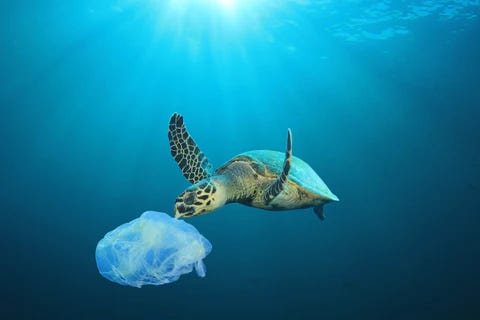
Turtle mistaking plastic bag for jelly fish food source. Image source: Oceanworks.co
Coral Reefs
Coral reefs, the ocean’s rainforests, supporting 25% of marine species, face a dire threat from plastic pollution. From Australia’s Great Barrier Reef to Thailand’s vibrant waters, these ecosystems are home to over 275 million people’s food, coastal protection, and livelihoods. Due to plastic pollution, these important biodiversity ecosystems are choked by an estimated 11.1 billion plastic items, with 88% being plastics like fishing gear. Microplastics act as rafts, ferrying pathogens that cause oxygen-depleted dead zones where fish are unable to lay and hatch eggs; the pathogens also trigger diseases such as skeletal eroding band, increasing disease risk from 4% to 89% in plastic-polluted reefs. In 2023, 92% of surveyed reefs were smothered by debris, exacerbating a 50% decline in global coral cover since the 1980s. Compounded by climate-driven bleaching, this plastic onslaught imperils marine biodiversity and human communities, demanding urgent action to curb pollution.
The Great Pacific Garbage Patch
The Great Pacific Garbage Patch, a massive swirl of marine debris in the North Pacific, spans approximately 1.6 million square kilometers—twice the size of Texas—and holds an estimated 1.8 trillion plastic pieces weighing 79,000 metric tons. Fueled by 14 million tons of plastic entering oceans annually, this patch, one of five global garbage gyres, is densifying rapidly, with plastic concentrations rising from 2.9 kg to 14.2 kg per square kilometer between 2015 and 2022. Composed largely of microplastics and ghost fishing gear, it threatens marine life, spreads invasive species, and underscores the urgent need for global action to curb plastic pollution.
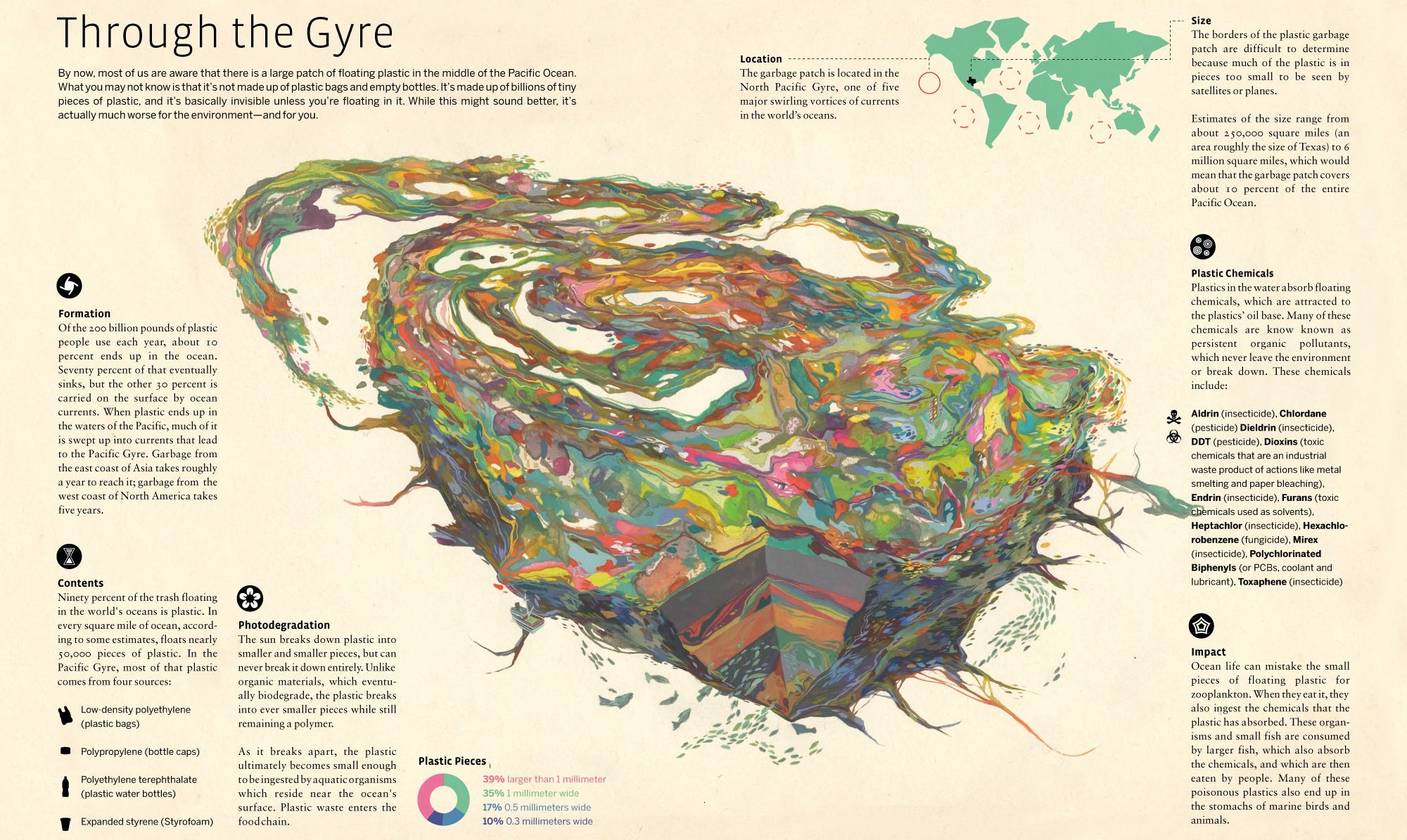
Click on the image of the Plastic Garbage Patch to see more details. Infographic by Jacob Magraw-Mickelson
”Shoppers worldwide are using approximately 500 billion single-use plastic bags per year. This translates to about a million bags every minute across the globe, or 150 bags a year for every person on earth. And the number is rising”.–Ocean Crusaders
Research from Ocean Crusaders states that there are 5.25 trillion pieces of plastic debris in the ocean. Of that mass, 269,000 tons float on the surface, and below the surface, four billion plastic microfibres per square kilometer are polluting the deep sea and killing all sea life.
Countries Producing the Most Plastic Waste (2025 Data)
Using data from sources like World Population Review (2016 data, latest comprehensive country-level breakdown), OECD (2022), Statista (2023), and recent studies (PBS News, 2024; Plastic Bank, 2025), here is a list of the top 10 countries producing the most plastic waste annually, focusing on total volume and per capita contributions. Note that “plastic waste” refers to post-consumer waste generated, not raw plastic production, which is dominated by China (33% of global production in 2023, Statista). The data reflects 2016 for consistency, as it’s the most recent year with detailed country-level waste statistics, supplemented by 2024–2025 updates where available.
Top 10 Countries by Total Plastic Waste (2016, in Million Metric Tons)
United States: 34.02 million tons
China: 21.60 million tons
India: 9.46 million tons
Brazil: 10.67 million tons
Indonesia: 9.13 million tons
Russia: 8.47 million tons
Germany: 6.68 million tons
United Kingdom: 6.47 million tons
Mexico: 5.89 million tons
Japan: 4.88 million tons
Sources: World Population Review (2016 data), Plastic Bank (2023). Note: India’s 2024 estimate is 10.2 million tons (PBS News), reflecting a rise.
Recycling or Replacing
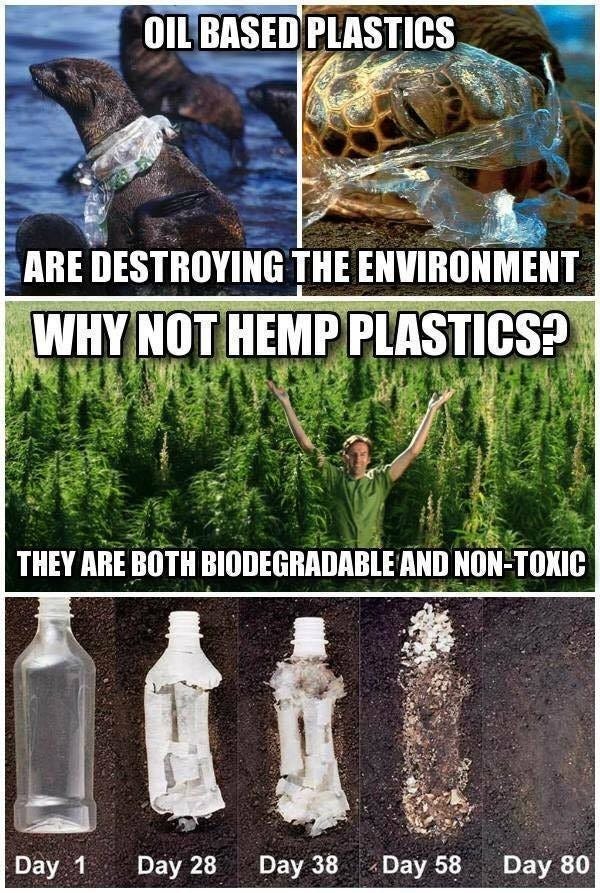
The European Union targets recycling 65% of municipal waste by 2035, yet recycling alone is woefully inadequate to tackle the plastic pollution crisis. Globally, only 9% of plastic ever produced has been recycled, with 79% landfilled or polluting environments like our oceans, where 14 million tons enter annually. Plastics, derived from fossil fuels, emit 400 million tonnes of air pollution yearly, and recycling processes often downcycle materials into lower-value products. While recycling can save energy equivalent to 3.5 billion barrels of oil annually and diverted 10 million tons of EU plastic waste in 2020, its inefficiencies, coupled with energy usage in exports and processing to developing nations, mean that 74% of plastic is mismanaged. Energy cost considerations in review show it’s an oxymoron and demonstrate that it’s nearly useless. Instead, banning plastic production and scaling plant-based alternatives like hemp, bamboo, mycelium, seaweed, and barley-based plastics, which decompose in months, alongside circular economy practices, are critical to phasing out plastic production and its fossil fuel dependency and halting plastic ecocide of our ocean life.
Solution: Substituting Plastic with Plant-Based Alternatives
Globally, substituting plastic for plant-based alternatives would save energy equivalent to 3.5 billion barrels of oil yearly, yet only 17% of EU plastic waste was recycled in 2019. Alternatives like bio-based plastics (e.g., barley or hemp-derived materials) and cellulose-based products offer biodegradable solutions with lower carbon footprints, but their market share remains small. Phasing out fossil fuel dependency, enhancing eco-design, and scaling more ecological practices are critical to reducing plastic’s ecological toll, especially as global oil production—averaging 100 million barrels daily- increases, not decreases, and since plastic is a cheap byproduct of the oil industry, this continues to fuel plastic proliferation.
Corporations and governments bear a critical responsibility to slash plastic waste: 390 million tons are produced annually, of which only 9% is recycled, and 14 million tons pollute our oceans. Biodegradable alternatives are emerging to replace fossil fuel-based plastics, which emit 400 million tonnes of air pollution.
Alternatively, hemp and other bioplastics, leveraging the plant’s 70% cellulose content, offer durable options—from water bottles to car parts, as demonstrated by Henry Ford’s 1941 hemp-composite vehicle, reportedly stronger than steel. Seaweed-based plastics, like those developed by startups, biodegrade in weeks and provide edible packaging, while Paul Stamets’s production and research of mycelium (mushroom roots) solutions for packaging create lightweight, compostable materials for insulation and packaging.
Hemp
Despite hemp’s ban in the U.S. until 2018, its 25,000+ sustainable uses, alongside these pioneering solutions, are driving a nascent bioplastics market, projected to grow 20% annually through 2030. Each of us shares a deeper responsibility in our reliance on oil, yet many remain unaware of the bigger picture.
In the 1930s, Henry Ford envisioned hemp as a sustainable, renewable fuel alternative for his cars—an eco-friendly option long before oil became the dominant energy source. However, this path was blocked by powerful corporate and financial interests in the oil and pharmaceutical industry. These forces lobbied heavily against hemp, leading to the criminalization of cannabis. This shift was motivated largely by the desire of oil, pharmaceutical companies, and banks to protect their profits, ensuring that oil and its by-products became entrenched in global energy markets. Understanding this overlooked piece of history helps illuminate how corporate influence has shaped our dependence on fossil fuels and impacted environmental waste such as plastic pollution, which is a dependency that continues to have far-reaching environmental consequences today.
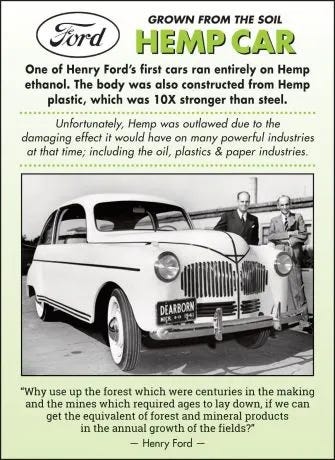
Understanding this history sheds light on how corporate influence has shaped our dependence on fossil fuels, a dependency that continues to harm the environment today.
In the 1930s, Ford opened a plant in Michigan where they successfully experimented with biomass fuel conversion, proving that hemp could be used as an alternative to fossil fuels. They extracted methanol, charcoal fuel, tar, pitch ethyl-acetate, and creosote all from hemp. What this meant for Ford was that he could now not only produce their own raw materials to make cars, but he could make the fuel to run them as well. The discovery was horrible news for a man by the name of Andrew Melon, whom owned the sixth largest bank at that time in addition to much of the Gulf Oil Corporation; a company which had just recently opened their first drive-through filling station. Melon and DuPont teamed up to create a propaganda campaign to make hemp and all its material paper, fabric, crops, building materials, proteins, rope, fuel and medicine production illegal - Zach Reichard.
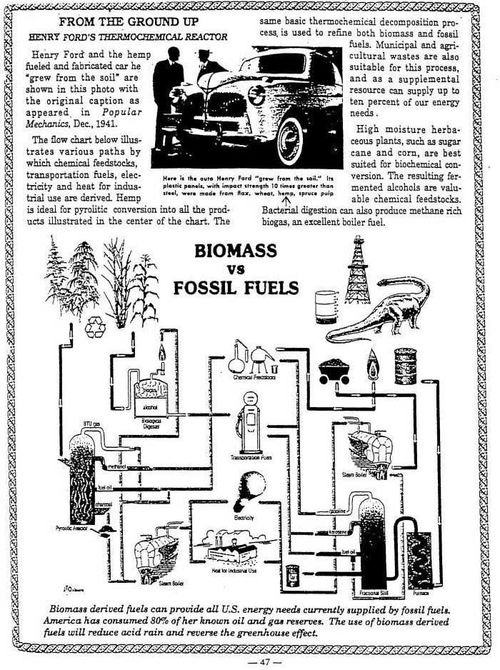
This is just one example which illustrates clearly that from the outset of early car manufacturing, the economic foundations of the most powerful countries were intentionally based on oil. Meanwhile, any other products that threatened investors and stakeholders were promptly removed, and this is a pattern that has continued for over a century and will continue unless we, ourselves, take action to adopt more sustainable energy usage choices.
Bamboo
Bamboo, a fast-growing grass, emerges as a versatile, eco-friendly alternative to plastic, capable of producing biodegradable packaging, fabrics such as bamboo silk, and more, with natural antimicrobial properties. Maturing in just 3–5 years, compared to decades for trees; bamboo generates 35% more oxygen and sequesters ( absorbs), up to 12 tons of CO2 per hectare annually.
Globally, 30 million hectares of bamboo yield 10 million tons of fiber yearly, supporting bioplastics, textiles, and over 10,000 applications. Unlike conventional plastics, bamboo-based materials biodegrade in months, reducing the 14 million tons of plastic polluting oceans annually. Its rapid renewability and low environmental footprint make bamboo a critical solution for replacing fossil fuel-based plastics, demanding scaled investment from governments and corporations.
Many Choices for Plant-based Alternatives
Plant-based plastics are made from plant cellulose, and because bio-plastics are made from plant-based materials, they can degrade quickly in landfills, composting bins, and the oceans without causing any harm to the environment. The most common types are made from corn starch, like polylactide (PLA) plastic, biodegradable plates or food trays, and disposable cups; these can also be made from Polyhydroxyalkanoate (PHA) plastic, also starch-based, derived from sugarcane or beetroot.
The appeal of banana peels for creating biodegradable plastic was discovered by Elif Bilgin, who at the time was only 16 years old when she won a Science in Action award in 2013 for her design.
Coffee grains
Equally promising, coffee-based plastics repurpose 8 million tons of spent coffee grounds (SCG)—an overlooked, untapped waste from 2 billion daily coffee cups, often unknown to consumers- that can be repurposed to produce biodegradable cups, packaging, and car parts like Ford’s coffee chaff headlamps. With 66% polysaccharides, SCG bioplastics degrade in 45 days, reducing microplastic pollution. Governments, especially in high per capita polluters like the U.S. (105 kg/person) and U.K. (99 kg), must ban single-use plastics and fund these solutions, while some corporations begin to adopt eco-design to end this ecocide, still more needs to be done globally, corporations and governments need to do more to enforce plastic bans and incentivize these alternatives, while corporations shift to eco-design, to halt this ecological crisis.
With all these alternative solutions to petroleum-based plastics, we have no excuse but to take responsible action and campaign for corporations, supermarkets, and governments to create the eco-friendly bioplastic infrastructure in the plastic-producing industries to transfer over to these biodegradable alternatives and save our oceans and landfill sites from the current ecocide plastic waste is causing.
by
Carlita Shaw is a British environmental conservationist who has lived and worked in the Amazon rainforest since 2006. She is the author of several books. With over twenty-six years working in conservation, environmental advocacy projects, and hundreds of articles, she blends ecological science with indigenous knowledge, ancient technologies, and alternative economics to illuminate paths forward through planetary crisis.

Coming out soon 2026: Multidimensional Nature
📘 (2015)The Silent Ecocide: The Environmental Crisis is a Crisis of Human Consciousness
📘 (2020) Surviving Depression in a Depressing World: An Ecological Perspective
This publication remains entirely reader-supported, allowing me to investigate stories that mainstream media rarely touches, from wildlife conservation and environmental science to consciousness, ancient knowledge, and the future of humanity. Your support helps fund independent research, field investigations, and the time needed to produce in-depth, evidence-based articles free from corporate influence.
Supporters receive: in-depth subscriber-only investigations, early access to articles and book chapters, exclusive podcasts and videos, live Q&A sessions, and the opportunity to help shape future research into some of Earth’s greatest mysteries.
References
1. Plastic Waste and Recycling
Chemical Engineering Journal (2024). Advances in Chemical Recycling of Plastics. Link. (500,000 tons chemically recycled in 2023; EU’s 15% target by 2030.)
Ellen MacArthur Foundation (2020). The Global Commitment 2020 Progress Report. Link. (14% of plastic packaging collected for recycling; 2% recycled to similar quality.)
EPA (2022). National Overview: Facts and Figures on Materials, Wastes and Recycling. Link. (5–6% U.S. plastic recycling rate in 2021; 3 tons CO2 saved per ton of PET recycled.)
EUR-Lex (2023). Proposal for a Regulation on Circular Economy for Plastics. Link. (400 million tonnes CO2 from plastic production/incineration; 3.5 billion barrels of oil equivalent saved by recycling.)
Eurostat (2024). Recycling Rate of Plastic Packaging Waste in the EU. Link. (41% plastic packaging recycling rate in 2020; 10 million tons diverted.)
European Parliament (2024). Single-Use Plastics: EU Rules to Reduce Plastic Waste. Link. (50% reduction in plastic bag consumption post-ban; €800/ton tax on non-recycled plastic packaging.)
JRC (2024). Plastic Waste in the EU: Facts and Figures. Link. (17% of EU plastic waste recycled in 2019; 38% separately collected.)
Journal of Cleaner Production (2023). Life Cycle Assessment of Plastic Recycling. Link. (1.5–2 kg CO2 emissions per kg of PET recycled.)
McKinsey (2023). The Future of Plastic Recycling. Link. ($1,000–$3,000 per ton cost of chemical recycling.)
Nature (2020). Evaluating Scenarios Toward Zero Plastic Pollution. Link. (4–8% of global oil used for plastic production; tripling of production by 2060.)
NPR (2020). How Big Oil Misled The Public Into Believing Plastic Would Be Recycled. Link. (Industry greenwashing of recycling since 1970s.)
OECD (2022). Global Plastics Outlook: Economic Drivers, Environmental Impacts and Policy Options. Link. (9% of plastic ever produced recycled; 12% incinerated; 79% landfilled; 390 million tons produced in 2021.)
Science Advances (2020). Evaluating the Global Trade in Plastic Waste. Link. (74% of exported plastic mismanaged.)
Statista (2024). Recycling Rate of Municipal Waste in the European Union. Link. (EU’s 65% municipal waste recycling target by 2035.)
UNEP (2023). Turning Off the Tap: How the World Can End Plastic Pollution. Link. (14 million tons of plastic enter oceans annually; 60% production reduction by 2050; 30% of collected plastics mismanaged.)
Yale e360 (2021). The Recycling Myth: Why Plastic Recycling Isn’t Working. Link. (Recycling’s environmental footprint rivaling virgin plastic production.)
2. Marine Life Impacts (Paragraph 4)
Center for Biological Diversity (2014). Ocean Plastics Pollution: A Global Tragedy. Link. (Two-thirds of 500 fish species ingest plastic; 25% of market fish contain microplastics; 12,000–24,000 tons ingested by North Pacific fish.)
de Carvalho-Souza et al. (2018). Marine Turtles and Plastic Pollution. Marine Pollution Bulletin. Link. (All seven sea turtle species ingest microplastics; 418 species affected.)
Environmental Pollution (2023). Microplastics in Cetaceans: A Global Review. Link. (56% of cetacean species ingest plastic; 5.5 particles per animal.)
Fauna & Flora (2024). Plastic Pollution and Marine Life. Link. (100,000 marine mammals and 1 million seabirds die annually from plastic; 50% of sea turtles ingest plastic.)
IUCN (2021). Marine Plastic Pollution: Impacts on Biodiversity. Link. (90% of seabirds ingest plastic; 99% projected by 2050.)
Marine Pollution Bulletin (2023). Plastic Ingestion in Seabirds: Global Trends. Link. (Shearwaters’ vulnerability; 10% body weight in plastic.)
NMFS and IMMP (2023). Ghost Gear: The Silent Killer. Link. (75% of marine mammal entanglements from ghost gear.)
Science Advances (2022). Plastic Ingestion by Seabirds: A Growing Threat. Link. (20.4% increased mortality risk per plastic piece; 32 times deadlier soft plastics.)
3. Coral Reef Impacts (Paragraph 5)
AIMS (2022). Great Barrier Reef: Long-Term Monitoring. Link. (50% decline in global coral cover since 1980s; 2024 bleaching event.)
Cornell University (2018). Skeletal Eroding Band Disease in Corals. Link. (Disease characteristics linked to plastic abrasions.)
Journal of Hazardous Materials (2025). Microplastics and Coral Bleaching. Link. (Microplastics increase bleaching risk.)
Lamb et al. (2018). Plastic Waste Associated with Disease on Coral Reefs. Science, 359(6374), 460–462. Link. (11.1 billion plastic items on Asia-Pacific reefs; 89% increased disease risk.)
Nature (2023). Plastic Debris in the Global Coral Reef Ecosystem. Link. (92% of surveyed reefs with plastic; 88% plastics, 73% fishing gear.)
Nature Communications (2023). Microplastics and Coral Health. Link. (20 times higher disease prevalence with plastic.)
NOAA (2024). Coral Reef Ecosystems. Link. (25% of marine species supported by reefs.)
SBS News (2018). The Economic Value of Coral Reefs. Link. (275 million people rely on reefs.)
4. Great Pacific Garbage Patch
Eos (2024). Plastic as a Vector for Invasive Species. Link. (Risks to Papahānaumokuākea Marine National Monument.)
Geographical (2024). The Great Pacific Garbage Patch: A Growing Threat. Link. (Plastic concentration rise from 2.9 kg to 14.2 kg per square kilometer, 2015–2022.)
Lebreton et al. (2018). Evidence that the Great Pacific Garbage Patch is Rapidly Accumulating Plastic. Scientific Reports, 8, 4666. Link. (1.6 million square kilometers; 1.8 trillion pieces; 79,000 metric tons; 94% microplastics.)
Nature (2022). Sources of Plastic in the Great Pacific Garbage Patch. Link. (75–86% of plastic from fishing/agriculture; key contributors: China, Japan, U.S.)
Nature Ecology & Evolution (2023). Invasive Species on Plastic Debris. Link. (Invasive species like crabs, anemones on GPGP plastics.)
NOAA (2024). Great Pacific Garbage Patch. Link. (1.6 million square kilometers; five global gyres.)
The Ocean Cleanup (2022). Progress Report: Great Pacific Garbage Patch. Link. (46% of mass from fishing nets; 1 million pounds removed by 2024.)
5. Alternatives to Plastic
Bamboo:
Bamboo Innovate (2023). Bamboo vs. Trees: Environmental Benefits. Link. (35% more oxygen than trees; 3–5 year maturity.)
Environmental Science & Technology (2020). Bamboo Carbon Sequestration. Link. (12 tons CO2 sequestered per hectare annually.)
FAO (2023). Global Bamboo Resources. Link. (30 million hectares; 10 million tons fiber annually.)
International Bamboo and Rattan Organization (2024). Bamboo Market Report. Link. (10 million tons fiber annually.)
Journal of Cleaner Production (2022). Bamboo Applications. Link. (10,000+ applications.)
Journal of Materials Science (2021). Antimicrobial Properties of Bamboo. Link. (Bamboo kun antimicrobial compound.)
Bioplastics Market:
Chitosan:
Journal of Polymers and the Environment (2023). Chitosan-Based Biodegradable Films. Link. (Chitosan from shrimp shells biodegrades in months.)
Coffee-Based Plastics:
AirX Carbon (2023). Coffee-Based Bioplastics for Sustainable Packaging. Link. (Tensile strength, thermal stability.)
Beanused.com (2021). BeaNused®: Sustainable Coffee-Based Materials. Link. (403 kg CO2 saved per ton of recycled SCG.)
Biopolymer.vn (2023). Coffee-Based Bioplastics: From Waste to Resource. Link. (Kaffeeform cups; Yokohama National University nanofibers; C2Renew 3D printing filament.)
CNN (2019). Ford Uses Coffee Waste to Make Car Parts. Link. (Coffee chaff headlamps.)
Daily Coffee News (2015). Coffee-Based Plastics: Challenges and Opportunities. Link. (FDA approval pending for food contact.)
PMC (2023). Coffee By-Products as the Basis for Developing Alternative Fuels and Polymers. Link. (8 million tons SCG annually; 66% polysaccharides, 25% cellulose; 45-day biodegradation.)
South Dakota State University (2023). Coffee Grounds to Biodegradable Plastics. Link. (8 million tons SCG from 2 billion daily cups; 700-year degradation of petroleum plastics.)
Hemp:
Hemp Gazette (2019). Henry Ford’s Hemp Car: Fact and Fiction. Link. (1941 hemp-soy composite car; impact resistance.)
Industrial Crops and Products (2020). Hemp Fiber Composition and Applications. Link. (~70% cellulose in hemp fiber.)
Journal of Industrial Hemp (2021). Hemp: A Versatile Crop. Link. (25,000+ uses of hemp; 2018 U.S. legalization.)
Mycelium:
Materials Today (2024). Mycelium-Based Materials for Packaging. Link. (Mycelium biodegrades in 30–60 days; 10,000 tons of polystyrene replaced.)
Seaweed:
6. Country-Specific Plastic Waste
Our World in Data (2020). Plastic Pollution. Link. (Asia’s 81% ocean plastic contribution.)
PBS News (2024). India’s Plastic Waste Crisis. Link. (India’s 10.2 million tons in 2024.)
Plastic Bank (2023). Ocean-Bound Plastic: Key Contributors. Link. (Philippines 356,371 tons to oceans, 36% of global share; India 13%.)
Science Advances (2017). River Plastic Emissions to the World’s Oceans. Link. (Asia’s 81–86% of ocean plastic.)
Science Advances (2023). Global Producer Responsibility for Plastic Pollution. Link. (Coca-Cola, Nestlé, PepsiCo responsible for 24% of branded plastic pollution.)
Visual Capitalist (2021). Plastic Waste Per Capita by Country. Link. (U.S. 105 kg, U.K. 99 kg, South Korea 88 kg, Germany 81 kg, France 66 kg, Australia 59 kg, Italy 56 kg, Japan 54 kg, Canada 52 kg, Spain 48 kg; India 8 kg, China 15.6 kg; 2019.)
World Population Review (2024). Plastic Pollution by Country 2024. Link. (U.S. 34.02, China 21.60, India 9.46, Brazil 10.67, Indonesia 9.13, Russia 8.47, Germany 6.68, U.K. 6.47, Mexico 5.89, Japan 4.88 million tons; 2016.)
7. General Plastic Pollution Context
EEA (2024). Circular Economy in Europe: Progress and Challenges. Link. (700,000 jobs from EU circular economy; potential for 1 million by 2030.)
EIB (2023). Financing the Circular Economy. Link. (€6.7 billion investment gap for EU plastic recycling targets.)
Ellen MacArthur Foundation (2016). The New Plastics Economy: Rethinking the Future of Plastics. Link. (Plastic outweighing marine life by 2050.)
IUCN (2024). Marine Plastic Pollution: Issues Brief. Link. (10–20 million tons of plastic enter oceans annually.)
Shaw, C. (2015). The Silent Ecocide Redux: The Environmental Crisis is a Crisis of Human Consciousness. Self-published. ISBN: 9781512365719. Link. (Human-driven sixth mass extinction; 75–150 species lost daily; corporate greed and ecological disconnect; solutions via consciousness shift and sustainable practices.)
The Roundup (2024). Plastic Pollution Statistics. Link. (353–400 million tons of global plastic waste; 10–20 million tons to oceans.)
Comments
Nothing yet. Say the first thing.
Sign in to join the conversation.