
This is the first part of a three-part investigation into how a gaming device became surveillance infrastructure.
We didn't just buy cameras. We bought tech that understood our bodies.
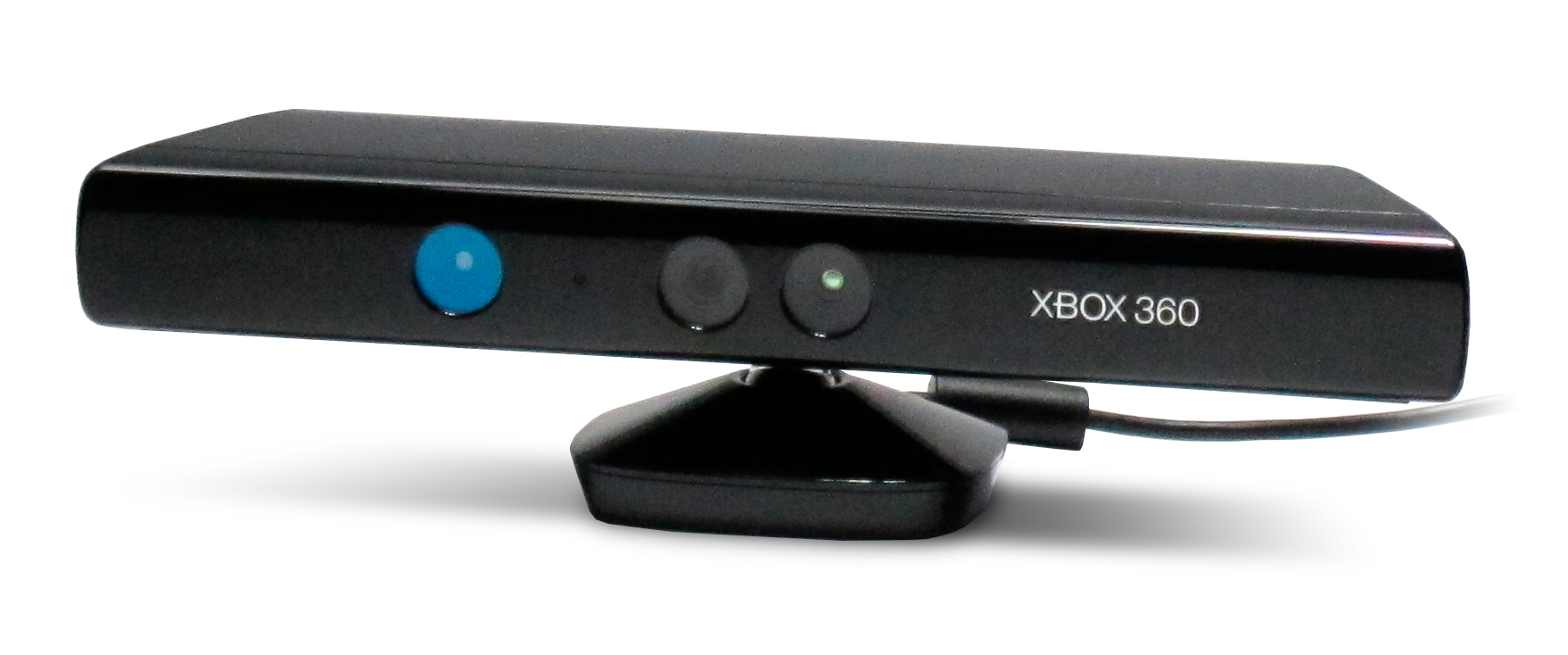
I recently noticed TouchDesigner now advertises integrated support for Kinect v1 and v2. This got me to pull a long-forgotten black plastic bar out of a drawer and re-open an old conversation with the device.
But as I started researching what I thought would be a straightforward technical memoir about mapping movement to Max/MSP, the story exploded. What began as "here's how I used a game controller for spatial sound and audio FX" became an exploration into military technology, Israeli defense contractors, and the surveillance infrastructure we've inadvertently crowdfunded through our gaming purchases.
The pattern is clear: military research develops expensive capabilities, consumer products make them cheap and ubiquitous, public enthusiasm generates training data, then governments and corporations redeploy the technology for control.
In 2010, Microsoft sold us a $149 gaming peripheral that could map our living rooms in 3D, track our skeletons, and recognize our faces. What we thought was magic was actually military technology—temporarily repackaged as entertainment. This is the story of how a gaming device became surveillance infrastructure, and how we helped build it
Here’s the kicker: the Kinect wasn’t just a camera. It was a Trojan horse.
The popular story begins at E3 2009 with Project Natal's unveiling. The reality was more complex. The core technology came from Israeli military research labs, developed by engineers whose previous work involved target tracking and reconnaissance systems.
Two technological threads converged to create Kinect:
Thread One: RAFAEL Advanced Defense Systems Engineers who had spent years perfecting electro-optics for missile seekers began spinning that expertise into private ventures. Gavriel Iddan and Giora Yahav, both ex-RAFAEL, founded 3DV Systems in 1997 to commercialize their ZCam depth camera. Microsoft acquired 3DV's intellectual property in 2009.
Thread Two: PrimeSense Founded in 2005 by engineers who, as co-founder Tamir Berliner put it, "met in the same army unit and were trained to attack unsolvable problems." Israel's mandatory military service—particularly in elite technical units like 8200 (signals intelligence) and Talpiot (technology leadership)—created dense networks of engineers with classified expertise and entrepreneurial ambitions.
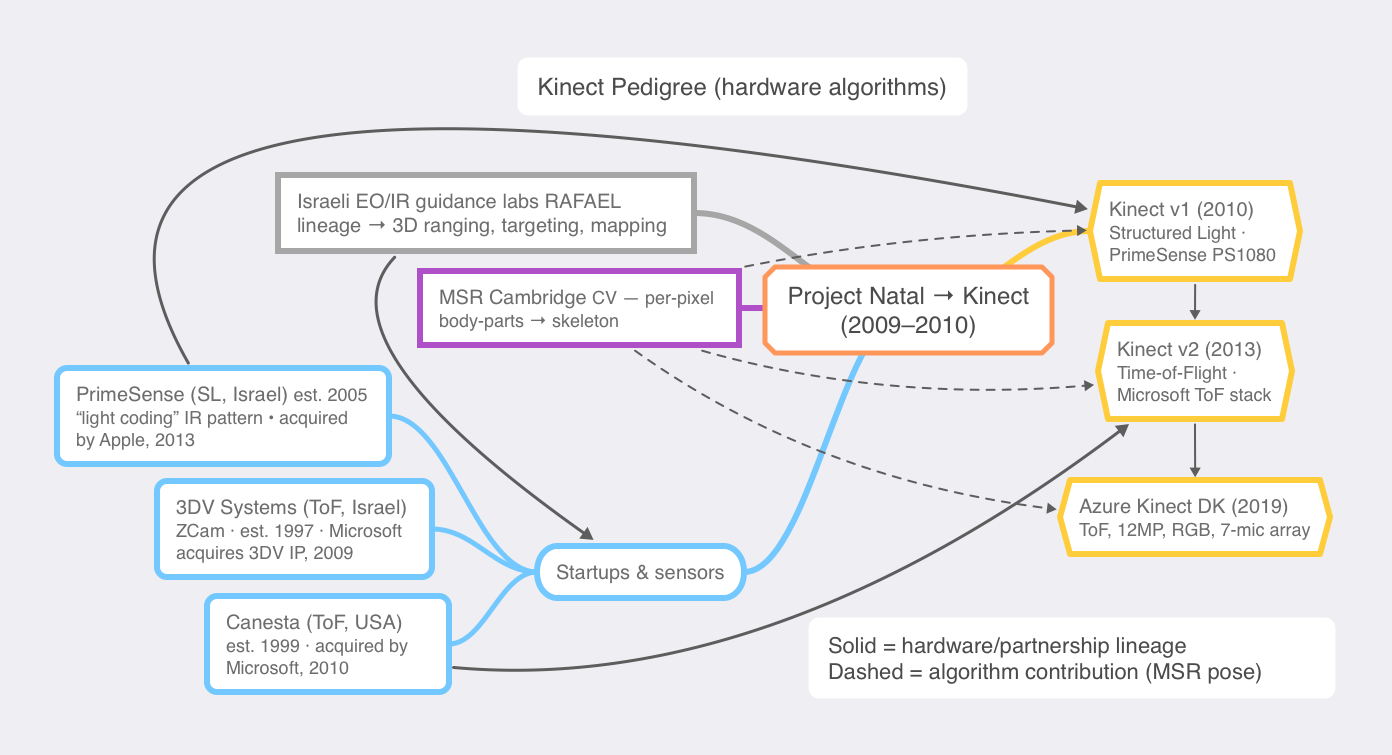
PrimeSense's breakthrough was making depth sensing cheap enough for consumer products. Their "Light Coding" technology could generate real-time 3D maps for a fraction of military costs. Where military depth sensors cost $10,000, PrimeSense aimed for a $50 sensor running off USB power.
When Alex Kipman from Microsoft's Xbox team saw PrimeSense's prototype at the 2006 Game Developers Conference, he had his "this is it" moment. The deal was pragmatic: PrimeSense would provide their PS1080 chip; Microsoft would engineer it for mass production.
For artists and researchers, the Kinect was a boon. Affordable motion capture enabled choreographers, interactive artists, sound designers, and researchers to experiment with embodied interaction without the budget of a studio. The gestures formerly reserved for motion‑capture labs were suddenly accessible to anyone with a webcam and a cheap sensor.
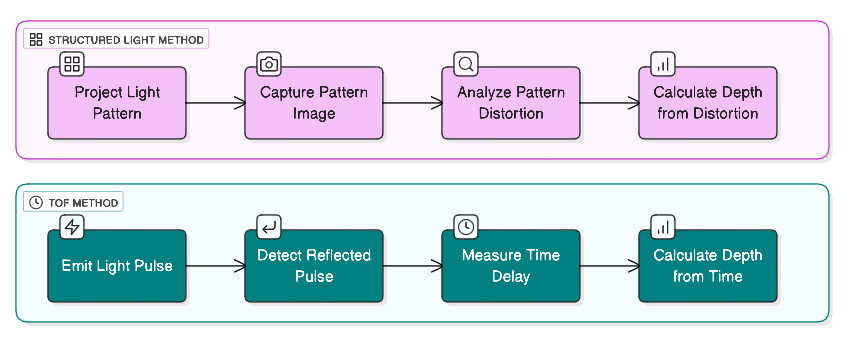
Understanding Kinect requires grasping two different approaches to depth sensing:
Structured Light (Kinect v1)
Projects 30,000 infrared dots via laser and diffraction grating
IR camera observes how the pattern deforms on surfaces
Triangulation math converts deformation to depth:
Z = (baseline × focal_length) / disparityPros: Cheap (~$50), good indoor accuracy
Cons: Sunlight blinds it, limited range (0.8–3.5m)
Time-of-Flight (Kinect v2)
Floods scene with modulated infrared light
Measures phase shift or direct return time
Calculates depth from timing:
distance = (speed_of_light × time) / 2Pros: Works in varied lighting, better range (0.5–5.5m)
Cons: More expensive, higher power consumption
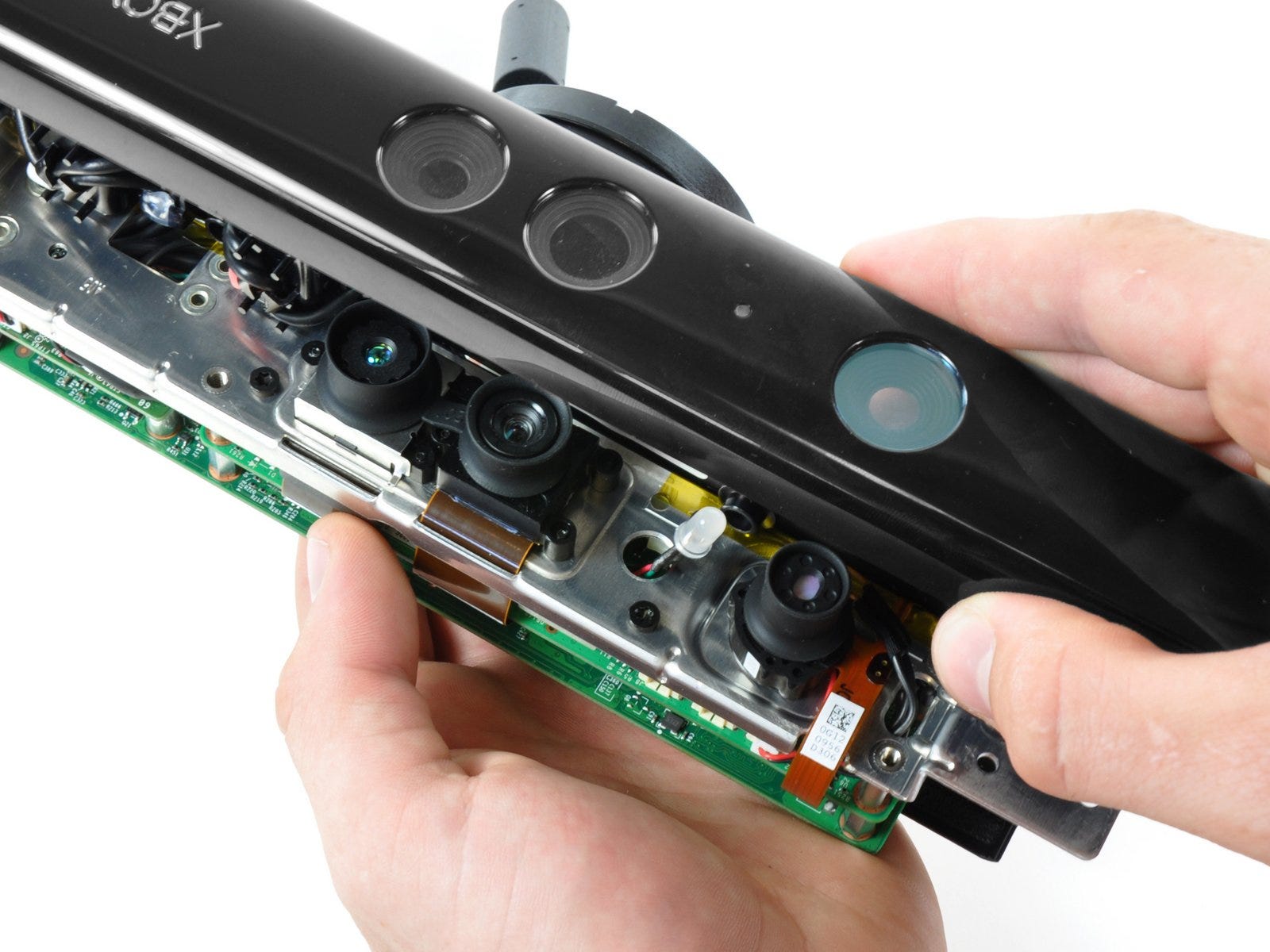
The genius of PrimeSense's approach was using a pseudo-random speckle pattern rather than regular geometric shapes, creating thousands of unique reference points for precise depth calculation even on complex surfaces like faces.
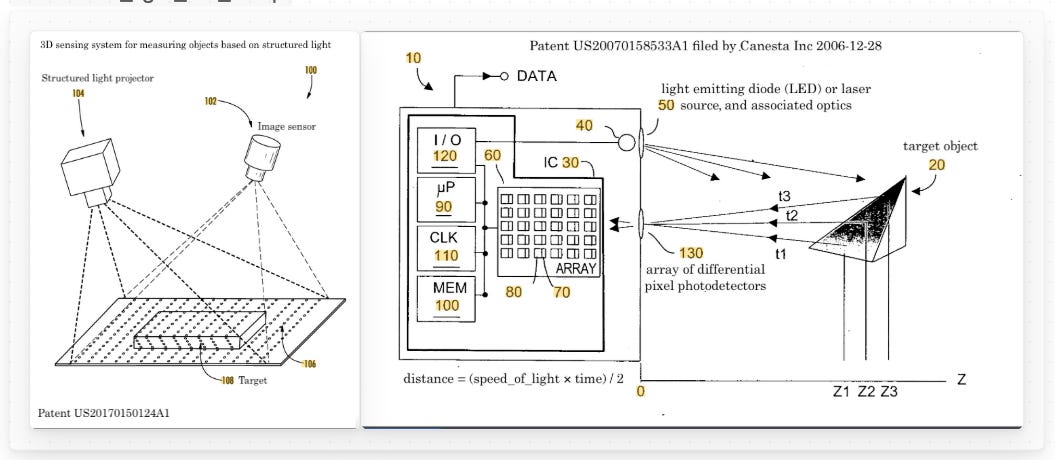
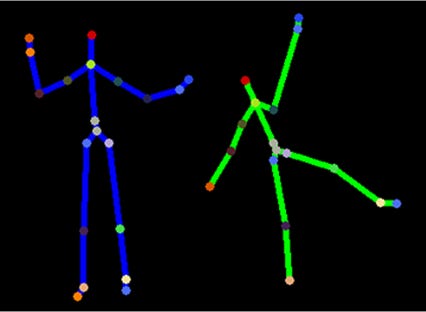
Microsoft's computer vision breakthrough came from reframing pose estimation entirely. Instead of tracking skeletons through time, they asked: "What body part is this pixel?" for every depth pixel, every frame. This per-pixel classification, trained on millions of synthetic depth images, proved incredibly robust.
Early prototypes reportedly cost ~$30,000. That 200× cost reduction required severe compromises:
Range and resolution: Military sensors offered millimeter precision at 10+ meters; consumer Kinect was limited to VGA depth resolution with 0.8–3.5 meter optimal range
Processing power: Microsoft removed the dedicated onboard processor, offloading everything to Xbox CPU
Advanced features: Emotion recognition, fine finger tracking, and facial analysis were stripped out
Outdoor operation: Structured light completely failed in sunlight
Yet even in this simplified form, consumer Kinect retained capabilities that exceeded many professional surveillance systems of the era.
In 2010–11, Kinect achieved something unprecedented: it put research-grade motion sensing in millions of homes. Guinness World Records certified it as the fastest-selling consumer electronics device ever—8 million units in 60 days.
Artists embraced it instantly. I used it to map a drummer's strikes to reverb tails and spatial parameters in Max/MSP—stance width controlled stereo spread, distance mapped to room size. For the first time, the space itself could become an instrument.
But democratization had a shadow side. The same sensors that enabled art also made surveillance cheap.
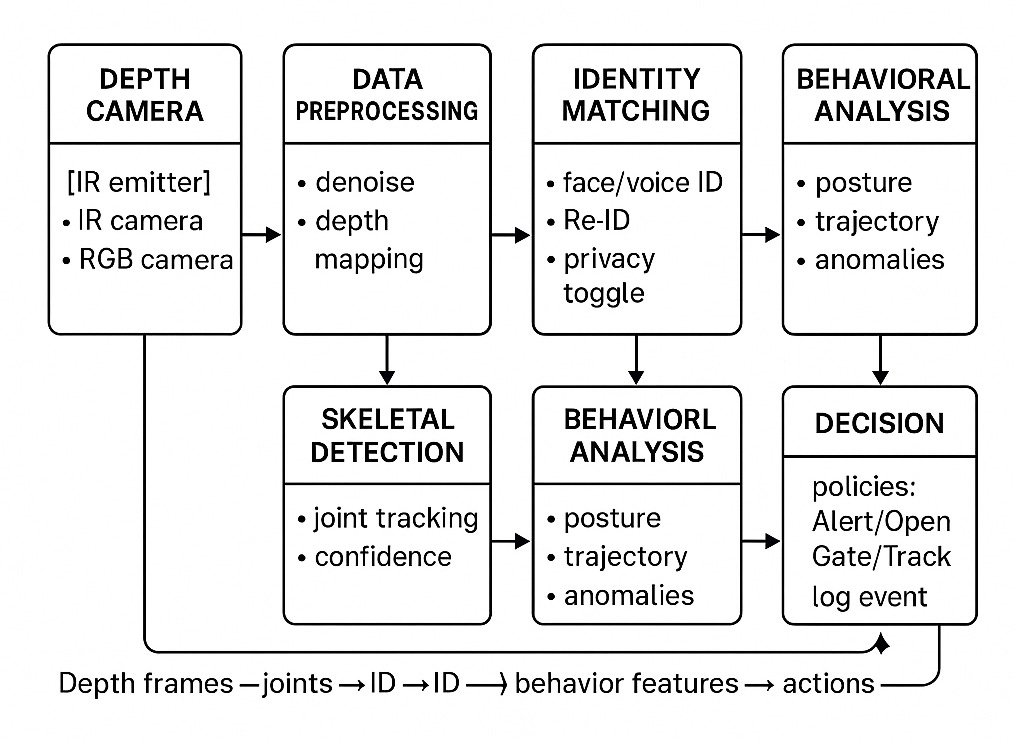
The progression from gaming to surveillance follows a predictable control stack:
Sensors (depth cameras, microphones) → Data Processing (skeletal tracking, voice recognition) → Identity Matching (facial recognition, biometrics) → Behavioral Analysis (posture, trajectory, anomalies) → Decision (alert, gate control, tracking)
Each layer alone is a data transformation; together they enable operational control.
Microsoft's military contracts reveal how consumer gaming technology boomeranged back to defense:
IVAS (Integrated Visual Augmentation System): $22B HoloLens-based headsets incorporating Kinect-derived depth sensing
VIPE Holodeck: Northrop Grumman's virtual training environment with Kinect-based motion capture
South Korean DMZ: Since 2013, Kinect sensors monitor the border, distinguishing humans from animals
The pattern extends beyond defense. Retail "people analytics" track shoppers. Smart cities deploy depth cameras for "public safety." The same economies of scale that made Kinect affordable also made surveillance systems cheaper to deploy.
Meanwhile, an entire generation grew comfortable with always-listening, always-watching devices in their homes. The privacy concerns that initially surrounded Kinect gradually faded as users became accustomed to machine vision systems tracking their daily activities.
The pattern was clear: military research developed expensive capabilities, consumer products made them cheap, and public enthusiasm generated the data to train them for control.
Once you understand the pipeline, you see it everywhere:
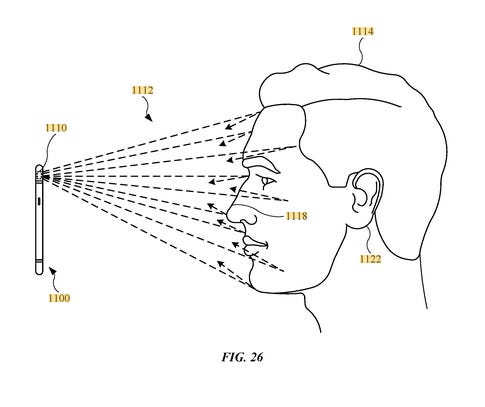
Apple Face ID: PrimeSense's structured light now unlocks a billion iPhones
Amazon's cashier-less stores: Depth cameras track what you pick up—Kinect's stack in retail disguise
China's IJOP platform: 200+ million cameras with facial recognition and gait analysis, trained on Kinect-like data
Palantir Gotham: Ingests depth cameras for predictive policing and immigration enforcement
The uncomfortable truth: we crowdfunded our own surveillance infrastructure. Every Kinect purchase, every dataset, every game session trained the systems that now monitor us.
The Kinect story isn't unique—it's a pattern that has repeated across facial recognition, voice monitoring, behavioral analytics, and location tracking technologies. What began as a gaming peripheral has become part of the foundation for modern surveillance infrastructure.
I still have that Kinect v1 in my drawer. I pull it out and still feel the excitement of those early days—the feeling that we had democratized something powerful, that artists and hackers had liberated military technology for creative expression.
We had, in a way. But we also made surveillance cheap, robust, and socially acceptable.
The Kinect story forces us to ask: When we embrace ‘innovative’ tech, are we also normalizing surveillance? And if so, what does that mean for artists, consumers, and citizens?
Coming Next Week: Part 2 - "How I turned surveillance tech into an instrument—and what it taught me about creativity and control."
Shotton, J., et al. (2011). "Real-time human pose recognition in parts from single depth images." Proceedings of CVPR 2011. IEEE.
Zhang, Z. (2012). "Microsoft Kinect Sensor and Its Effect." IEEE Multimedia, 19(2), 4-10.
Khoshelham, K. (2012). "Accuracy and Resolution of Kinect Depth Data for Indoor Mapping Applications." Sensors, 12(2), 1437-1454.
PrimeSense Ltd. US Patent 7,433,024 B2: "Method and system for object reconstruction"
Microsoft Corporation. US Patent 8,493,496: "Depth camera based on structured light"
Apple Inc. Face ID Security Guide (2017). TrueDepth Camera System specifications.
U.S. Army SBIR/STTR Program. "Recognition Biometric Camera System." Topic A24-009.
FedTech Magazine (2014). "Microsoft Kinect Powers the Military's Virtual Training Regimen."
DefenseScoop (2025). "DOD raises Palantir's Maven contract to more than $1B."
Human Rights Watch (2019). "China's Algorithms of Repression: Reverse Engineering a Xinjiang Police Mass Surveillance App."
Fast Company (2017). "Microsoft Has Stopped Manufacturing The Kinect."
Guinness World Records (2011). "Fastest-Selling Consumer Electronics Device."
OpenKinect Project documentation:
https://openkinect.org/
Microsoft Azure Kinect DK Hardware Specifications
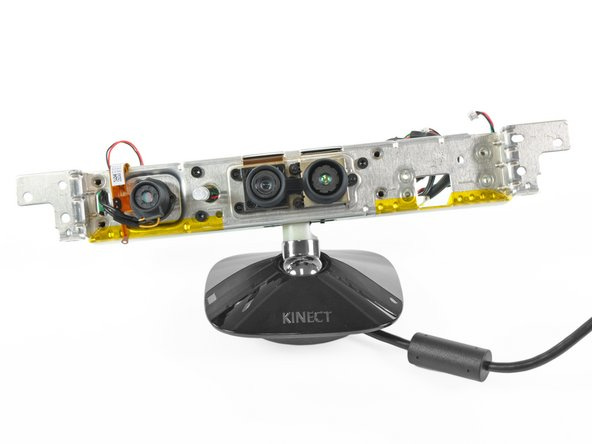
iFixit Kinect Teardown (2010). Licensed under CC-BY-NC-SA 3.0
About the Author
Carl Faia is a composer, live-electronics designer, and researcher in interactive music systems. He has worked at IRCAM in Paris, the CIRM in Nice, Art Zoyd Studios, and with ensembles and composers across Europe. Formerly a lecturer at Brunel University London, he recently started
CaFa Co. in Toulouse, creating custom instruments, sensor systems, and immersive audio projects. His practice blends artistic experimentation with critical reflection on the effect of everyday technology on art and culture.
No posts
Comments
Nothing yet. Say the first thing.
Sign in to join the conversation.