
I recently sat in on an APTA autonomous transit workshop and was surprised by how many transit agencies are planning or implementing autonomous shuttles. If you’re not already aware, autonomous shuttles are small, low-speed electric vehicles that run without a human driver. They are starting to show up in public transit services in a handful of U.S. cities and counties. These shuttles usually stick to fixed or semi-fixed routes in controlled spots such as downtown areas, campuses, business parks, or short conections to main transit lines. Cities and transit agencies take the lead on planning, funding, permitting, and fitting them into existing transit systems.
A few places have launched or are expanding these services as of early 2026:
Jacksonville, Florida (Jacksonville Transportation Authority, or JTA): In June 2025, JTA started NAVI (Neighborhood Autonomous Vehicle Innovation), which is being called the nation’s first public transit autonomous vehicle revenue service. It uses 14 customized electric Ford e-Transit vans with Oxa’s automated driving system. Each one seats up to nine passengers and is ADA-accessible. The route covers a 3.5-mile Bay Street Innovation Corridor from downtown residential areas through the business core to the sports and entertainment district near EverBank Stadium. Service runs Monday through Friday from 7 a.m. to 7 p.m. and stayed free through September 2025. JTA plans to switch to HOLON autonomous shuttles as early as 2027. This is full public transit integration, not just a campus loop.
Cobb County, Georgia (Cumberland Community Improvement District + CobbLinc): In late 2025, the county got more than $6.6 million in federal FTA grant funding for the Cumberland Autonomous Mobility Network (CAM). It will bring in eight accessible autonomous shuttles starting in 2027 to connect major venues around Truist Park and The Battery Atlanta. The system targets first-mile/last-mile access in a car-heavy suburban area and is one of the first U.S. autonomous shuttle programs to receive a federal Letter of No Objection grant.
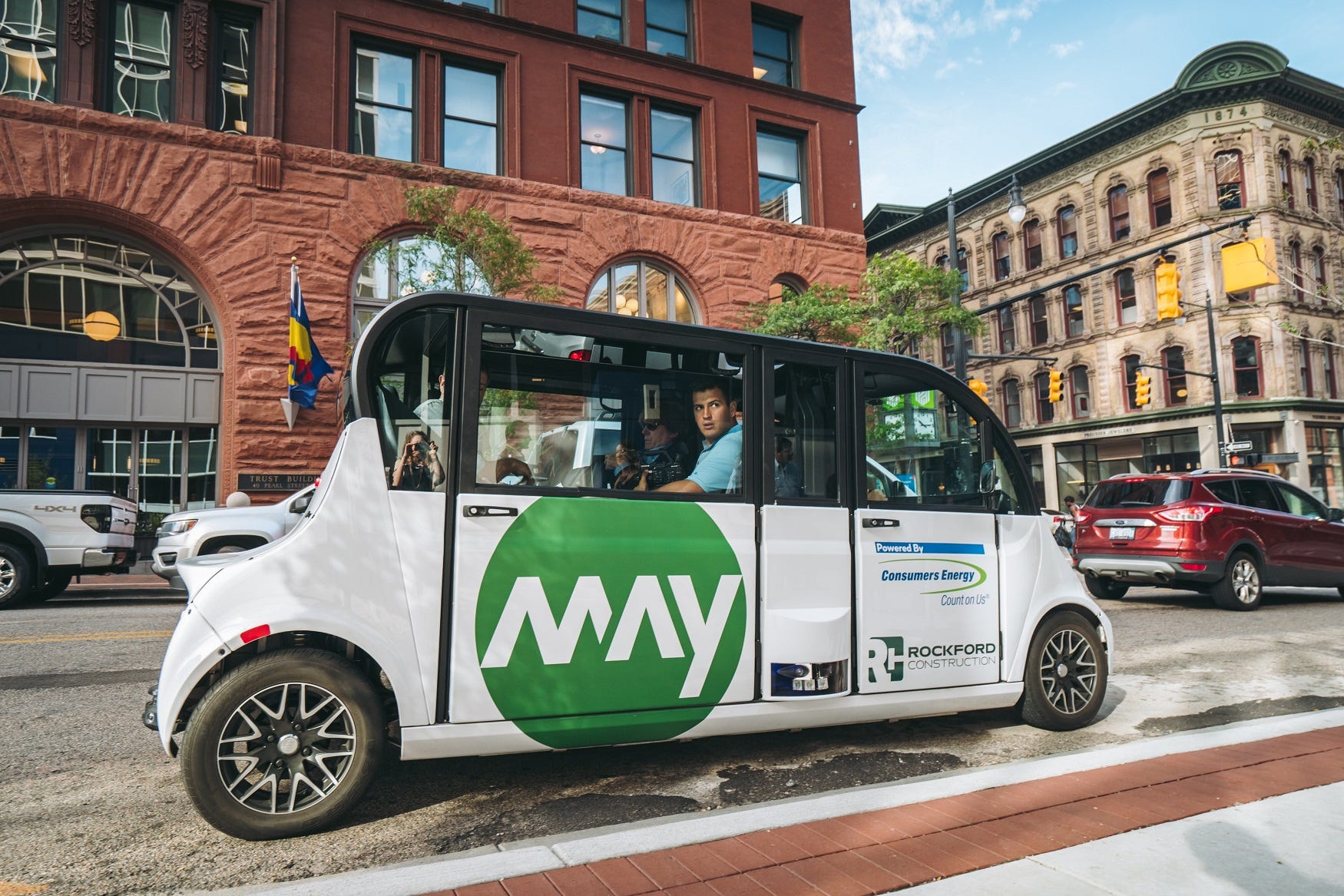
Contra Costa County, California (Contra Costa Transportation Authority – CCTA, with partners like May Mobility): The PRESTO service began in Martinez in 2025 as a shared, free autonomous shuttle using seven Toyota Sienna Autono-MaaS vehicles. It serves a roughly two-square-mile area around the Contra Costa Regional Medical Center and runs through at least August 2025. During the APTA workshop, a representative from Contra Costa spoke and mentioned how the service helped a lot of people get to medical appointments. This is a public-sector-led pilot focused on first-mile/last-mile connections and accessibility.
Shreveport, Louisiana (City of Shreveport + SporTran): Through the Common Link Project, Shreveport’s transit agency SporTran has been working on autonomous shuttles since a 2018 federal grant proposal. The plan includes two EasyMile EZ10 shuttles for a three-year demonstration in the central business district, with later additions of automated heavy-duty buses. As of 2026, the project continues with training for electric autonomous shuttles and federal funding support. The focus is on low-speed routes to link downtown riders, building on earlier pilots and emphasizing transit-oriented automation. The director of Shreveport’s transit agency mentioned during the workshop that they have a retraining program so that existing bus drivers and mechanics can work on autonomous vehicles.
Other California efforts: Various transit agencies and authorities have tested or planned autonomous shuttles. Riverside Transit Agency has looked at Ohmio vehicles, while Santa Clara Valley Transportation Authority (VTA) has joined demos that emphasize accessibility features at places like the VA Palo Alto Health Care System. Bay Area pilots (such as Bishop Ranch business park shuttles) have provided useful data for wider public-road testing, though most stay in controlled or business-park settings rather than full open-street transit.
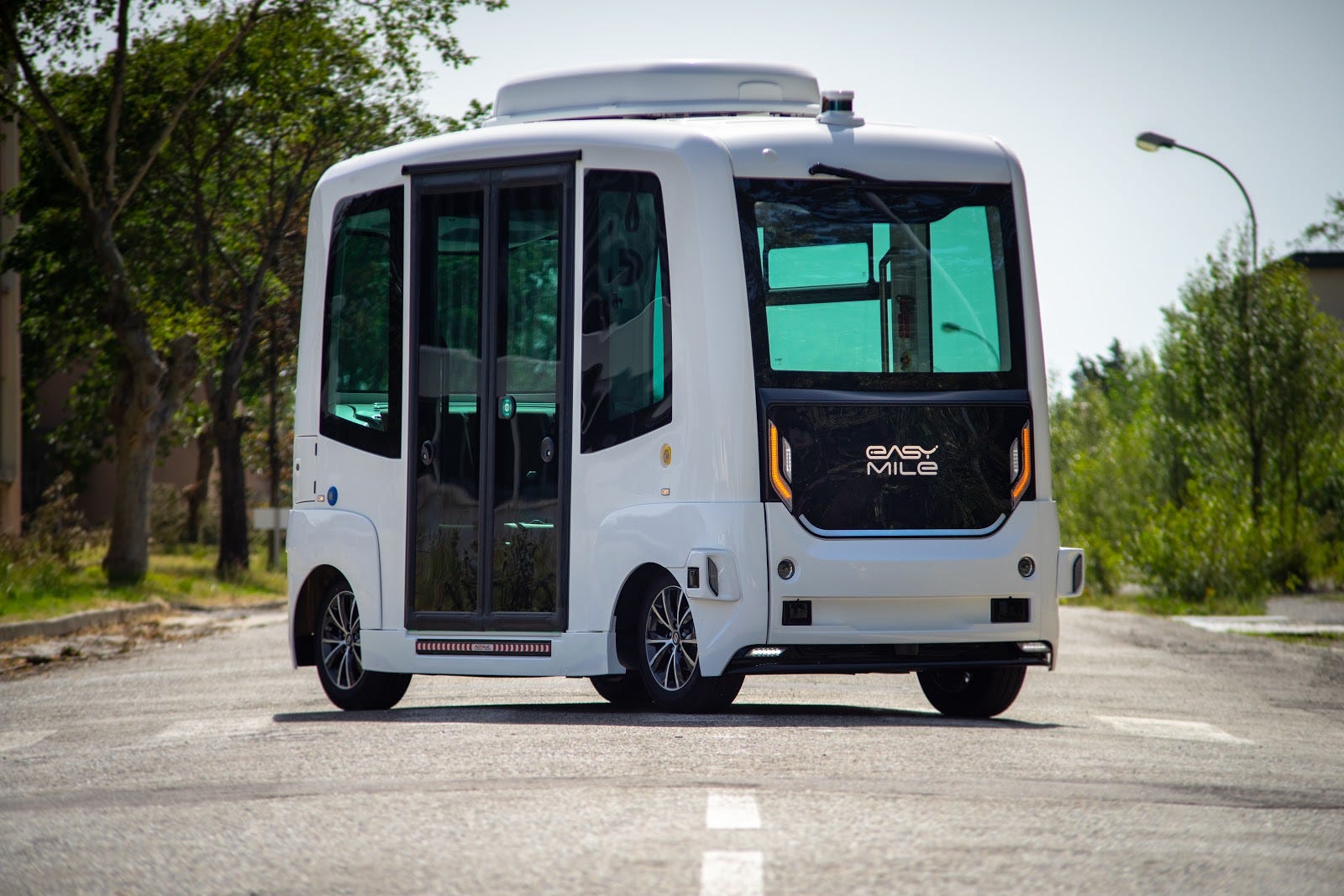
These cases show public agencies taking charge: securing grants from FTA or state DOTs, partnering with tech companies (Oxa, May Mobility, Beep, HOLON), navigating regulatory approvals, and connecting the shuttles to routes that link people to jobs, medical care, stadiums, or transit hubs.
Public agencies see several clear advantages when they lead these efforts:
Better first-mile/last-mile connections: Shuttles fill gaps between homes or businesses and main transit lines, especially in spread-out suburban areas where regular buses are costly or infrequent.
Long-term cost savings: No driver wages lower operating expenses (even though upfront vehicle and tech costs are high). Electric shuttles also reduce fuel and maintenance bills.
Safety improvements: Low-speed operation (usually 15 to 25 mph) plus sensors help cut crashes caused by human error in dense or mixed-use areas.
Equity and accessibility: Many fleets include ramps and wheelchair space to meet ADA standards. Services can be directed toward underserved neighborhoods or medical campuses.
Useful data and innovation: Pilots create real-world information for improving routes, predicting demand, and planning larger rollouts.
Roadblocks and Challenges
Public agencies ran into several serious obstacles when trying to launch driverless transit, however:
Comments
Nothing yet. Say the first thing.
Sign in to join the conversation.