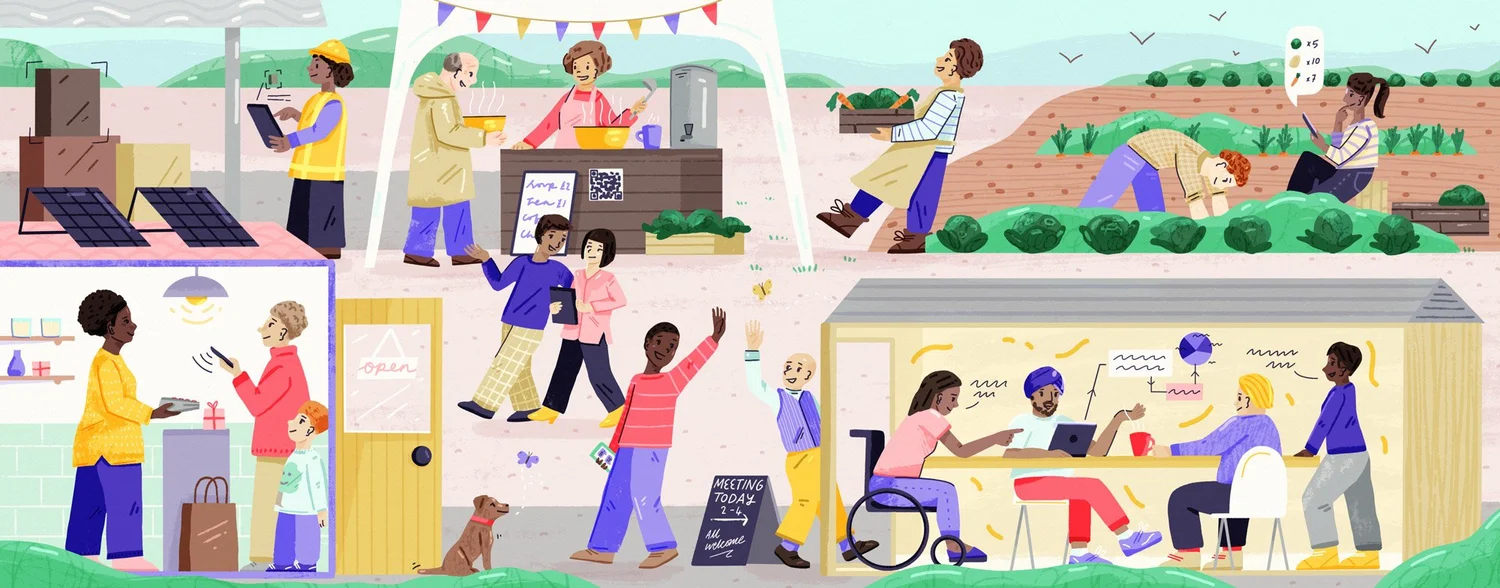
Could 2026 be the year of public interest technology?
Four ideas for sparking investment in UK public interest tech. Written in collaboration with James Plunkett from Kinship Works.

Live Last read · last published · next check
Four ideas for sparking investment in UK public interest tech. Written in collaboration with James Plunkett from Kinship Works.
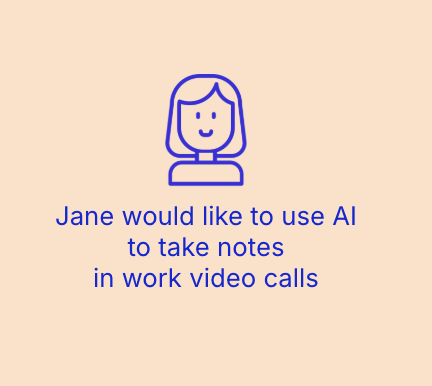
AI transcription tools are not currently mature or reliable enough to be regarded as an always on, single-source of truth for meeting notes. Nine common risks, and six possible mitigations.
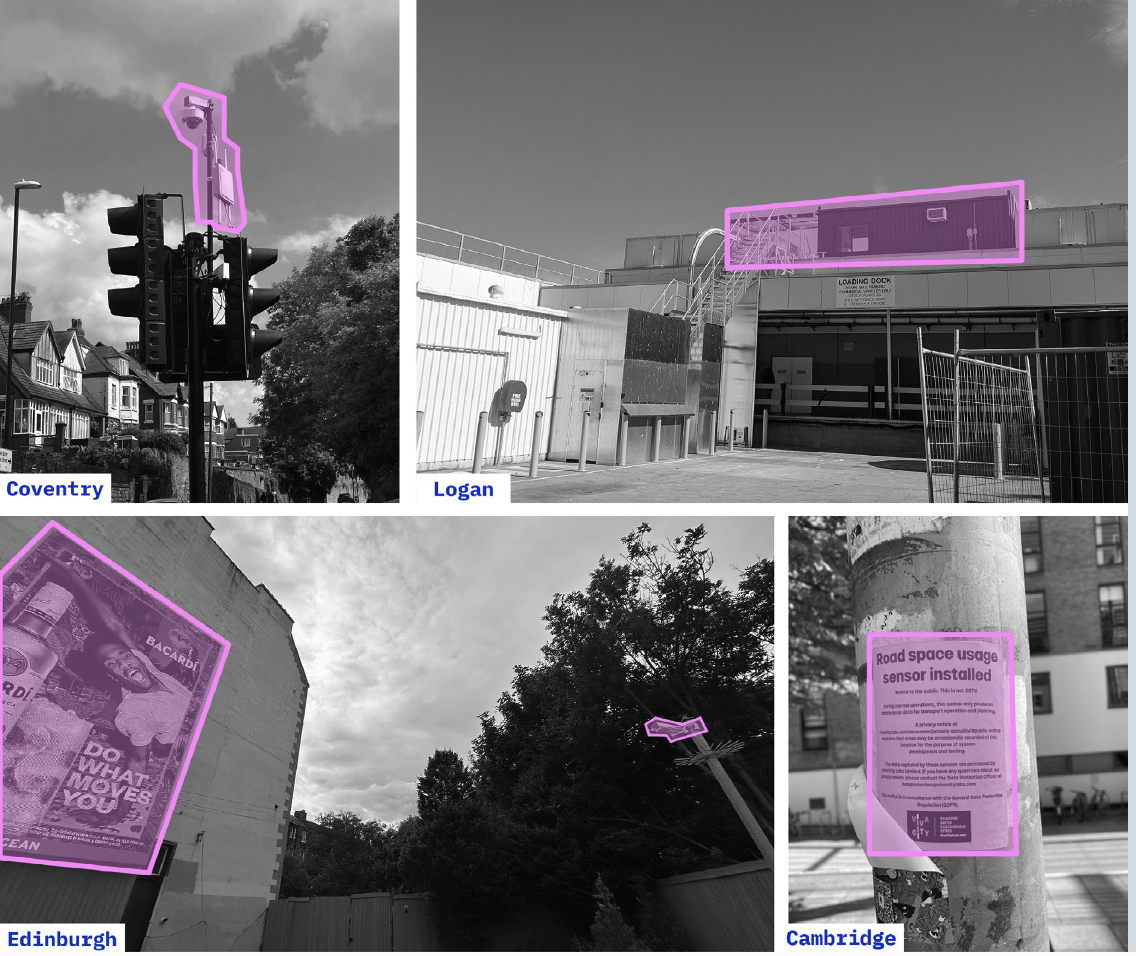
In this new report, we reflect on what lessons can be learnt for national, local and regional government from the AI in the Street pilot. Written by Dominique Barron, with Noortje Marres, Rachel Coldicutt, Alex Taylor, and Maya Indira Ganesh
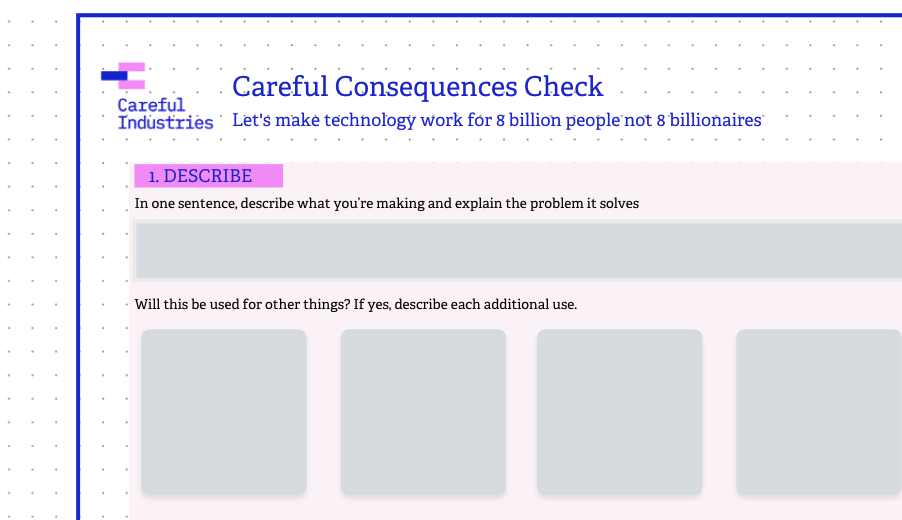
A step-by-step guide to using the Careful Consequence Check canvas.
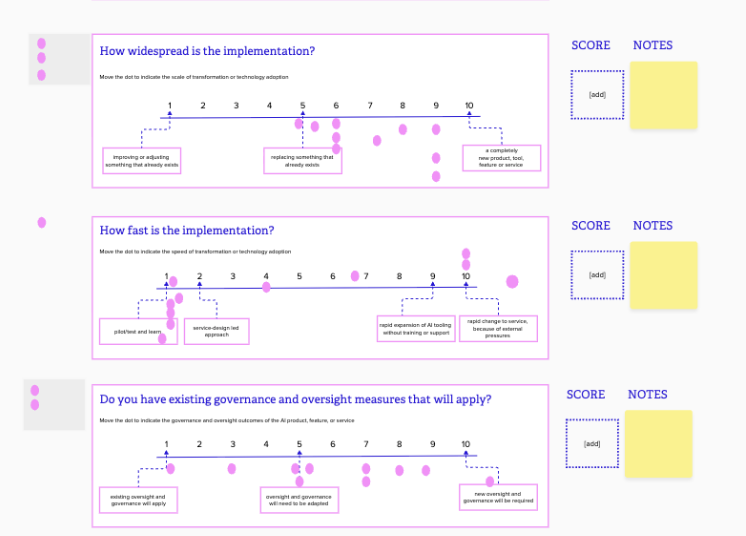
What we learnt in developing the Consequences tool, and an introduction to the deep-dive workshop
Findings from our research into local authorities’ procurement and adoption of AI, conducted with the Bristol Digital Futures Institute.
In a world where Meta has more users than most countries have residents, it seems odd to say that digital services aren’t universal – but universal services need to work for everyone, not just for people who are digitally connected.
We are looking for three freelance researchers to conduct literature searches on the topics of AI and worker safety, AI and environmental safety, and AI and infrastructure resilience.
Unpacking today’s digital ID announcements. Can they deliver on the government’s ambitions before the next election, and do they meet public expectations?
Do you work in or with local government, creating or purchasing AI tools and services? Come along to one of our free workshops in June to help test a new version of Consequence Scanning