
The following image made national headlines a couple weeks ago, piquing the curiosity of naysayers who didn’t believe household voting — one household, one vote — could actually gain momentum in the 21st century:
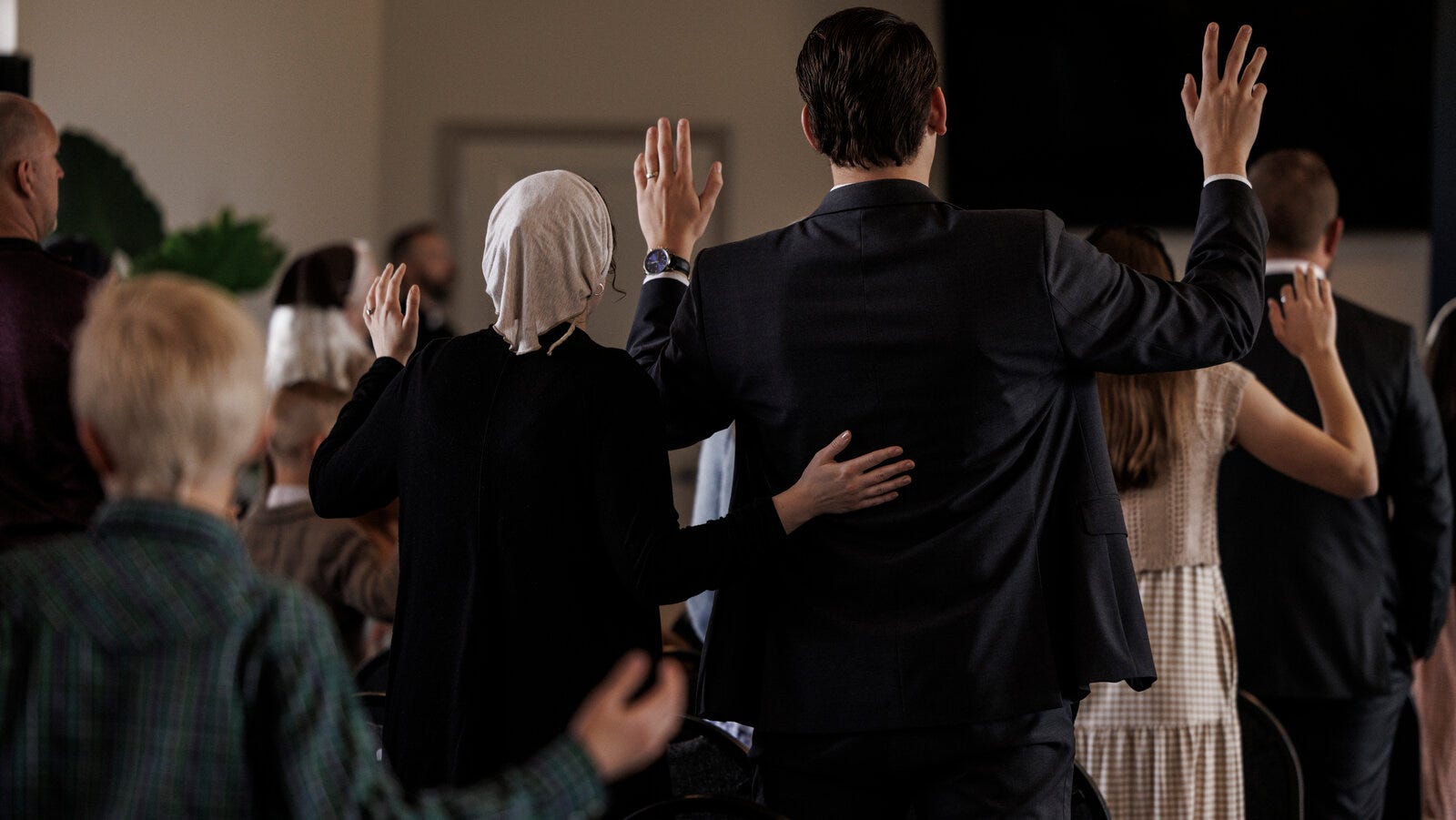
Like me, you probably saw the image when The New York Times highlighted the growing phenomenon. And really, you don’t have to look far to see how the movement is increasing in popularity in denominations like the Communion of Reformed Evangelical Churches (CREC), which was founded by Doug Wilson and, of course, continues to influence Secretary of Defense Pete Hegseth, as well as proponents of white Christian nationalism, like Pastor Dale Partridge, who doesn’t claim a single denomination and now calls himself a Confessional Reformed, and a number of conservative Christian podcasters and influencers such as pro-life advocate Abby Johnson.
As the article notes, “for supporters, household voting stems intuitively from what they call biblical patriarchy. In patriarchal marriages, husbands hold ultimate authority, with wives in ‘submission.’”1
For some of you, none of this is new information — this was the language that surrounded you in your house when you were growing up, at your churches and camps, your youth groups and colleges during your formative years. Perhaps like me, elements of this were once a part of your story; whether you pushed back and ultimately left, you remember conversations of submission and male leadership, of being a helpmeet and of that alone being both the accepted norm and a woman’s most desirable goal.2
But for others of you, all of this is wild and new and discombobulating. How did we get here, why did we get here, are we really here, you ask. Is this really a thing?
To which I say, yes, we are here. Yes, this is a thing.
White evangelicalism has a history of exclusion, kicking out those who are deemed too theologically liberal, who don’t hold to inerrancy or to complementarianism, as well as those who don’t tow the line on anti-LGBTQ rhetoric or on issues of race.3 As a result, evangelicals become more politically homogenous, more extreme, and more insular.
When it comes to household voting, the ultraconservative concept stems from biblical patriarchy and from values of complementarianism: a theological belief of womanhood and manhood4 that believes “men and women have different but complementary roles and responsibilities in marriage, family life, and especially in religious leadership settings.”5
When children, teenagers, and college-aged students, for starters, not only see this modeled to them in their homes and adhered to in their worship environments, and when this belief about manhood and womanhood is heralded not only as normal but as God’s best for humanity, then a seed is planted for the movement to grow.
When women believe that God’s best is found through their identity as a wife and a mother, birthing and raising babies and being a helper to the man in authority over her (first to her father and then to her husband, both of whom act under the authority of God) — and then when, in this submission, she is taught to not push back or ask questions, but to submit to his authority because that’s the way God designed the world to work, well, then the movement grows.
I need not spell out a paragraph about what happens when a man believes this about himself, his God, and everyone under his dominion, not when the benefits are obvious to him and him alone. This is not to say that men are not then contributors to the growth of something like household voting, because they most certainly are, but it is to say, maybe this is how it happens.
Maybe this is how it spreads, even if “repealing the 19th Amendment would require approval by three-quarters of the states,”6 even if we’re not there yet.
But also, yes, we are here. Yes, this is a thing.
Or is it just me?
c.
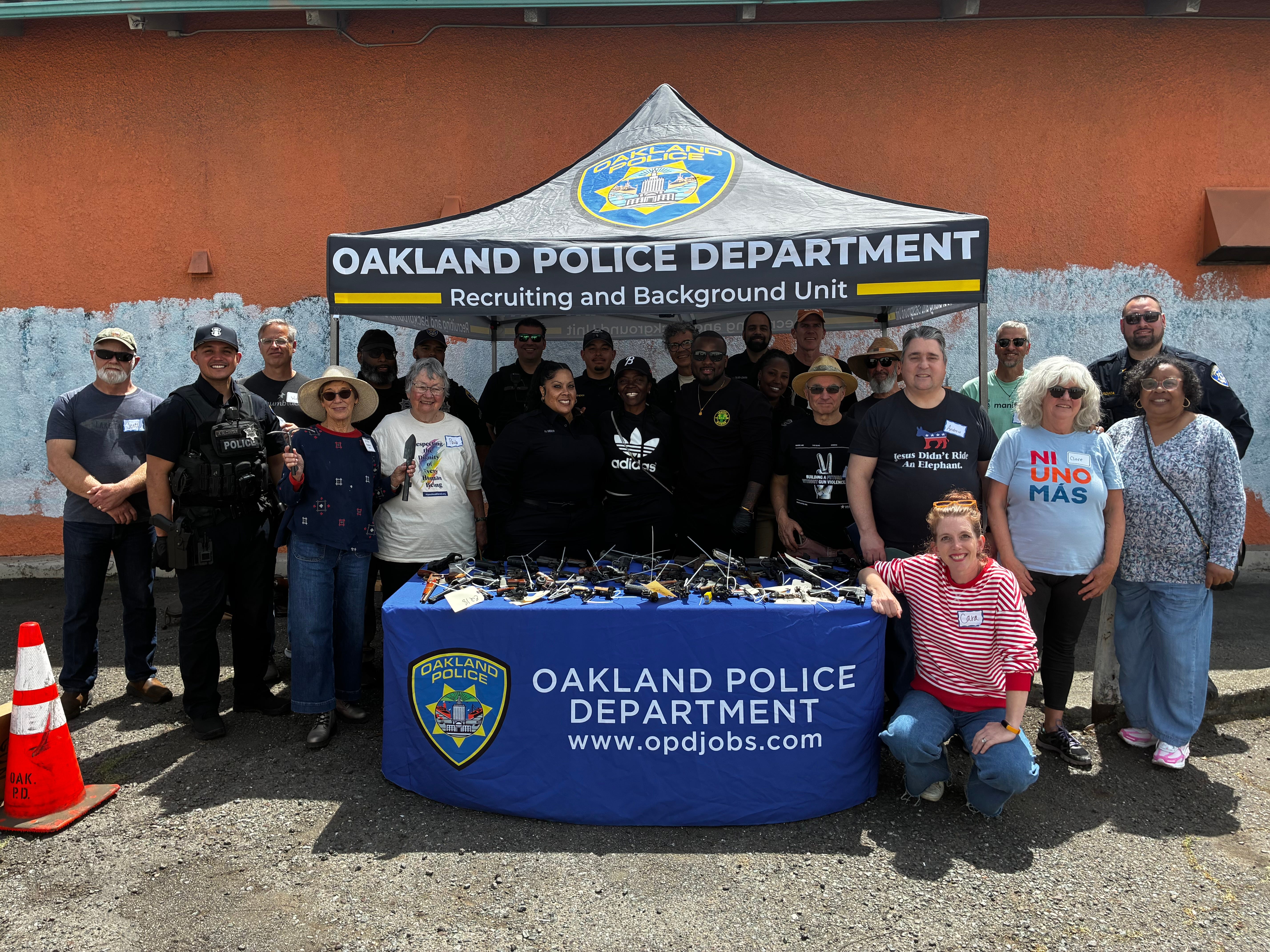
One more little thought: On Saturday, Guns to Gardens Oakland held its sixth event in less than five years. 98 guns were collected that day, bringing the grand total to 450 surrendered firearms. Sure, those who turned in a gun were given gift cards, as well as a garden tool forged from previously surrendered guns in exchange, but even more, through this event, something was done about the problem of gun violence in our community. It’s an honor to be part of this movement — to work behind the scenes, to volunteer, to coordinate, and sometimes be a spokesperson too, but to also make a difference in my community and in the city that I love.
One book I’m reading: Y’all, I just finished listening to The Lion Women of Tehran last night at 9:32 pm (because Libby would have otherwise snatched it back from me at 8:03 this morning), and I couldn’t help but feel like it was such a good, and dare I say, important, novel to read, both when it comes to understanding Iran’s history (and U.S. involvement with that history), as well as with honoring the dignity of our Iranian brothers and sisters. Have you read it?
One tiny garden musing: The annual artichoke party with my neighbors is coming up soon, although my artichokes are all over the place. I harvested three a couple of weeks ago (parboiling, wrapping in aluminum foil, and freezing) in preparation, while another eight, at least, are in various stages of development. If this is not an example of the kind of spring we’re having in the Bay Area, I don’t know what is.
I write about this in Church Camp: “In a way, the word complementary can sound rather innocuous, as if a woman is to a man what a tablespoon of peanut butter on one slice of bread is to a tablespoon of jelly on another slice of bread. Far from equal measures of beloved lunchtime sandwiches, the roles and responsibilities within a complementarian system are often hierarchical and connected to power dynamics. When a woman is actually given a seat at the table or offered a position of leadership, it doesn’t come without consequence. She might question her place in the system, and then, because she is seen as an outlier by other women, she doesn’t fit in anywhere else. She might try to mimic her male counterparts in words, actions, and, as we saw earlier, dress—not because she actually wants to speak or act or dress like a man but because his is considered the accepted norm, her most desirable goal.”
The lovely Kristin Du Mez originally said something like this on a podcast episode. I’ve long since forgotten which podcast it was, but I took the idea to heart nonetheless.
There is only “manhood and womanhood” in this movement. Nonbinary individuals do not exist, nor does the LGBTQ+ community.
No posts
Comments
Nothing yet. Say the first thing.
Sign in to join the conversation.