
I’m coming off a bit of a busy season, which means that this was the only illustration I could come up with on Palm Sunday:
We didn’t have a whole lot on the schedule yesterday, or so I told myself as I read a book about red state Christians1 in the morning and sipped a cup of lukewarm coffee, weeded the garden and planted a crop of pinto beans and further prepped the sermon, made three sandwiches, drove to one kid’s baseball game (and sat in the car for an hour beforehand, writing the sermon), and then to another kid’s soccer game (and again, sat in the car for an hour beforehand, writing the sermon). Held my fist up in solidarity as we waited for the light to turn green at an intersection in Union City, California while No King’s protester’s crossed from one side of the street to the other, waving their signs, daring us honk, begging us join in the call for justice. Dropped off said soccer kid at another, more professional soccer game, weeded another part of the garden, did the laundry, and finished writing the sermon I offer to you now.
Palm Sunday, as it goes, marks the start of Holy Week in the Christian tradition. It is what one clergy friend calls “the biggest, baddest, brightest week of them all,” when the week leading up to Easter Sunday is often filled with a flurry of events and activities, mirroring the days leading up to Jesus’ death and resurrection.
It can also be marked by a fair amount of exhaustion, certainly on behalf of clergy, but also of community members and parishioners who pay homage to such remembrance on Palm Sunday, Great Monday, Fig Tuesday, Spy Wednesday, Maundy Thursday, Good Friday, and Holy Saturday.
In the tradition in which I was raised, the children paraded up and down the aisles on Palm Sunday, shouting “Hosanna!” along with the folks sitting in the pews. But there wasn’t a whole lot on our plates until Thursday rolled around: for a number of years, the menfolk in the congregation grew out their facial hair and wore their bathrobes to the parish hall for a reenactment of the Last Supper, while the rest of us watched and chewed on bits of parsley, and eventually, washed one another’s feet.
Despite the adjective “good” before the day, Good Friday services tend to be rather somber events — this the day marking Jesus’ death on the cross. As a child, I didn’t really want anything to do with the sad things in life, which is perhaps why I don’t remember the day all that much. As an adult, I can only hope I’ve learned to embrace the somber and the sad, including in the religious tradition I call home.
With Holy Saturday, a paradoxical day of living in the in-between, comes the day of “great silence.” Many churches hold vigil after nightfall, the Service of Light an anticipation of all that’s to come in a few hours. Because on Easter morning, Christians celebrate life after life after death — they sing the most joyful of hymns, they behold all this newness of life as they gaze upon the flowers and as the children hunt for eggs, they feast and drink together.
It’s no wonder the week can feel like it carries a bit of whiplash with it, and perhaps even why a day without a “whole lot on the schedule” felt like it was marked by a fair amount of whiplash as well.
Of it, author and Episcopal priest Sara Miles writes the following:
During Holy Week, we wave palms in the air and hail Jesus as king, the long-awaited messiah who’s going to save us from our oppressors, then we change our minds and scream that the oppressors should crucify him; we share a loving last supper with Jesus and he washes our feet, then we sneak out after dinner and betray him. Jesus begs us to stay with him, we promise we will, then we don’t. We abandon him, he’s arrested and beaten; he forgives us, then we run away. Then Jesus is killed; we lay him in the tomb and weep; we go back for him, then he’s gone, then he’s back, and then — wait! — he’s not dead at all.2
Although I went on to offer various reflections on the week to come, including the invitation to cling to the notion that with God’s arrival comes generous love and redemption, as Micha Boyett reminded her readers last week,3 I also wonder what it means to prevent and avoid whiplash altogether.
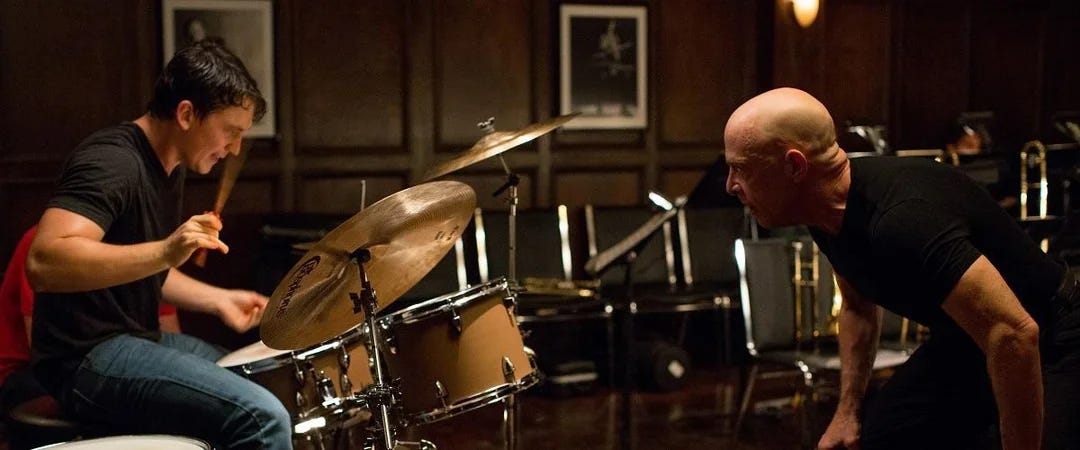
Were we purely talking about physical whiplash, Consumer Reports would tell us to adjust our headrest height, to use our seatbelts properly, to maintain a proper following distance, and to ensure vehicle technology. Add to that, just don’t get into an accident in the first place, but if we’re talking about spiritual whiplash, I suppose the verdict may be a little harder to name.
“Buckle up for the ride” may be one suggestion that doubles across whiplash aisles, but that doesn’t alleviate the stress and the busyness and the fatigue that comes with such a week.
What then shall we say? Stay home. Plant some daffodil bulbs, go to bed early, read a book in your jam jams instead. Spend a quiet moment in meditation and prayer, a candle lit beside you. Take a walk around your neighborhood. Silence your phone — better yet, place it on the kitchen counter for a few hours and ignore it altogether. If you do show up, metaphorically adjust your headrest height so as to ensure you’re all snug and cushioned in on the front end to ensure safety on the back end.
In other words, take care of yourself now so you can continue to take care of others later.
With love and perhaps a little bit of whiplash,
C.
https://www.journeywithjesus.net/essays/3637-20140407JJ
No posts
Comments
Nothing yet. Say the first thing.
Sign in to join the conversation.