
“I am not going out there.”
“But we take walks every Sunday morning,” argued Rabbi Hoffman.
“Well not this Sunday morning,” said his wife.
“Liora, what is wrong?”
“A drunk is blocking our front door is what’s wrong.”
Rabbi Hoffman pushed open his front door.
The man on the Hoffmans’ front porch stood up. He wore a single-breasted suit over a fancy buttondown. At the street far behind the man, someone’s smoldering cigar poked out the driver window of a Lincoln Navigator.
“Harry Silberstein? No one here’s seen you since you left for college. You look horrible, come inside, please.”
“It’s ok!” the rabbi called to his wife, “it’s Harry Silberstein.”
At the breakfast table inside, Harry explained how he’d dropped out of his university’s pre-med program ten years ago and moved to San Francisco. The startup he cofounded there sold medical software to hospitals. The company’s initial public stock offering had made Harry significant wealth.
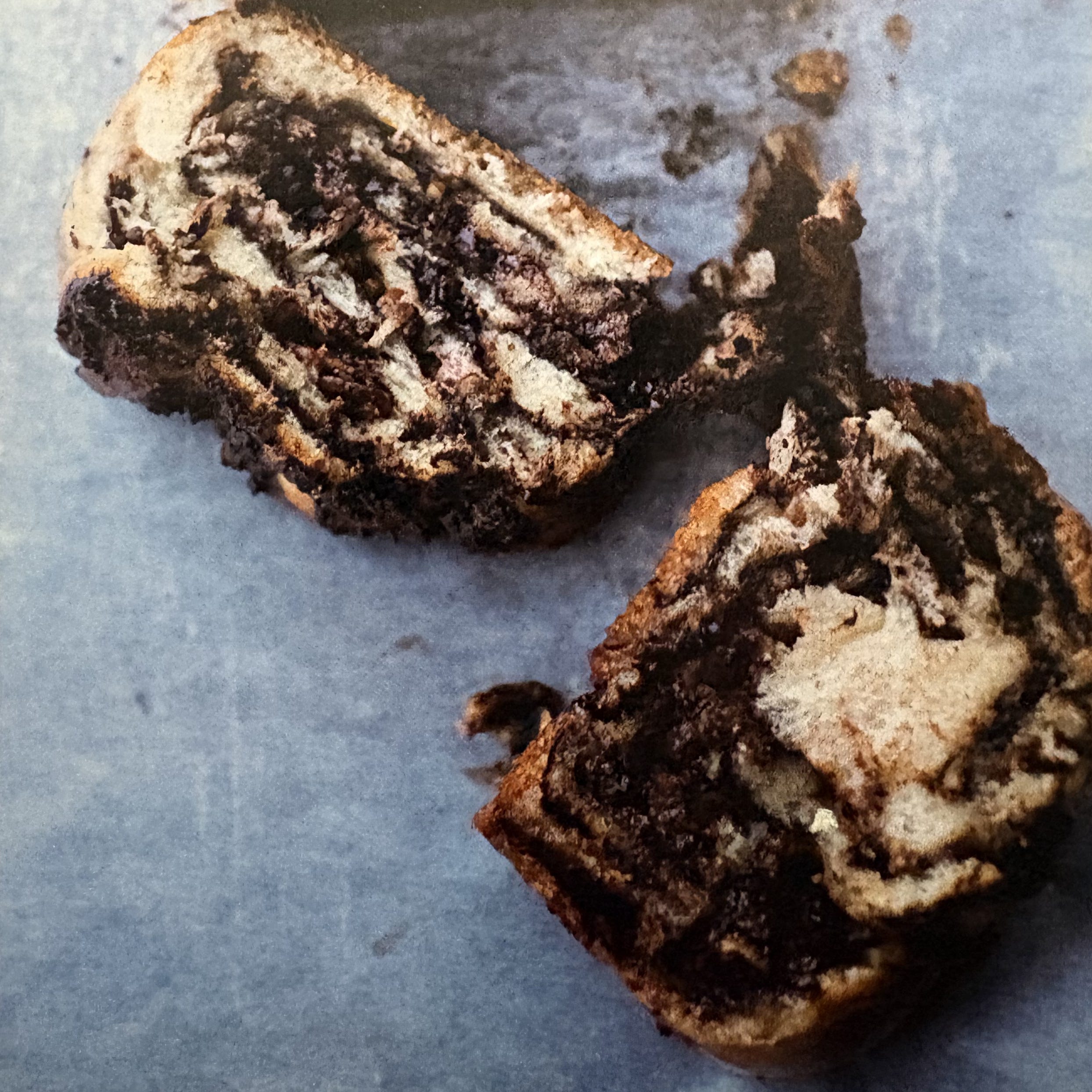
“You look like it’s been days you haven’t slept,” said Liora, serving Harry a plate of babka. “You’re shvitzing right through your clothes.”
To Rabbi Hoffman, Harry said, “I’m distracted with one concern, maybe it’s spiritual maybe it isn’t, but it’s something where I can’t quit worrying about it. I should be exuberant, but all I can think about are the heavy sacrifices I made to build my company. I haven’t done a single good deed since you made me bar mitzvah. Doing one really good deed—the thought’s all the time so loud in my mind I stay awake nights thinking of it. That’s what brought me to see you.”
“Tell me more about that,” said Rabbi Hoffman.
“Now that I can look back on this intense journey I struggled through to take a company public, I have to stop and do something that’s less about me. Something impactful.” Harry said.
“Our ancestors said the easy-to-do good deeds and the difficult-to-do ones need equal diligence. Big acts and the little acts are both important. You don’t know what their consequences will be.”
“The company I founded assists doctors. In my life, I cut short my own journey to achieving an M.D. So I’m establishing a scholarship for young people to become doctors. Through a private foundation, I’ll grant one full ride through med school to a new medical student every year.”
When Rabbi Hoffman saw the certainty in Harry’s conviction, they spent the rest of the morning discussing how Harry might get his scholarship endowment off the ground. Rabbi Hoffman shared with Harry the name of a woman at the office of the provost. Harry thanked Rabbi Hoffman for the contact, he promised to keep better in touch in the future, and the two said goodbye.
Many years later Harry saw the rabbi again.
Harry said to him, “My sister told me you’re dying.”
Rabbi Hoffman lifted a hand from his hospital bed to grasp Harry’s. He said to his former student, “It takes epochs to get any kind of appointment around here. They schedule you months and months out, and by the time they do see you, your condition’s gone from bad to worse. But enough about me. It’s wonderful to see you, Harry. How are you?”
“Well, serial entrepreneurship got to be too intense. I decided I’d rather invest in people’s ideas other than mine. Some years ago, I pivoted to venture capital and started my own firm. In fact, Forbes just interviewed me about our newest fund.”
“Mazel tov, and how goes that medical scholarship you whipped together?”
Harry paused, and his face drooped. “Rabbi, after the success of my first I.P.O. all those years ago, I felt over the moon. In celebrating, I took things really too far. The weekend when you saw me at your house, I was wasted off Belvedere, psychedelic mushrooms, and who knows what else. The truth is, I meant to give my driver the address to my sister’s house that morning. Instead, I mistakenly blurted out your address, which I still had memorized from when I took your Hebrew lessons. When you opened the door, and I saw where I was, I made up the whole scholarship story on the spot just to avoid embarrassment.”
The rabbi looked confused.
Harry continued, “I did consider the idea again later. But I couldn’t get past this thought of ‘How could anything worthwhile come out of the depraved situation I placed myself in that day?’ Of its own merit of course, giving charity so students can study medicine isn’t the worst plan, but every time I would review the scholarship idea, I’d remember what a drunken putz I made of myself when first I described it all out. And when your whole motivation for something is your own embarrassment, that’s never a solid foundation for something important.”
The rabbi raised a finger and said: “The patients who get better medical care because of your additional doctors, none of them ever will ask themselves what your motivations were. They aren’t going to see a shiker who partied too hard one weekend. They’ll see educated medical professionals who heal them. Origins aren’t destinies. Do the good deed. It doesn’t matter what reasons you had when you set out.”
Harry left his old rabbi’s hospital room then. On the way to the medical complex parking lot, his eyes fell on a sign pinned to a hospital bulletin board. Block letters at the top announced, “WE’RE HIRING DOCTORS.”
No posts
Comments
Nothing yet. Say the first thing.
Sign in to join the conversation.