
"Root Cause Analysis" is a mainstay of engineering.
A loss occurs
An investigation is opened
A "root cause" is found
The investigation closes
🎉 Organization celebrates a successful analysis
One of the underlying assumptions of root cause analysis is that... there is a root cause.
Before diving into an investigation, consider the "domain" your system is in.
Some systems are simple enough to (mostly) have a single root cause.

A single primary causal factor can be the main contributor to the loss.
Some systems are more complicated, and don't have a single root cause. There are "causal factors" and there are "contributing factors."
If you do a "root cause analysis" on a complicated system, you may find a "proximate cause" but there is not a single "root cause."
A "proximate cause" can be thought of as the causal factor that is nearest to the loss.

If the root system is the set of causal factors, and the soil is the set of contributing factors, then the trunk is the set of coinciding actions in the moment, and the branches are the set of consequences, and the Earth is the rest of the near-field system, but the system boundary can be drawn around many possible scales, star system, galaxy, galaxy cluster, and on and on and on.
Some systems are complex, and the concept of a single root cause ceases to have meaning. There are patterns to be discerned, and those patterns can give rise to emergent behaviors, but any attempt to influence the system will likely have unforeseen consequences.

Build a dam or levee to prevent future losses and there are downstream and upstream effects.
Some moments are chaotic, the ability to discern a cause and predict even a near-term future becomes impossible.
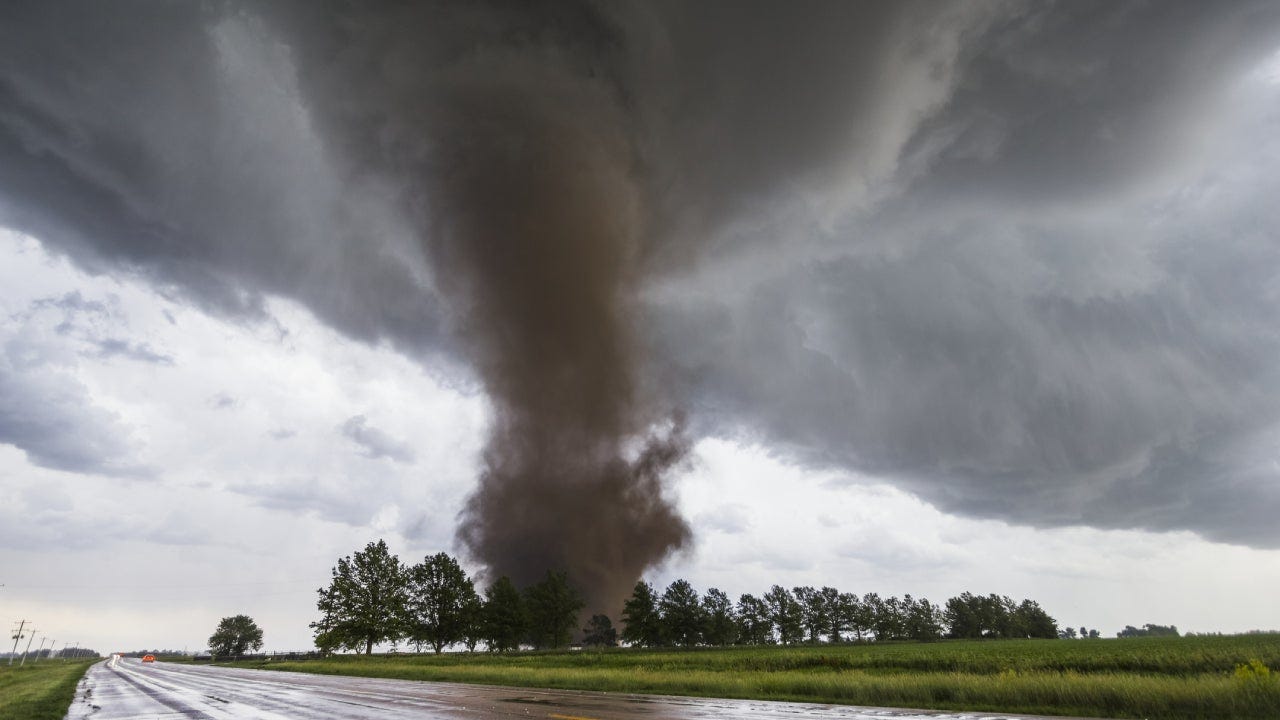
If you are in the midst of a chaotic system, this is no time for an investigation.
For more on distinguishing the domain of your system, see Cynefin (kuh-nev-in)
Comments
Nothing yet. Say the first thing.
Sign in to join the conversation.