
brave enough is a newsletter that pulls at the threads of modern life, exploring our relationship with technology, nature and one another 🦋
I am a relationship person, through and through. When I look back on my adult life, the times I’ve been in a relationship stand out as richer than the periods I’ve been single. That may not be the most fashionable opinion in our age of self-empowerment, but it’s the truth of my lived experience. I find life so much better with a companion.
While rigid expectations about marriage and children have (thankfully) changed in recent decades, most people in their late twenties, thirties and beyond still yearn to find a life partner. It’s a sad irony that our newfound freedom from the restrictive templates of the past has made the playing field far more complicated. Dating apps are a perfect example. From my perspective, online dating is a very useful way to meet new people. That is, until people begin using apps like Rizz and WingAI to generate opening lines and conversation replies. What’s more, new features on Hinge and Tinder now allow users to screen out potential matches based on traits like height and political beliefs. Once we actually match with someone, ‘pyschobabble’ from social media platforms like TikTok primes us to hunt for red flags instead of nurturing what’s working. As a result, many of my single friends drift, unmoored, from situationship to situationship, struggling to find a relationship that sticks.
My partner and I are closing in on a decade together. I’m often asked when I knew she was the one. This might be strange to admit as a married person, but I don’t believe in the one. I believe in something far more romantic – that there are many, many people out there whom you can feel deeply for. The trick is figuring out if the person you are dating is a person you should build a life with.
With this is mind, I spent some time reflecting on the relationship advice I’d give to someone trying to figure things out – the unfiltered, no BS, big sister edition. I hope what I share might prove useful to anyone in search of a “traditional” long-term partnership or marriage. If that’s not your path, then power to you. But if it is, you should know that there’s nothing basic or lame about wanting lasting love. We live in deeply unstable times, and I view relationships – both romantic and platonic – as our only true lifeline to survive the chaos ahead.
I peppered this essay with pictures of my all-time favourite fictional couples, because why not 💕
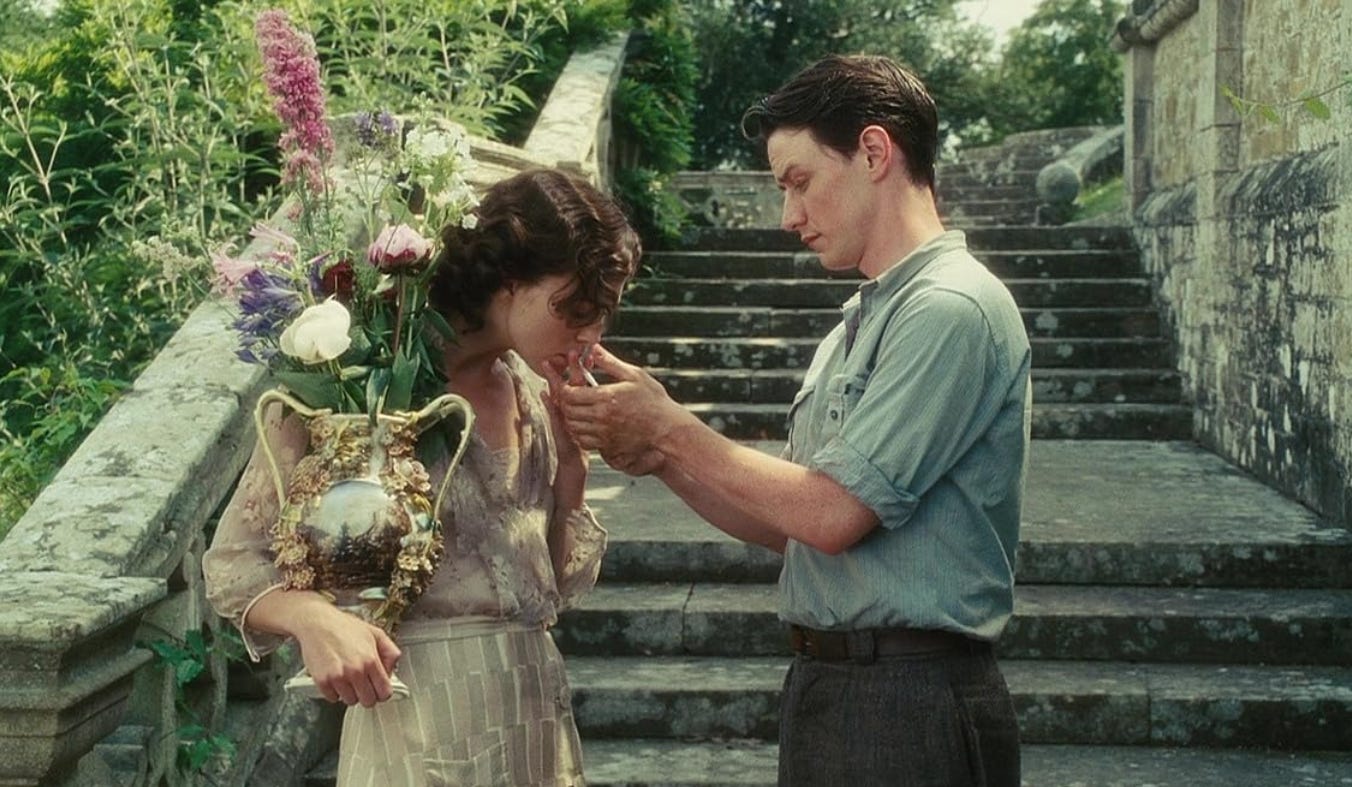
Many people search for a romantic partner in a one-dimensional way, focussing on physical attributes, status, or surface-level interests (“she’s hot” or “he goes to my running club.”) This is not to say that things like physical attraction and mutual interests don’t matter – they do – but true romance is so much more than just physical attraction or how much you like the look of a person on your arm. Long-term partnerships are forged on deeper, philosophical alignments about how you want to live your life. These values transcend the current moment and rarely change. If your values are at odds with each other, then the relationship is more than likely doomed. Some examples include:
Patient
Frugal
Likes spending money
Wants children
Intellectual, enjoys learning new things
Kinky
Adventurous, risk-taking
Outdoorsy
Focussing on values early is one of the best ways to figure out whether a relationship will work. I suggest reflecting on values that are important to you before you begin dating or have a crush on someone. Write a SHORT list in your journal or Notes app – please refrain from making a dizzying, thousand-point checklist of “requirements”. When you are dating someone you like, refer back to what you wrote as the relationship progresses, as many values take time to truly emerge. No person will ever hit all of the points, but in my opinion they should align with the majority of what you deem important. This will stop you getting blinded by looks, status or other factors which won’t always stand the test of time. I’ve shared this advice with friends over the years and it is very effective.
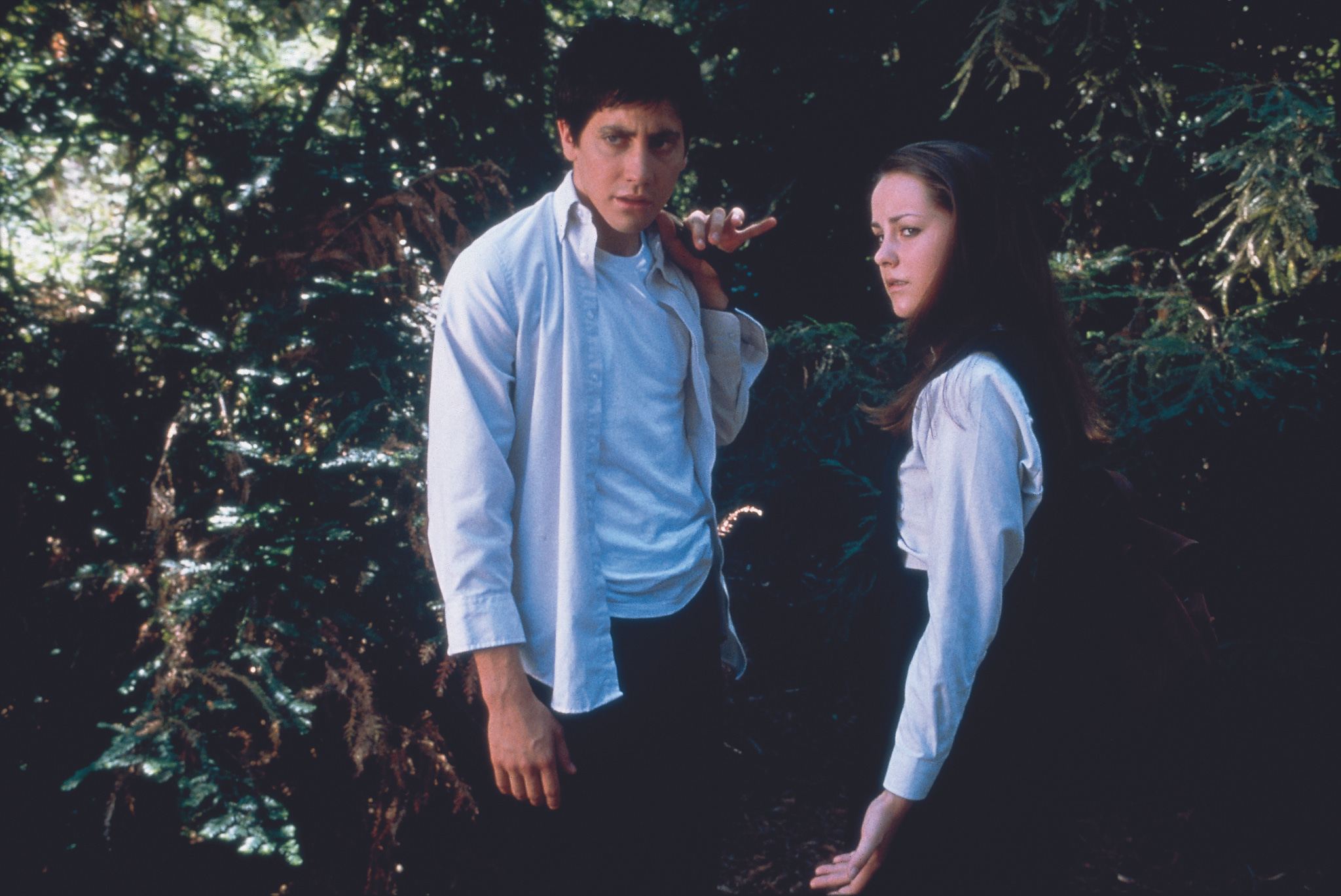
While it is true that some relationships can blossom after many years of knowing one another, in most cases the people you will date are new people. Young people these days are often told to be distrustful of instant chemistry: it’s a sign of love-bombing, of moving too fast. I find this deeply tragic, because the rush at the beginning of a relationship is one of the most magical phases and an important litmus test. Hitting it off immediately is a fantastic sign.
In my opinion, the best relationships, whether romantic or platonic, should feel almost effortless from the get-go. While it’s normal to feel nervous on a first date, there should never be long, protracted periods of silence where you struggle to find something to say to the other person. The boundary between you should feel thin, the conversation moving freely, your jokes building off one another. You shouldn’t leave with unease in your gut or uncertainty about how they made you feel. You should be bursting with energy, hungry to see them again.
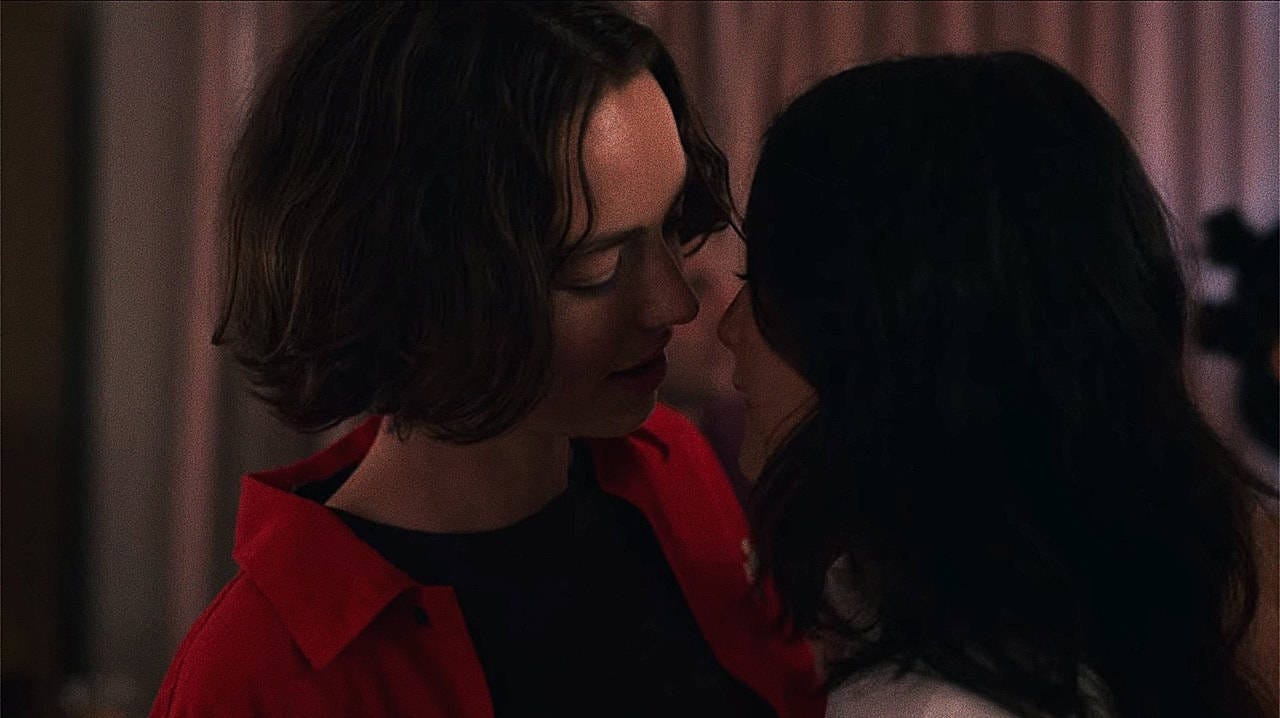
Safetyism, individualism and our obsession with trauma are overcomplicating relationships. I feel like I can’t have a conversation with someone about a relationship without hearing terms like “anxiously attached”, “INTJ”, or “trauma”. We speak in code, our words wrapped in bubble wrap. Watch any kind of reality TV (yes, I watched The Ultimatum Queer Edition – guilty as charged) and you’ll notice the wacky, indirect way they talk to each other. Everyone is “holding space”, “doing the work” or “setting a boundary”. This kind of language is particularly prevalent amongst Gen Z, who – thanks to TikTok and Instagram – feel the need to analyse and self-diagnose every facet of their personalities. From attachment theory to Myers–Briggs (or as my colleague calls it, “astrology for consultants”), we are obsessed with labelling and psychoanalysing ourselves and others.
The problem is that putting yourself and other people in predefined boxes gives you a scientific, clinical view of relationships. I am not anti-science or anti-psychology by any means, but I believe that relying on external frameworks to define how you feel about a person or how you act in a relationship is deeply limiting. Relationships should be guided by your intuition.

Another thing I notice about modern love, which I believe is a ripple effect from the explosion of labelling and therapy-speak, is the absolute unwillingness to sit with anything that makes you even the slightest bit uncomfortable. People my age are often unrelenting with who they date, expecting their partners to show up fully formed, flawless, and self-actualised. Self-love and self-protection, for all their benefits, have tipped slightly too far in the other direction. Now, many people have a zero-tolerance policy for anything less than perfect. I observe this constantly amongst my friends who are still dating. Misunderstandings are blown out of proportion. An unpopular opinion becomes a reason to block someone. A brief moment of getting the ick can destroy weeks or even months of genuine connection.
I hope it goes without saying that I am not advising anyone to excuse objectively unacceptable behaviour. Draw a red line through anything sexist, racist, aggressive, or anything else that is an absolute dealbreaker for you. However, notice if you have a tendency to nitpick, to demand perfection. Everyone is on a journey and inherently imperfect, including you. Instead of getting triggered whenever someone doesn’t meet your standards, try to turn disagreements and misunderstandings into a moment of deeper connection. One of the most powerful elements of partnership is that constant push and pull to make each other better. My most fulfilling relationships (and friendships) have been with the people who regularly challenged me to get over myself.
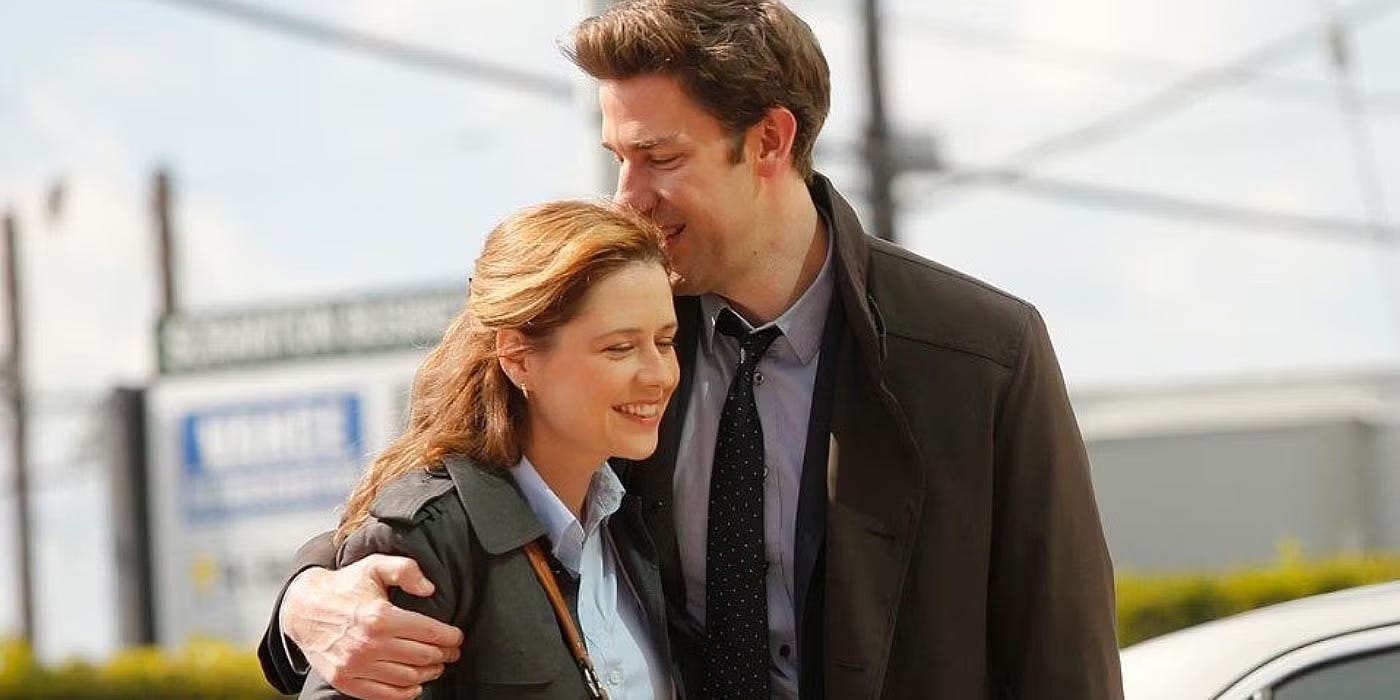
For some reason, queer people tend to be much better at this. There’s even an expression – U-Haul lesbians – poking fun at how quickly gay women move in together. I stand by this philosophy. Unless your specific intention is to never live with your partner, rip off the band-aid. If you see potential in the relationship, take steps to put it to the test sooner rather than later. Simulate moving in together by spending several evenings a week at each other’s apartment. Go on holiday together. Meet the parents. So many people drag these steps out unnecessarily, but if your goal is finding a long-term partner, then you need to find out if you truly work together. Once, a former colleague told me she hung out with her boyfriend of over 2 years just once every few weeks, despite living in the same city. If you need that much space from the person you plan to marry and live with one day, then perhaps it’s time to reconsider. (Spoiler: they didn’t last).
I think people avoid this because integrating your lives is where compromise kicks in, which is an essential part of any relationship. As the saying goes: being annoyed is the price you pay for companionship and community. So many of us fail to make compromises in relationships, but it’s unavoidable. You need to compromise on what movie to watch, where to go on vacation, what to cook for dinner, what to do after work, how to decorate your spaces. Giving up doing whatever you want all the time is part of all close relationships. Accept it.
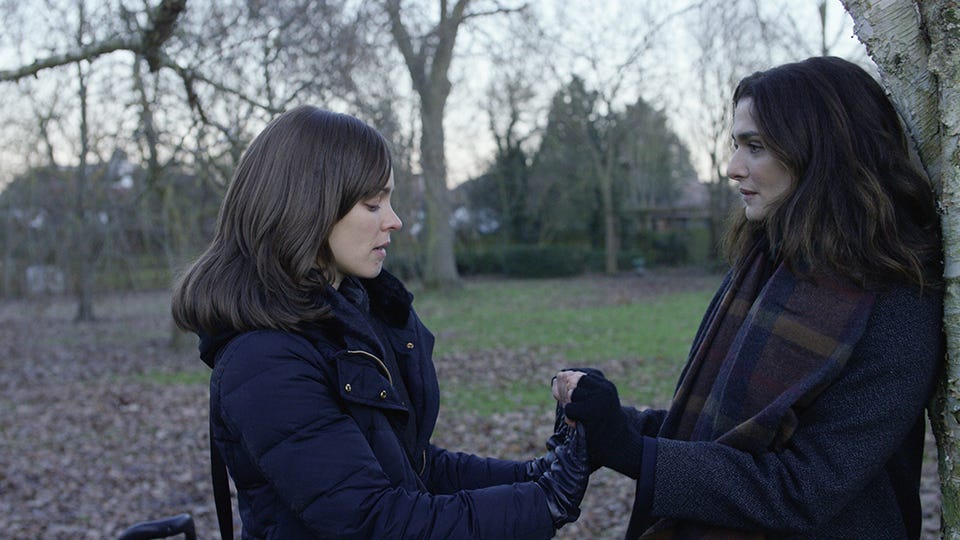
Trust no one. Dating apps destroyed courtship. Romantic love is a myth. Divorce rates are skyrocketing. Gen Z aren’t having sex. AI-powered robots are replacing real relationships. Everything we read about love and connection is steeped in cynicism these days. If you spend your time absorbing messages like these, then you will approach dating and romantic love with a fairly bleak perspective.
I am a firm believer that our mindset and internal world determines our worldview. For instance, I don’t believe that dating apps have ruined dating, because it contradicts what I see in real life every day. I met my partner of nine years on an app. Two close friends of mine, who recently got engaged, met on a dating app three years ago. One of my single friends, an absolute catch who is actively looking for marriage and kids, uses dating apps. If you internalise the narrative that nobody is looking for something serious, then that is what you will project. I choose to focus my attention on the people who are loyal partners, rather than circling the drain with people who couldn’t care less. When I see a video of someone talking about toxic relationships or cheating, I skip it and watch a proposal video instead. To quote Freya India: “My advice for girls growing up and becoming disillusioned is basically do the opposite of what we’ve been told. Watch old romantic movies, read classic love stories, play old love songs, listen to your grandparents. Fill your life with reminders of the good in the world.”
That’s not to say that you won’t get hurt. Relationships are high risk by nature. You will get let down, cheated on, left on read, ghosted. Everyone goes through it. Wear the bruises with pride. If your last string of relationships have been a series of disasters, rethink your approach. Ask a friend to set you up on a blind date. Join a club to meet new people. Swipe right on a person you’d usually turn down.
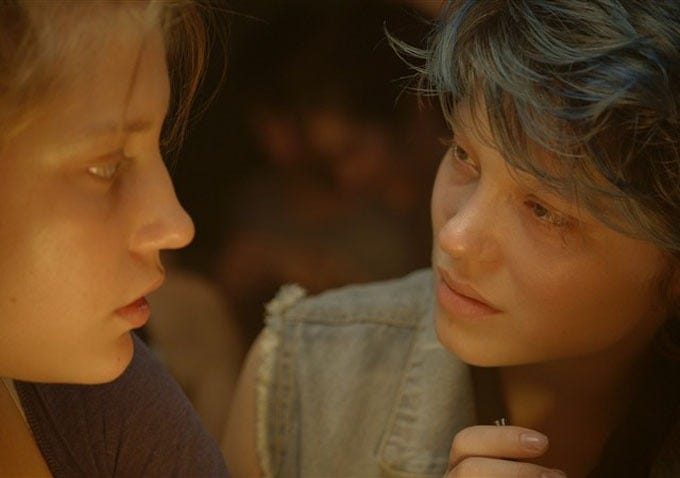
People romanticise the honeymoon phase and expect it to last forever. And sure, there’s nothing quite like those first few months when you can’t keep your hands off each other, when being separated to go to work feels painful, when you’re wearing rose-coloured glasses around the clock. When this fades, people often panic and feel like the relationship is over, when in fact it has really just begun.
What is even more special is the deeper intimacy that lies beyond. There is nothing quite like the quiet Sunday mornings where my partner and I read next to one another on the couch, content in each other’s company. The joy of watching new facets of their personality blossom is indescribable. Even arguments are different. In the first year of our relationship, I sometimes worried that a big fight would result in my partner and me breaking up. Now, I know that trivial arguments and bumps in the road are not a threat, because of the bedrock of security we’ve built. Don’t believe the haters – the strength of the partnership you forge with every passing year is something to look forward to.
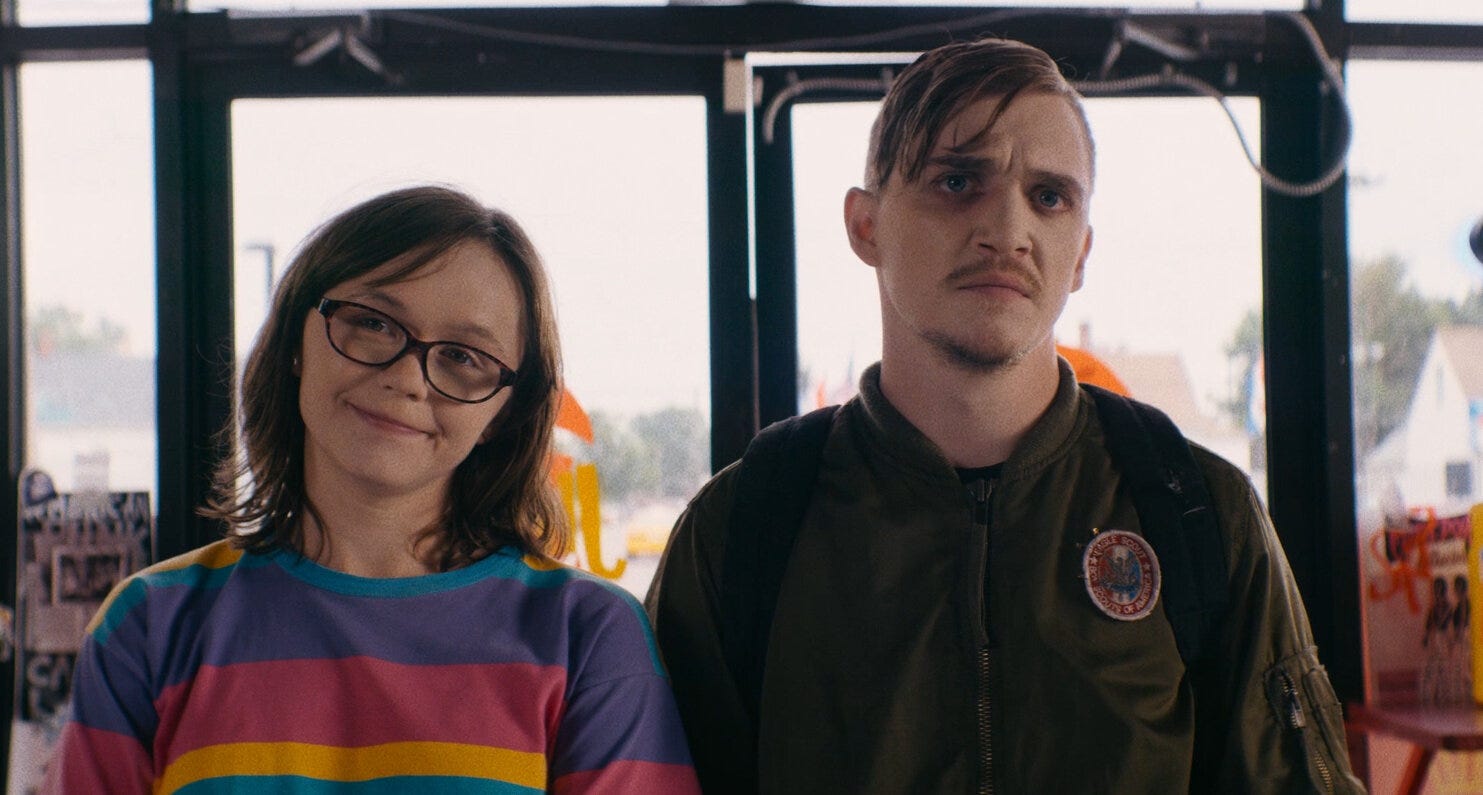
Monogamy isn’t in vogue. Living in Berlin as a married person sometimes makes me feel like I belong in the Bible Belt. I’m surrounded by people in polyamorous relationships, undefined situationships, and couples who frequent fetish clubs weekly. While I don’t have a problem with non-monogamous relationships – to each their own – I don’t agree with how they’re executed in most cases. My heart breaks whenever I hear about a couple who opened their relationship, with one partner clearly a more unwilling participant. Soul-destroying stuff.
In today’s world, non-monogamy is often celebrated as liberating, but I see it as a surefire way to introduce significant complexity into your life. What we define as physical and emotional intimacy is so nuanced, and even with established rules, people often get hurt. If you’re considering non-monogamy, it’s a decision to approach with seriousness, not as some kind of magic pill. Trust is hard-won and easily eroded.
I’m really interested to hear your thoughts in the comments.
What are some things that you’ve learned about love and relationships over the years?
What dating advice would you give to your younger self?
Who is your favourite fictional couple?
Finally – if you enjoyed this essay, please take a second to like and share it – it really helps me to reach new people. Thank you for reading ❤️
Comments
Nothing yet. Say the first thing.
Sign in to join the conversation.