
Cantilever is a curated music streaming service, subscribe to get our updates directly into your inbox.
Hi there,
It’s been a great week at Cantilever — uptake on our curated music streaming service has been even better than we’d hoped, thanks to everyone who has checked it out so far!
I’ve been really enjoying getting feedback from subscribers to this newsletter about their experiences with the app — so if you have any issues, queries, suggestions, please send me an email directly at aaron@cantilever-music.com and I will try my best to sort it out.
If you’re outside of the UK, or an Android user, we’re still working on getting our app available for you as a top priority. I will update you via this newsletter as soon as I can.
Streaming now on Cantilever
John Maus - Later Than You Think (2025)
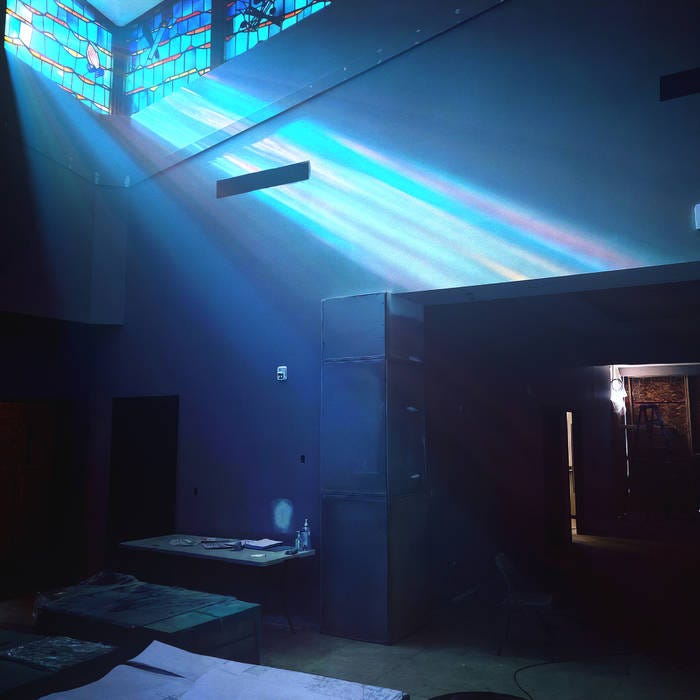
Speaking to John was fascinating. On the one hand he speaks (very quickly!) with a kind of gnomic wisdom about the concepts that guide his work, for example:
“Any time the claim is made to realise within history what can only be realised beyond it and the eschaton. That’s the spirit of antichrist.”
But at the same time, he was just as engaging when speaking about the down-to-earth foundations of the punk rock that inspired his brand of direct electro-pop and visceral performance style. “The truth is”, he said:
“coming up in the early 90s, the punk rock, the hardcore, all those guys were my reference point for what giving a show actually is. Outside of the normal comings and goings of life, you go into a room and there’s these people there who are just totally at the limit at what they’re physically capable of doing. It’s not the limit of some choreography, it’s just a guy punching himself in the head. That sort of thing. So it’s crude, it’s pathetic, it’s ridiculous, but that’s my milieu. Just guys smashing their instruments.”
If this sounds like your thing, John Maus plays O2 Kentish Town Forum tonight!
Nabihah Iqbal - DREAMER (2023)
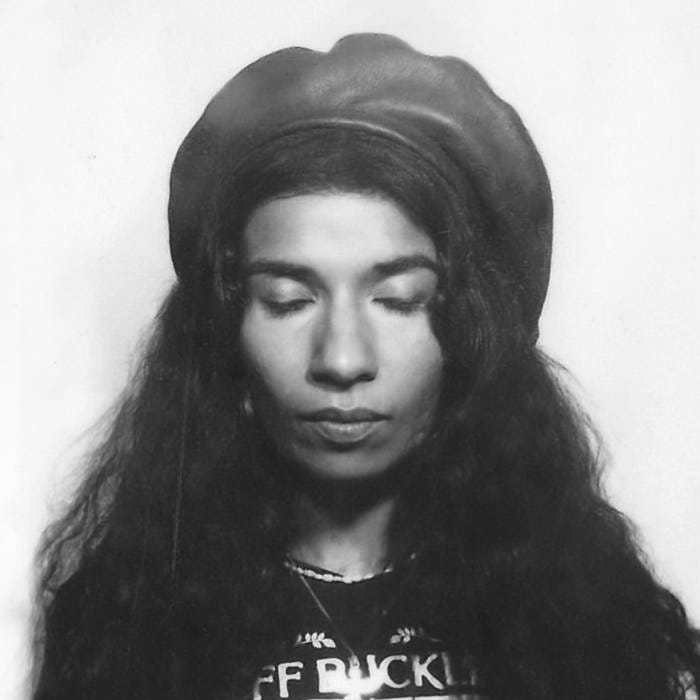
One of my major gripes with mainstream music streaming services (some are better than others in this department) is the lack of context you receive when you find a new album.
The context behind Nabihah Iqbal’s DREAMER is arguably very important.
In early 2020, her London studio was burgled and all her work was lost, including her forthcoming album. Soon after, she went to Pakistan after a family health emergency, before the pandemic forced the world into lockdown. Removed from her regular compositional processes and home city, she bought a harmonium and an acoustic guitar, going back to basics and making music in a more “patient” way. She explains:
“Normally, when you’re an electronic music producer, you go into the studio, switch your computer on and start working on Ableton or Logic. Whereas, I decided not to go near all that for ages. Instead, I had to let the ideas develop in my head.”
It makes you wonder what the album we would have heard if the burglary hadn’t occurred would sound like (reminder to any musicians reading this to store all of your work on the cloud!) And, given the majority of tracks on the record veer towards dream pop and electronica, it also makes me wonder exactly how these acoustic compositions ended up in such a radically different form, or whether the “patient” process was less the genesis of the actual tracks, and more of a guiding principle.
Either way, the idea of being more “patient” as a listener chimes with me. I am completely guilty of repeating a single track by an artist ad infinitum (I certainly did this for a long time with Iqbal’s track “Zone 1 to 6000” in 2017, absolute banger!) but what I personally enjoy about Cantilever is the gentle nudge it gives me to go into a body of work from the beginning and really sit with a record. This album in particular really rewards that experience. As it brings in different genres, moods and textures, it speaks to the album sequencing as a craft in and of itself — unsurprising given Iqbal’s DJ residencies on NTS, The Lot Radio and various BBC stations.
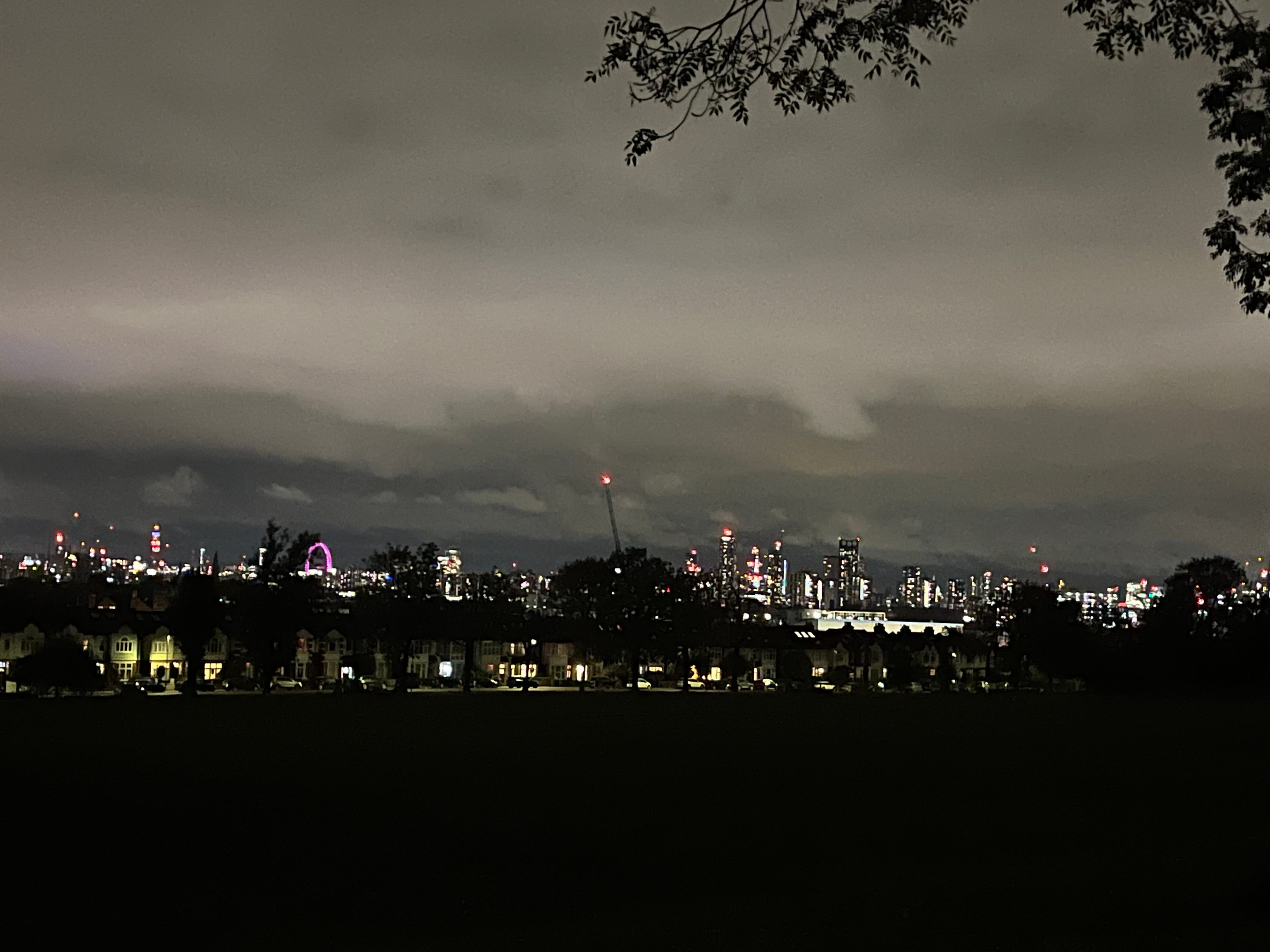
I listened to DREAMER on multiple evenings last week, jogging around the perimeter of Ruskin Park in Camberwell. It’s a very London record, fitting of a gloomy October London view.
Stereolab - Margerine Eclipse (2004)
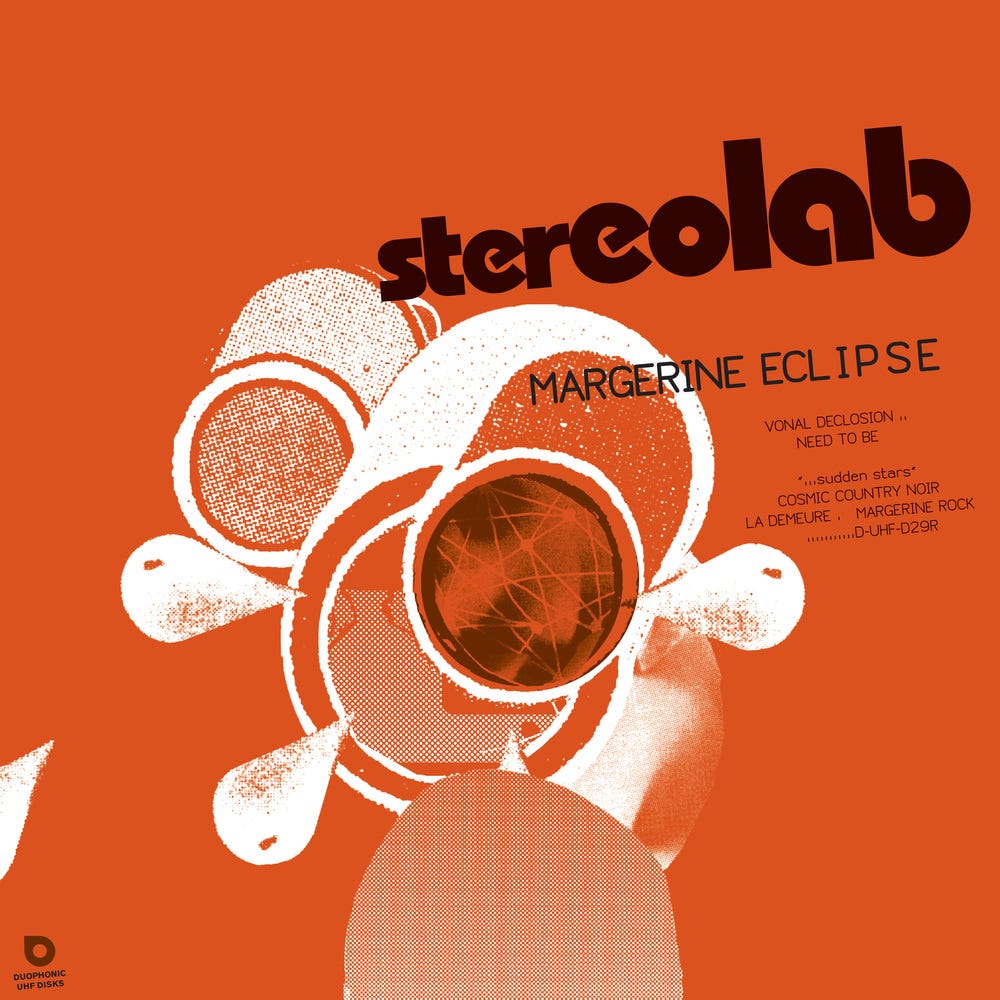
Written by Lottie Brazier, best known for her writing in The Quietus, this piece critically re-examines early 00s Stereolab, a time when the music press claimed the established avant-rock group were lacking new ideas. Lottie draws out the subtle innovations they were making in this period, especially the details of their “dual mono” approach to recording on Margerine Eclipse:
“Since the invention of stereo, mono recordings drastically fell by the wayside. Some bands like The Beatles preferred the original mono sound, most moved on. Mono, essentially, is to hear a sound as if all parts of the mix are coming from one central location – you hear the same sound through left and right speakers. With stereo, you hear different recordings through the left and right, which usually gives the sound a much more open and dynamic feel.
But instead of considering mono as a relic, Stereolab saw the creative potential of “dual mono”. On Margerine Eclipse, the band would record two different versions of the same track, with different arrangements. In its entirety, one recording of the song can be heard from the left speaker and the other from the right. The band couldn’t have used this in a more creative, explosive, and fascinatingly coherent way.”
Full feature, of course, on the Cantilever app.
There are no music videos from this album or period, but I was very interested to stumble across this video of Stereolab playing “Vonal Declosion”, Margerine Eclipse’s opener, at The Windmill, Brixton in 2008 - a famously just 150-cap venue. If there is anyone reading this who was there, I’d love to know the genesis of this show! Video below.
Stereolab tour the UK in December, much of which sold out very, very quickly. If you’re in Manchester or Wolverhampton, you can still get a ticket. If not, waitlist only. Website on the button below to check:
Click the button below to start your free trial and start streaming in a more “patient” way.
Comments
Nothing yet. Say the first thing.
Sign in to join the conversation.