
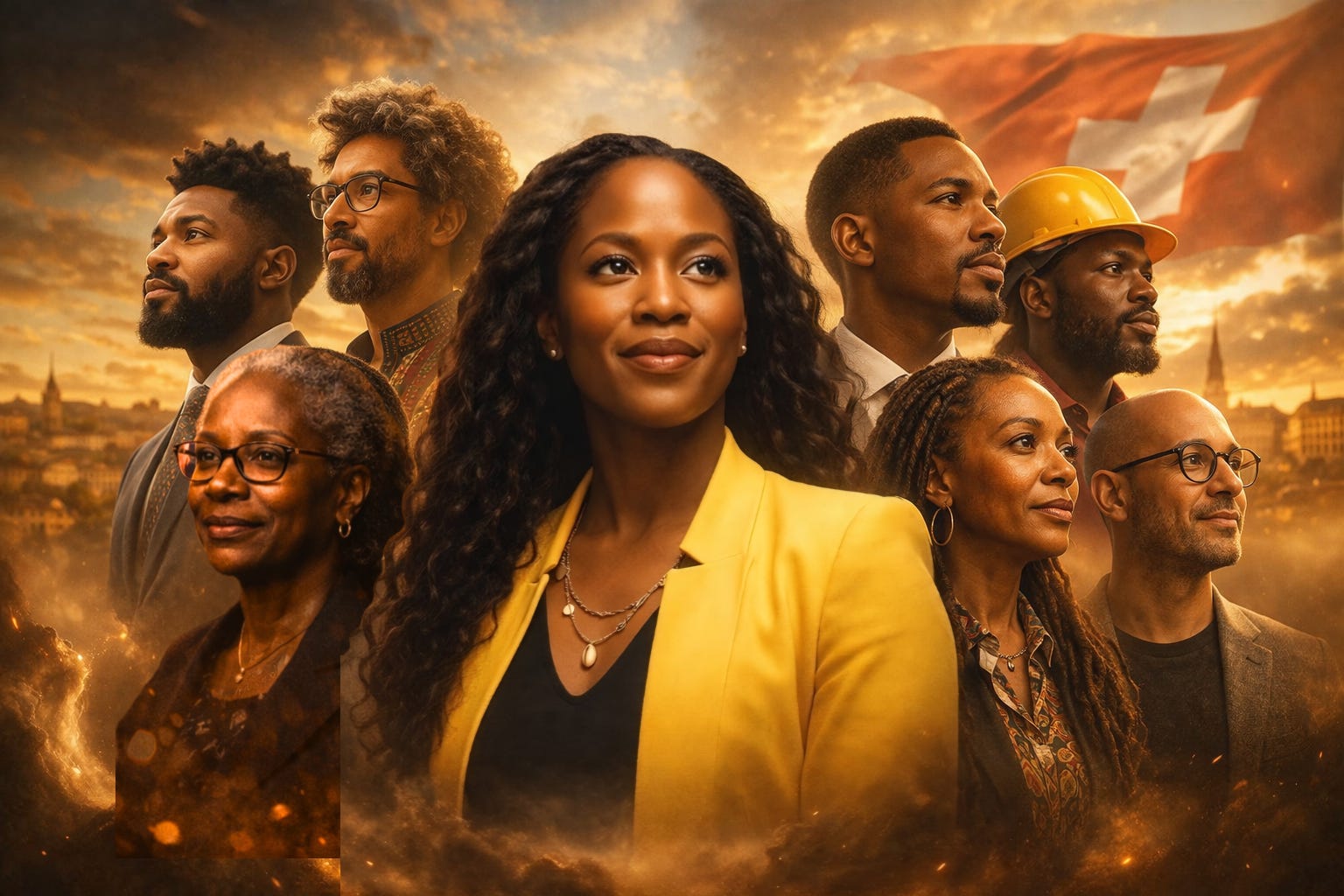
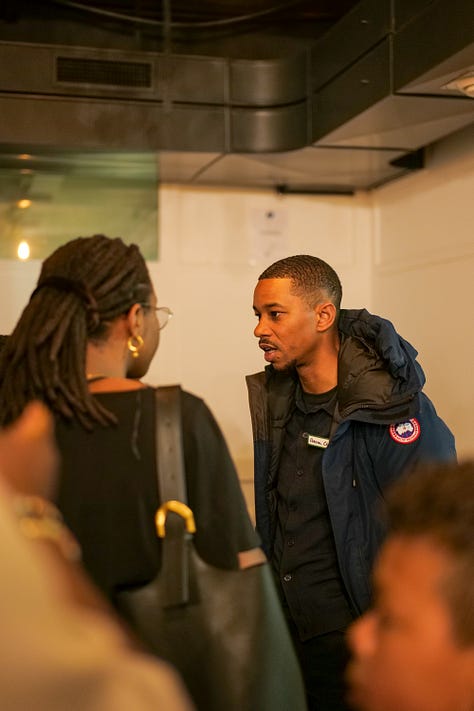
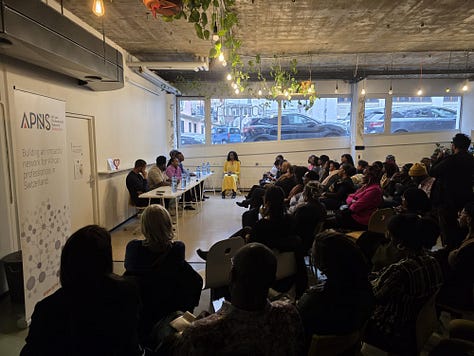
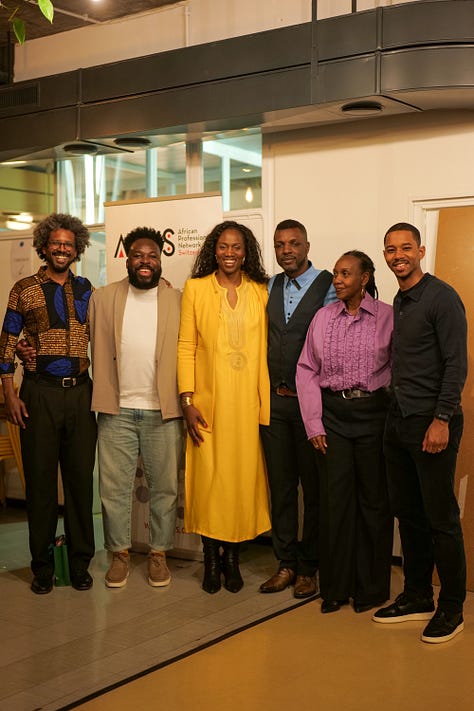
On March 28th, As part of the Semaine d’action contre le racisme (Action Week Against Racism - #SACR2026), I had the privilege of organising and hosting a town Hall on the theme.
“Breaking Barriers: From Education to Professional Advancement for Afro-descendants.”
It wa supported by the City of Geneva and FAANG, and we gathered for a Town Hall:
Professionals.
Students.
Parents.
Leaders.
The goal was to create a unique intergenerational space to transform shared experiences into concrete strategies for advancement and influence.
Different generations. Same questions. Same desire for a fulfilling professional life.
This event happened at a time when the “belonging” of Afro-descendants in Europe is being violently debated.
In France, the historic election of Bally Bagayoko as mayor of Saint-Denis, near Paris, was immediately met with a media storm of identity-based backlash. Meanwhile, here in Geneva, we are still reeling from the scandal at a major hospital institution, where a Black woman in a leadership role found “Négresse dégage” (“negress go away”)scrawled on her office door, only to be “reassigned” by her management shortly after.
Social psychologists call this Identity Threat, and is explained in this example about Barack Obama. When we challenge the implicit norms of who is “allowed” to lead, it triggers a defensive (racist, classist, sexist) reaction in others. But this is exactly why our space mattered: instead of reacting to the tension, we chose to center the trajectory.
The event was opened by Ahmed Jama, the President of the Geneva City Council.
Ahmed’s own story is the perfect antithesis to the current climate of exclusion. Arriving in Switzerland in 1997 as an asylum seeker from Sudan at age 13, his path from a newcomer to the highest legislative office in Geneva is a testament to what is possible when resilience meets opportunity.
And what he said set the tone immediately:
“Our trajectories are not always linear.”
“Access to opportunities is still unequal.”
“Representation doesn’t solve everything, but it expands the field of what is possible.”
Follow the Youtube link above to listen to the full version of his speech.
What made this conversation powerful were the stories behind the insights, because none of the panelists followed a “perfect” path.
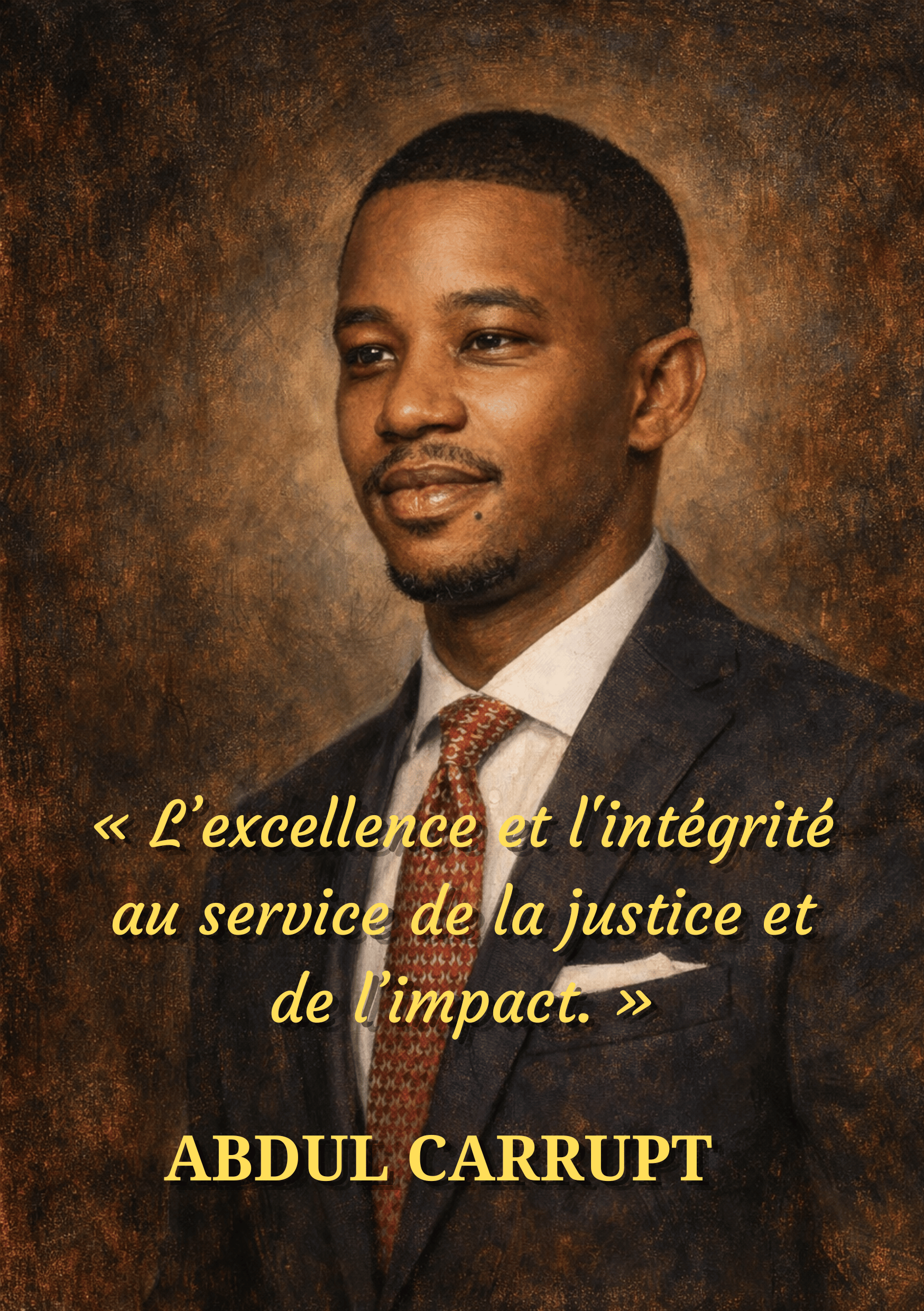
Abdul Carrupt and Narcisse Vieira didn't start in boardrooms. They started as athletes (boxing and football). For them, the "mental barrier" was set early: a teacher literally laughed at the idea of one of them succeeding in sports.
Abdul represented the Guinea Bissau national team in football, while Narcisse played at a very good level before an injury led him to reinvent himself entirely.
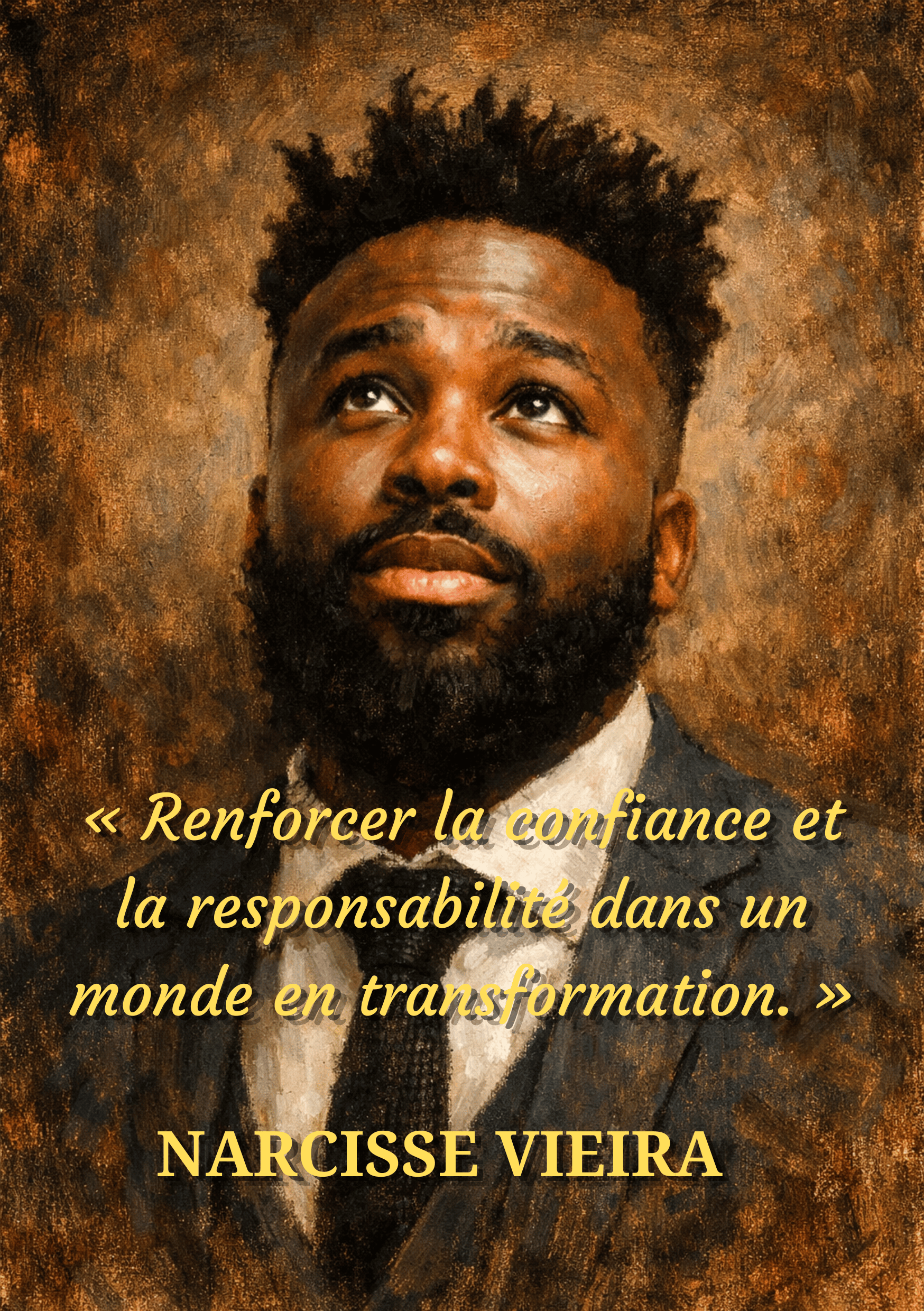
Today, tToday, Abdul is a Partner at Bär & Karrer (white-collar crime), and Narcisse is a Partner at PwC (Digital Assurance). They prove that the discipline of elite sports can help develop a “conqueror’s mindset” that dismantles any glass ceiling, refusing fairly early to “ let limitations become mental barriers.”
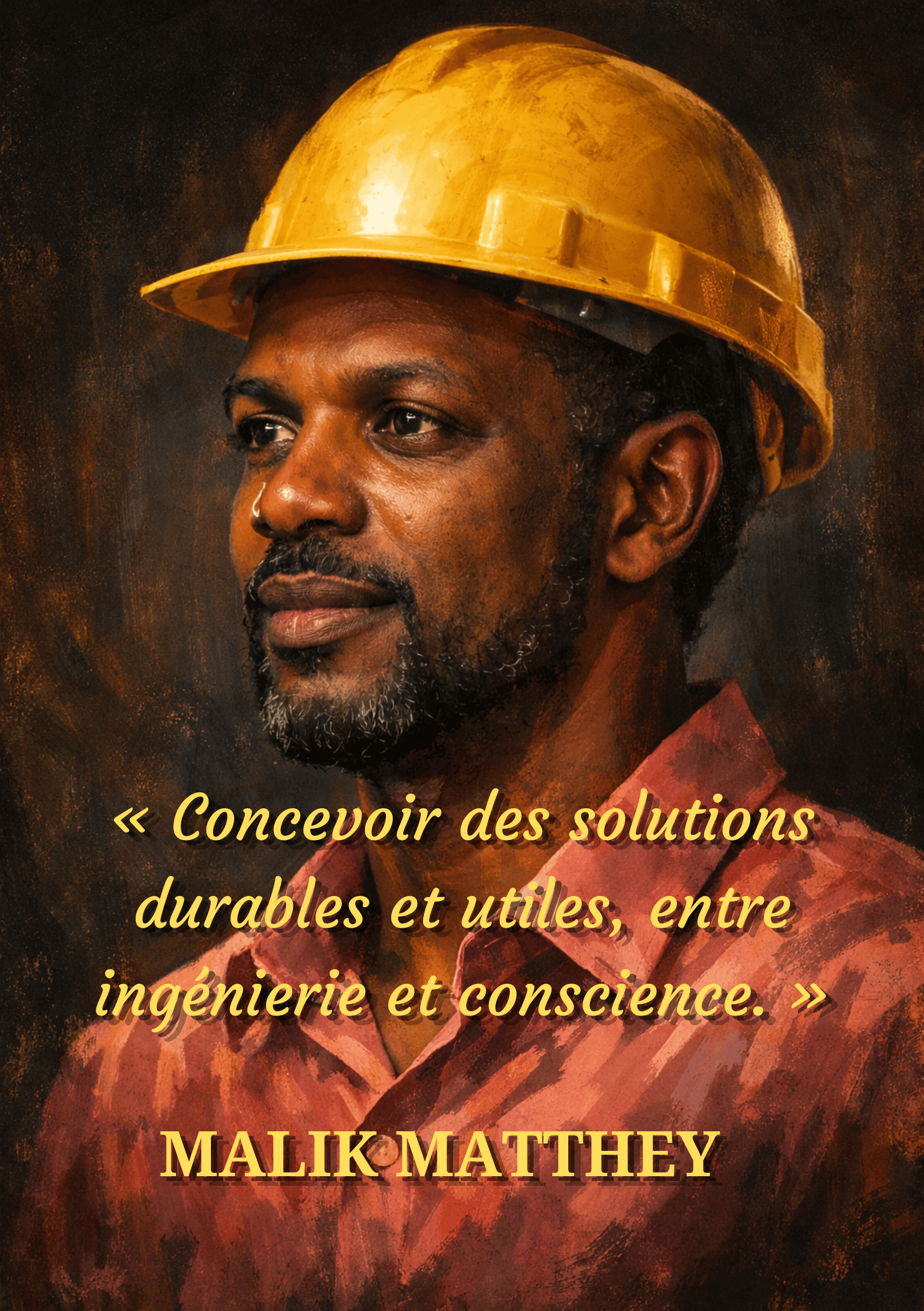
Malik Mathey once dreamed of the stars as an aspiring astronaut. But his "click" happened on the floor of a local supermarket. Working there for independence, he looked at the world around him and realized he wanted more. This clarity led him to the EPFL, where he trained as an environmental engineer. Today, as the founder of ISO-Consult, he specialises in building acoustics and sound insulation. he combines technical excellence with community impact via and subsequently built a career After years of high-level responsibility and building platforms to support other Afro-entrepreneurs, he chose the ultimate "out of comfort zone" move: launching his own firm. His journey reminds us that "meritocracy" is often a steeper hill for some, yet his success proves that technical excellence is a universal language
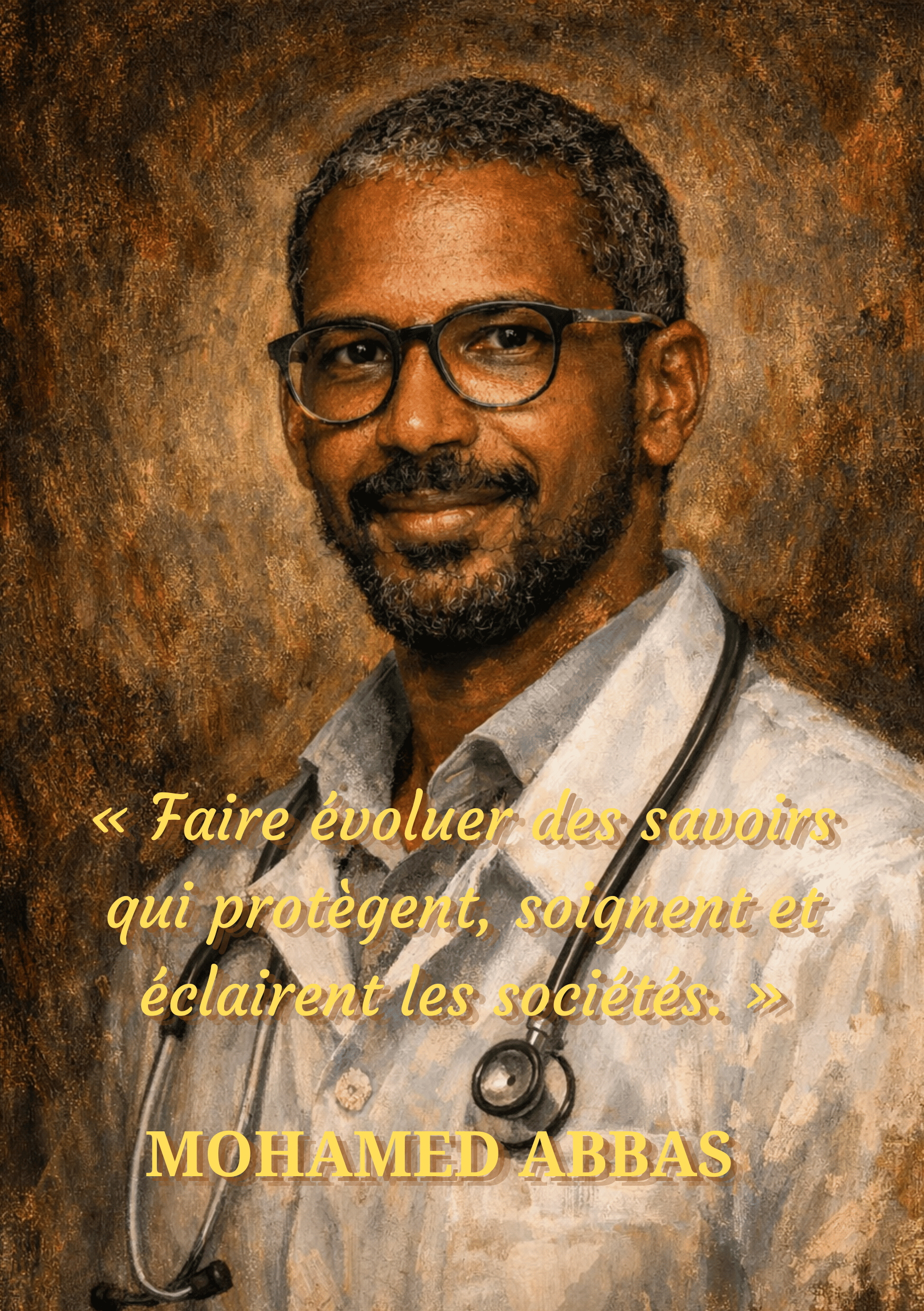
Mohamed Abbas seemingly had the "hustle" instinct in his DNA. As a child, he made his first money cleaning car windows in a supermaket’s parking lot with a friend. That venture was brought to a premature halt when his mother shut it down, leading him to refocus on science. His entrepreneurial spark never died; it simply evolved. Today, he is a prominent physician and researcher in Global Health, and the co-founder of the first network for Black doctors in Geneva.
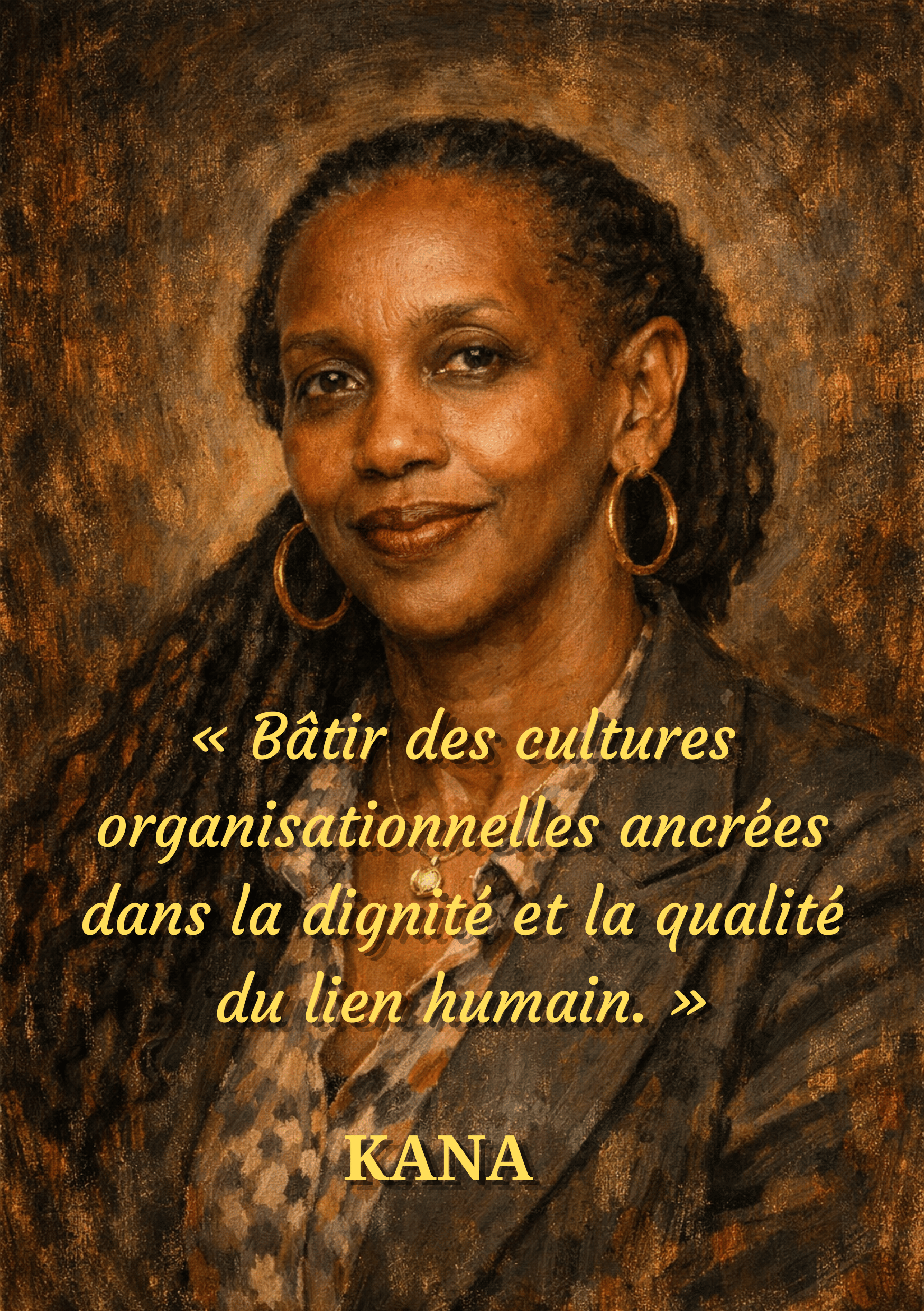
“I knew what I was capable of. But others did not see it.”
Kana described something many people in the room could feel. A HR professional and author who started her journey in complex international NGOs, she faced the "subtle ceiling" of short-term contracts and reduced expectations. Her secret? What she calls "stubbornness." She refused to let others define her worth, staying anchored in her conviction until the world caught up to her vision. Her story is a masterclass in reclaiming one's narrative.
Our speakers all have different paths, but share the same underlying principles:
Several panelists said it clearly:
“You have to check all the boxes.”
I.e. be excellent at school and go as far as possible, because it creates options. Deep expertise is the ultimate shield against bias.. it's about building a technical legitimacy that cannot be contested.
Almost every story included:
mentors
allies
safe spaces
networks
Because navigating these environments alone can be risky to your career, your sense of self, and your overall well-being. Networking isn't just "meeting people."It’s about creating an ecosystem that provides support, belonging, mentorship, and "insider info" that the formal system sometimes withholds.
Some experienced:
over-scrutiny
invisibility
tokenization
And yet, those who moved forward made the choice not to internalize limitations but to build from it. The lesson here is to stop trying to "fit in" at the cost of your identity. Our panelists moved forward by bringing their unique perspectives and values —like athlete discipline or multicultural storytelling—directly into their professional roles, turning what was meant to be a barrier into a unique leadership style.
At the end of the session, an audience member shared a much-needed reminder in the form of a quote by Toni Morrison:
“The function, the very serious function of racism is distraction. It keeps you from doing your work. It keeps you explaining, over and over again, your reason for being.”
The danger isn’t just the barrier; it’s losing your focus and your joy by staying isolated, constantly proving your worth, and fighting every battle alone.
But refusing to be distracted doesn’t mean being passive. It means using the power of our network and the resources at your disposal to ensure racist actions have consequences — so you can stay focused on building while the ecosystem handles the fight.
If racism is a distraction, then our excellence and solidarity are our most strategic response.
As Ahmed Jama concluded: “Let us build bridges where others still see barriers.”
So we do not just acknowledge the obstacles; we build over them and create a new and better path for ourselves and the next generations.
If you are navigating:
– complex professional environments
– leadership transitions
– identity tension
– or a season of doubt
You do not have to figure this out alone.
I created a space for that.
👉 Join my newsletter to stay informed about upcoming group coaching sessions and reflections, or reach out directly if you feel the timing is right.
A bientôt,
Candace Nkoth Bisseck
Coach • Strategist • Storyteller



Comments
Nothing yet. Say the first thing.
Sign in to join the conversation.