
(🇬🇧 version below)
🇫🇷
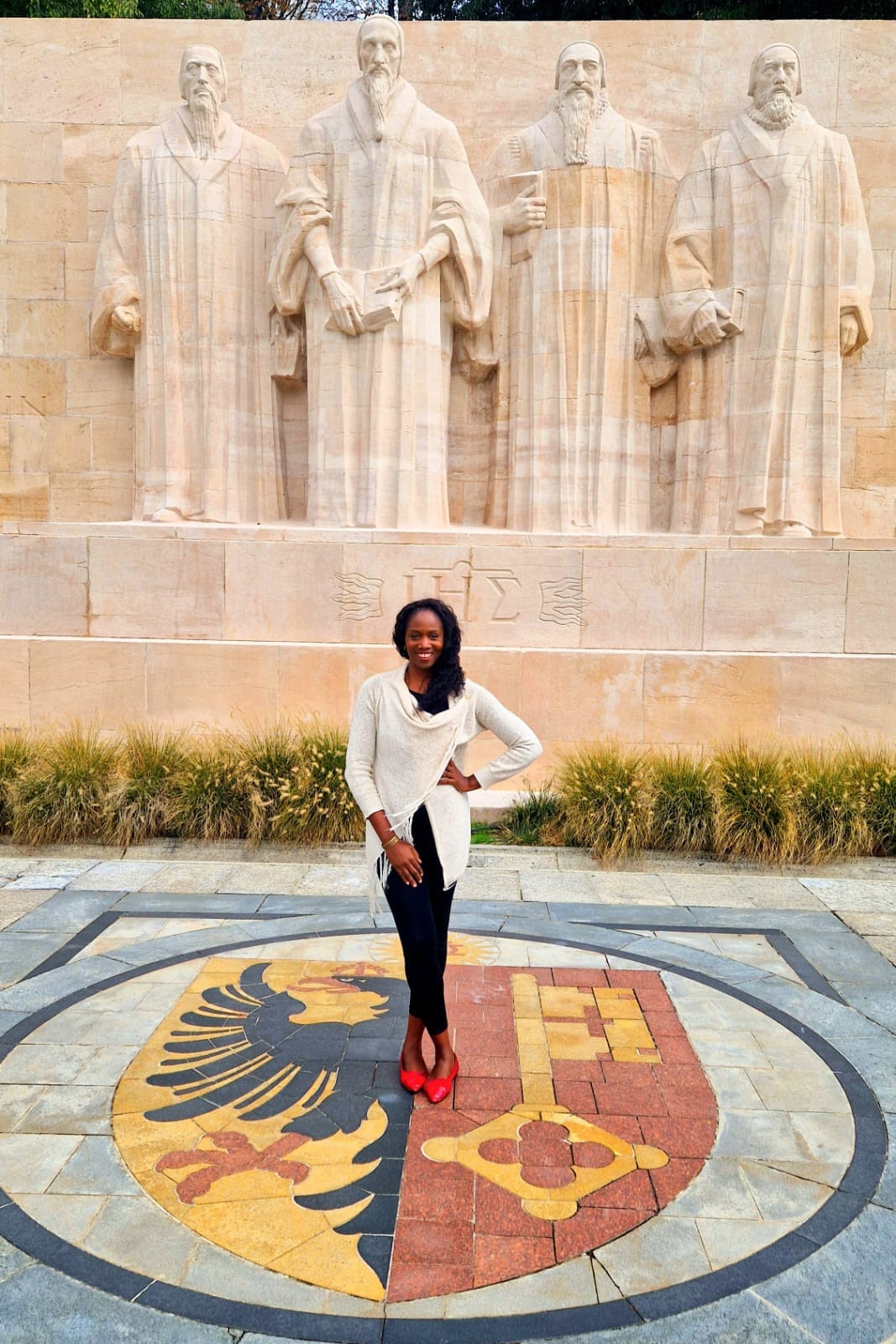
En fin septembre, j’ai eu le privilège de participer à une marche guidée dans la vieille ville de Genève, centrée sur l’héritage des Réformateurs. Organisée par Igor de Moraes et Livingstone, et pensée pour les entrepreneurs, cette visite m’a marquée et inspirée à plus d’un titre.
Comme beaucoup, j’ai eu un coup de cœur pour Genève lorsque je m’y suis installée.
Pour la première fois de ma vie d’adulte, j’ai senti que cette ville me correspondait : belle, paisible, multifacettes, proche de la nature et très internationale, mais jamais étouffante comme d’autres grandes capitales occidentales.
Ce jour-là, en écoutant notre guide, j’ai réalisé quelque chose : cette paix, cette rigueur et cette prospérité que nous prenons aujourd’hui pour acquises ne sont pas le fruit du hasard. Elles sont le résultat d’une transformation radicale (spirituelle, sociale et culturelle) amorcée il y a près de cinq siècles.
De la “ville qui sent mauvais” à la cité des principes
Au XVIᵉ siècle, Genève n’avait rien d’une carte postale.
On la décrivait comme une ville sale, pauvre, instable, marquée par la prostitution et la corruption. Selon certains récits, on la surnommait même “la ville qui sent mauvais.”
Mais en 1536, tout a changé.
Sous l’influence de Guillaume Farel, le Conseil de la ville adopta officiellement la Réforme protestante. Jean Calvin, jeune théologien français de passage, fut (assez fermement 😅) convaincu de rester. Apprenant dans l’âme, il n’avait aucune intention d’assumer un rôle politique ou administratif. Et pourtant, il allait poser les bases d’un écosystème durable.
Calvin n’a pas seulement prêché la foi : il a introduit une vision fondée sur des principes, et des valeurs simples mais révolutionnaires pour l’époque : l’éducation, la rigueur, la justice, la transparence et l’équité.
Dix principes simples, mais fondateurs
Selon les archives du Musée international de la Réforme, voici quelques-uns des principes clés qui ont façonné cette transformation :
Ces réformes ne concernaient pas seulement la foi.
Elles posaient les bases d’une société plus juste, plus responsable et, déjà à leur manière, plus inclusive.
📚 Éducation pour tous, hommes et femmes — une première historique.
🤝 Prise en charge des pauvres, reconnaissance du devoir de solidarité.
💼 Éthique du travail, valorisant la discipline et la contribution.
🛠️ Valeur spirituelle du travail ordinaire, chaque métier devenant service.
💰 Responsabilité économique et libre marché, encadrés par l’éthique.
⛪ Indépendance et responsabilité de l’Église, liberté spirituelle et responsabilité morale.
⚖️ Séparation des pouvoirs, prémices d’une gouvernance équilibrée.
🗳️ Processus électoral, premier pas vers la participation citoyenne.
🗣️ Culte dans la langue du peuple, pour que chacun comprenne et s’approprie la Parole.
📰 Conscience du pouvoir des médias, anticipation de l’influence de l’opinion publique.
Ces réformes étaient à la fois théologiques et profondément humaines.
Elles ont donné naissance à un écosystème fondé sur la responsabilité individuelle, la transparence, l’éducation, et la dignité du travail comme piliers de toute société qui veut durer. Elles posaient un socle moral et civique qui allait inspirer la gouvernance, l’éducation et la vie économique bien au-delà de la Suisse.
Et c’est là toute la beauté du message : même une ville décrite comme “celle qui sentait mauvais” a pu devenir un modèle mondial de stabilité et d’innovation !
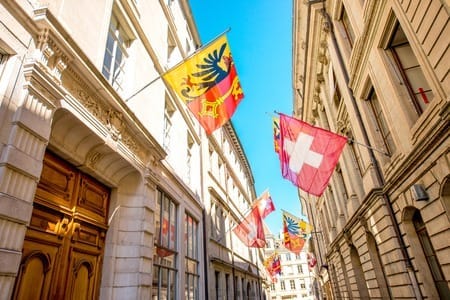
Une cohérence spirituelle et symbolique : le drapeau de Genève
Un autre point fascinant dans cette visite guidée, c’est de comprendre à quel point l’identité d’une ville peut être incarnée jusque dans ses symboles.
Le drapeau de Genève est divisé en deux moitiés :
à gauche, l’aigle impériale romaine, symbole de l’ancien pouvoir politique ;
à droite, la clé d’or, héritée du catholicisme médiéval, symbole de l’autorité spirituelle.
Au moment de la Réforme, ce symbole ancien a été réinterprété.
La clé n’était plus celle du pape ni de saint Pierre : elle représentait désormais le Christ seul, unique détenteur du salut.
La clé du Royaume n’appartenait plus à une institution, mais à la Parole.
L’aigle, de son côté, rappelait la liberté politique de la cité et sa vocation d’indépendance.
Ensemble, ces deux symboles racontent l’histoire d’un équilibre : entre foi et responsabilité, entre liberté et service.
Et au-dessus du blason figure une devise restée célèbre :
Post tenebras lux — Après les ténèbres, la lumière.
Une phrase simple, mais puissante, qui résume la vocation de Genève : sortir de l’obscurité morale et spirituelle pour marcher dans la lumière de principes solides.
Le levier de la durabilité : changer d’identité
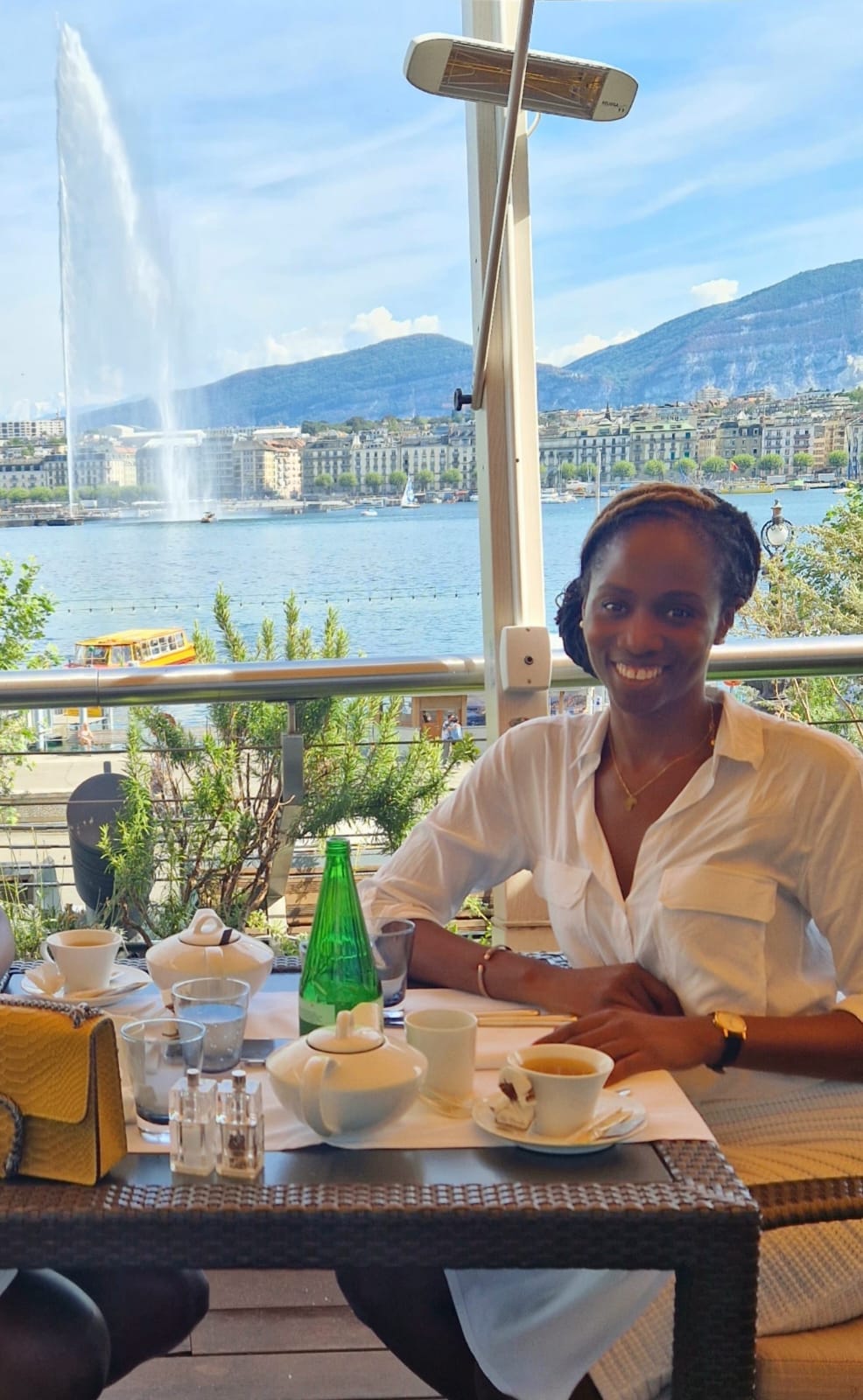
Le passage de Genève de la “ville poubelle” à un centre d’excellence et d’influence mondiale, n’est pas le fruit d’une communication habile ni d’un plan marketing bien ficelé.
C’est le résultat d’une transformation identitaire profonde, soutenue par des principes inébranlables.
La ville n’a pas seulement décidé de “faire mieux” : elle a décidé de devenir autre.
Elle a choisi d’incarner une nouvelle identité, centrée sur la probité, la responsabilité, la dignité du travail et la foi vivante.
Changer d’identité, c’est accepter que le passé ne détermine pas le futur.
Aucune histoire, aussi sombre soit-elle, ne condamne un individu, une organisation ou une nation. Mais le changement requiert le courage de se réaligner sur les bons principes — encore et encore.
« Ne pensez plus aux choses passées, ne considérez plus les événements d’autrefois.
Voici, je vais faire une chose nouvelle ; elle germe déjà, ne la voyez-vous pas ?
Je mettrai un chemin dans le désert et des fleuves dans la solitude. »
— Ésaïe 43:18-19
💭 Réflexion
Que vous inspire ce récit ?
Peut-être est-ce un rappel que :
Le passé (aussi chaotique ou douloureux soit-il) ne détermine pas l’avenir.
L’intégrité, la vision et une foi inébranlable peuvent rebâtir non seulement des vies, mais des systèmes et des nations entières.
Si vous avez apprécié cette histoire, partagez-la avec un ami en Suisse ! 🇨🇭😉
J’accompagne les talents et les leaders en transition dans leur mission de retrouver clarté, courage et impact, en s’appuyant sur des principes qui transcendent le temps.
📬 Rejoignez ma chaîne WhatsApp pour recevoir mes notes vocales, inspirations hebdomadaires et futurs programmes !
A bientôt,
— Candace Nkoth Bisseck
Coach | Stratège | Conférencière | Storyteller
🇬🇧
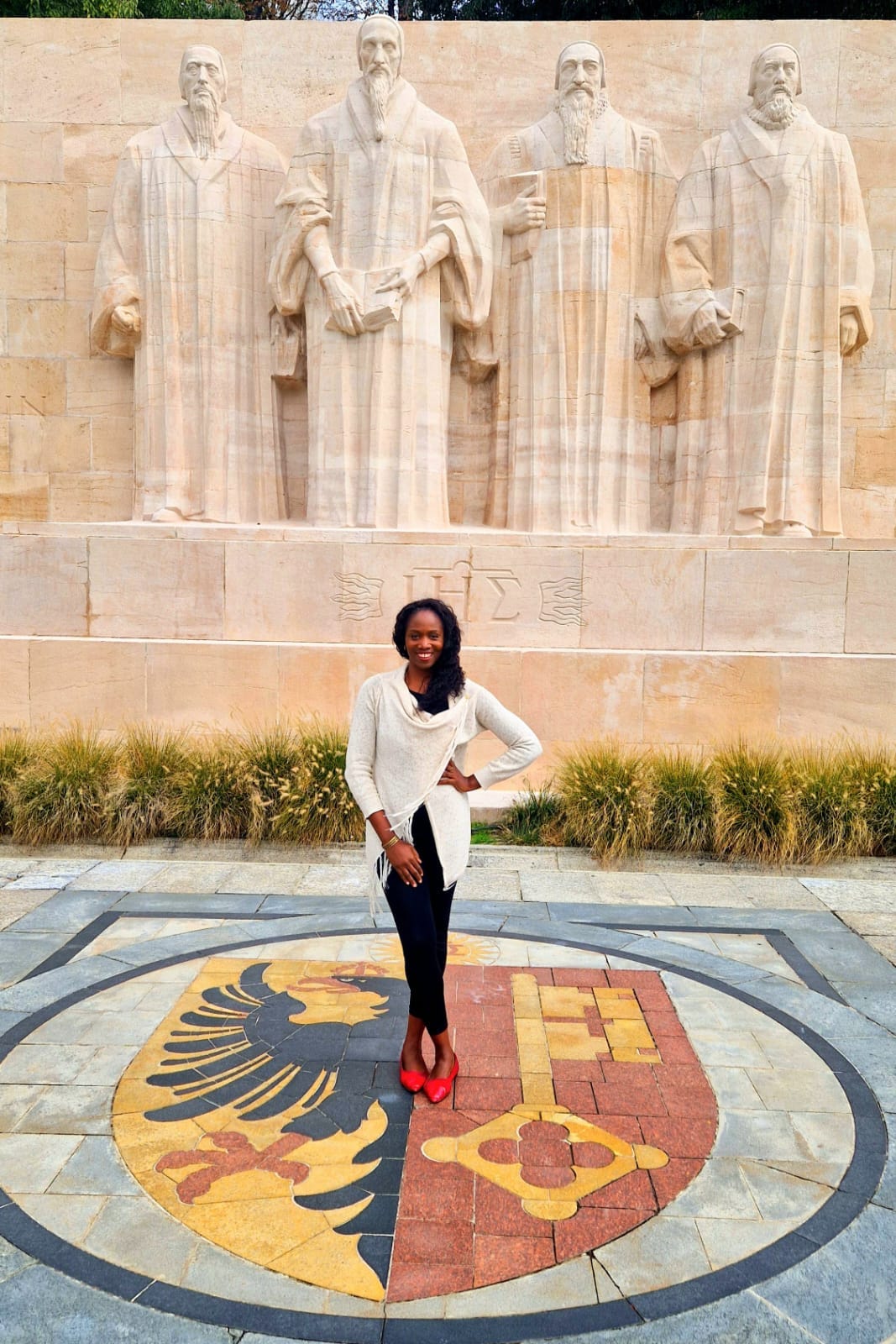
It Doesn’t Matter How Bad You Think Your Past Is – Lessons from Geneva’s History
At the end of last September, I had the privilege of joining a guided walk through Geneva’s Old Town, focused on the legacy of the Protestant Reformers. Organized by Igor de Moraes and Livingstone, and designed for entrepreneurs, this experience left a deep and lasting impression on me.
Like many others, I fell in love with Geneva when I moved here.
For the first time in my adult life, I felt that a city truly reflected who I was: beautiful, peaceful, multifaceted, close to nature, and deeply international—yet never overwhelming like other major Western capitals.
That day, listening to our guide, I realized something profound:
the peace, rigor, and prosperity we take for granted today are not accidental.
They are the result of a radical transformation—spiritual, social, and cultural—that began nearly five centuries ago.
From the “city that smelled bad” to the city of principles
In the 16th century, Geneva was far from a postcard image.
It was described as dirty, poor, unstable, marked by prostitution and corruption.
Some accounts even referred to it as “the city that smelled bad.”
But in 1536, everything changed.
Under the influence of Guillaume Farel, the City Council officially adopted the Protestant Reformation. John Calvin, a young French theologian passing through, was (quite firmly 😅) persuaded to stay. A scholar at heart, he had no intention of taking on political or administrative power. And yet, he would go on to lay the foundations of a lasting ecosystem.
Calvin did not just preach faith; he introduced a vision built on principles, simple yet revolutionary values for his time: education, rigor, justice, transparency, and equity.
Ten simple but foundational principles
According to the archives of the International Museum of the Reformation, here are some of the key principles that shaped this transformation:
These reforms were not only theological; they laid the foundations of a more just, responsible, and—in their own way—more inclusive society.
📚 Education for all, men and women (a historical first).
🤝 Care for the poor, recognition of social responsibility.
💼 Work ethic, valuing discipline and contribution.
🛠️ Spiritual value of ordinary work, every vocation as service.
💰 Economic responsibility and free market, framed by ethics.
⛪ Independence and accountability of the Church, spiritual freedom with moral responsibility.
⚖️ Separation of powers, early signs of balanced governance.
🗳️ Electoral participation, first steps toward civic involvement.
🗣️ Worship in the language of the people, so that all could understand and own the Word.
📰 Awareness of the power of media, anticipating the influence of public opinion.
These reforms were both theological and profoundly human.
They gave birth to an ecosystem grounded in personal responsibility, transparency, education, and the dignity of work—the pillars of any society that seeks to endure.
They provided a moral and civic foundation that would later inspire governance, education, and economic life far beyond Switzerland.
And that’s the beauty of it: even a city once known as “the one that smelled bad” became a global model of stability and innovation!
Spiritual and symbolic coherence: the flag of Geneva
Another fascinating insight from this visit was realizing how deeply a city’s identity can be embodied in its symbols.
The flag of Geneva is divided into two halves:
on the left, the imperial Roman eagle, symbol of former political power;
on the right, the golden key, inherited from medieval Catholicism, symbol of spiritual authority.
At the time of the Reformation, this ancient symbol was reinterpreted.
The key was no longer that of the Pope or Saint Peter—it now represented Christ alone, the sole holder of salvation.
The key to the Kingdom no longer belonged to an institution, but to the Word itself.
The eagle, on the other hand, recalled the political freedom of the city and its calling to independence.
Together, these two symbols tell the story of balance—between faith and responsibility, between freedom and service.
Above the coat of arms stands a phrase that has endured through the centuries:
Post tenebras lux — After darkness, light.
A simple but powerful declaration that captures the essence of Geneva’s vocation: to rise from moral and spiritual darkness into the light of enduring principles.
The lever of sustainability: changing identity
Geneva’s transformation—from “a city in decay” to a center of excellence and global influence—was not the result of clever communication or polished marketing.
It was the fruit of a deep identity shift, supported by unshakable principles.
The city did not merely decide to do better; it decided to become different.
It chose to embody a new identity, centered on integrity, responsibility, the dignity of work, and living faith.
To change identity is to accept that the past does not define the future.
No story, however dark, condemns a person, an organization, or a nation.
But transformation requires the courage to realign with the right principles—again and again.
“Forget the former things; do not dwell on the past.
See, I am doing a new thing!
Now it springs up; do you not perceive it?
I am making a way in the wilderness and streams in the wasteland.”
— Isaiah 43:18-19
💭 Reflection
What does this story inspire in you?
Maybe it’s a reminder
That the past—however messy or painful—does not determine the future.
That integrity, vision, and steady faith can rebuild not only lives, but entire systems and nations.
If you enjoyed this story, share it with a friend in Switzerland! 🇨🇭😉
I support leaders and talents in transition who seek to regain clarity, courage, and impact—grounded in principles that stand the test of time.
📬 Join my WhatsApp Channel to receive weekly voice notes, inspiration and update son my future programs !
A bientôt.
— Candace Nkoth Bisseck
Coach | Strategist | Speaker | Storyteller
Comments
Nothing yet. Say the first thing.
Sign in to join the conversation.