
I recently discovered there is an audiobook version of Pliny the Younger’s letters and though I don’t recommend this as a first experience with the letters, if you are well familiar with them they are a comfort. Sometimes I struggle to leave the flat, and the audio version has been helping me. I listened to them on a train to Glasgow, and to the grocery store. How rude is the man Pliny criticises who gives different qualities of food and wine to different guests at a dinner party depending on their status! It seems like such an ‘ancient’ thing for someone to do, but I remember a ‘wedding shame’ reddit thread of some American couple doing the same not too long ago at their wedding, we are so blingy, greedy and status obsessed that moralising Romans are certainly good guides.
A part which stuck out and made me very sad this time, as I recently learned the story of Lucius Calpurnius Piso Frugi Licinianus (heir to Galba) who was killed by Otho (wore a toupee) in a temple: Pliny mentions some gossip about the now old Piso’s widow (who begged for his head after he was murdered) being financially scammed on her deathbed by an enemy of her dead husband who pretends to read her fortune.
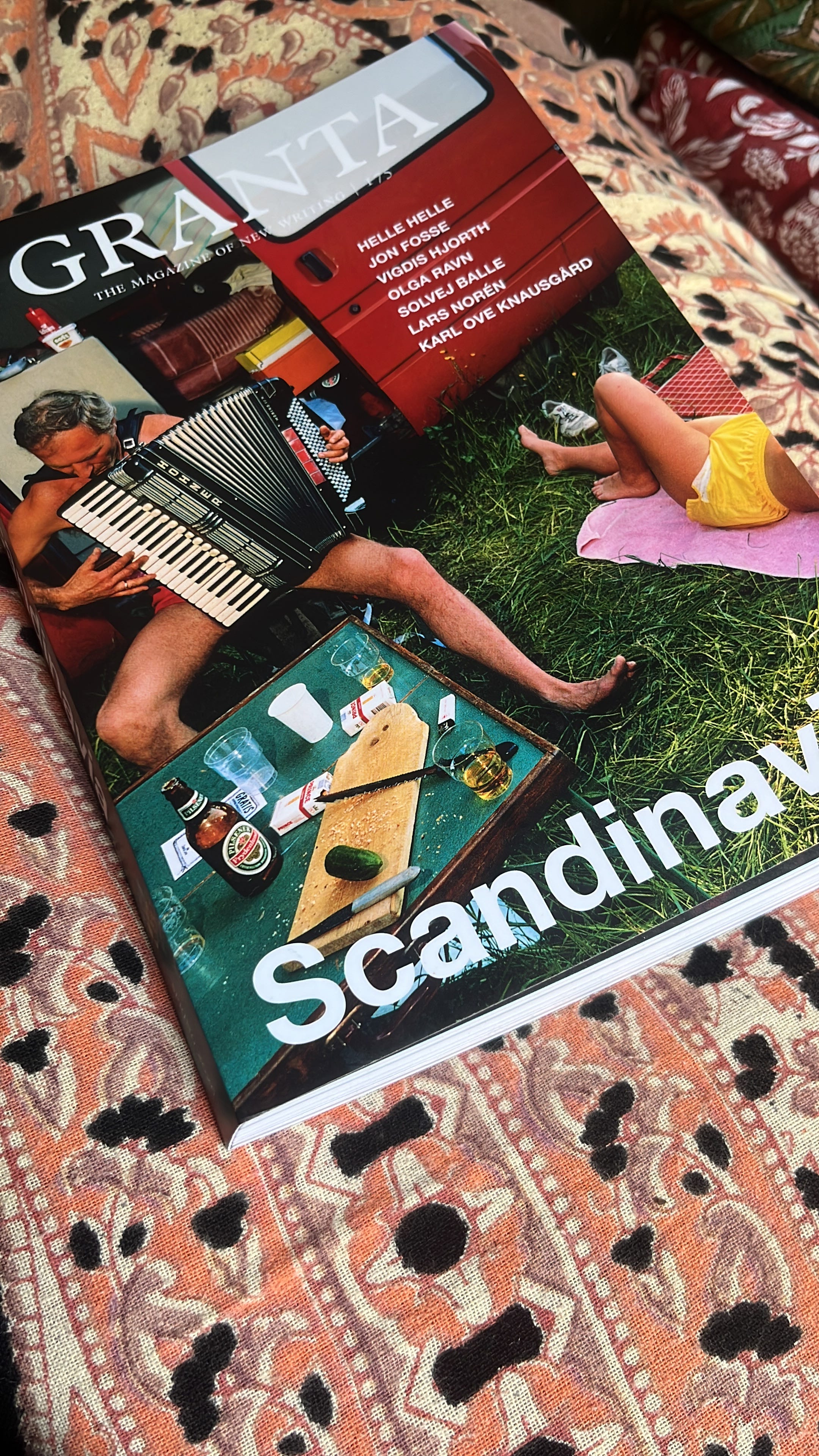
In the new Scandinavia issue of Granta Magazine, there is a wonderful essay by Knausgaard on the Norwegian writer Tarjei Vesaas and about writing literature in general. It is worth buying the issue just for it. “Most books remain in the world in which they were written, representing that world and not much else, and they are left behind when the world changes” Knausgaard writes. Literature feels concerningly up in the air right now for many reasons but thank goodness for Knausgaard, his essay has sort of shielded me spiritually this week.
As I have written before, I only like to read the New Yorker if the issue is out of date by some months or years. This piece on Catullus is excellent.
I also enjoyed Andrew O’Hagan on celebrity couples, in a New Yorker article from 2023, I was holding my breath for him to mention Muriel Spark, and though he didn’t mention The Public Image, the great novel on celebrity couples, he mentioned the film adaptation of The Driver’s Seat starring Elizabeth Taylor. O’Hagan quotes what Spark said of her casting ‘ She looked less like someone who wanted to be killed and more like a woman in search of a Martini.’
A conversation with a friend on how a ‘white marble’ ancient world is still fetishised the way it was in the 18th century and perhaps moreso because of Donna Tartt’s New England starkness, though things were painted and garish, made me return to the infamous Caligula film which you can now rent in a ‘ultimate cut’ version which has the gratuitous pornography put in by the producer removed as it had caused many involved in the project to disown it on its original release.( I don’t know though, have you browsed the frescos of Pompeii and Herculaneum? )Between Caligula and Fellini’s Satyricon I wonder if the 70s were more keen to meet Rome on its own terms or that the 70s which I think of as very red and purple, had a particular affinity with periods of Roman decadence. There is makeup, which there was, and wigs and colour and great lashings of incense and over the top foods. As I said before I think Caligula’s badness was exaggerated I feel a bit sorry for him ( Suetonius is a rather mean gossip, in the list of Caligula’s wrong doings it includes “as an enthusiast for song and dance, he took such pleasure in both that whenever watching a show in a theatre he found it impossible not to sing along with the tragic actors” translated Tom Holland)
The film portrays him as so outrageously annoying you cannot wait for his assassination, but moments before the pivotal scene, it shows Caligula his wife and child walking in white from a distance, we are unable to hear what they are saying, they are suddenly strangers and we realise we have been in a sense watching a dramatisation of the rumours about him, listening to Suetonius, and the assassination becomes feared rather than desired in a matter of seconds. Caligula was said to use bad words as ‘safe words’ with his guards and he innocently says ‘scrotum’ to them before he prevented from running away and is stabbed repeatedly and brutally. The actor playing Claudius does it particularly well. The film ends before he ‘reveals’ himself but you get the sense of an actor playing a character who is intelligent but pretending to be stupid for the sake of his own survival.
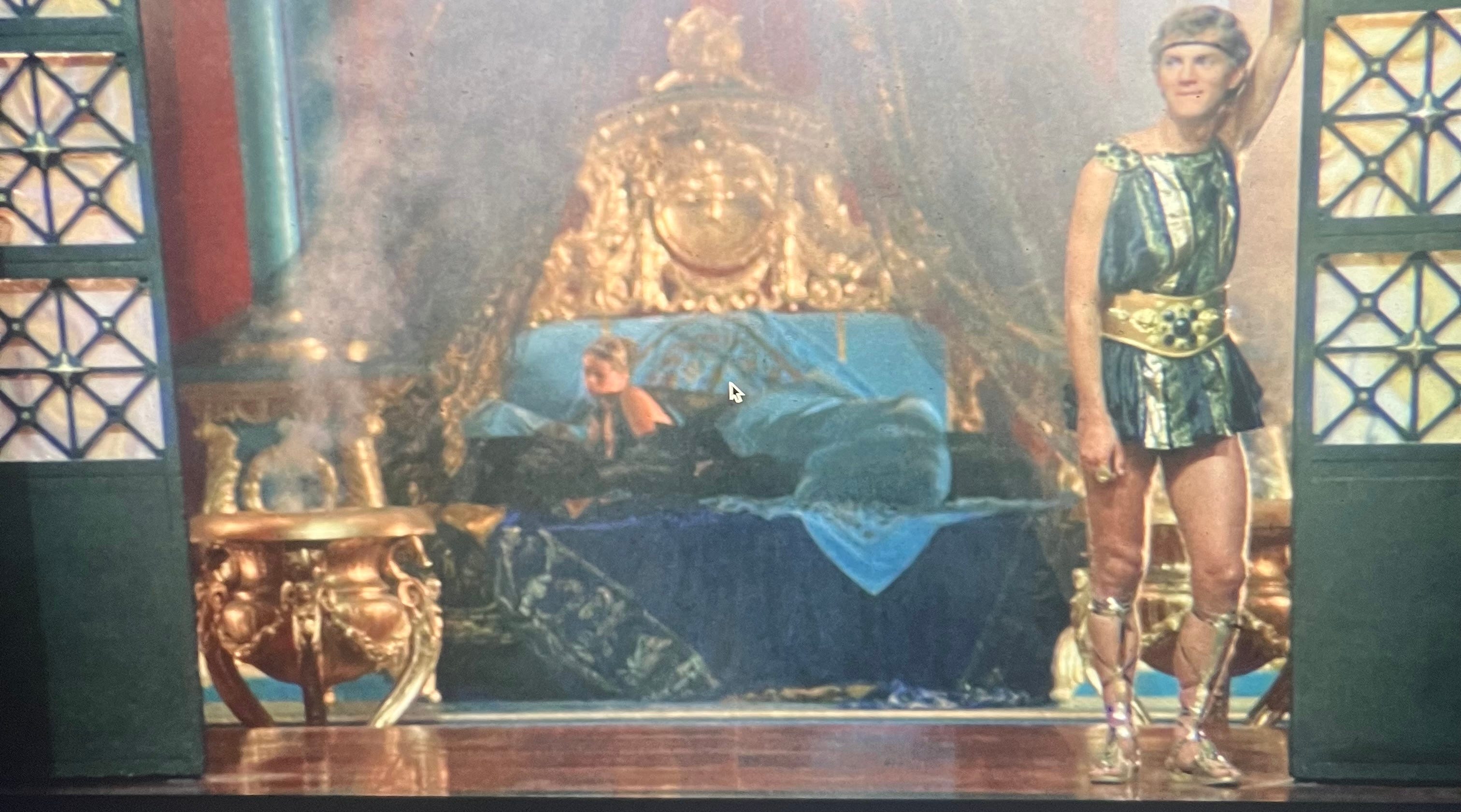
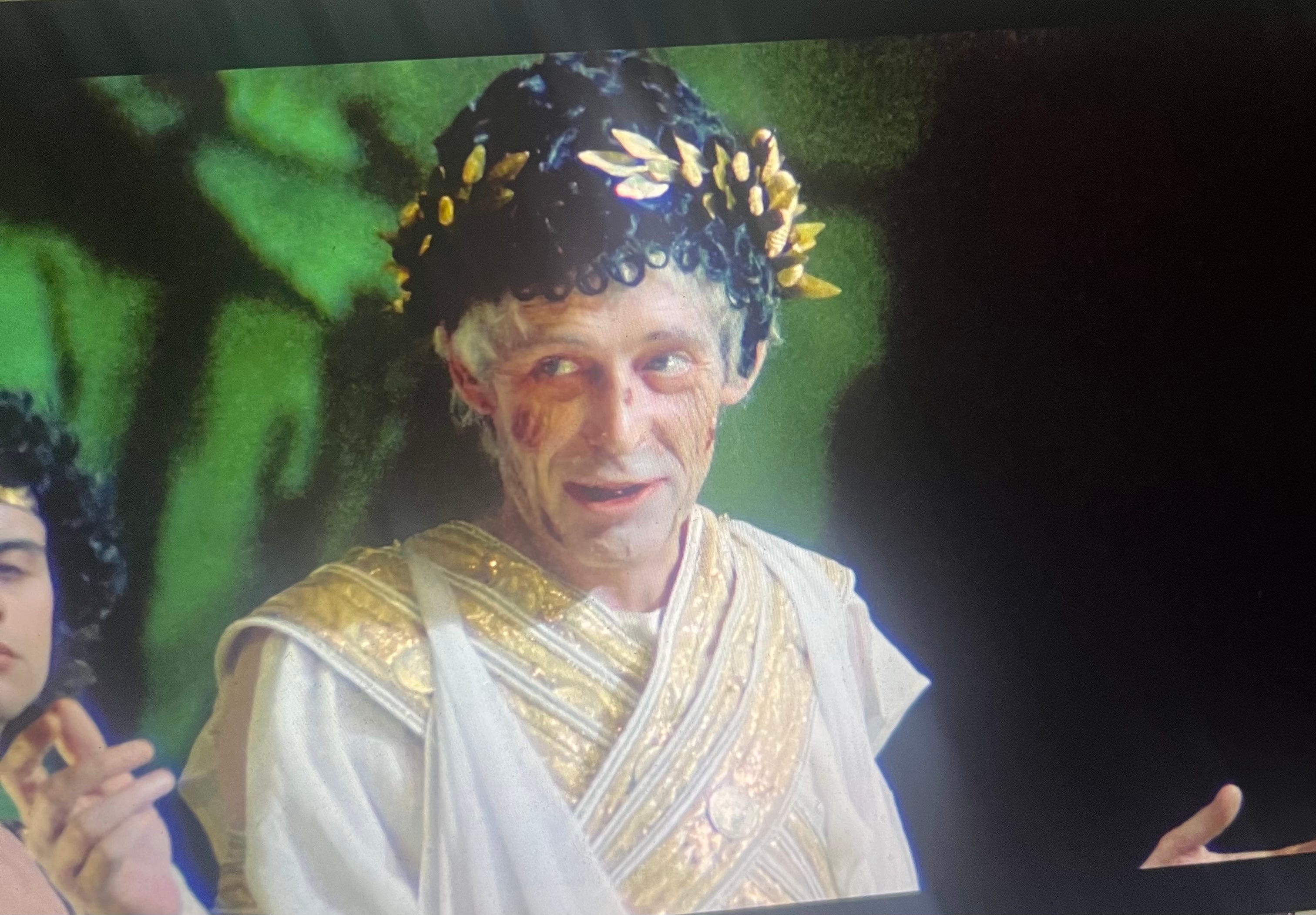
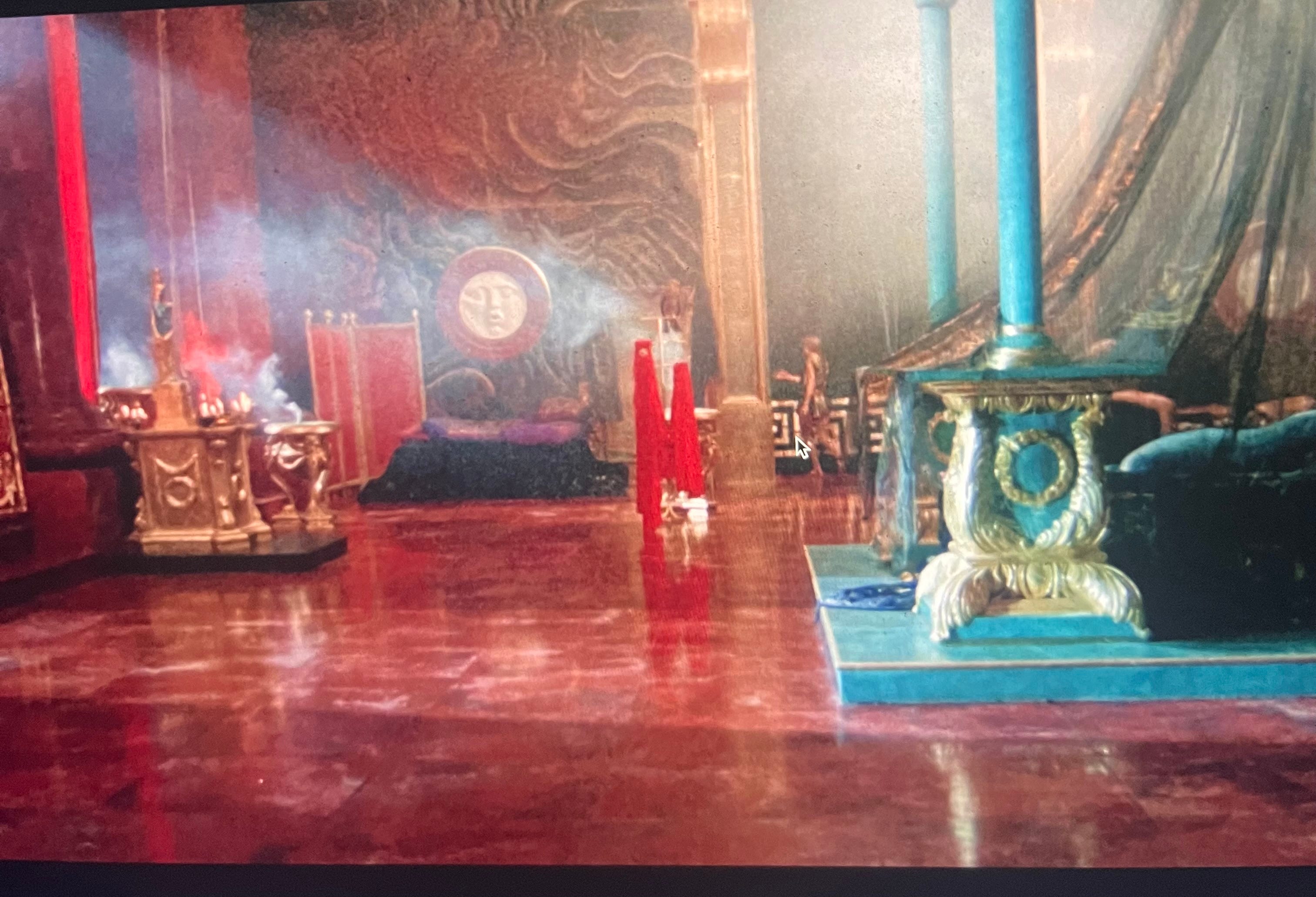
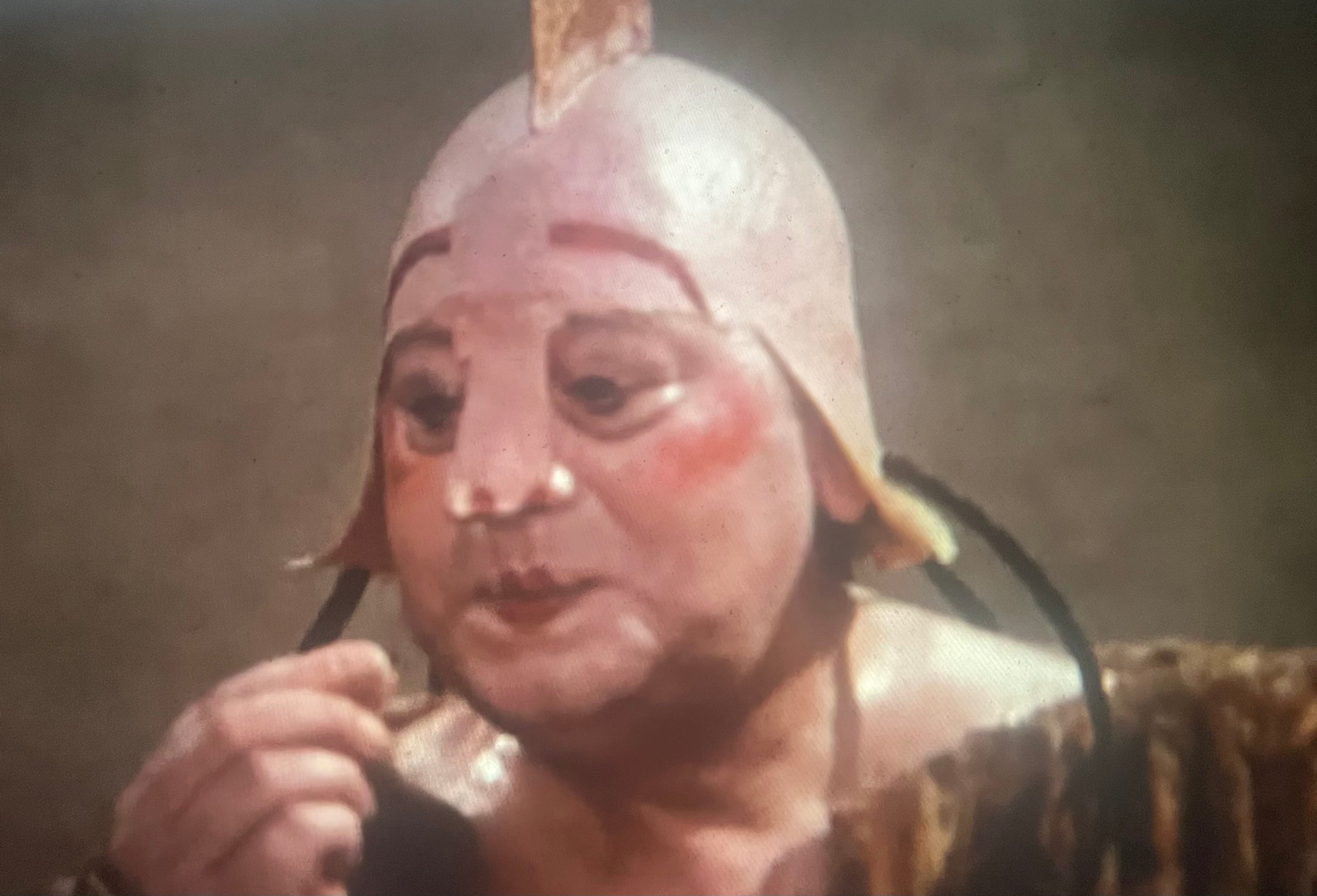
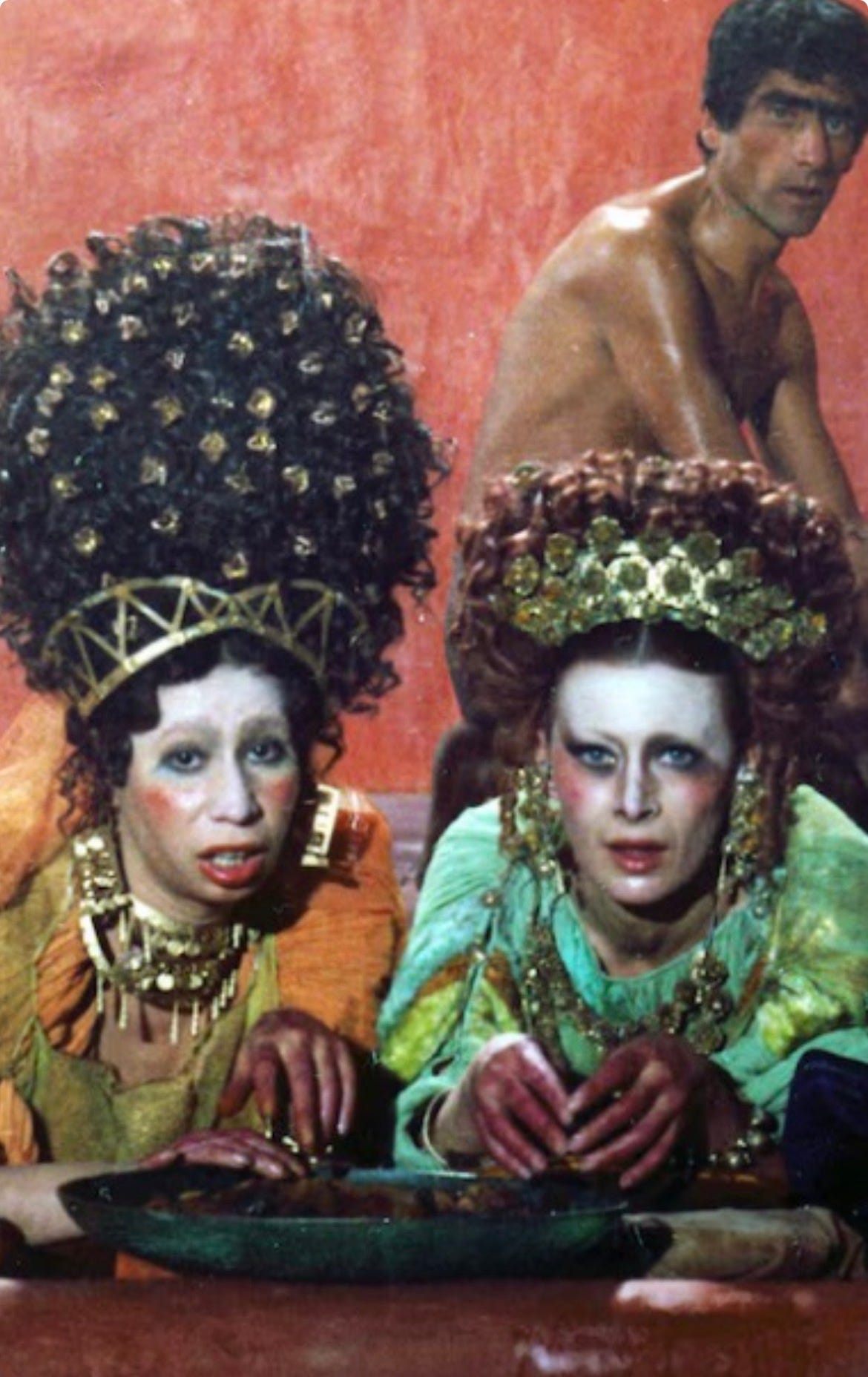
(bottom two Satyricon stills, top three Caligula. Peter O’Toole makes an excellent Tiberius.
Some substack pieces I enjoyed recently are this in the Metropolitan Review by Udith Dematagoda, particularly in what it says about the reception of male experience in writing, and this for the pudding campfire scene which has a Flannery O’Connor energy to it. One remembers why for the part of girlhood spent in rural Canada, dating was completely undesirable.
I recently learned via friend Neil that the New York Review of Books is on Libby, the library app so you can read it legally without a paywall. This article on two Scottish poets, Kathleen Jamie and Peter Davidson has a banger opening( I agree with Edwin Muir on Walter Scott!) Muir and his wife Willa were translators of Kafka. A line later on in the essay I really loved is ‘For Davidson as for Walter Benjamin, the baroque falls short of the values of the classical world and turns instead to a world of ruined objects and ubiquitous melancholy.’ An important read I think, for thinking about Scottish literature as there is almost no literary criticism in Scotland beyond Stuart Kelly.
No posts
Comments
Nothing yet. Say the first thing.
Sign in to join the conversation.