

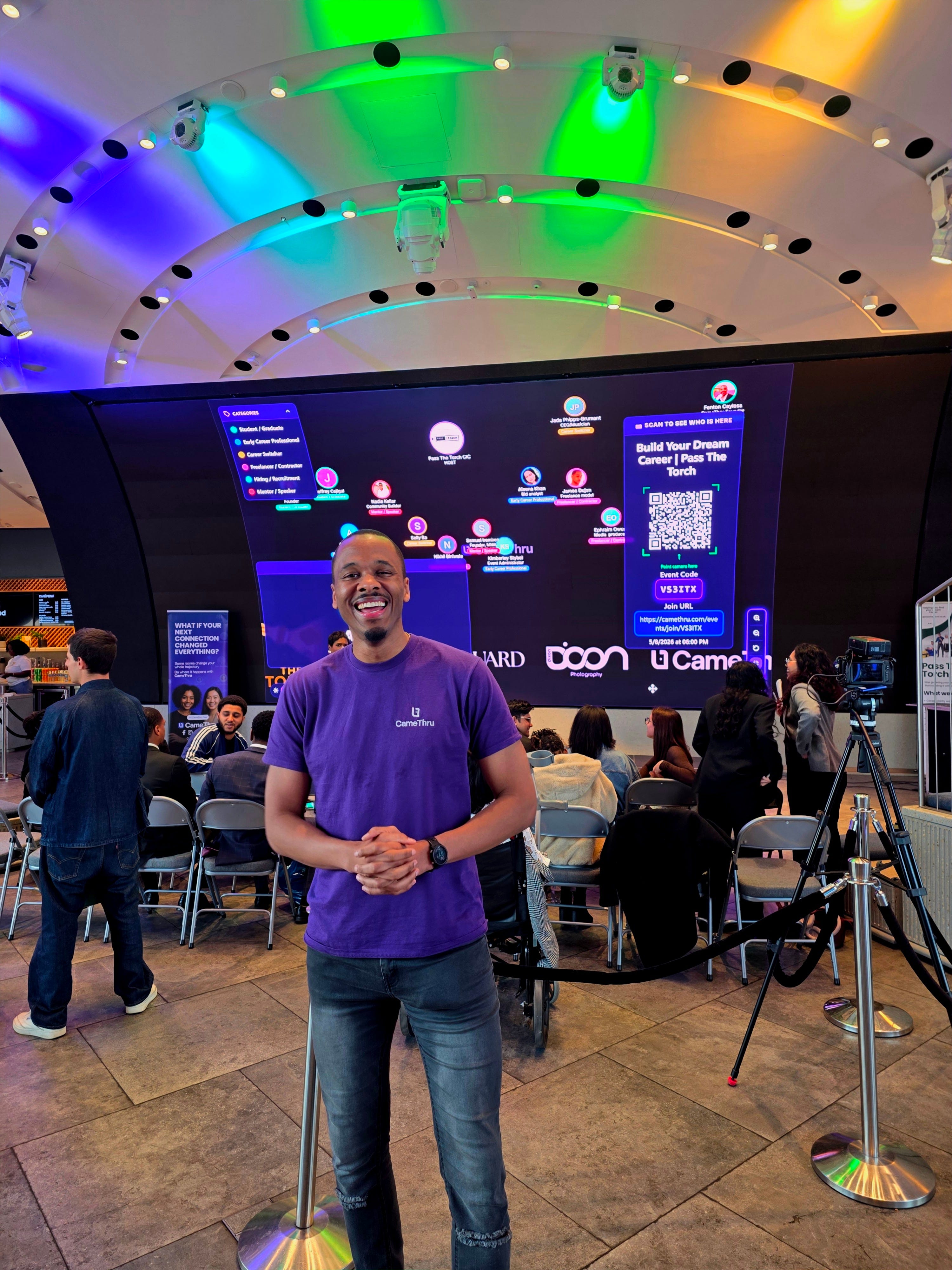
A month ago I stood at Samsung KX in King’s Cross, watching a live graph of everyone in the room light up across what is, by some distance, the largest screen CameThru has ever run on the worlds first 10-metre-wide Samsung curved screen. The world's first curved Screenmax screen. The event was Build Your Dream Career, run by Pass The Torch CIC, Students, early-career professionals, career switchers, mentors and people hiring, all asking the same quiet question. Who in here is worth talking to, and how do I not lose access to those I dont get to speak to.
I want to talk less about the screen, though, and more about what happened in front of it. Because the speakers brought real value, and the early-career crowd is precisely who needs to hear it.
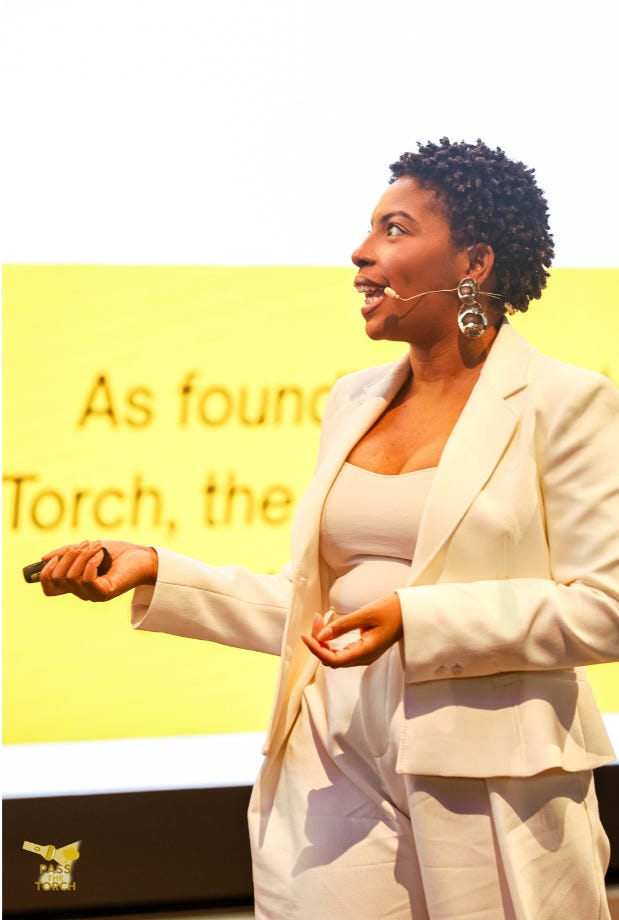
Chloe, Samuel and Patrice opened by laying out what Pass The Torch is actually about: mentorship, guidance and opportunities for young people, so they can overcome obstacles and build careers they’re proud of. It’s work I care about, the kind aimed squarely at people who don’t arrive with a ready-made network and are trying to build one anyway.
Before the keynotes, Rae Zoe, poet and founder of the Up Next platform, performed a piece that, on the surface, was about tea and mugs. The chipped one you reach for when the others are dirty. A childhood face fading on a seaside print. The warmth passed from one pair of hands to the next.
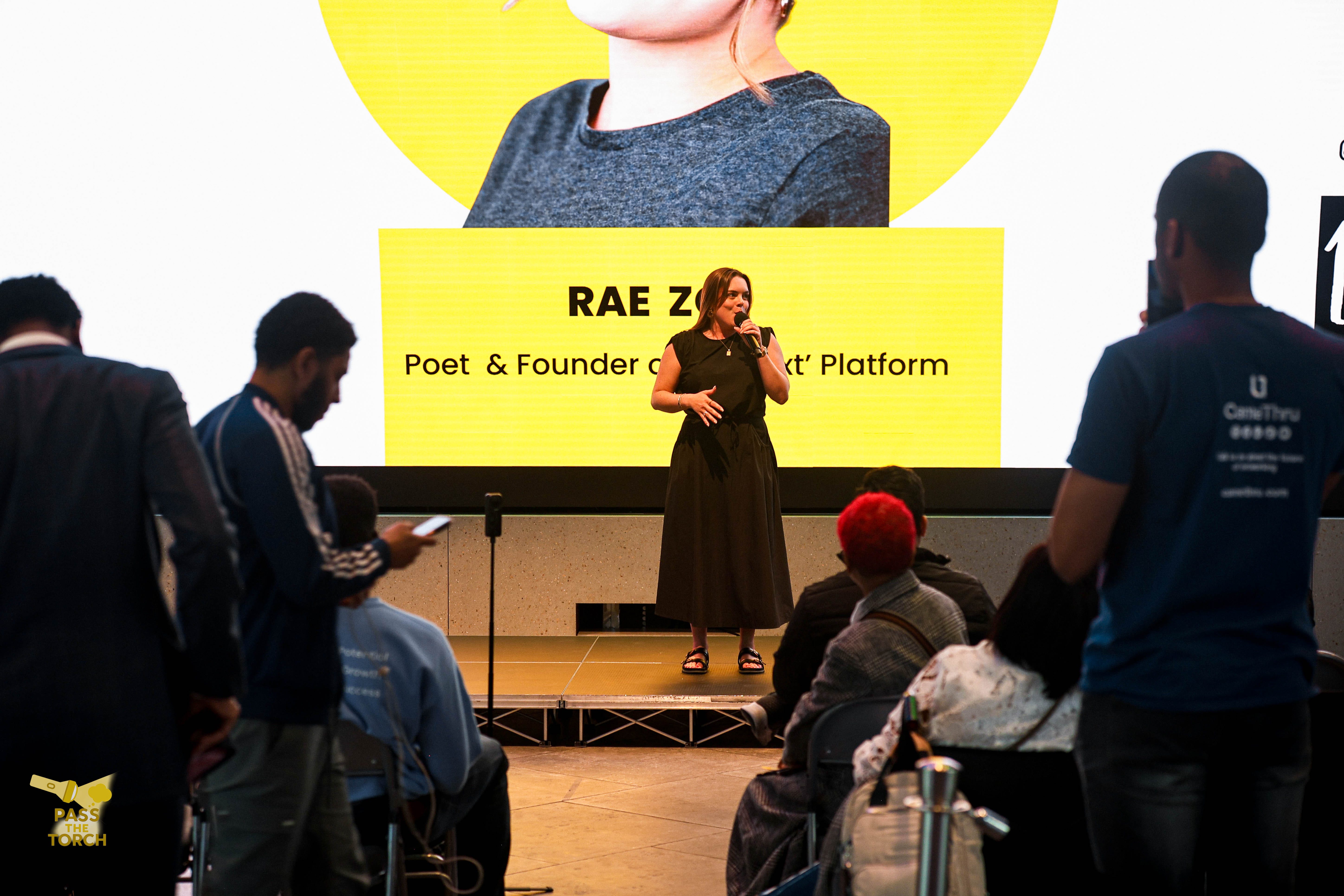
Underneath it was a gentle reminder that it’s okay to stop proving yourself for a minute and notice the small things, because that’s where a lot of the happiness actually lives. At a careers event built around ambition, a poem about slowing down was fitting.
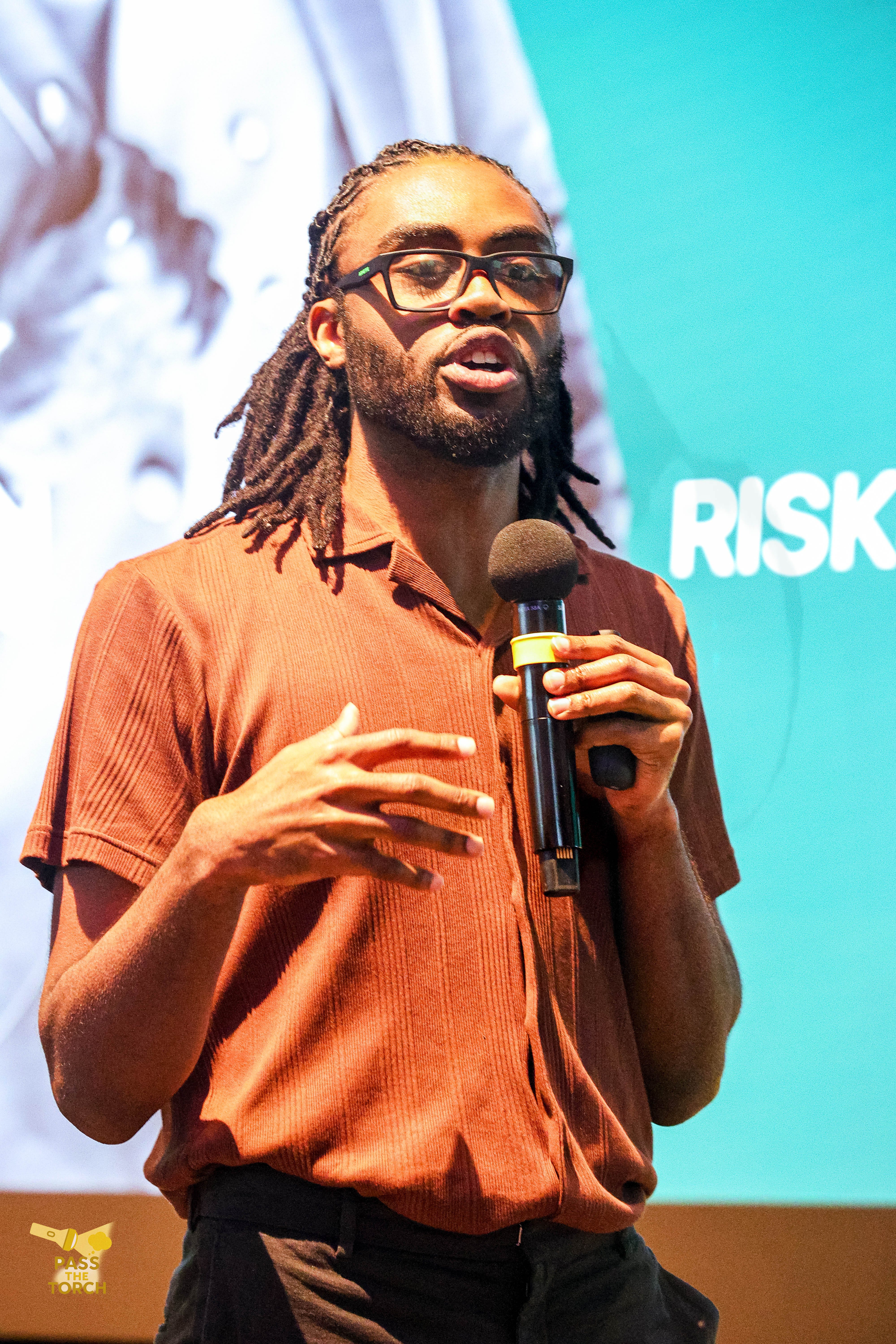
Micah’s keynote was the emotional spine of the night. He took the room back to where he started: Caribbean heritage, a low-income household, public schooled, introverted and shy, surrounded by local crime, carrying a feeling of inadequacy about his results and his environment. The promise he made to himself as a kid was simple. He would not be defined by where he came from.
He now runs a creative studio and works as a business architect helping founders (even me) become more visible. His message to the room: you are the director of your own career, and if you live avoiding risks, you risk missing out on life.
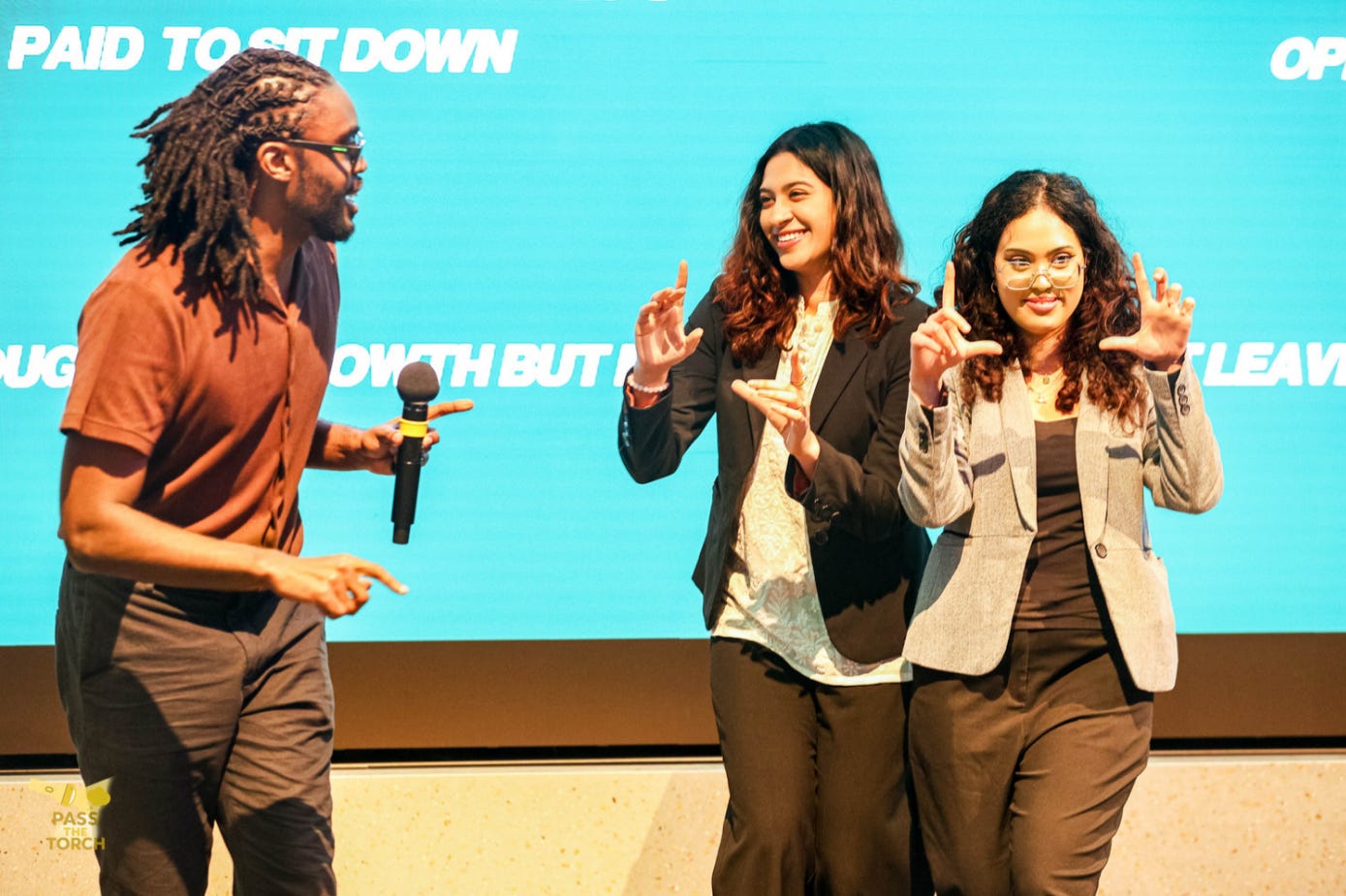
The bit I’d never seen done before: he brought audience members up onto the stage and built them into the talk itself. It could easily have been awkward. It wasn’t. It turned a keynote into something the room was inside of rather than watching. Credit to him, that took nerve and it worked.
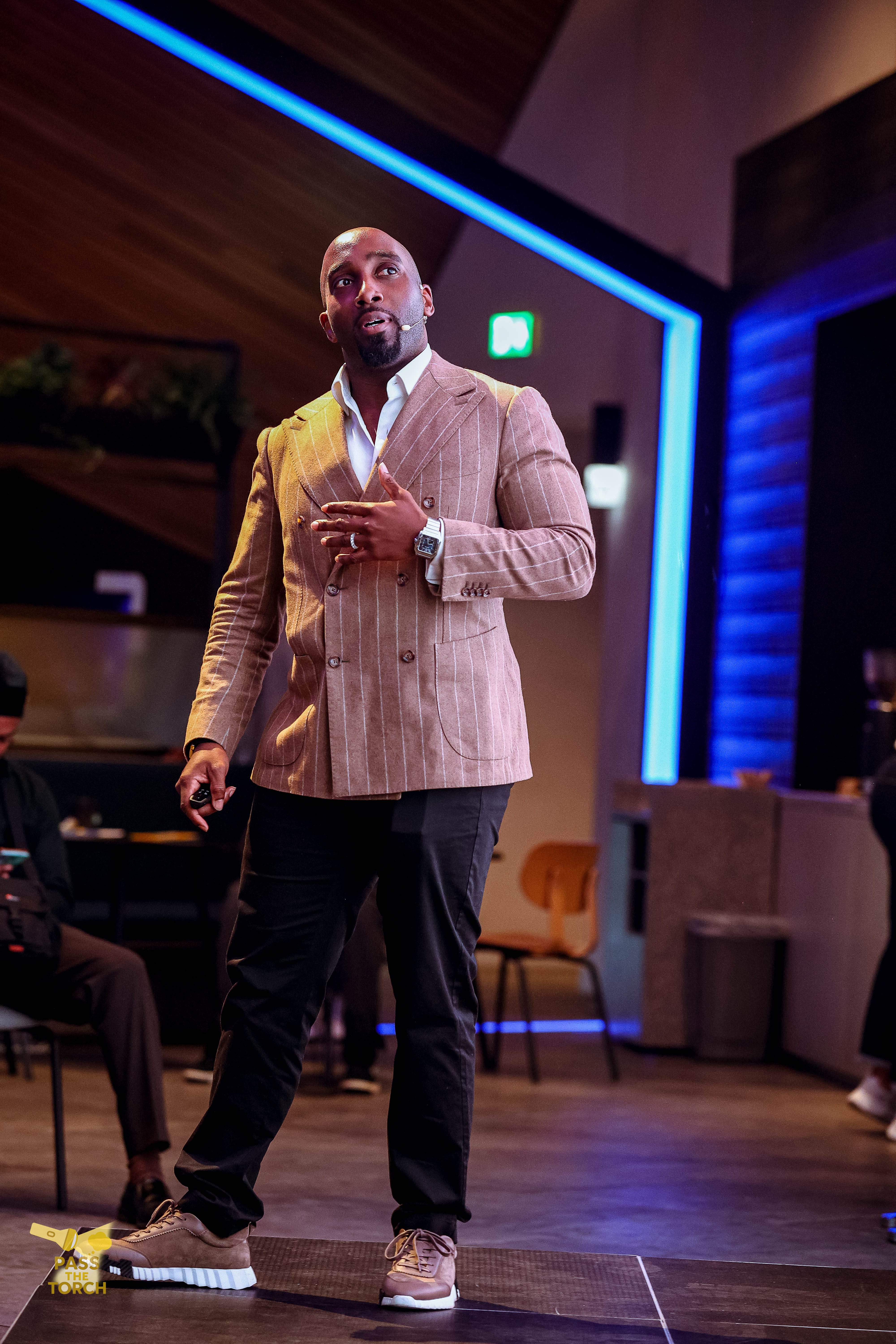
Dominic Hay of The Career Guard spoke on LinkedIn and personal branding, and he was refreshingly honest about his own path. Born in the UK, grew up in Jamaica, came back in 2007, went to Greenwich rather than Oxbridge, slept on his sister’s couch in Crystal Palace with no money, then built a career from zero to multiple six figures. Not through family connections, in his words, but through graft, a bit of charm, networking and a few skills.
His point for a tough job market: not having the “right” qualifications didn’t stop him getting a seat at the table. What got him there was understanding his own uniqueness and building a brand around it. He’s turned that into a real following and brand deals with names like the Financial Times. The takeaway he left the room with was to stop waiting to be picked, work out who you actually are, your strengths and even the gaps, and use that to attract opportunities rather than chase them.
Dominic is also building Career Guard, a hiring platform with a sharp premise: candidates prove their skills before you ever meet them. SkillSnap video profiles, a library of 400+ tests, and AI-powered screening reports, built for teams who want to hire smart rather than slow. It’s a neat companion to the talk. Where his keynote was about how a person stands out, the platform is about giving people a way to prove what they can actually do.
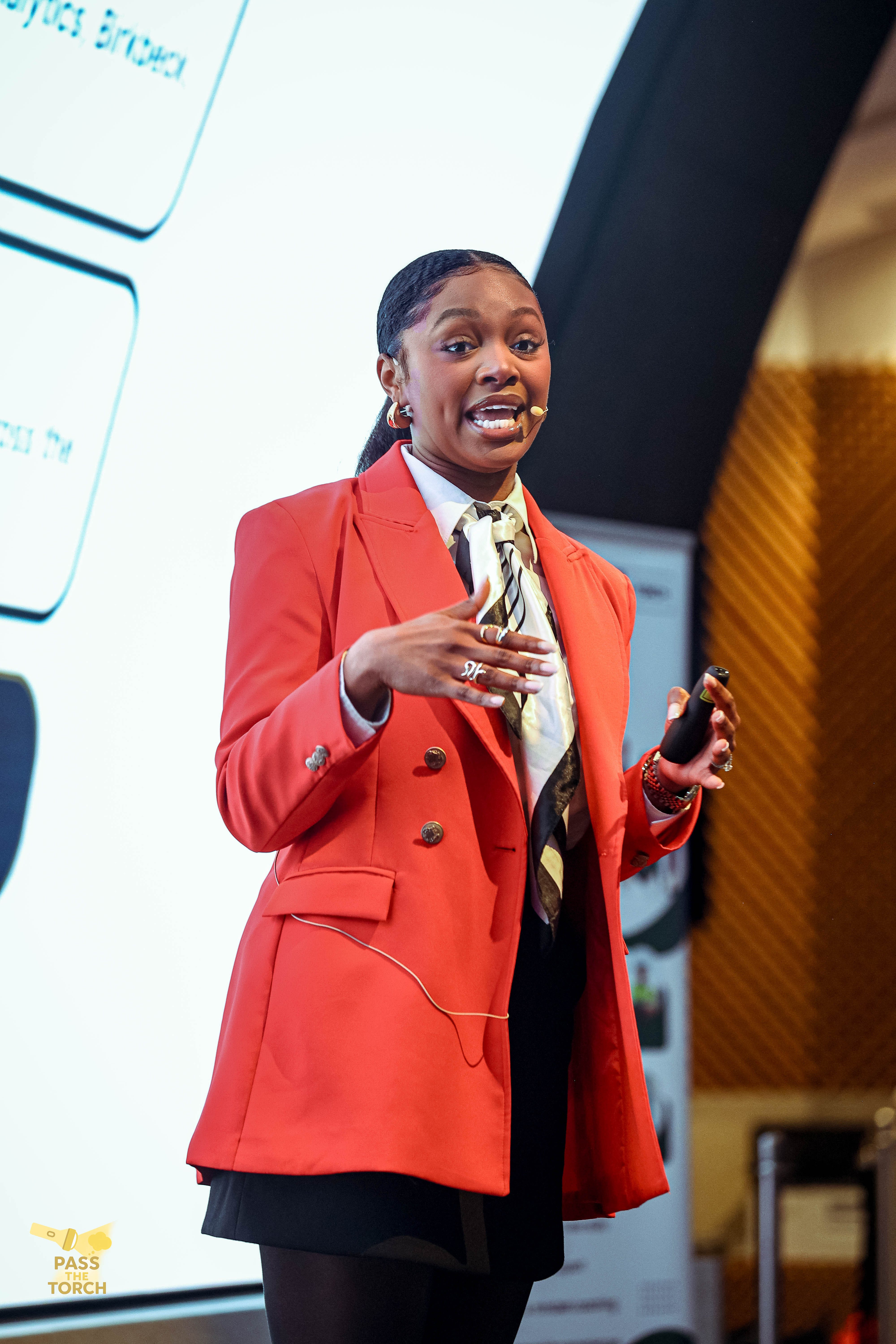
Kylie Shenique, a finance professional turned educator and founder of Financially Lit, made the money practical. A few things worth keeping:
Your real money is what lands, not the headline number. On a £30k salary, after tax, National Insurance and pension, you’re living on roughly £1,915 a month, not £2,500. Budget the number that actually hits your account.
Give every pound a job. She framed it as four buckets: needs, lifestyle, future you, and a safety net. Then pick a system to run it, whether that’s 50/30/20, automating transfers the day you’re paid, or the envelope method where once a category’s gone, it’s gone. And learn the basics of investing early, because time does most of the work.
For a room full of people early in their earning lives, that was the most quietly useful twenty minutes of the night.
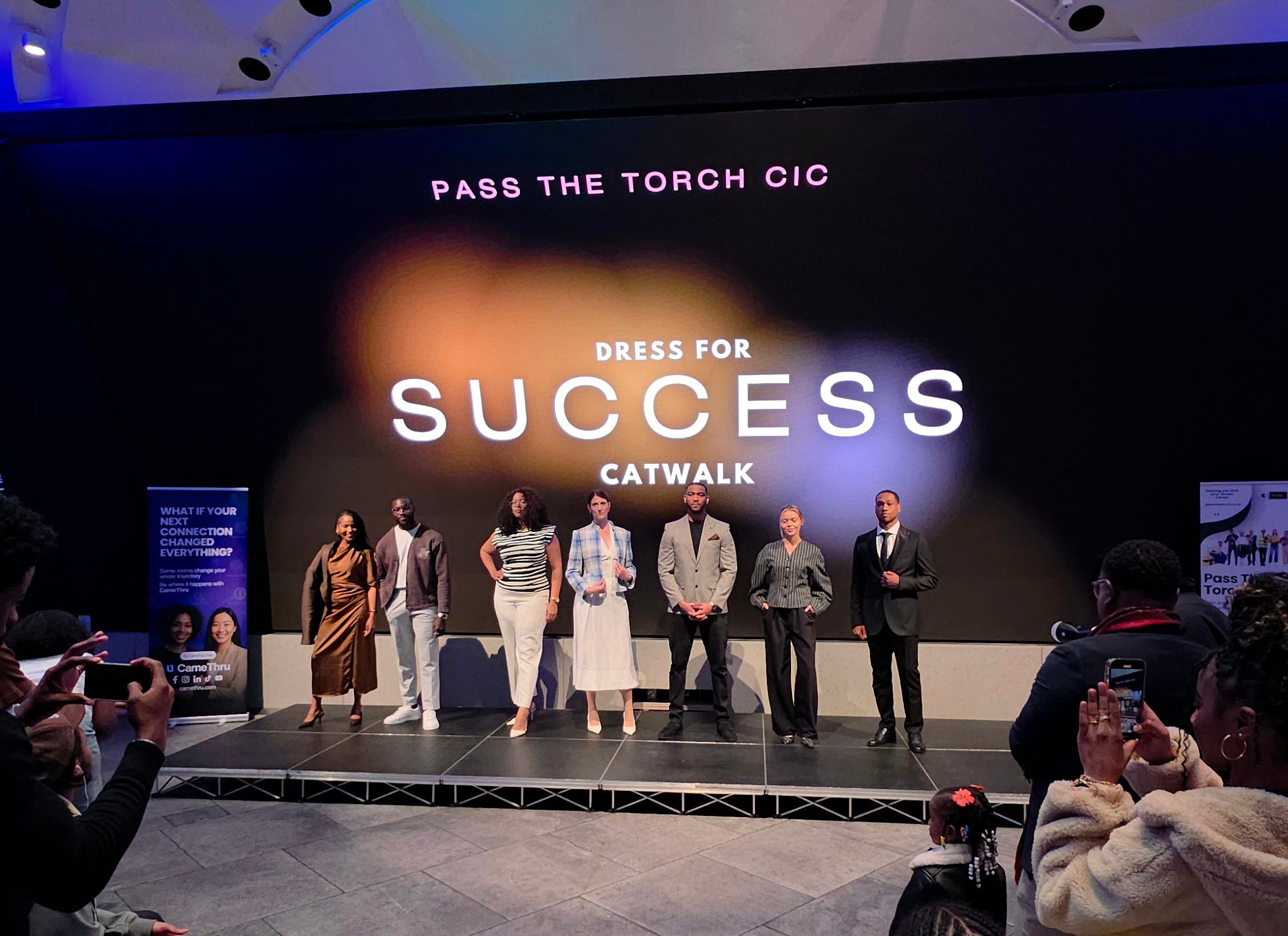
Somewhere between the money talk and the workshops, the lights changed and Pass The Torch ran a Dress for Success catwalk. Models walked the room in interview-ready and workplace looks, the crowd had their phones up, and a careers event briefly turned into a proper show.
The whole point of the night was that how you present yourself opens doors, and the catwalk made that physical in a way a slide never could.
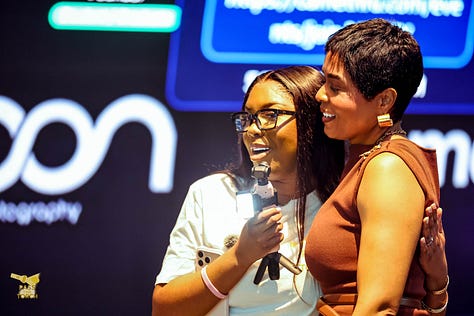
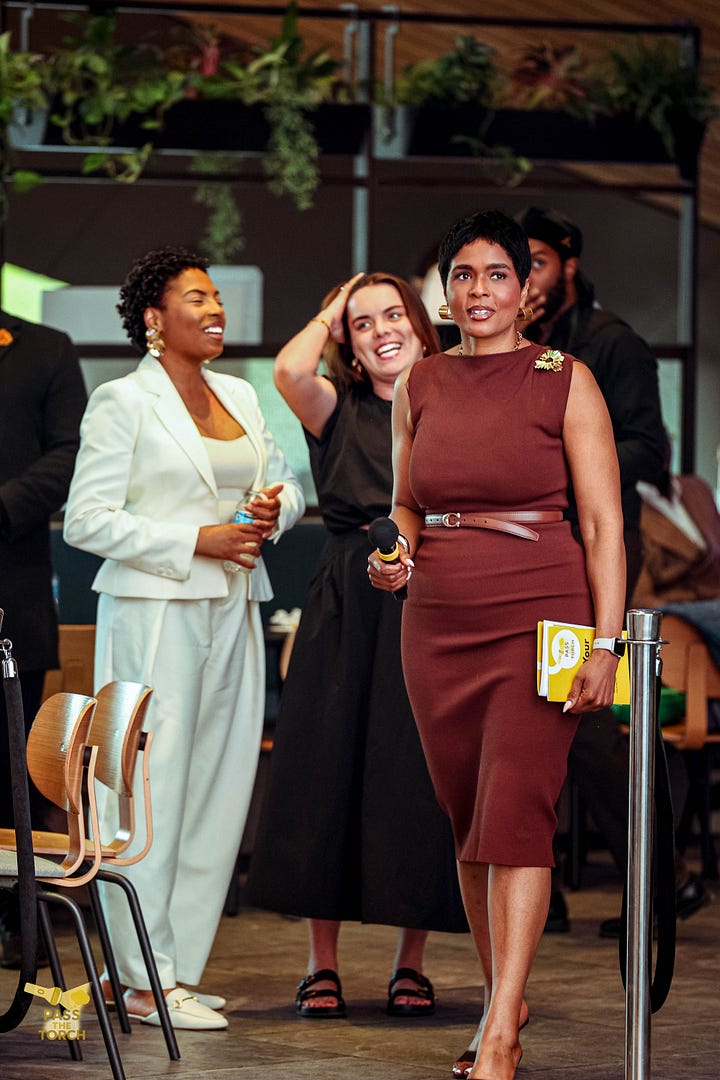
Nadia hosted the evening with real warmth, and I’ll admit I keep bumping into her at events around London now, which is usually a good sign you’re becoming part of the same circuit. Big shout out Khadeem and James!
My favourite bit of the night was a small piece of behind-the-scenes teamwork. Quame at Dixon Photography was shooting instant, high-res photography throughout the event and delivering it in a similar way CameThru works, by QR code and link. Given we were already speaking the same language, an in-event partnership just made sense.
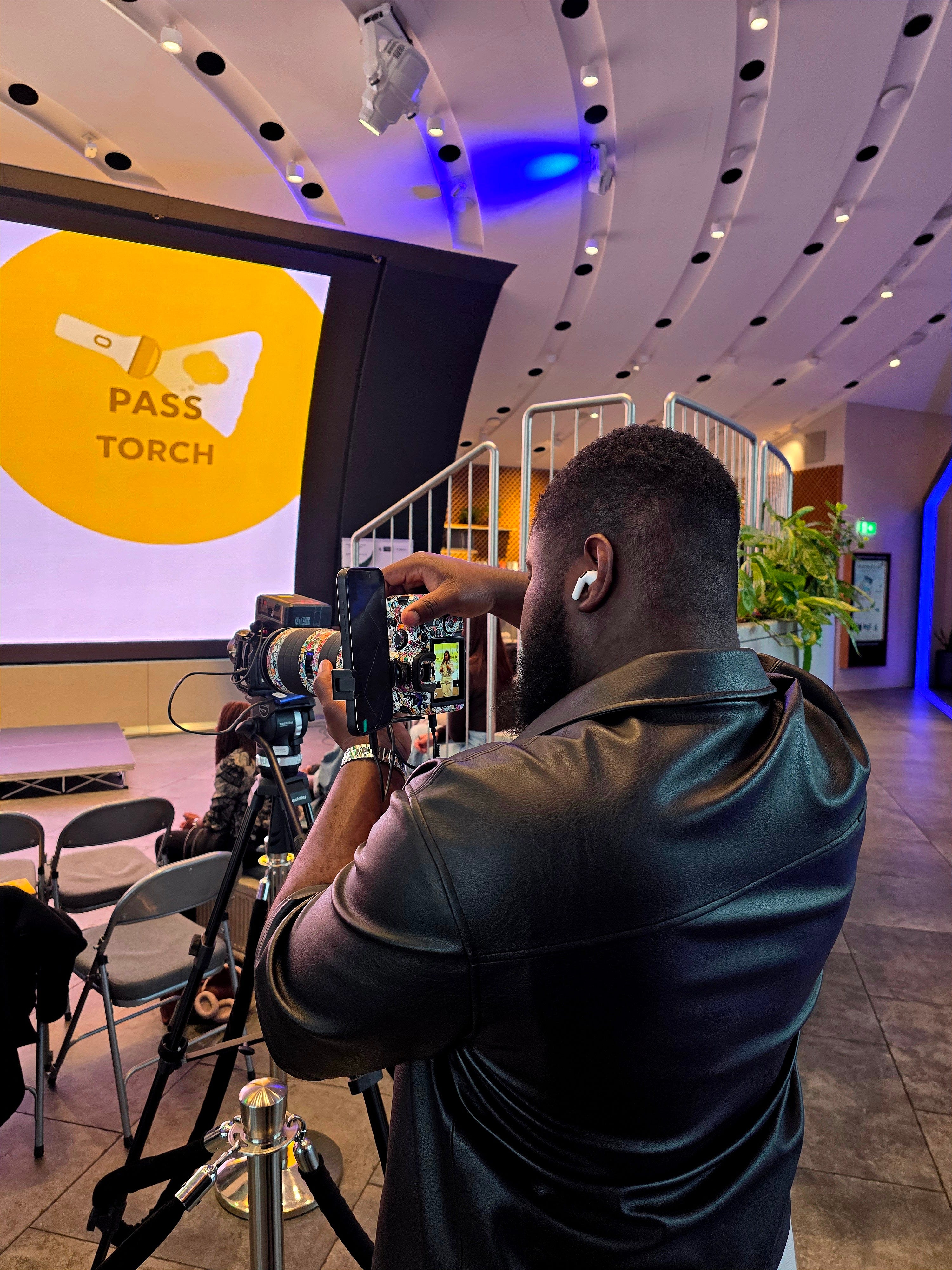
I dropped his access link straight into CameThru, so attendees could pull their own high-res photos directly from the app on the night. Two live platforms working together in the same room, one capturing the moment and one helping people connect, with the photos landing in people’s hands while they were still there. Simple, but it worked, constantly finding new usecases for CameThru.
This is the part I find most interesting, and it’s the reason CameThru exists. When people join the graph, they say what they’re looking for. Read the room’s answers back and a clear picture forms.



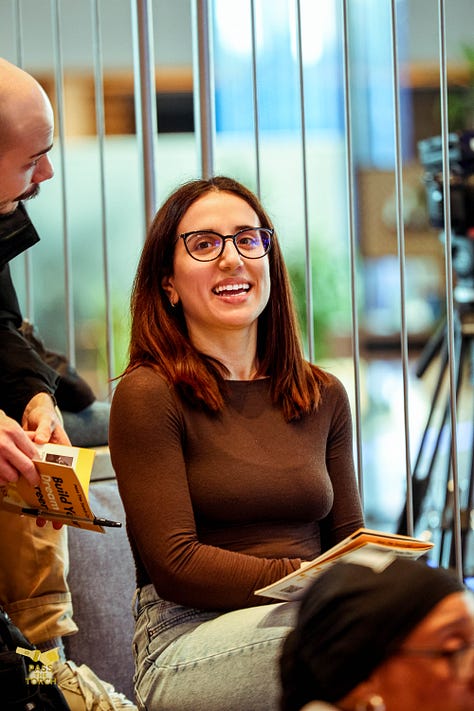


The overwhelming theme was connection. Creatives and designers wanting to expand their networks. A freelance branding designer, a web designer, a media producer, a graphic designer, all there to find the people who might one day need their work. Founders looking for the missing piece, whether that was a founding team of creatives, corporate partners who support early-career talent, or other founders to swap ideas with. And early-career people being refreshingly direct: meeting recruiters, looking for a new opportunity, wanting advice, connecting with sales or tech professionals.
That’s the value of a live graph. In a normal room, all of that intent stays hidden behind small talk. On CameThru, you can see it. A recruiter and someone job-hunting can find each other in seconds. A designer looking for clients can spot the founders in the room.
The whole evening was built to help people connect: networking games, a poet, a catwalk, brand clinics, two interactive workshops. CameThru was the layer underneath that made the room legible. Scan a QR code, appear on the graph, and don’t lose access to the room, before, during and after events. You can see who’s a student, who’s hiring, who’s a mentor, and go straight to the person who matters for you.
I’m an introvert who built a networking product. Standing in front of that screen, watching a room full of people use it without being prompted was pretty cool.
The next connection really can change everything. The job of the product is just to help you find it.
Comments
Nothing yet. Say the first thing.
Sign in to join the conversation.