
There’s been a few great indie examples recently where the audience has shown up because the work is amazing. But these film makers did something else that Hollywood can’t replicate. As The Capital Cut put it - “A studio cannot counterfeit it by green lighting cheap horror and praying lightning strikes the same spot twice.”
They brought an audience.
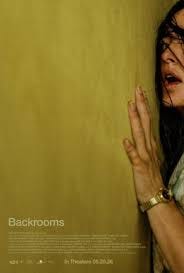
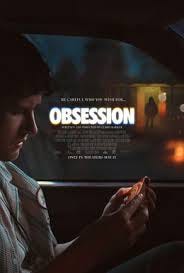
So it does happen. But for most us, most of the time, it’s not the path available. What’s available is something different and it’s going to require more from us.
For those of us who are actually building sustainable careers right now we shouldn’t be holding our breath through the festival submission cycles hoping someone with a platform will decide our work deserves to be on one.
Instead, we’re building platforms. Identifying the communities our films belong to before the films are finished, creating the infrastructure those communities need to gather, and arriving at the release with something most films never have: a room full of people who’ve already enjoyed the the journey and are now excited to see the film
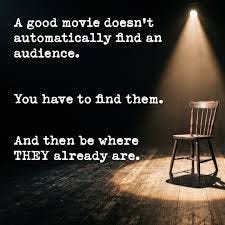
This series is about how we do that.
Each post is a practical step. Our goal is to put together a working system we can run on our current project, starting now, before we have a finished cut, before we have a trailer, before we know what our festival strategy is going to look like.
The core argument’s pretty simple. We know audience-building is now part of our producing job. It fits in beside pre-production, right alongside casting, location scouting and budget breakdowns. Because the decisions we make now about who this film is for and how we’re going to reach them will shape every distribution conversation we’re going to have later.
This is what it’s going to look like in practice. The goal is to arrive at our first serious distribution conversation carrying a one-page audience thesis, a landing page with 3,000(ish) opted-in subscribers, screening requests from 14 cities, 27 partner organizations already committed to the film’s rollout, and trailer data showing 80 percent completion on our best-performing cut. With that we’re no longer asking a distributor for permission to find an audience because we’ve been out there hustling and already built one. And that’s going to create different conversations. Now we have leverage and our options are different. This is a good thing and it’s possible when we start treating audience development as a production responsibility.
What you won’t be told in this series is that the work’s easy or that building an audience is going to guarantee a specific outcome.
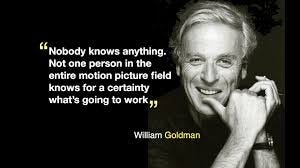
If you’ve ever made a film of any size you know it’s hard and distribution is….difficult. There aren’t any shortcuts and there’s not really a formula to what’s going to work. But what does work, consistently, is specificity, intentionality, and showing up for the audience before we need them to show up for us.
Each part of this series will address a different element of the work. We start with THE QUESTION: who this film actually for, and where are those people? Where do they hang out? From there we’ll move into infrastructure, content questions, event and partnership questions, conversion models….
If you’re in pre-production, this series might help build the right habits now. If you’re mid-production, it could help you recover ground quickly. If you’re approaching picture lock with no audience infrastructure in place, it’ll offer a focused path forward that’s more effective than what you can do with a poster and a trailer alone.
Lots of independent film communities have real creative talent but not enough infrastructure that allows that talent grow and sustain itself over time. And it’s not going to get any better waiting for the industry to provide it. It’s going to happen when we decide to treat audience development as one of our core skill, the same way we treat directing, producing or editing.
So that’s what this series is about. A system built from what’s actually working out there, designed for people who are serious about making films and equally serious about getting them seen.
Part one goes up next week. Subscribe if you want to follow the whole arc.
So lets lock it up and roll sound….
No posts
Comments
Nothing yet. Say the first thing.
Sign in to join the conversation.