
I watched a video essay on character actors recently on Thomas Flight’s Youtube channel. I’ve been a subscriber of Thomas’s for years. His video’s are intelligent and insightful you can hear and feel his passion for cinema through his dialogue.
His video inspired this post
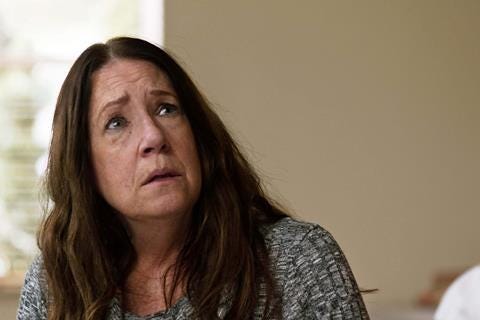
You know this face but I will bet most of you don’t know her name.
We’ve watched them anchor a scene that shouldn’t have worked. We’ve watched them make a lead look better than they were. We remember the moment they stepped up, even when we can’t remember the film. The reality, they had four scenes and probably earned scale.
Paul Thomas Anderson has one of the best eyes for off-kilter human behaviour. Philip Seymour Hoffman, John C. Reilly, Luis Guzmán, Melora Walters, Philip Baker Hall, Lesley Manville, Harriet Sansom Harris, Kevin J. O’Connor give his films density. He lets supporting characters be funny, ugly, wounded, petty, and strange without reducing them to strictly function.
That’s a character actor .
The term’s used quite loosely, so let’s give it some focus. A character actor’s not a supporting actor “by accident”. They’re more of a specialist “by design”, and it’s good to seperate the two.
“A” list actors sell tickets through charisma. Character actors sell moments through specificity. Where a lead needs to be broadly appealing, a character actor needs to be completely particular to their role. A specific way of carrying grief. A specific quality of suspicion. A specific kind of tired. That specificity is what makes a scene feel real rather than performed, and it’s one of the hardest things to manufacture in a performance. And when they hit it, it’s out of the park.
Hollywood’s star system has no real valuation model for this skill. The Hollywood system is built around names that open films, and character actors don’t open films. And that kind of thinking informs everything - awards categories that bury ensemble performances, marketing campaigns that erase anyone who’s not the lead, agencies that focus their energy only toward clients with higher earning ceilings .
Scorsese uses character actors like emotional touchpoints. Think Joe Pesci, Frank Vincent, Thelma Schoonmaker’s rhythm with faces, Catherine Scorsese, Victor Argo, Illeana Douglas, Stephen Graham, Ray Winstone, Mark Margolis, and so many more. In Scorsese films, character actors create danger, humour, history, and street-level credibility.
The result is that the most technically skilled people on many sets are also the least important to the industry’s economics. Their work is foundational, and the system’s not designed to see it. And honestly, I think that’s a problem for every filmmaker who’s been drinking the star system’s Kool-aid and casting accordingly.
Great character actors bring lived texture, instant believability. The feeling that the person exists beyond the edges of the frame.
Moviestars bring presence. Character actors bring truth, and independent film always needs more of the latter. There’s also a practical ensemble effect that does not get discussed enough. One genuinely great character actor in a room can elevate every performance around them. The lead has something honest to react to. The scene suddenly has stakes it didn’t have before. You can’t produce that effect with casting choices made purely on availability or name recognition.
Character actors are available in ways leads are not.
And one of the coolest things is they’re often actively looking for material that respects what they do. A role with genuine texture, a director who “sees” them, a project built around craft rather than bullshit marketing metrics. These aren’t small things to someone who has spent years in the background of someone else’s story.
Tarantino revived, recontextualized, and weaponized character actors. He knows how to make an actor’s face, rhythm, and cultural memory do half the storytelling. Robert Forster in Jackie Brown is a great example. Also Michael Parks, Pam Grier, David Carradine, Walton Goggins, Tim Roth, Steve Buscemi, and Christoph Waltz. He often casts actors as icons of their own past.
The relationship currency really is significant. Character actors remember the directors who’ve used them well. They come back, they refer colleagues. Building those relationships is not a single-project strategy and that shift in thinking is exactly what independent film infrastructure is designed to support. NonDē North exists partly to create the conditions where those relationships can be sustained over time. Where a roster of trusted collaborators can become a real asset rather than a happy accident.
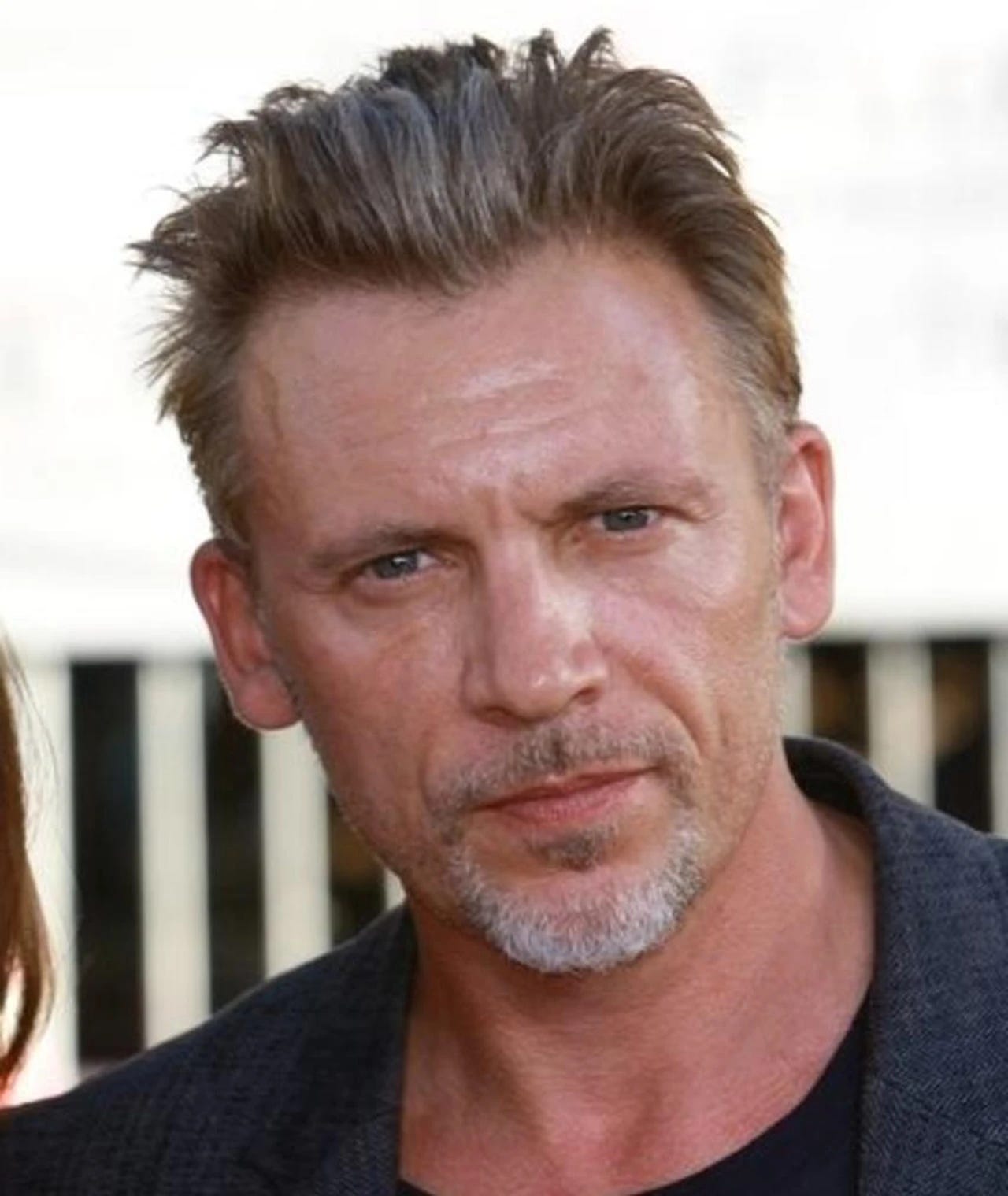
“I’ve always been a character actor and done a lot of support work. I’ve never really been the lead actor, so I’ll try and use what I’ve learned along the way from the other projects.
- Callum Keith Rennie
My humble advice, stop casting for marquee value when marquee value is not what your project needs. Cast for scene truth, because these are different tacks and they produce different results. Character actors live in theatre, regional film, episodic television. They’re out there and you can find them. What separates the directors who find them from the ones who don’t is usually just intentionality. When you approach a character actor, be specific about what you see in them and why what you see matters to your project. Character actors have dealt with decades of being an afterthought, so a director who’s clearly thought about what they bring to the table is genuinely unusual. Being that director is worth its weight.
Spike’s best films are built from neighborhoods, not just protagonists. His use of Ossie Davis, Ruby Dee, Giancarlo Esposito, Bill Nunn, John Turturro, Delroy Lindo, Roger Guenveur Smith, Samuel L. Jackson, and others gives his films argument, rhythm, humor, and contradiction. Do the Right Thing is a masterclass in ensemble character work.
Something P.T. Anderson figured out early in his career is that recurring collaborators become your company’s identity over time. The directors people call visionaries almost always had the same quiet advantage - they knew exactly who to put in front of the camera, and had built something meaningful enough that those people wanted to come back. The best directors with character actors are usually the ones who don’t treat them as “support staff.” They build entire worlds out of them. A moviestar may carry the poster, but the character actor make the film feel alive.
I hope this character actor post made one thing clear: the most technically skilled performers on many indie sets are usually the most undervalued. They can bring truth to a scene, elevate an ensemble, and relationship currency that no “star attachment” can replicate. And directors who understand this tend to build something more than just one good film.
Which raises a practical question that doesn’t get asked enough in indie circles.
If character actors are where the craft lives, and if they’re actively looking for material that respects what they do, how do you find them? Not the ones available by accident but the ones right for your project.
The answer - a casting agent.
We indie filmmakers tend to think of casting agents as a Hollywood resource. Something you go to once you have financing in place and a “name” attached. But that’s backwards thinking, and can cost a project dearly.
My next post is about why building a relationship with casting agents early, before you need them, is one of the highest-leverage investments an independent filmmaker can make.
Post Script:
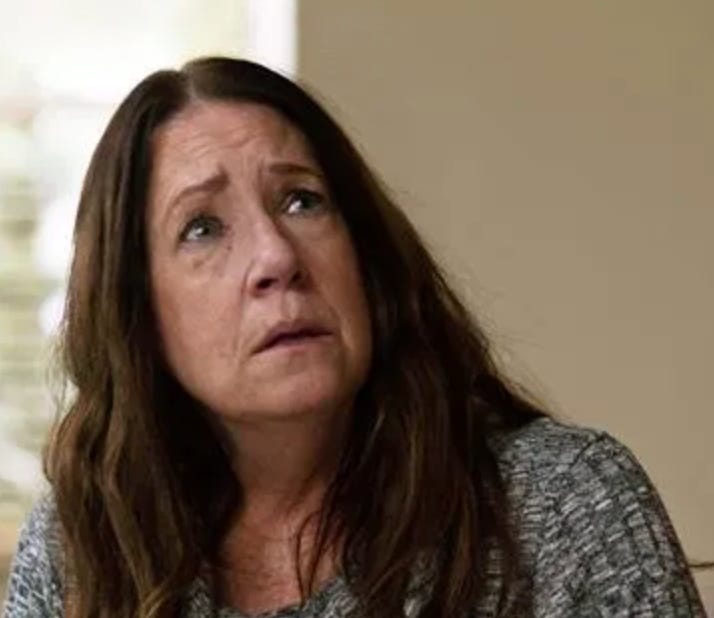
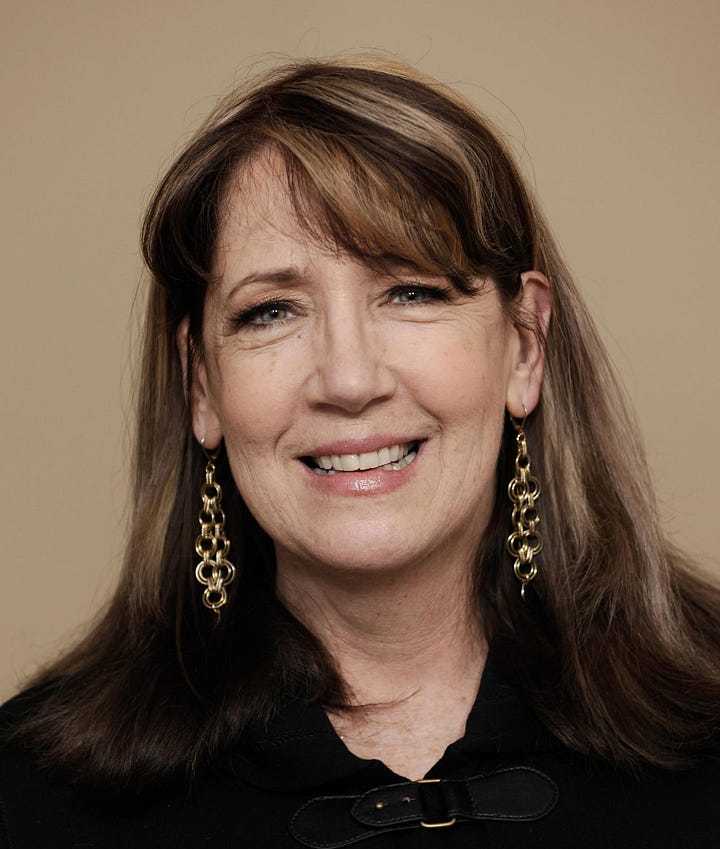
Ann Dowd belongs in a rare category of actor who’ll make you forget you're watching a performance. She has the extraordinary ability to find a humanity in characters who should be impossible to sympathize with - Aunt Lydia in The Handmaid's Tale or Patty Levin in The Leftovers (a role for which she won an Emmy). She came to wide recognition relatively late in her career after decades of supporting work that people kept noticing without knowing her name, which says something about the integrity of what she does.
No posts
Comments
Nothing yet. Say the first thing.
Sign in to join the conversation.