
For years, European football reassured itself with a comforting narrative: the Saudi Pro League was a retirement home. A destination for stars past their peak, happy to trade Champions League nights for tax-free wages and sunshine.
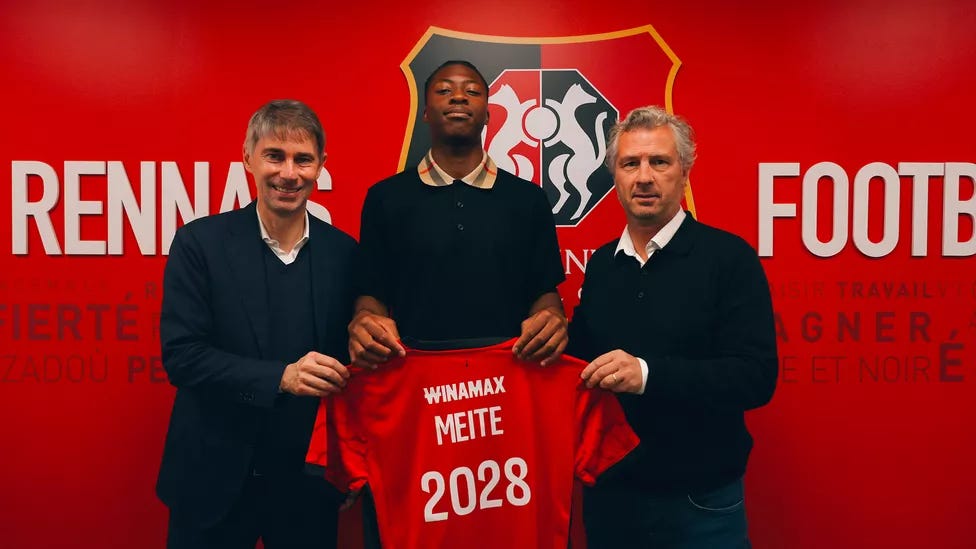
Mohamed Kader Meïté’s confirmed move to Al Hilal shatters that illusion.
Meïté is not a fading icon chasing one last contract. He represents something far more alarming for Europe’s elite leagues: a glimpse into a future where potential, not nostalgia, is being priced out of the continent.
A New Kind Of Target
At just the beginning of his career, Meïté embodies exactly what European clubs pride themselves on developing: raw athleticism, elite upside, and resale value. Players like him were once considered untouchable by leagues outside Europe’s traditional power centres. But Saudi Arabia is no longer shopping in Europe’s clearance aisle. It is walking straight into the showroom.
The numbers involved for both the player and the selling club are reportedly too large to ignore. And that is the crux of the problem. European football has built its ecosystem on a shared understanding: develop young talent, showcase it on the biggest stage, and let ambition, not immediate wealth, guide careers. That understanding is now under direct threat.
Projects Starting To Lose To Paychecks
For decades, Europe sold young players a promise. Not just money, but legacy. Ballons d’Or, World Cup prestige, a place in football history. Saudi clubs are selling certainty. Guaranteed starting roles, financial security for generations, state-of-the-art facilities, playing without the burden of the European media and crucially, contracts that dwarf even the most optimistic European projections.
For a 19 or 20-year-old, turning that down is no longer a test of loyalty; it’s a test of personal risk tolerance. European football is ruthless with promising talent. One serious injury can take a future star from the edge of the elite to complete obscurity, with no guarantee of ever forcing their way back into contention. In Saudi Arabia, the money arrives first, football second. That calculation is brutally rational. Guarantee yourself the salary only one of Europe’s established stars would receive, or stay and fight your way to the top, where certainty is far from promised.
The Slippery Slope For Europe
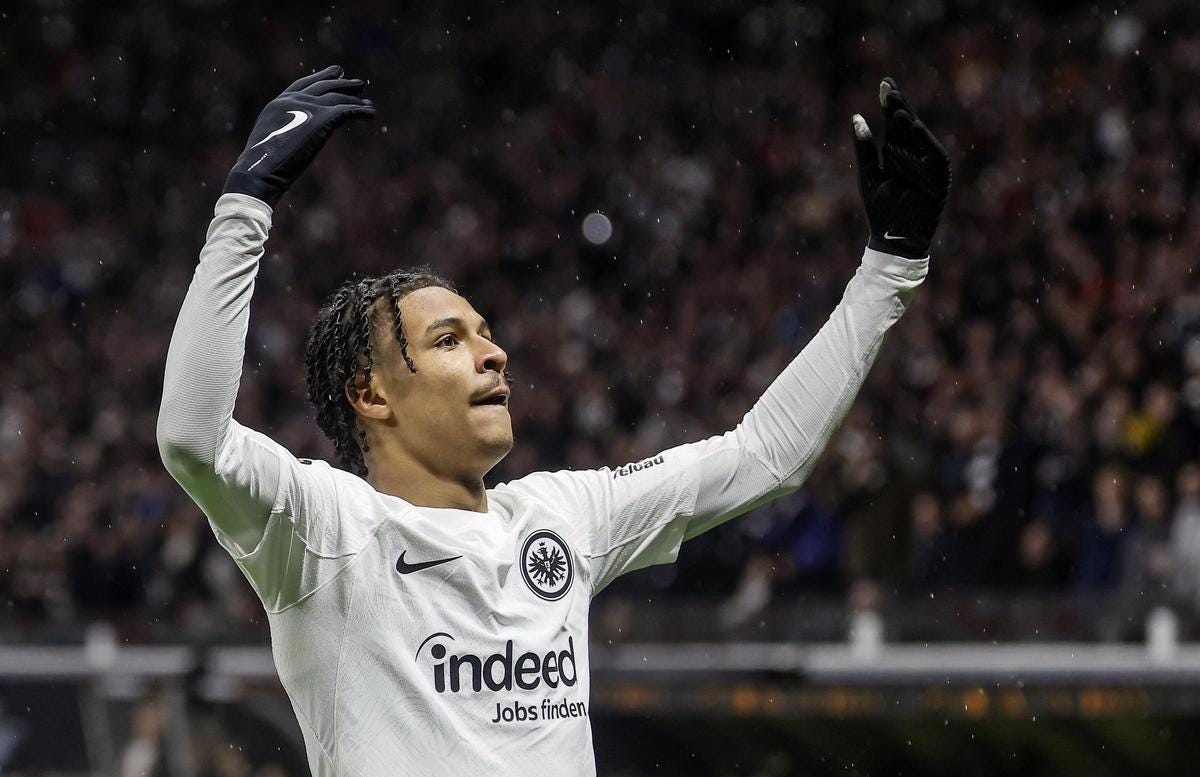
Meïté’s move does not exist in isolation. We have seen this before. Gabri Veiga, just 21, was coming off a breakout season at Celta Vigo when he turned down interest from several European giants in favour of a move to Al Ahli. It was one of the first clear signs that Saudi Arabia’s ambition extended beyond established stars and into football’s next generation. If elite prospects can be persuaded, others will inevitably follow. Particularly those outside the absolute top tier of Europe’s academy system. Even now, reports have emerged of Saudi interest in Jean-Mattéo Bahoya, the 20-year-old Eintracht Frankfurt winger who has been one of the Bundesliga’s standout young talents this season.
European clubs may still attract the very best, at least for now. But football does not require a mass exodus to feel the impact. Losing even five to ten per cent of the next generation would be enough to reshape competitions, distort talent pipelines, and permanently alter the transfer market.
The Power Shift Has Begun
This isn’t merely about wages. It’s about leverage. Saudi clubs can afford to overpay without consequence. They don’t need resale value, they don’t need Champions League qualification to balance the books. European clubs do.
That imbalance means negotiations are no longer equal. When a Saudi bid arrives, it sets a new baseline that most if not all, European teams simply cannot match without risking financial collapse. Meïté’s transfer isn’t a warning shot. It’s confirmation that the strategy has evolved.
When Prestige Stops Being Enough
European football has long believed that history, prestige and competition would always be enough. But Meïté’s move suggests that belief is becoming increasingly fragile. If Europe cannot offer young players greater security alongside ambition, it risks losing control of its own future. Because once certainty becomes more valuable than legacy, the game’s traditional centre of gravity will continue to drift, and it may not come back.
Thanks for reading The Tanton View! Subscribe for free to receive new posts and support my work.
Comments
Nothing yet. Say the first thing.
Sign in to join the conversation.