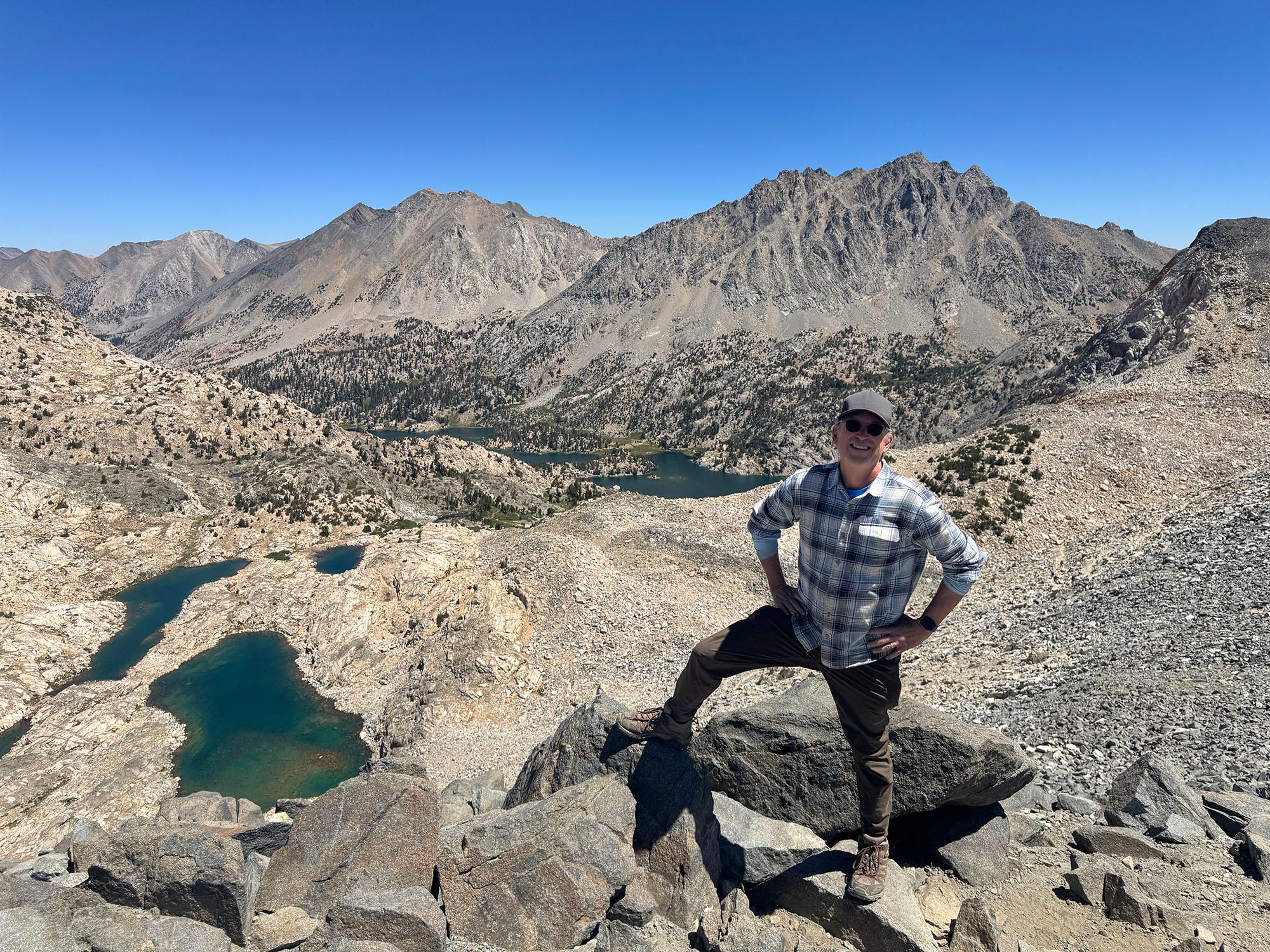
Pain, Strain and Gain on the Rae Lakes Loop
Five days, 45 miles, 7,000 feet of climbing elevation, and a welcome escape from the noise of everyday life.

California, explained. Science, landscapes, and hidden systems of the Golden State. New stories weekly.
Subscribe:.rss.atom.json.md.m3u.pls
Live Last read · last published · next check
Saves to your Listen queue, to pick up on another day or another device.
Five days, 45 miles, 7,000 feet of climbing elevation, and a welcome escape from the noise of everyday life.
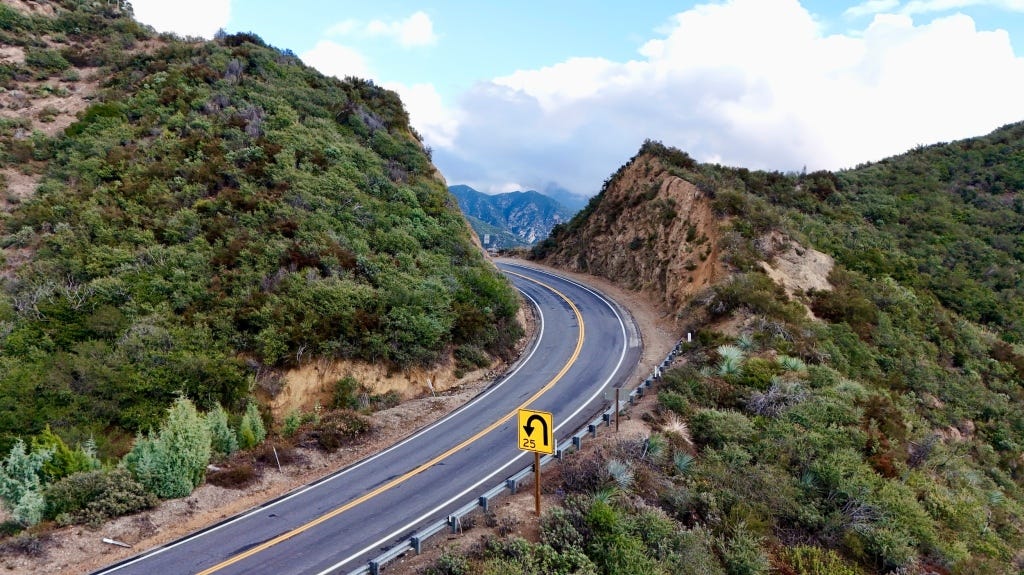
How geologists read millions of years of history in California's highway roadcuts.
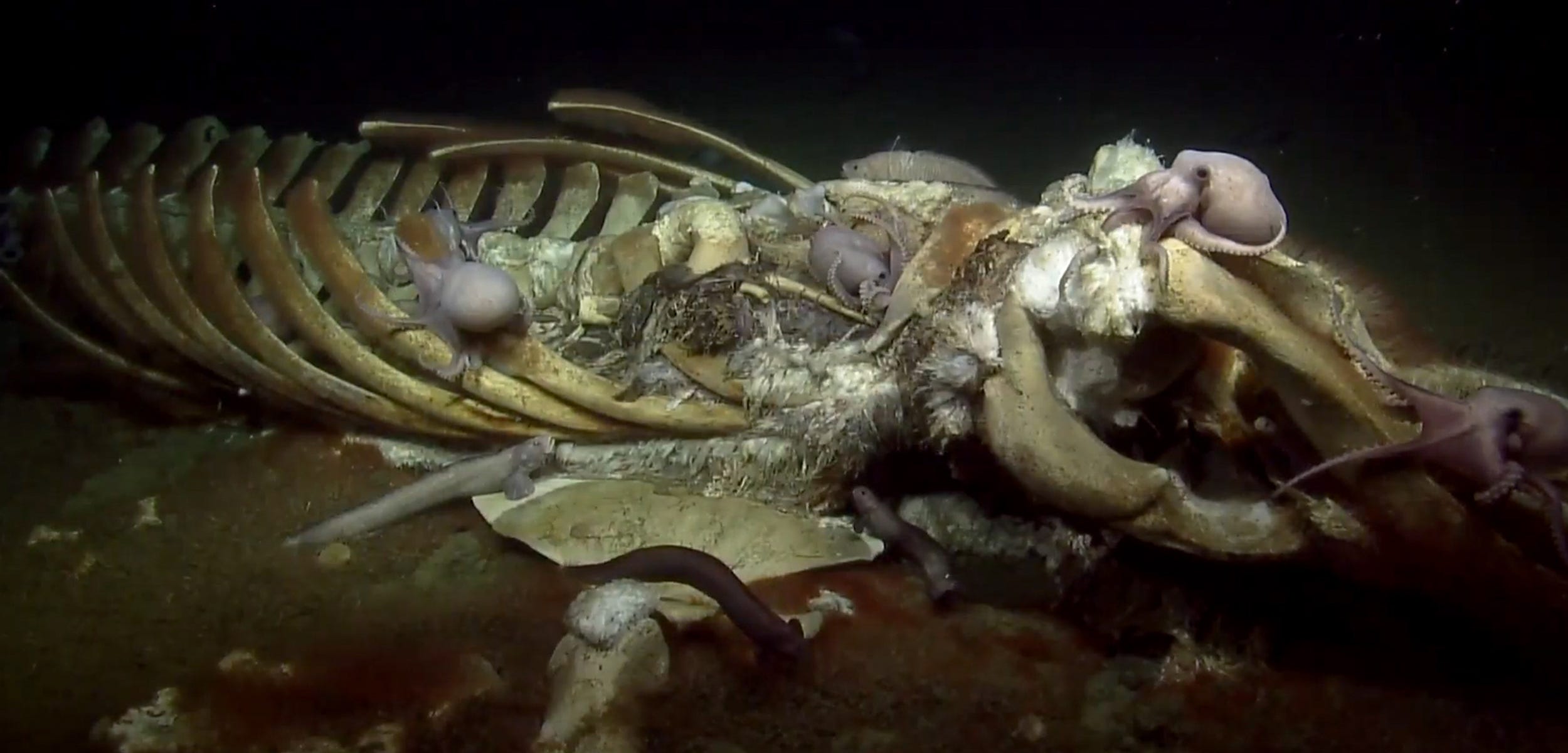
Whale falls offer scientists a treasure trove of information about life in the deep ocean. Microbiologist Jeffery Marlow talks about the importance of microbes.
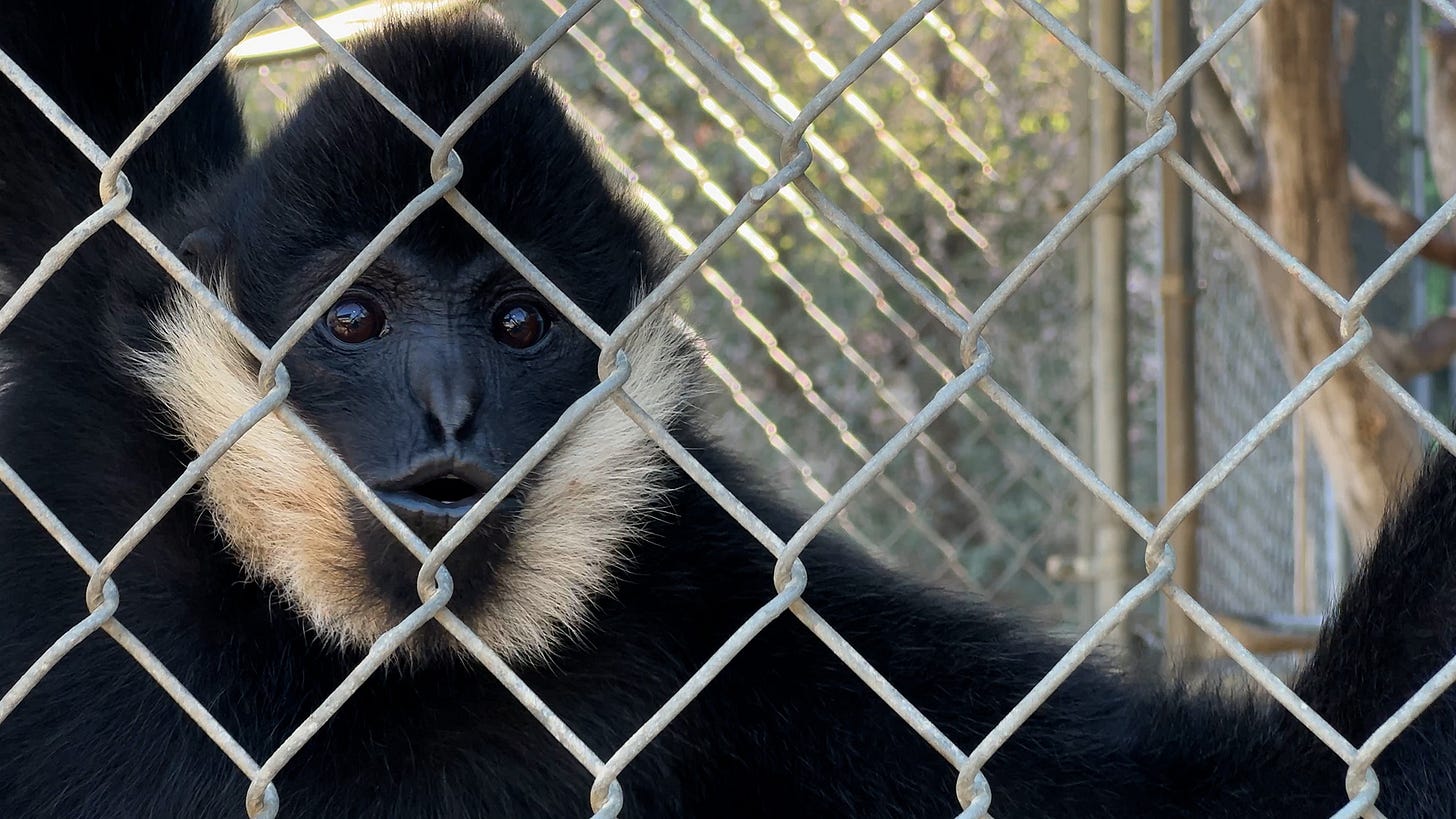
The Gibbon Conservation Center in Santa Clarita is home to about 40 endangered apes and has become a globally important center for conservation, research, and education.
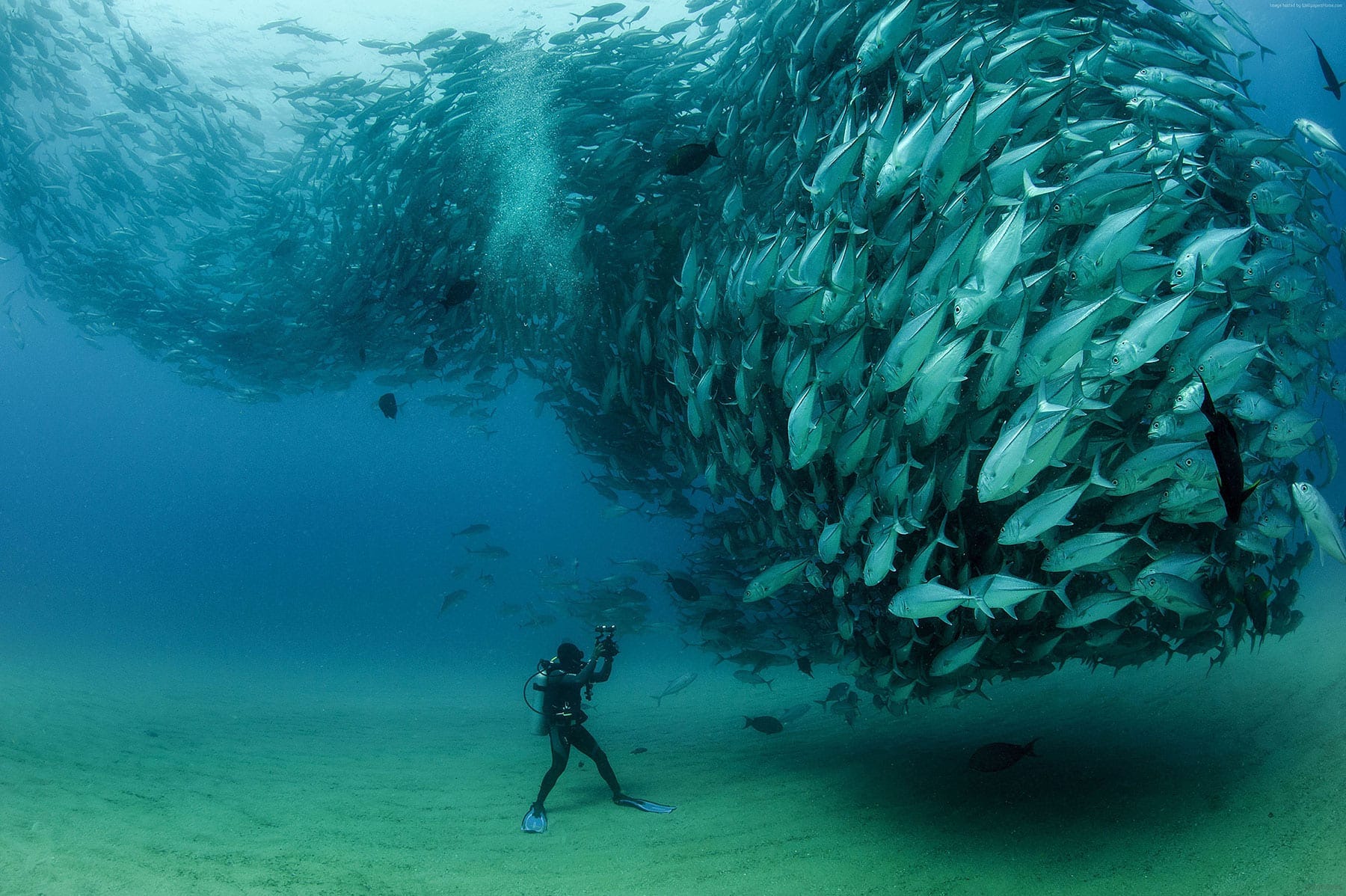
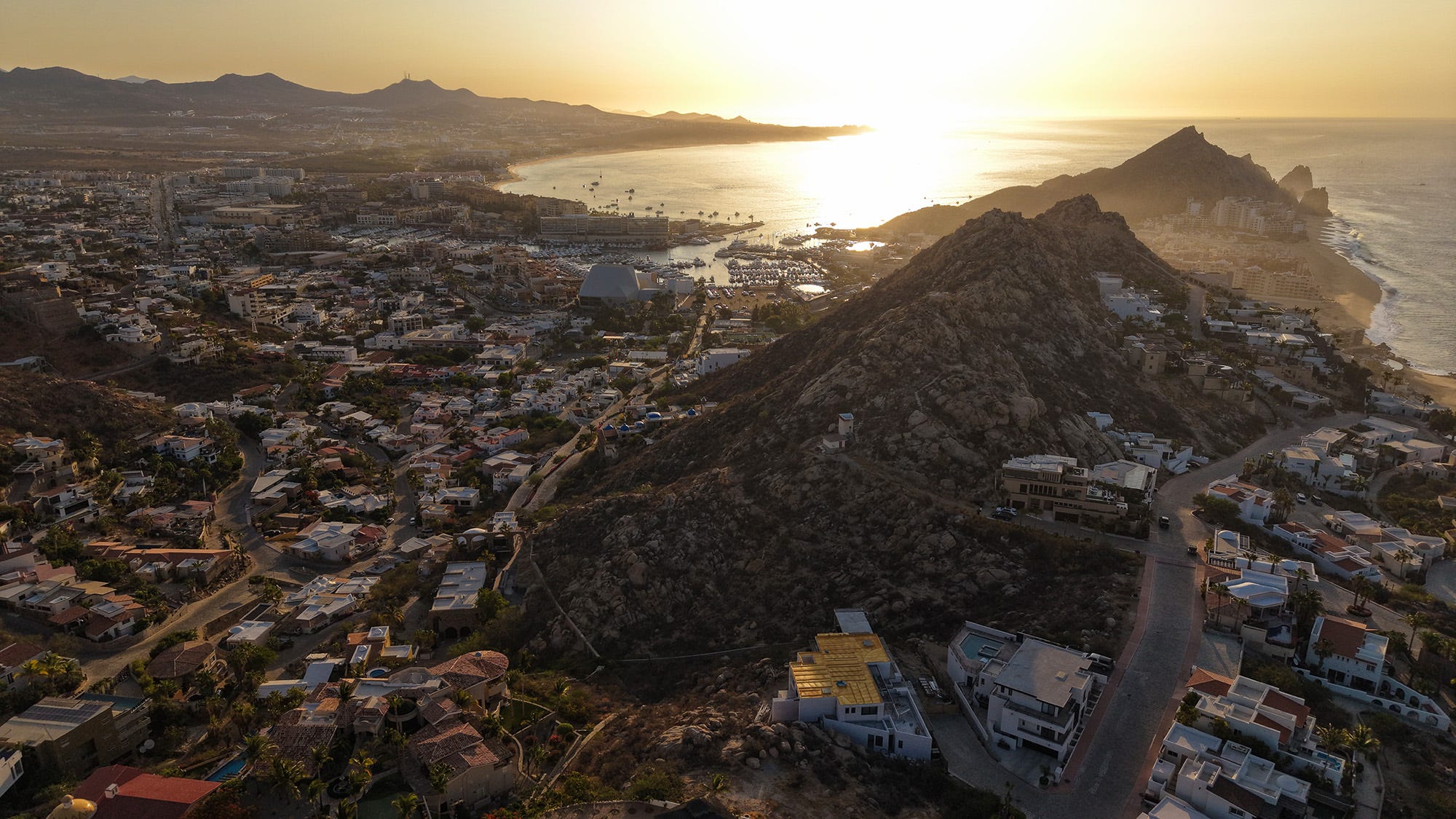
How local fishermen transformed Cabo Pulmo into one of the world's greatest marine conservation success stories.
Don't worry, you won't be around to see it.
Deep-sea scientist Jeffrey Marlow discusses the astonishing diversity of microbial life, whale falls, hydrothermal vents, deep-sea mining, and the tiny organisms that help make Earth habitable.
From microscopic plankton to billions of barrels of oil, few rock formations have shaped California's history more profoundly.
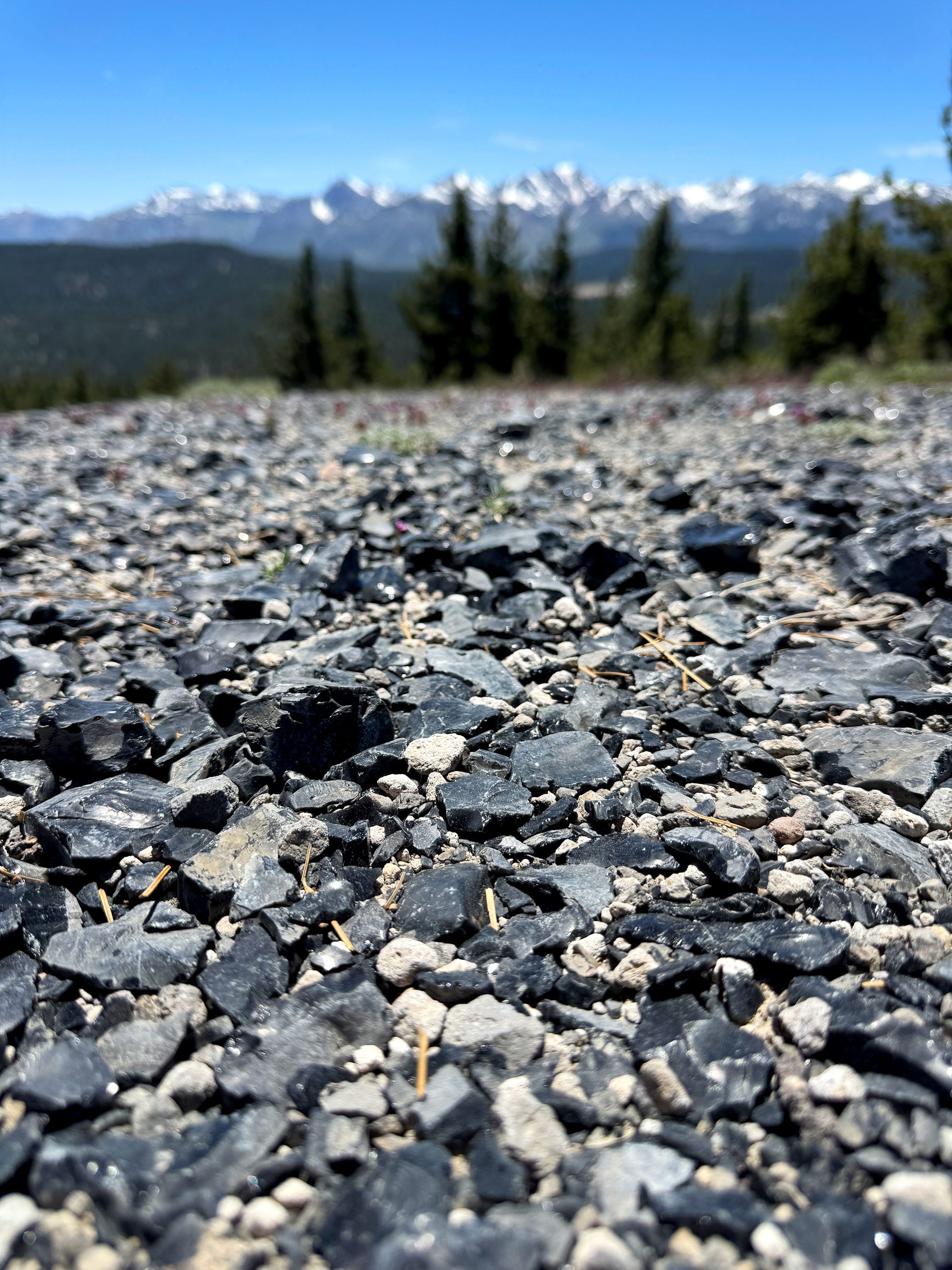
Lookout Mountain obsidian became prized toolstone, traded through Indigenous networks from the eastern Sierra to the Channel Islands.
The Long Valley Caldera owes its existence to one of the most dramatic volcanic events in Earth’s history, a super-eruption that occurred approximately 760,000 years ago.
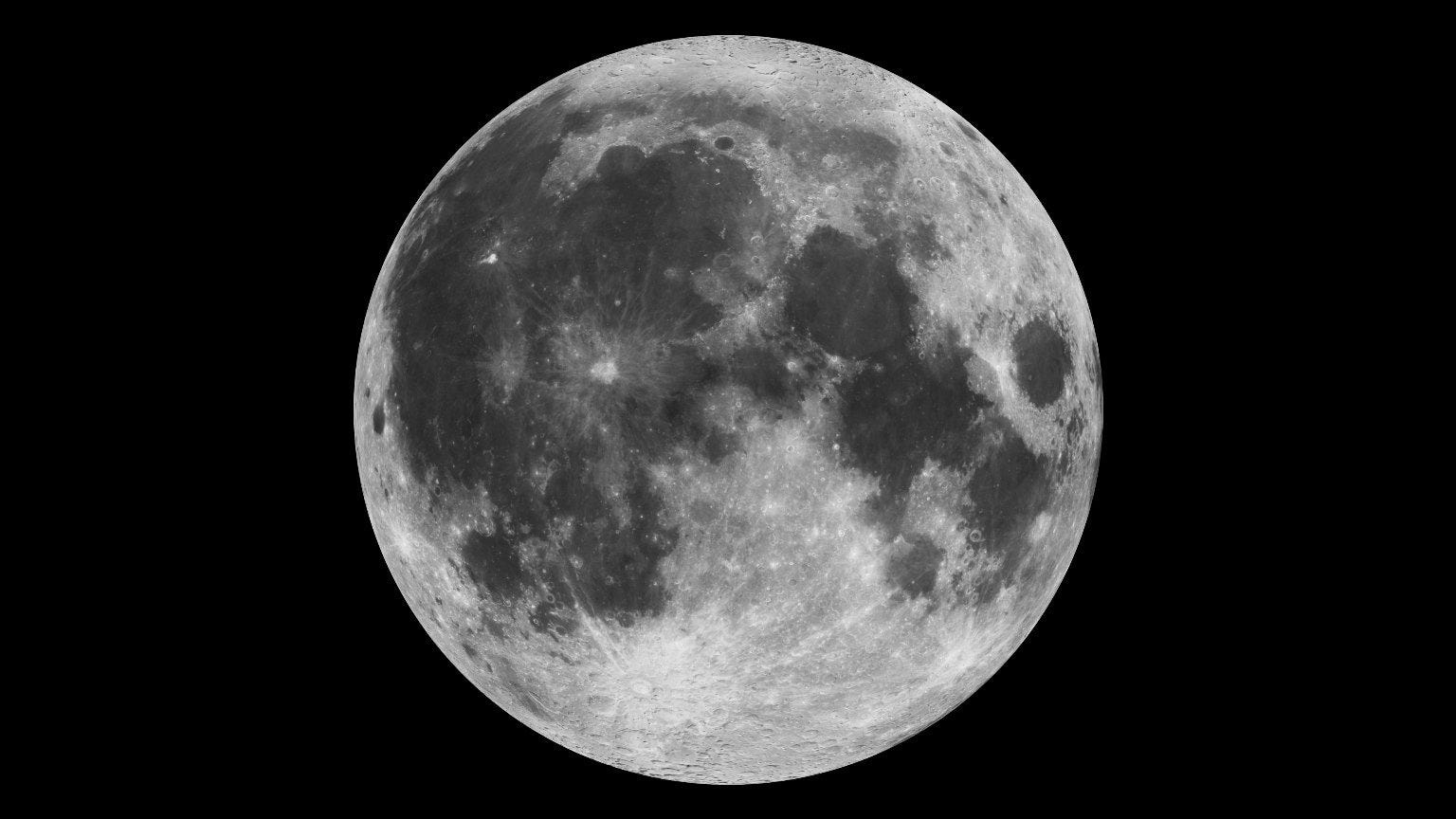
An 18.6-year lunar cycle is expected to amplify tides just as rising seas push more of California’s coastline toward flooding thresholds.
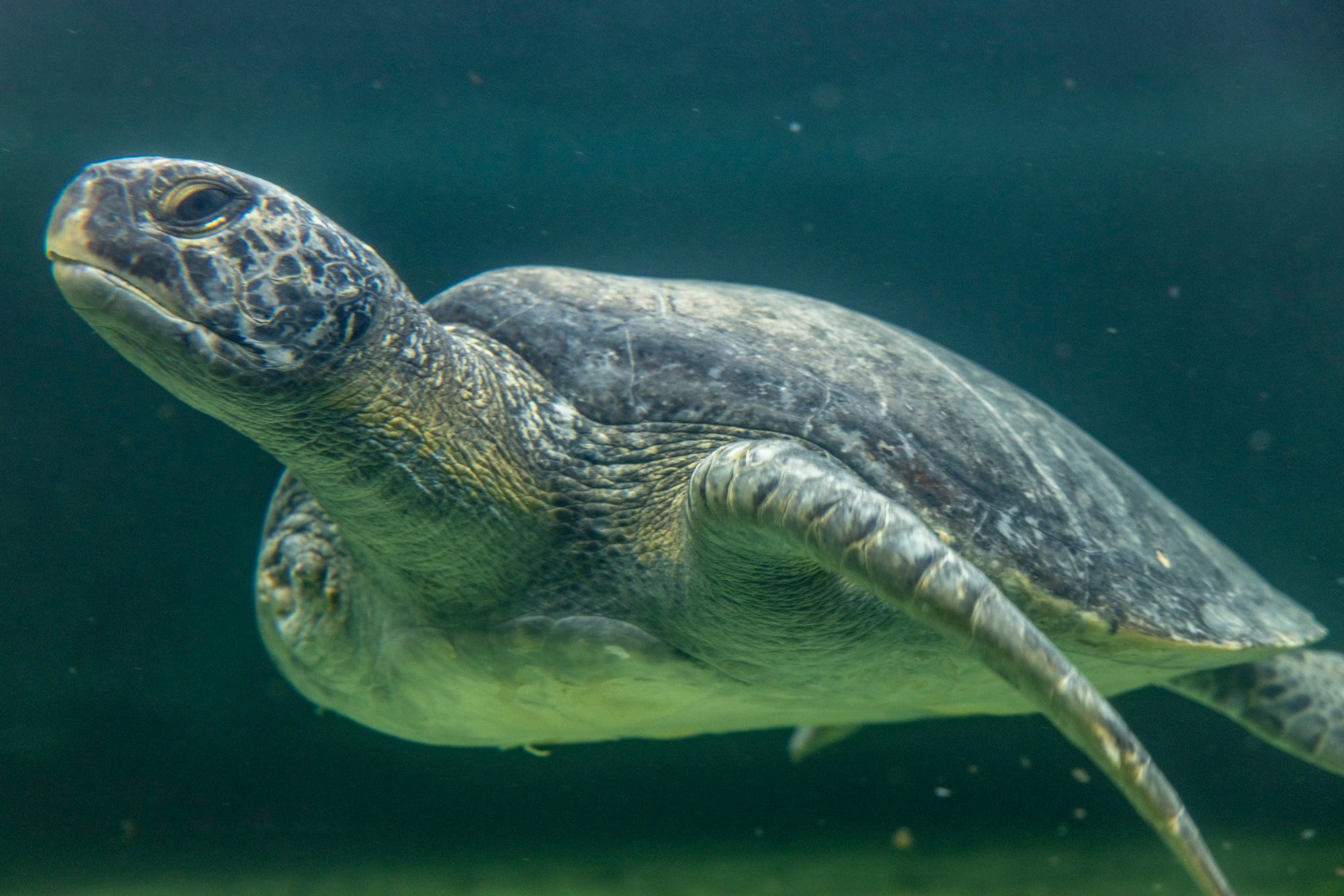
A threatened population of green sea turtles is thriving in the concrete channels of the San Gabriel River in Long Beach.
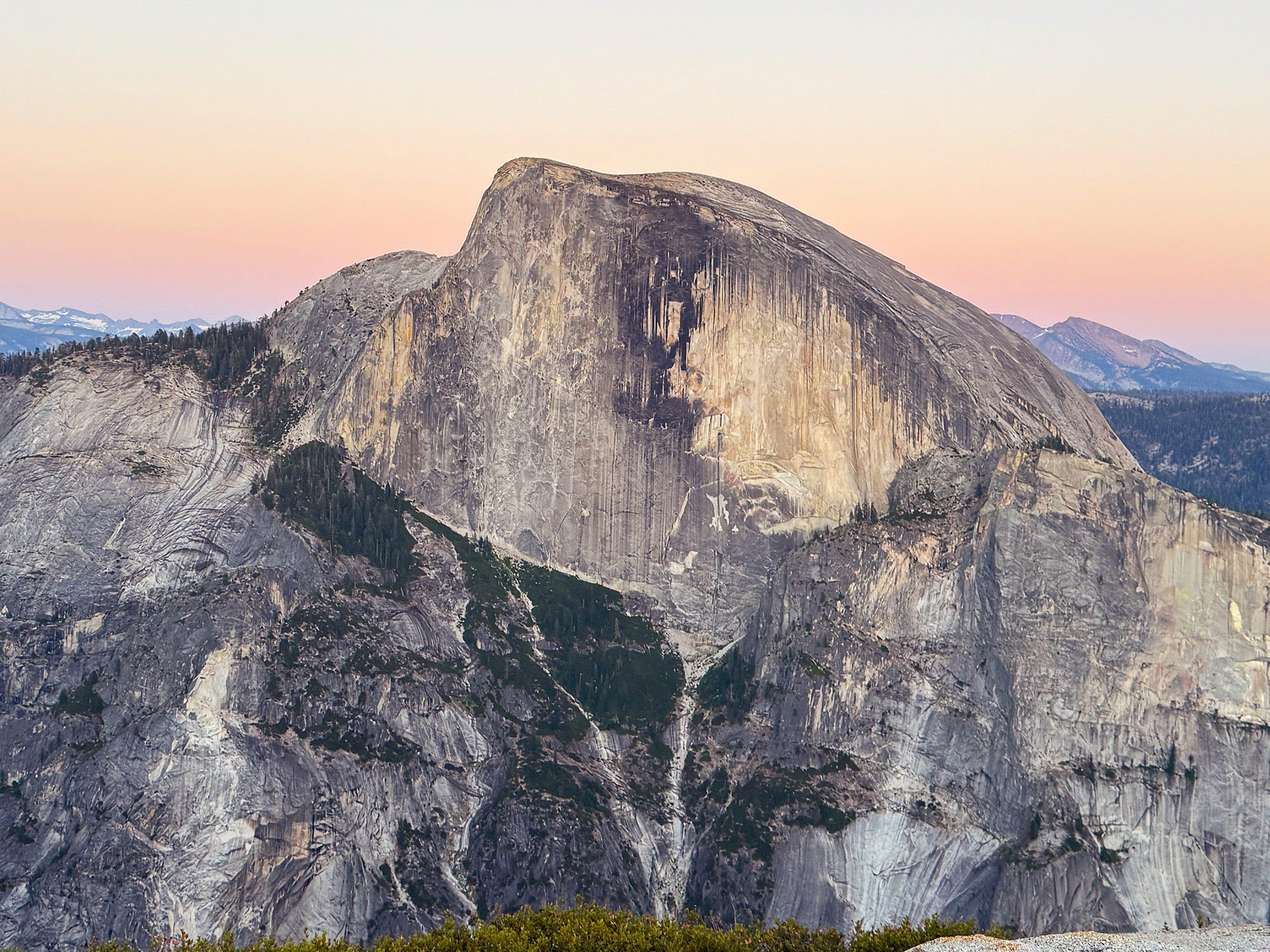
Exfoliation helped create Yosemite’s famous rounded granite domes and continues to peel the cliffs apart in massive sheets of rock.
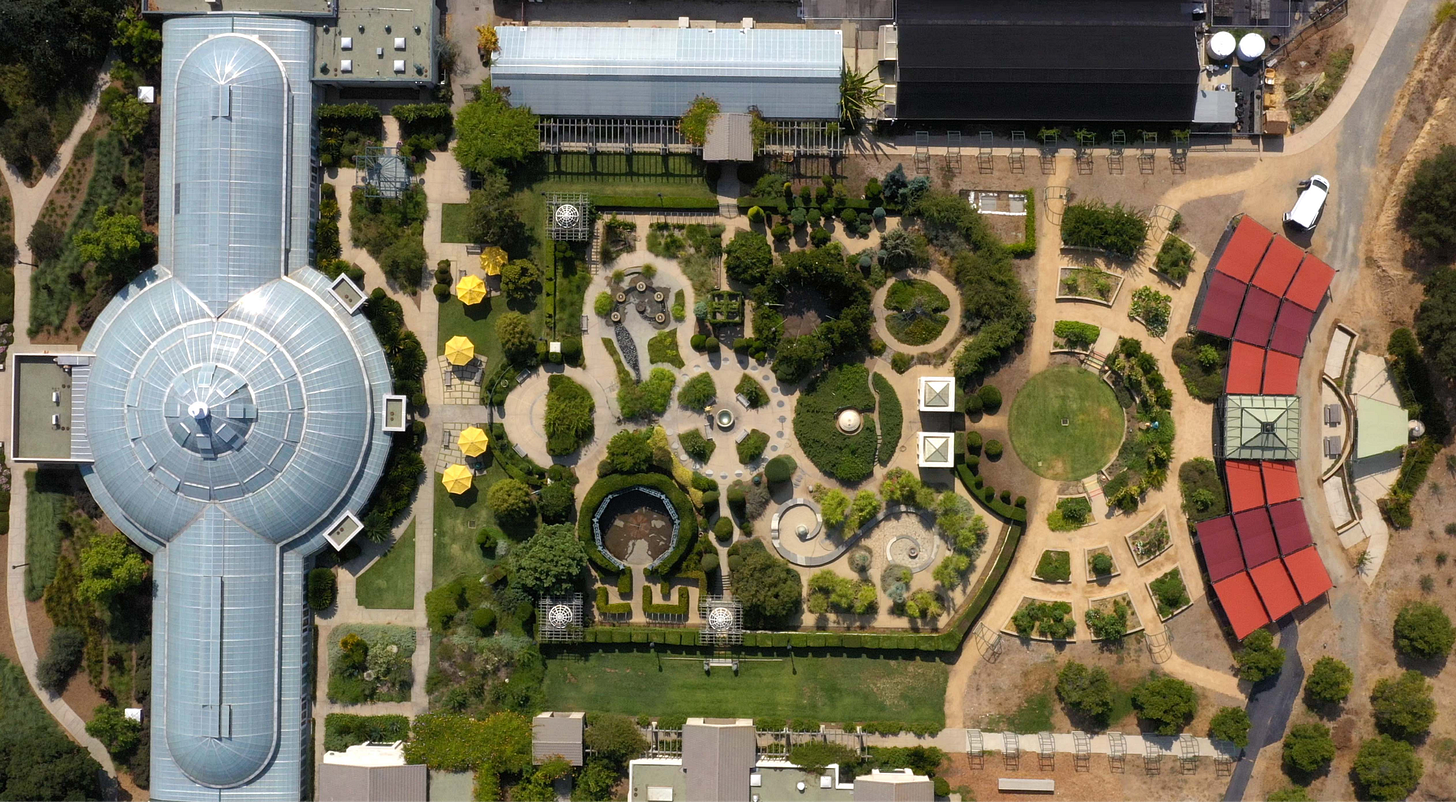
At The Huntington, one of the world’s great succulent collections reveals how plants from some of Earth’s harshest climates evolved to survive, even as many species face threats from plant theft.
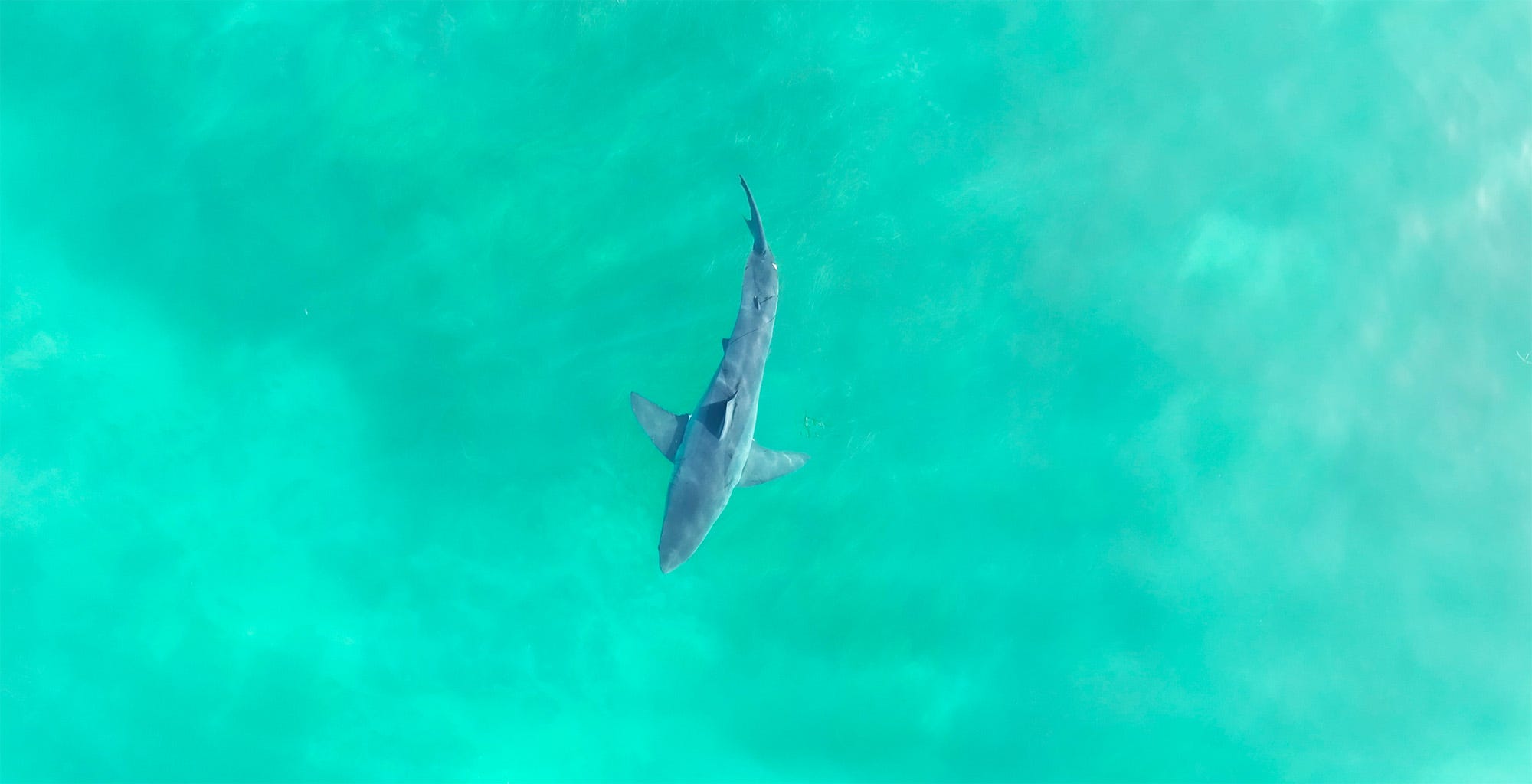
Shark populations are rebounding along California’s coast, and the risks may be far lower than people think, says Chris Lowe, the director of the Shark Lab at Cal State Long Beach.
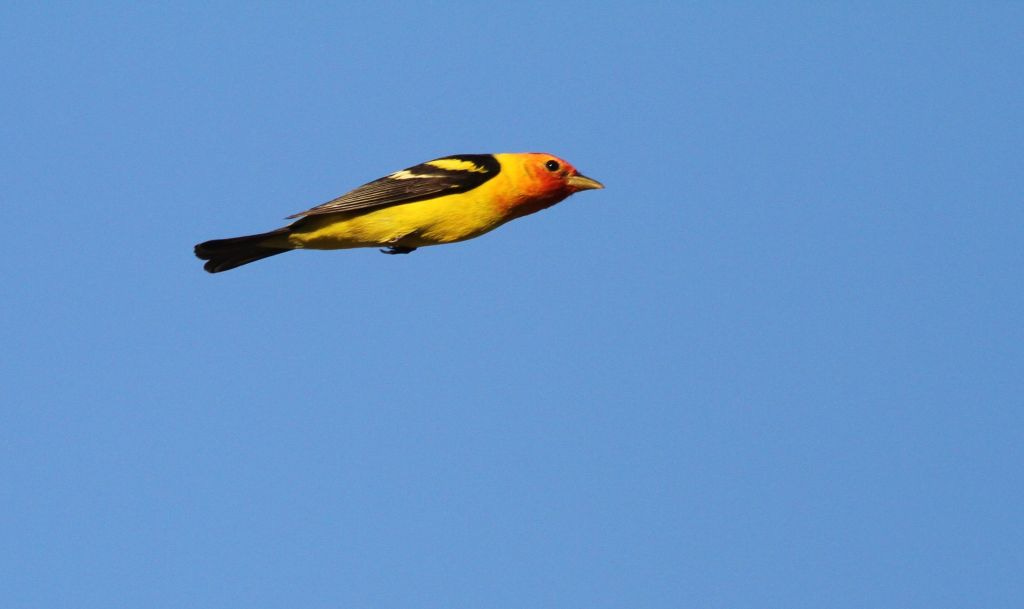
Bear Divide, newly discovered, is one of the only places in the western United States where you can see thousands of birds migrating during daylight hours.
In the 1960s, as America raced to the Moon, the Navy sent aquanauts to the ocean floor off La Jolla in an ambitious experiment called SEALAB II.
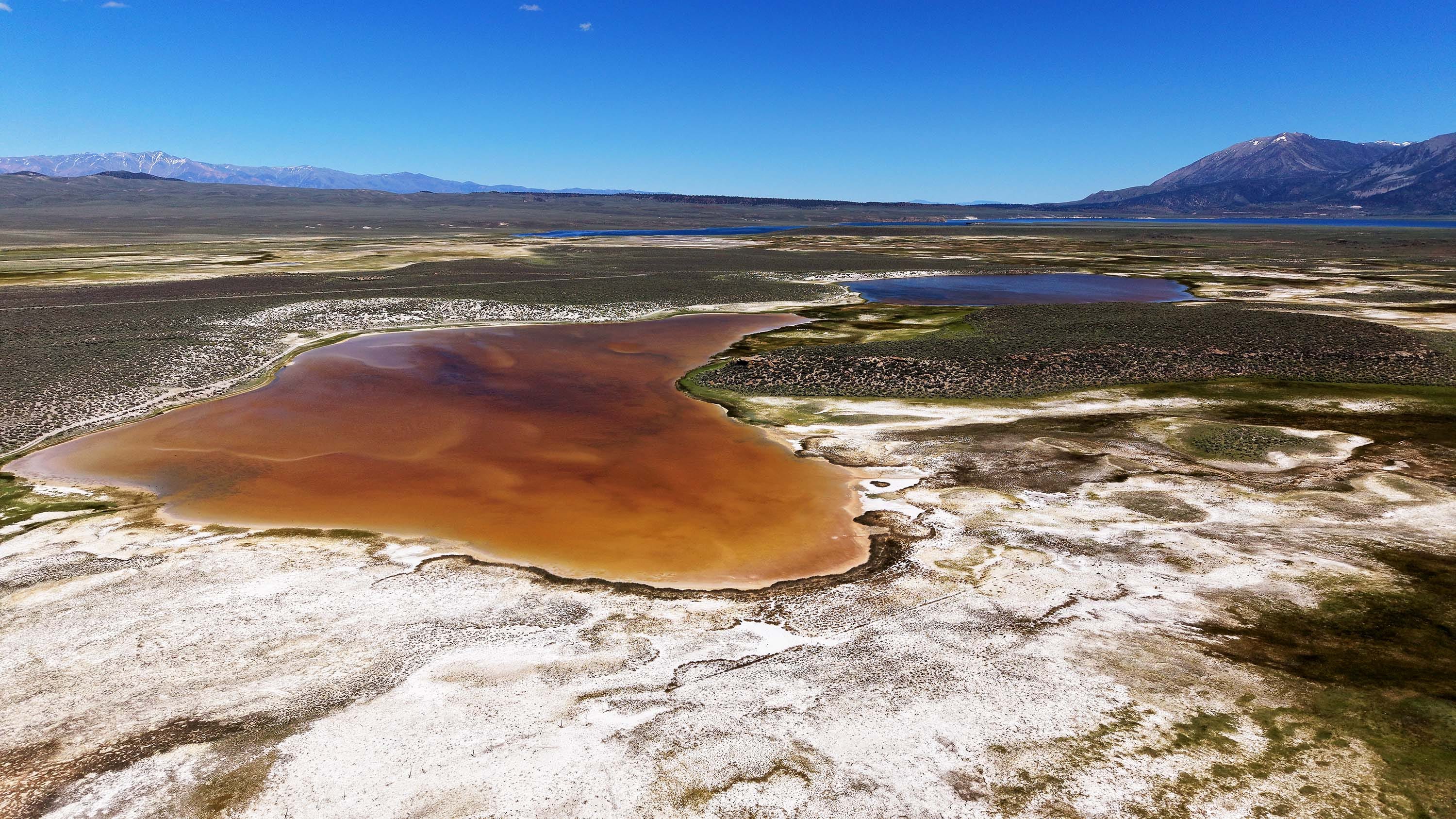
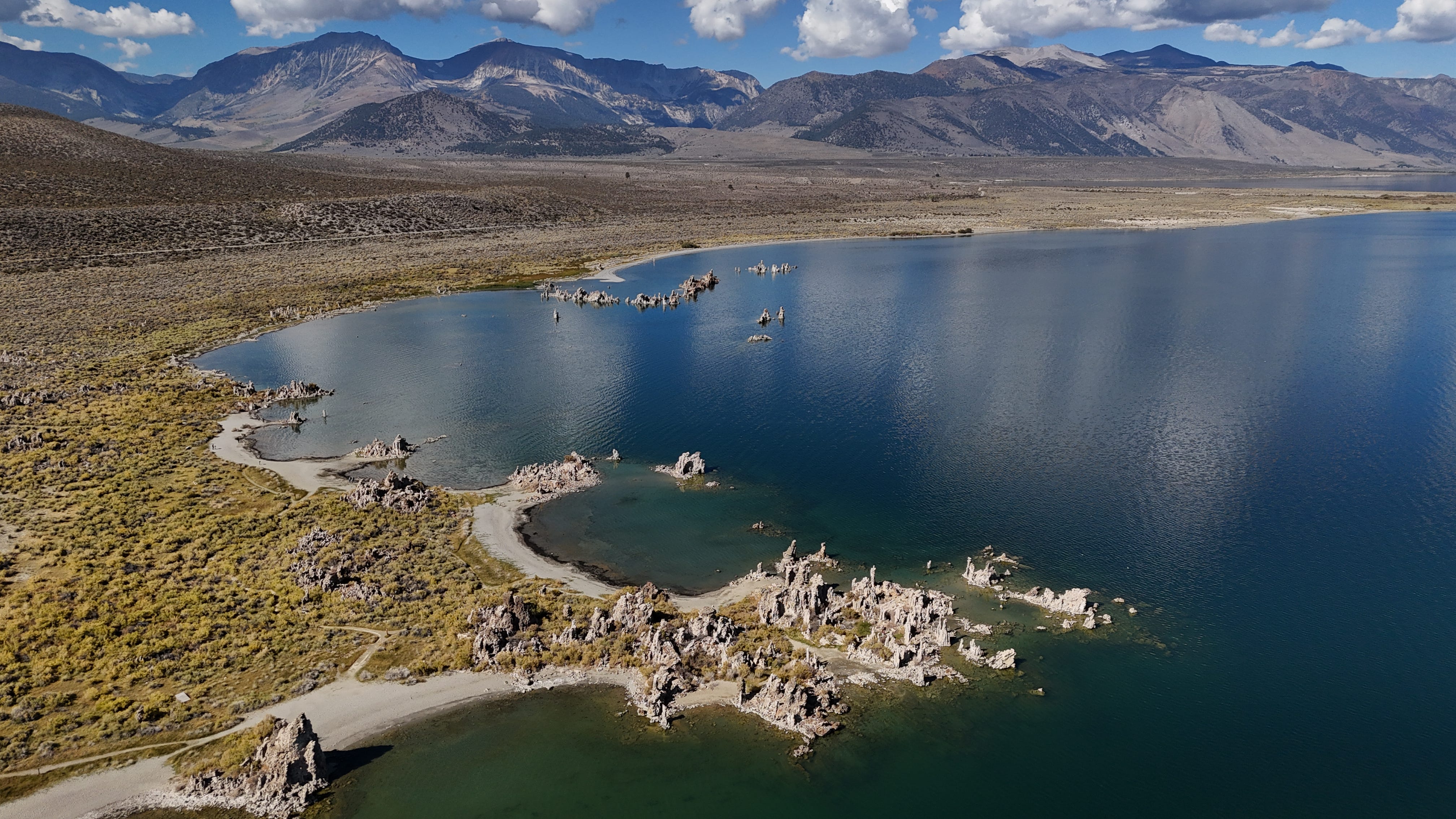
Tufa towers, brine shrimp, and one of California’s most unusual ecosystems. And don't forget the flies!
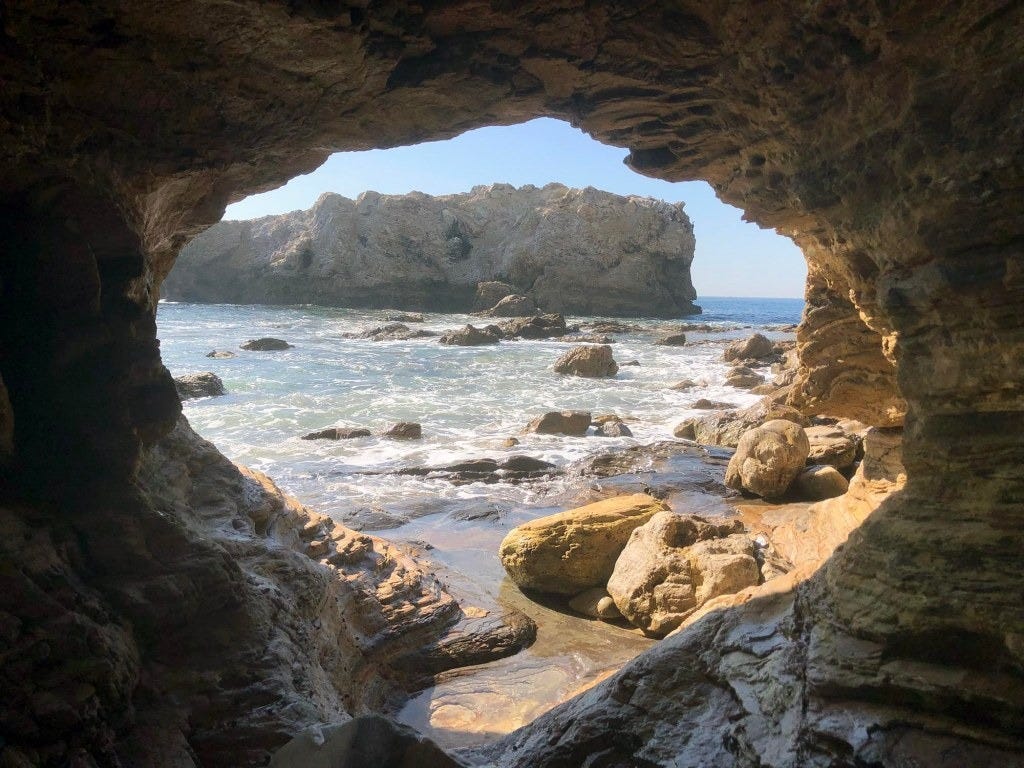
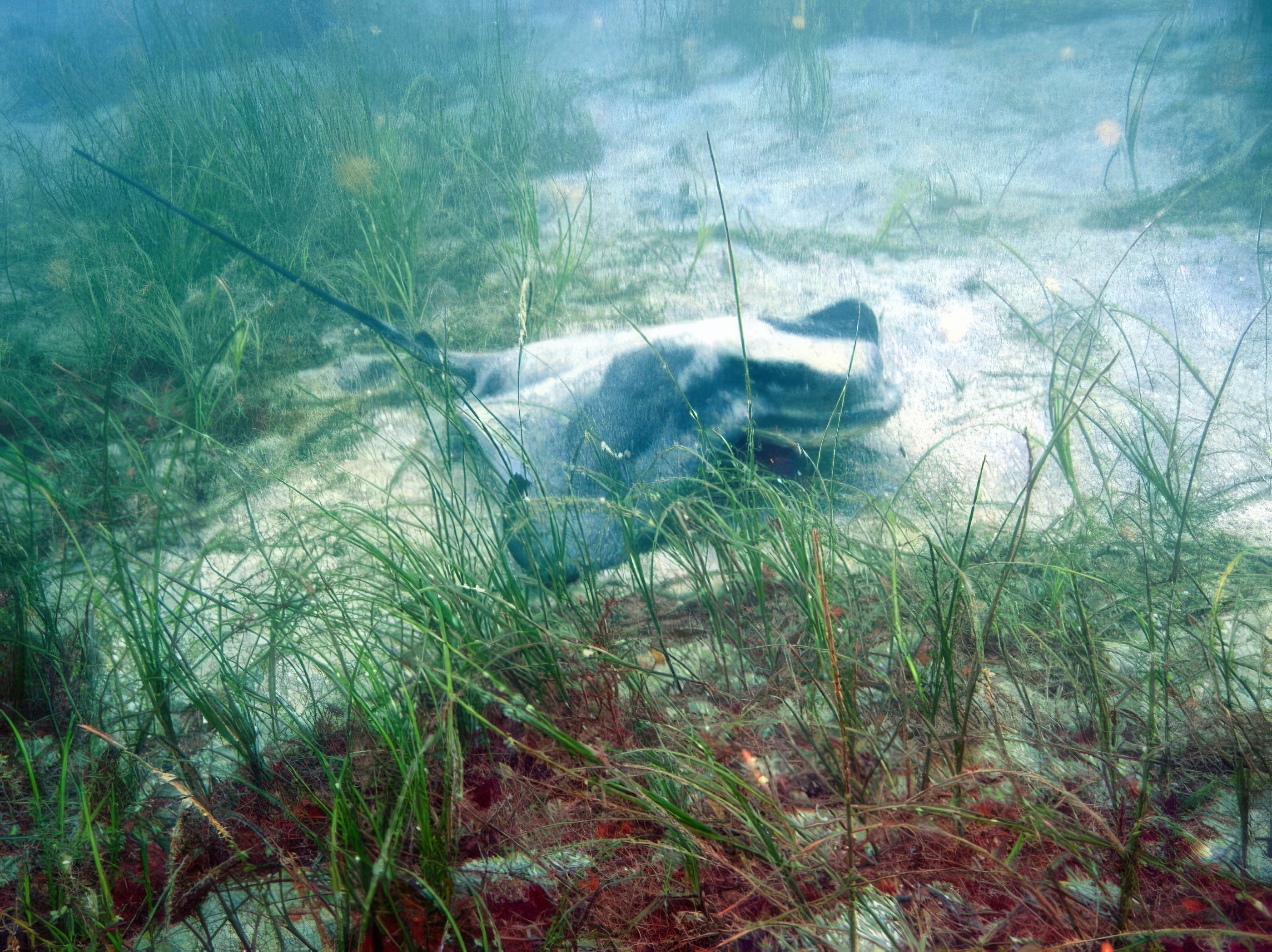
Seal Beach has the perfect conditions for Stingrays to feed, breed and sting unsuspecting swimmers.
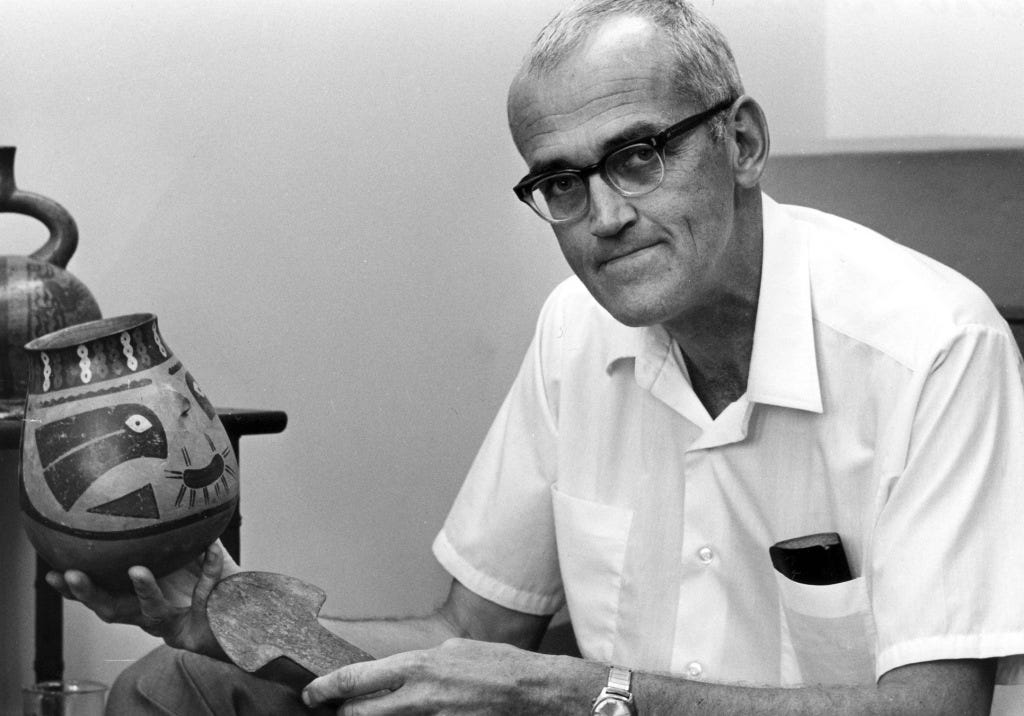
At Caltech, Clair Patterson's relentless determination to understand the health impacts of atmospheric lead changed the world for the better.