
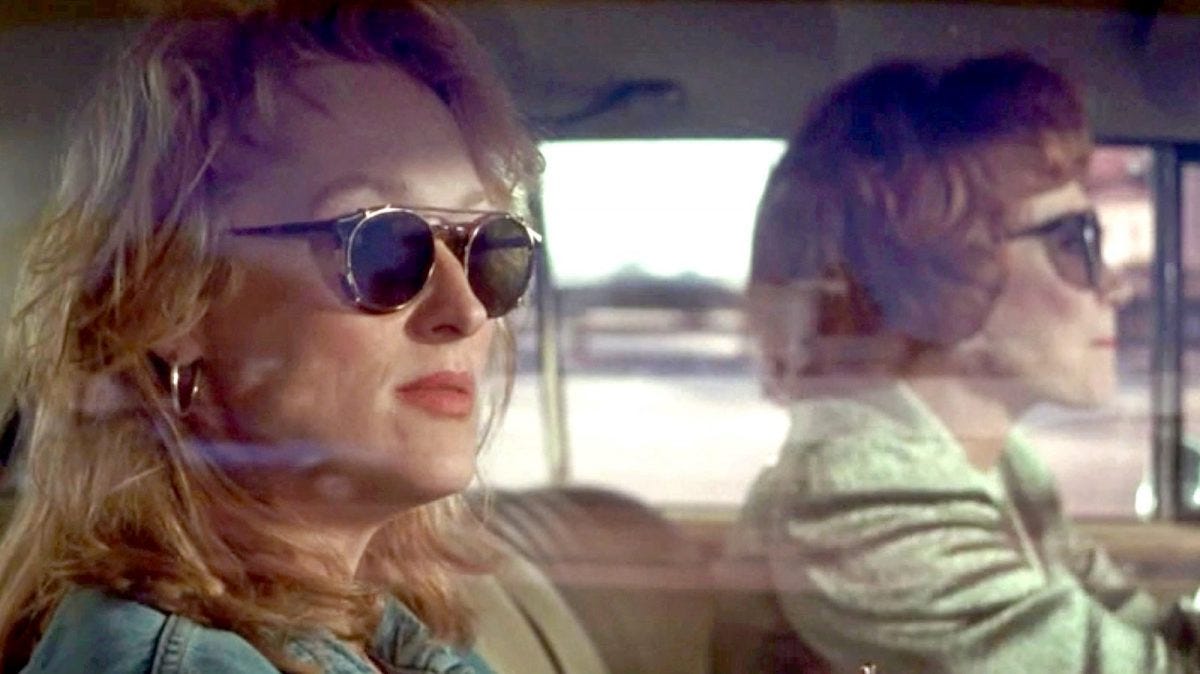
Postcards from the Edge is a semi-autobiographical story written by Carrie Fisher, adapted from her novel, starring Meryl Streep as Suzanne Vale, a struggling Hollywood actress recovering from addiction after a cocaine overdose and a brief rehab stint, attempting to rebuild her life and career in the midst of confronting the toxic relationships, her dysfunctional mother, and the chaos of Hollywood culture that has defined her life. She works in an industry that depends on performance, appearance, and the ability to remain entertaining even while suffering. Her personal pain is constantly filtered through professional expectations. The film is a raw depiction of the realities of drug addiction and the complex relationships that often live alongside it. In this film, sobriety isn’t a fix-all to Suzanne’s problem; it is the catalyst that forces her to recognize and cope with the patterns in her own life as she learns to reconcile the disconnect between herself and the world around her. Suzanne’s journey is unpredictable and a bit messy, but it highlights the reality of recovery as unglamorous, a reclamation of identity through establishing boundaries and recognizing her own needs, creating distance without completley eradicating the relationships between her and the people and places that previously defined her. The film is relatable, funny, raw, and deeply human, teaching us that consistency and healing are built through the gradual act of learning how to live with yourself without continuing to disappear inside of the pain.
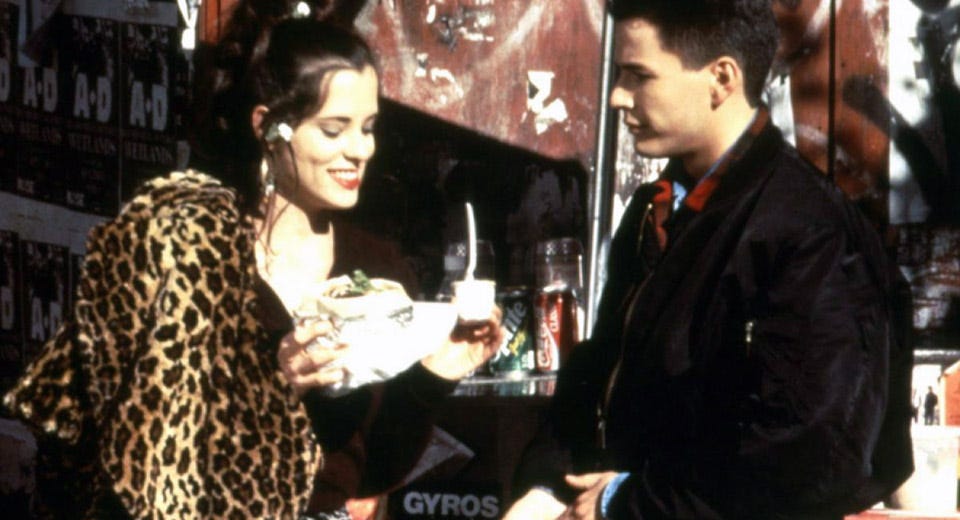
In the 1995 film Party Girl, starring the iconic Parker Posey as Mary, a young New Yorker who’s deeply interested in the city's underground club scene, throwing parties, nightlife, and not much else. After Mary is arrested for selling tickets to an illegal underground rave, her godmother bails her out and offers her a job as a librarian to repay the bail money. Mary struggles to acclimate to the serious and rather dull environment of her latest job, with demanding patrons, a stressful organizational system, and demanding professional standards. Eventually, she learns the Dewey Decimal System and becomes more invested in the work. Through success at her new job, she discovers that she is more than just a party girl, and that she is, in fact, intelligent, capable, and genuinely suited for the job. At this point, her lifestyle and friendships begin to clash with her new identity, as those around her fail to adapt their perception of her, keeping her attached to her old way of life. Mary develops a relationship with Mustafa, a Lebanese street vendor who was a teacher in his home country, and has hopes of becoming a teacher again in America. The relationship forces Mary to confront her selfishness and the ways her lack of direction affects the people around her. The film is a fabulous coming-of-age story about a young woman discovering that growing up does not require sacrificing pleasure or style, but rather learning to channel that creative energy into something productive and beneficial.
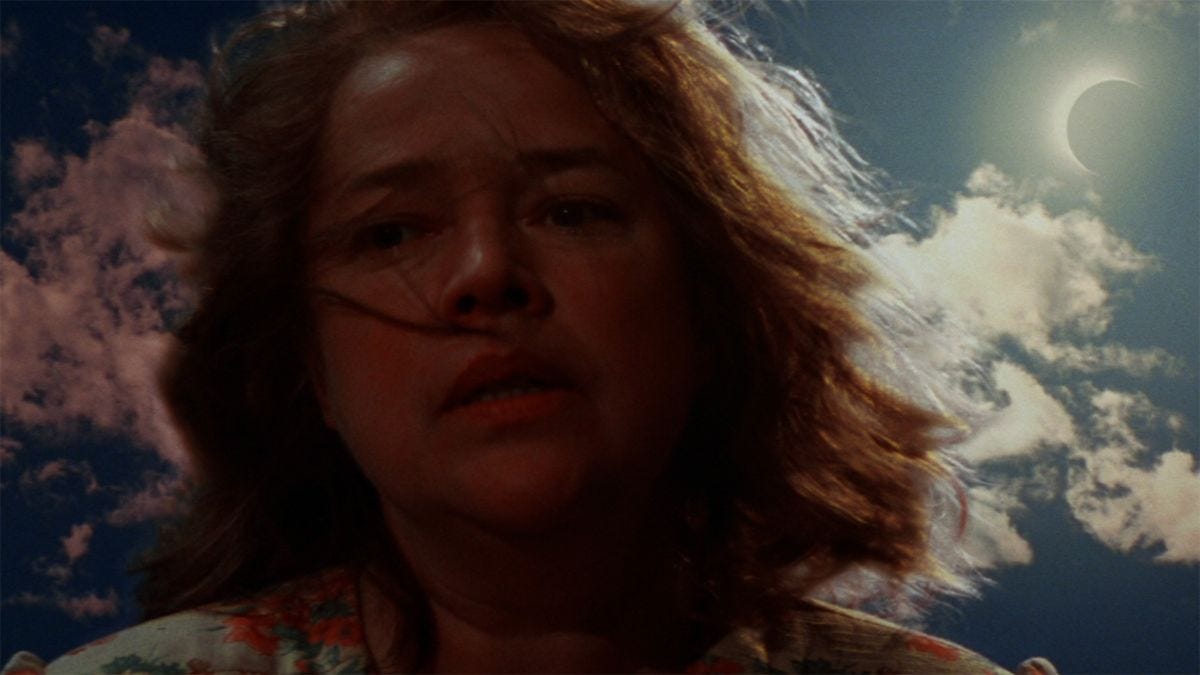
Dolores Claiborne is perhaps one of the more underrated 90’s feminist films, adapted from Stephen King’s novel of the same name. Dolores is a cleaning woman for a wealthy older woman, Vera Donovan, but when Vera is found dead at the bottom of her staircase, Dolores becomes the prime suspect. The investigation is motivated primarily by Dolores's reputation after continued suspicions surrounding the events of her abusive husband’s death almost twenty years prior. After her arrest, Dolores reunites with her estranged daughter, who holds resentment towards her mother for the trauma of her childhood. The two women must confront the pain of the past and reconcile the years of domestic abuse. Through a series of flashbacks, it’s revealed the torture her husband put her through, the harsh and demanding workload from Vera, and the hard choices Dolores made to protect herself and her daughter. The reality surrounding her husband’s death emerges more clearly and becomes intertwined with Selena’s fragmented memories of her childhood. Dolores must battle not only the legal situation she is in but fight to convince her daughter that she tried to protect her. At the center of the film is the complicated relationship between Dolores and Selena, shaped by years of silence, misunderstanding, sacrifice, and the lasting effects of abuse. As the circumstances of both deaths are revealed, the film develops into a psychological mystery about survival and the complicated choices people make when the system fails to protect them.

The First Wives Club follows Annie MacDuggan Paradis, Brenda Morelli Cushman, and Elise Elliot Atchison, three former college friends who reunite after the death of their friend Cynthia. Years earlier, the four women had promised to remain close, but time and the struggles of adulthood cause them to inevitably drift apart. Cynthia’s death by suicide, following her husband’s decision to leave her for a younger woman, forces Annie, Brenda, and Elise to reconsider their own lives and the sacrifices they have made for their marriages. Each woman is dealing with a husband who has abandoned or devalued her. United by their anger and shared sense of betrayal, the women create the First Wives Club and begin planning revenge against their husbands. Using their personal strengths to uncover various financial and professional misconduct and disturb the relationships their husbands have formed with younger women. Allowing them to reclaim power from men who mistreated them for so many years. When the revenge is successful, the women are confronted with the question of whether they simply want to punish the men who hurt them or build something meaningful from their shared experience. Rather than keeping the money they got from their mission, the three friends establish the Cynthia Swann Griffin Crisis Center for Women in memory of their late friend. Transforming their effort from one of personal gain to collective advancement. The film celebrates women refusing to make themselves smaller as they age and finding happiness through friendship, community, and living on their own terms.

Clockwatchers (1997), written and directed by Jill Sprecher, follows an unsure young woman named Iris, who begins working as a temporary employee at a large credit company. As a temp, Iris is expected to perform the office’s administrative work while remaining nearly invisible within it. Iris soon befriends three other temporary workers who each respond differently to their unstable position. Although their personalities and goals differ, the women form a friendship through their shared understanding that they are viewed as menial laborers rather than actual members of the workplace. The four women spend their breaks together, joke about their coworkers, and create a small social world within an office that otherwise refuses to acknowledge them. Their friendship gives Iris a temporary sense of identity and belonging. However, things start to change when little things start disappearing from employees’ desks. As the investigation heats up, the four women begin to separate as one; Margaret, the most outspoken, is accused of the thefts. However, she is innocent, yet Iris finds out too late to prevent her from being fired, which reveals how the system views workers with temporary statuses and an unwillingness to conform to corporate standards. By the end of the film, Iris has become a permanent employee, but this apparent success feels empty. While she now has her own desk and a recognized place within the company, she also feels more isolated and struggles with her complicity in the system that previously made her feel invisible and targeted her friend.

One of the most iconic 90’s films, Practical Magic, follows sisters Sally and Gillian Owens, descendants of a long line of witches who have a history of being misunderstood by their community. Raised by their eccentric aunts, the sisters grow up surrounded by both magic and curses, specifically one that states any man an Owens woman truly loves is destined to die. Terrified of the curse, Sally casts a spell that will allow her to fall in love with only one man, one she believes doesn’t exist, with the hope of never experiencing love at all. Sally does eventually settle down, marries, and has two daughters. She attempts to build an ordinary life away from magic, but after the family curse takes her husband, she returns to her childhood home and attempts to protect her daughters from both grief and the supernatural legacy she has spent years trying to reject. Gillian takes a different approach, leaving home to pursue a less traditional life life but her desire turns dangerous when she becomes involved with Jimmy Angelov, a violently abusive man. The sisters attempt to team up and escape Jimmy, but their confrontation ends in his accidental death. Panicked, they use dark magic to bring him back to life, only to discover that he has returned as something more terrifying than before. The sisters must then avoid the police, embrace the perspective of love, and allow themselves to heal in different ways. The film explores inherited trauma contrasted with inherited courage. Ultimately, the film suggests that the curse is broken not by avoiding love in totality, but by embracing relationships and connection while confronting our shame.
Meet the Author: Cailey Davern
I graduated from DePaul University with a Degree in Communications and Media (Go Blue Demons!). I currently work at a NYC-based Marketing Agency as a Social Media Lead who runs the social accounts for Non-Profit clients. I currently reside in the Chicago suburbs and live with my cat, Harley, who is 3. I love all things vintage fashion, music, and movies. I am an avid reader, and I love books adapted into movies and short series. In my free time, I enjoy thrifting, collecting vinyl, going to live shows, spending time with friends, and watching movies!
Letterbox’d: https://boxd.it/auB2T
Comments
Nothing yet. Say the first thing.
Sign in to join the conversation.