

signed off on one of his recent video posts with the words, “Kindness, love, that’s really all we have.”
I’ve been thinking about kindness and love a lot recently, as I go through the most trying, difficult period of my life. Since this Substack is about writing, I’m thinking about how kindness holds a place in our writing as well.
Some years ago, Haruki Murakami talked about kindness as it relates to storytelling in an interview with the Paris Review.
I get some images and connect one piece to another. That’s the story line. Then I explain the story line to the reader. You should be very kind when you explain something. If you think, it’s okay; I know that, it’s a very arrogant thing. Easy words and good metaphors; good allegory. So that’s what I do. I explain everything very carefully and clearly.
I love the way Murakami connects authorial kindness with the reading experience. There is no place for arrogance in good storytelling. When we think, “Oh, the reader can figure it out,” we may be coming from a place of arrogance. Yes, reading is an active experience that requires thought, concentration, and introspection, but reading should not require high-wire acts of mental gymnastics.
Often, a lack of explanation comes not from arrogance, but from a genuine misunderstanding of what has made it onto the page. In this case, you’ll be well-served by having a trusted reader explain the story as he/she/they see it. Listen openly, not defensively. Then, look for the missing links. What did you think was on the page that your trusted reader hasn’t figured out?
If the reader’s experience of the story differs wildly from your intent, it can be tempting to blame the reader. “It’s there!” you might say. “On page 67, I mentioned how…”
But remember this: it isn’t the reader’s job to understand things that are opaque, to “get” something that is buried under layers of overwriting. No, it is the writer’s job to make things clear.
When you think about how to present your story to the reader, carefully and clearly makes a good mantra. Carefully because each word matters; clearly because clarity is the sign of a well-thought out story and a strong narrative voice. One of the highest compliments I can put in the margins of a book I’m editing is, “Yes, direct and clear!”
Kindness to your reader includes:
clarity of story line
clarity of character motivation
clarity of language
No matter the genre of your book, most readers will appreciate directness. Tension arises from the choices characters are confronted with, how they respond to those choices, and the way in which the various puzzle pieces of your story are aligned–not from a sense of confusion intentionally introduced by the author.
I think Murakami is the perfect writer to deliver this message, because his novels are complex and nuanced. His books are proof that one can be both straightforward and intellectually challenging; one can write with clarity and complexity. The two are not mutually exclusive.
Read the Paris Review interview with Haruki Murakami here.
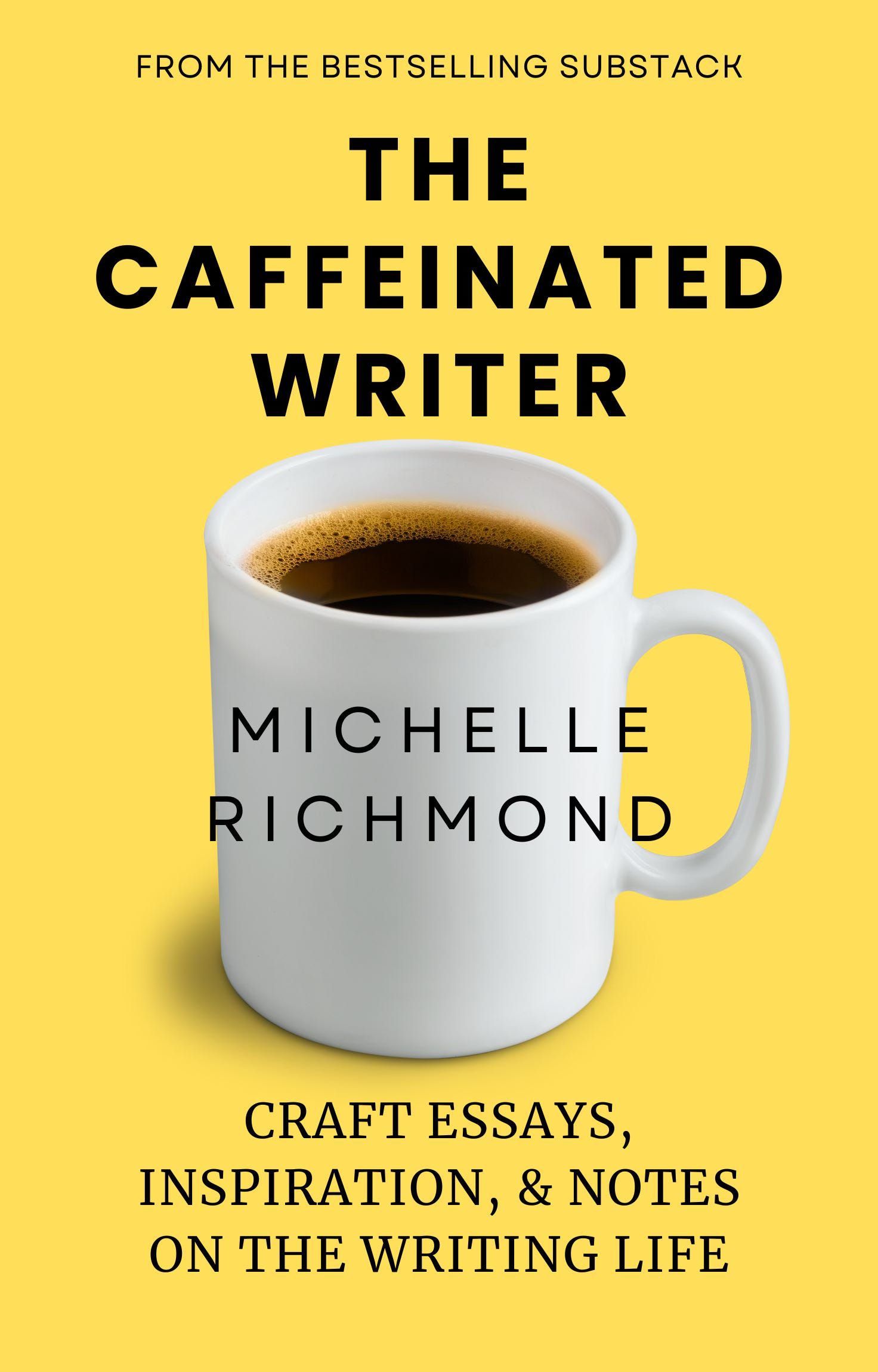
Do you enjoy The Caffeinated Writer? Paid annual subscribers receive a complimentary ebook or printable PDF of The Caffeinated Writer, featuring the most popular posts on writing, publishing, inspiration, and fictive craft.
Comments
Nothing yet. Say the first thing.
Sign in to join the conversation.