
Michelle Richmond is the New York Times bestselling author of eight books of fiction, including most recently The Wonder Test. She is the creator of the eight-week novel writing intensive The First 50 Pages.
I can’t tell you exactly how I write a novel. There’s something about sitting down and writing the first sentence, and then the next. I know that much. There’s something about getting the first fifty pages out at a pretty good clip, and then feeling a sense of impending dread (what now? where do I go? how does this progress?) once I get past that fifty-page mark. There’s something about the hours and the weeks and the months and then, invariably, the years, even though, setting out, I always think, “This one will go faster.”
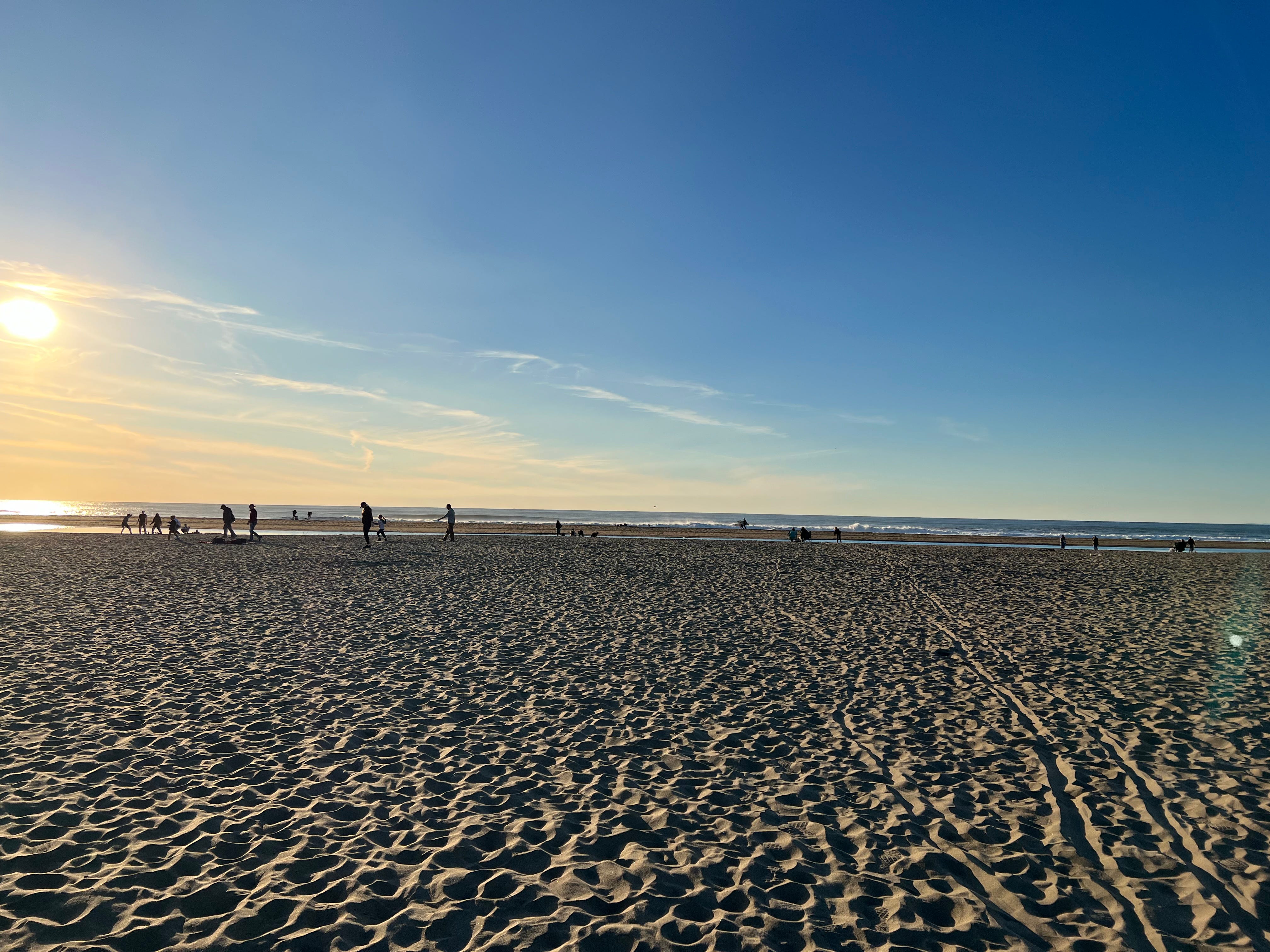
This one never goes faster. Only once, in my twenty-plus years of writing novels, did a book go faster, and it happened to be when I had a new baby at home. I wrote a novel in nine months, which I hadn’t done before and haven’t done since. With time so rare and spare and compressed, I smashed a lot of writing into small increments—often while sitting in my old Jeep Cherokee at San Francisco’s Ocean Beach, with my son dozing in his carseat in the back, after I’d driven up and down the Great Highway to lull him to sleep.
I’d recommend it highly, except the Great Highway closed down a few years ago, and you can no longer time the traffic lights so that you go exactly twenty-eight miles per hour the full stretch of Ocean Beach, from Land’s End to Sloat Boulevard. You can no longer go the full stretch at all. So much for sleeping babies and crashing waves and the fog and the foghorns and the smell of creosote from last night’s bonfires and the salty drowsy beauty of it all.
Oh I’m being dramatic. You can still hear the waves, you can sometimes see the fog, especially during the June gloom, you can still kick through the sand and stumble upon the burnt leavings of the bonfires. Ocean Beach is Ocean Beach, still and (hopefully) always.
But I digress. What I meant to say is: I don’t write the first sentence until I have an idea. The idea isn’t something grand. It’s just:
who (protagonist)
what (what enormous challenge is this person facing—not in the past, but at this moment, the moment of the first page)
where (this is big for me—I know the setting intimately before I begin to write anything, ever)
when (pretty easy—as the when is almost always now, though each novel will have chapters calling back to some earlier time in the protagonist’s life)
and why (the most essential question: why should anyone care about this character, at this time, in this situation?)
If there’s no clear answer to who, what, when, and where, there’s no story. And if there’s no clear answer to WHY, there’s no novel. A story maybe, a flash fiction, sure, but not a novel, and not a novella.
Continue reading for a deeper dive on the W’s, and what to leave out of Chapter 1…
Comments
Nothing yet. Say the first thing.
Sign in to join the conversation.